
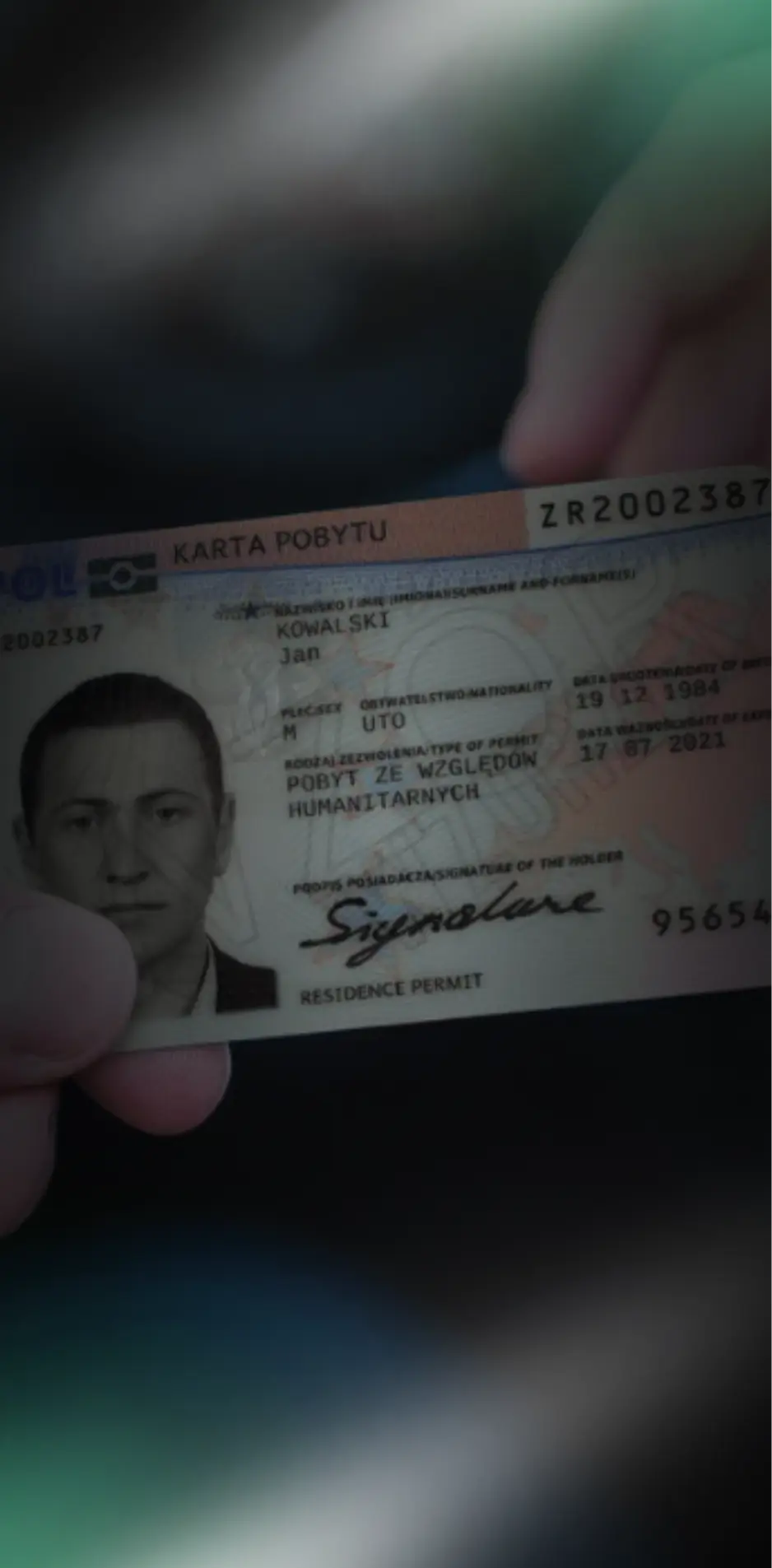
Temporary Residence Card Based on Employment
A residence card based on employment is a temporary residence permit in Poland that allows you to legally live and work on the grounds of official employment. At VisaV.pl, we provide full “turnkey” support: we verify your employment contract and work permit, prepare the complete set of documents, submit the application, and manage your case until the final decision is issued.
What You Need to Know
About a Residence Card Based on Employment
-
What Is a Residence Card Based on Employment?
A residence card based on employment (karta pobytu na podstawie pracy) is a temporary residence permit granted to foreign nationals who are legally employed in Poland under a valid contract. In most cases, it is a “2-in-1” decision: it grants both the right to reside and the right to work under the specific conditions stated in the official decision (decyzja).
The validity period of the card depends on the legal basis and supporting documents — particularly the duration of your employment contract. That is why having a proper application strategy truly matters.
-
Who Is It Suitable For and When Should You Apply?
A residence card based on employment is typically suitable if you:
- are legally employed in Poland (employment contract, mandate contract, or another lawful form of work);
- can prove stable income and valid health insurance/social contributions;
- want to secure long-term legal status and avoid relying on short-term visas or visa-free stays.
It is strongly recommended to apply well before your current legal stay expires — not on the last possible day. Applying early reduces stress, minimizes the risk of technical errors, and helps avoid gaps in legal status.
-
Is the Card Tied to Your Employer? What Happens If You Change Jobs?
Under current regulations, changing your employer or modifying employment conditions may require notifying the authorities and updating your case within specific deadlines.
The most important rule: act correctly and on time. Mistakes can negatively affect your current legal status and future applications (for example, for long-term EU residence or Polish citizenship).
We guide our clients on how to proceed in situations such as:
- changing employer;
- termination of employment;
- changes in position, salary, or contract terms;
- working in different locations or on business assignments.
-
How We Work — Full “Turnkey” Support
- Analysis of your situation and documents (employment contract, work permit, compliance with legal requirements).
- A customized checklist tailored to your specific Voivodeship Office and case.
- Preparation and completion of the application, document packaging, and certified translations if required.
- Submission and case monitoring: handling official requests, preparing responses, and providing additional documents when needed.
- Preparation for your visit to the Voivodeship Office (fingerprints, originals), monitoring the decision, and assistance with collecting the residence card.
-
What Most Commonly Delays the Process?
The most frequent causes of delays include:
- incomplete or weak documentation;
- incorrect information in the application form;
- missing or incorrect work permit, or inconsistencies in the employment contract;
- failure to respond to official letters or requests from the authorities;
- employment changes made without proper notification.
Careful preparation and ongoing case control significantly reduce these risks.
Get a Free Consultation Right Now!
Leave a request and we will consult you as quickly as possible!
Video Testimonials
Our specialists are always ready to provide assistance and support on
at each stage of cooperation

Owner of VisaV.pl / Board Community Member

Head of VisaV.pl

Head of the legalization department, expert in document processing in Poland

Legalization specialist in Warsaw.

Sales Manager, Communication and Customer Service Expert

Specialist in marriage registration and document processing

Legalization Specialist

SMM Specialist

Accounting Specialist

Legalization Specialist

Administrator

U.S. Marriage Organizer

Marriage Department Technical Specialist
Partner in Europe
We don't just provide services – we help you achieve your goals.
Our approach is based on trust, quality and individual approach. We work to ensure that each client receives a quick, convenient and effective solution to their issues.
We analyze your situation in detail and offer solutions that best suit your needs.
We work quickly without losing quality, and guarantee 100% compliance with legal requirements.
Our team is made up of experts who have helped thousands of clients with legalization and documents.
We accompany you at every stage, providing detailed advice and assistance in any issues.
The VisaV.pl team speaks Ukrainian and Russian, which makes communication easier for clients from the CIS countries.
Client Photo Reviews
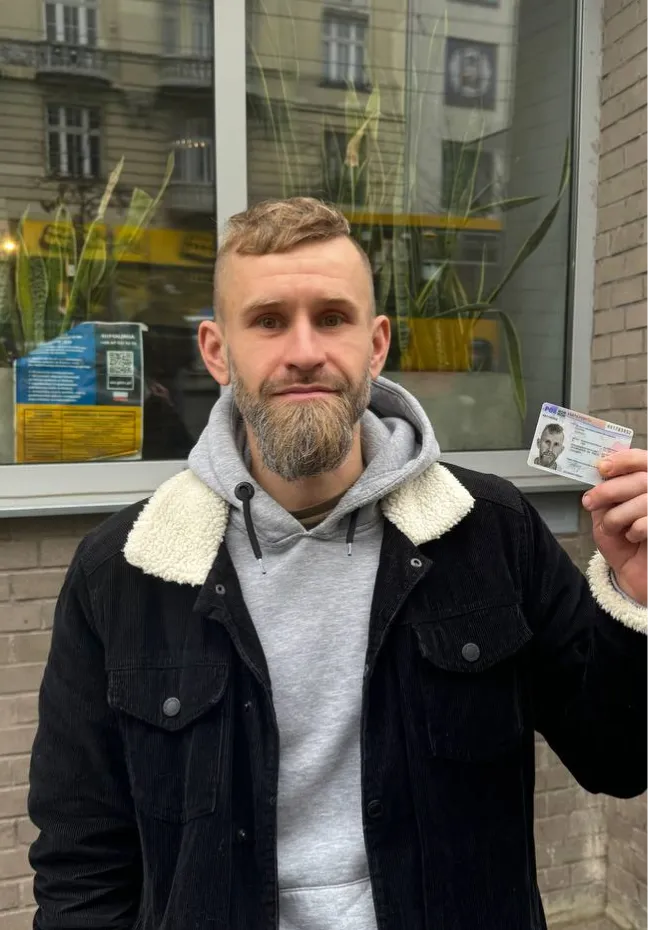
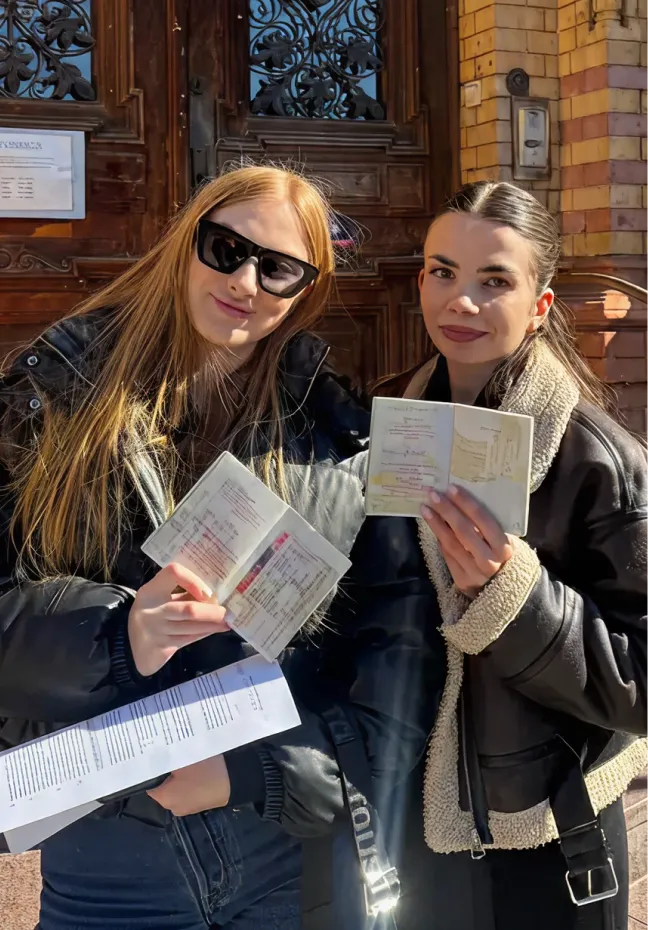
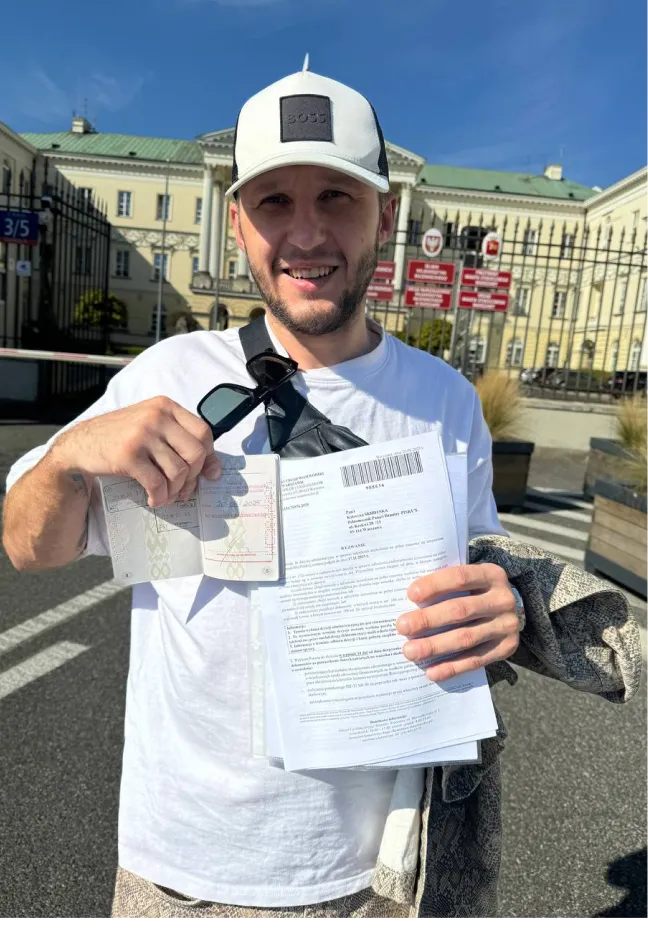
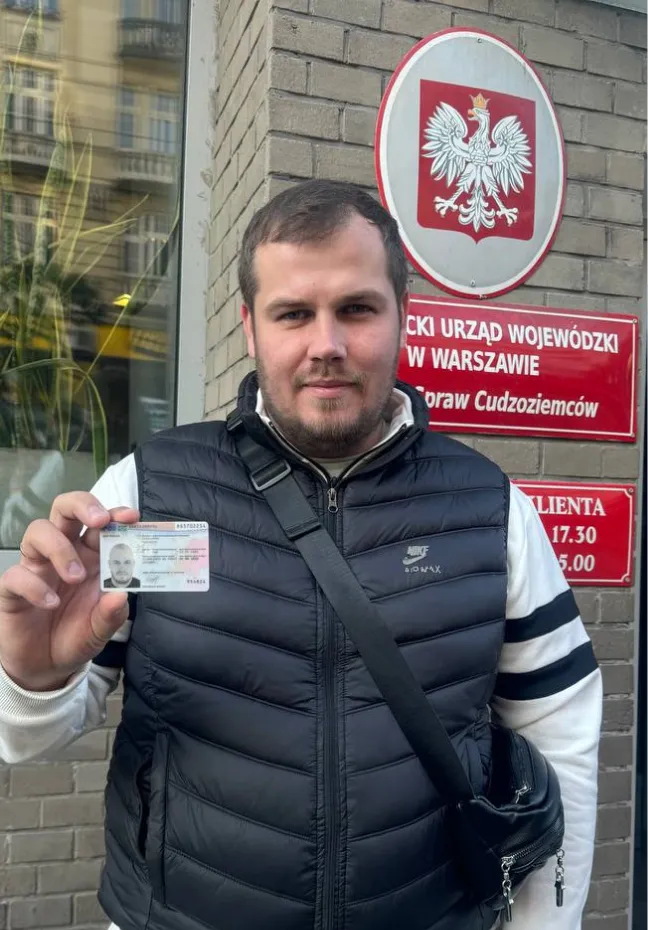
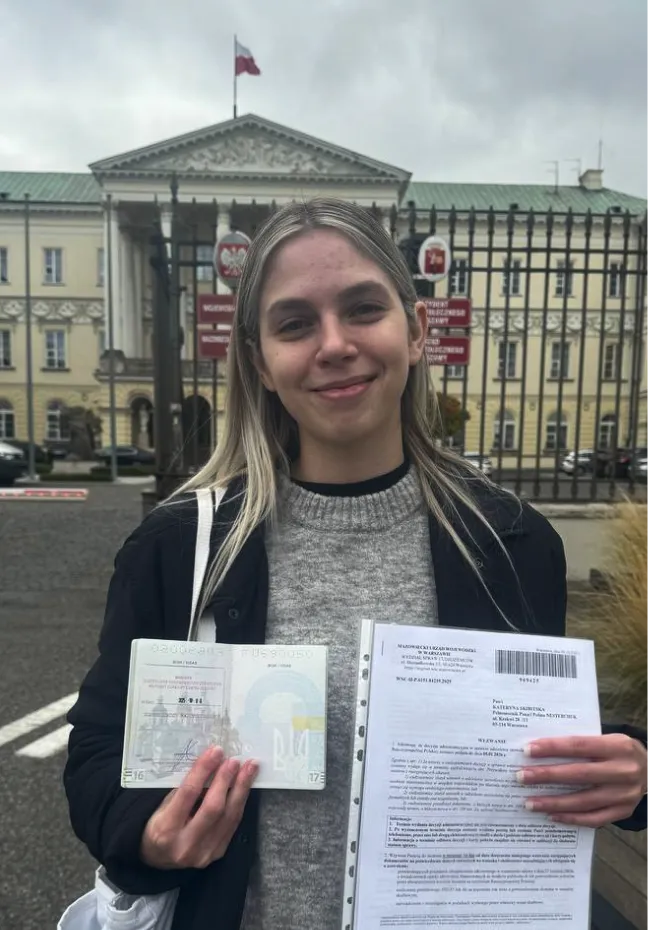
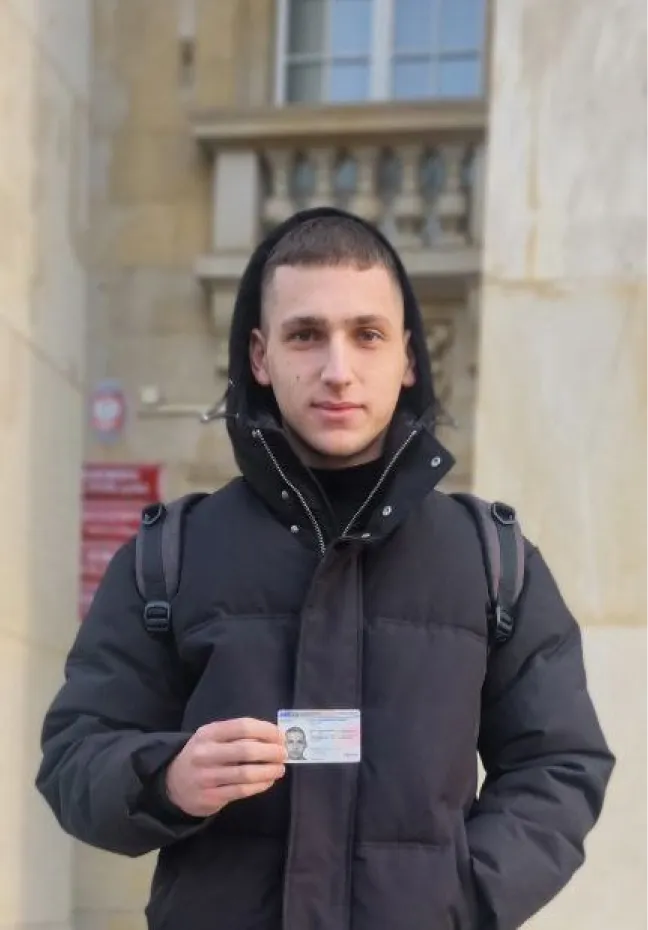
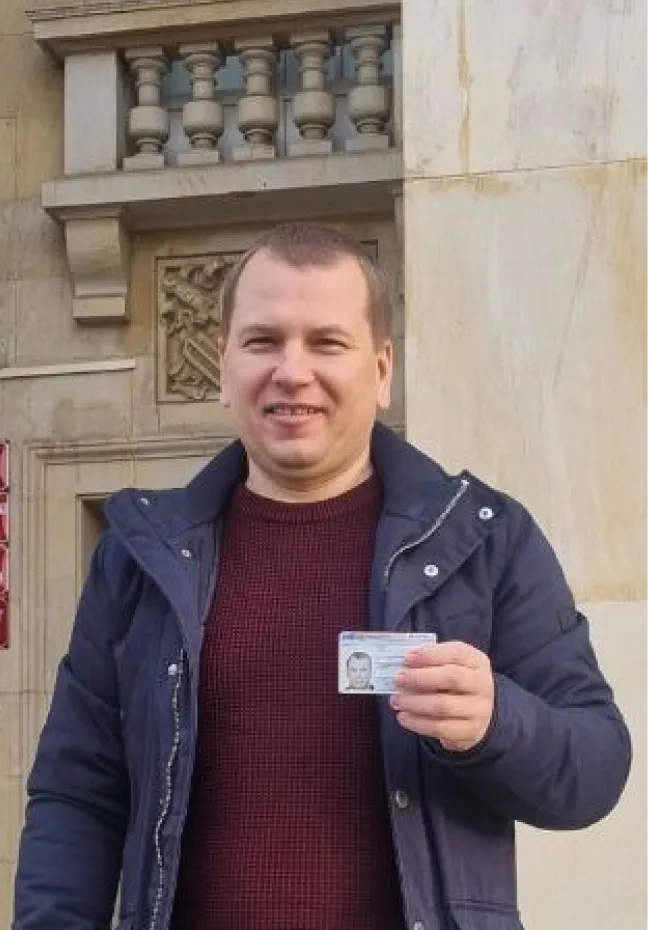
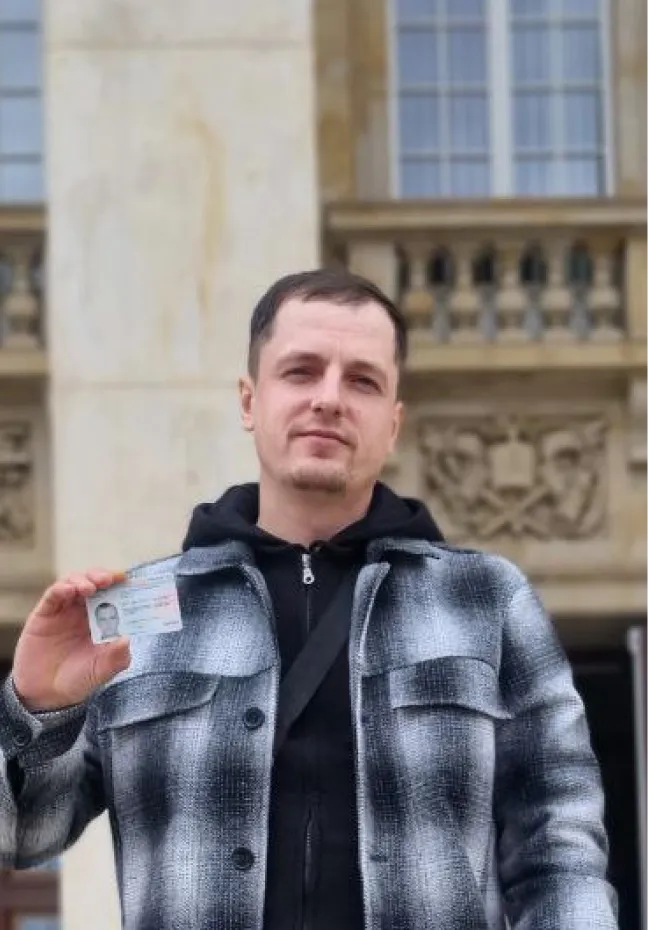
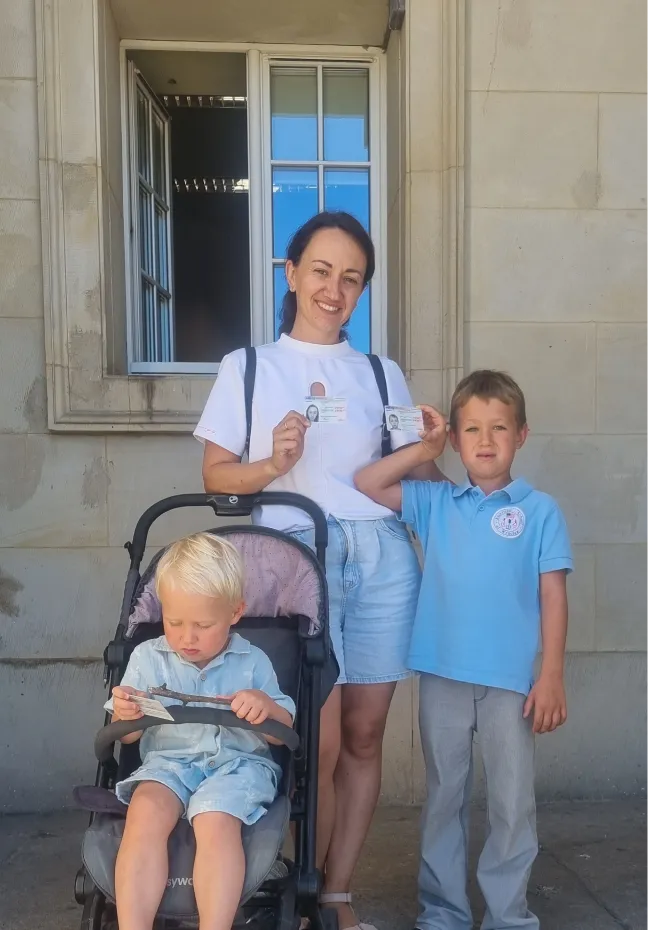

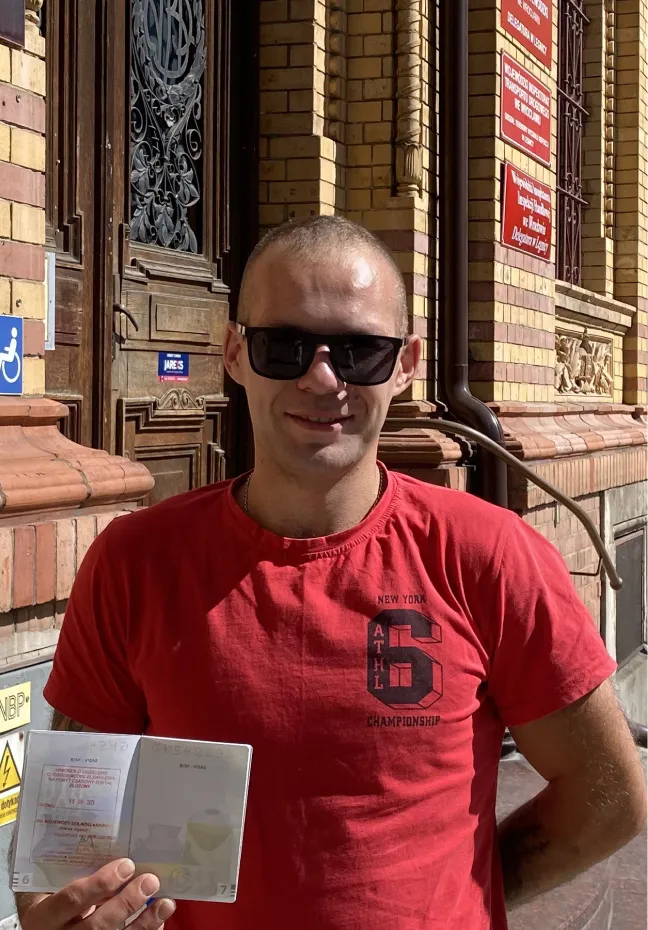
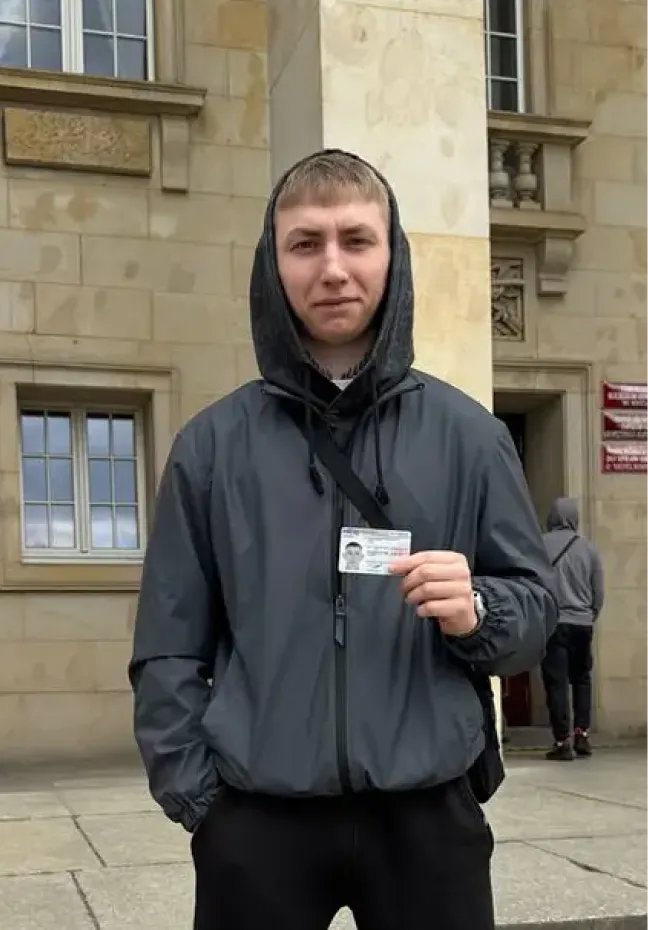







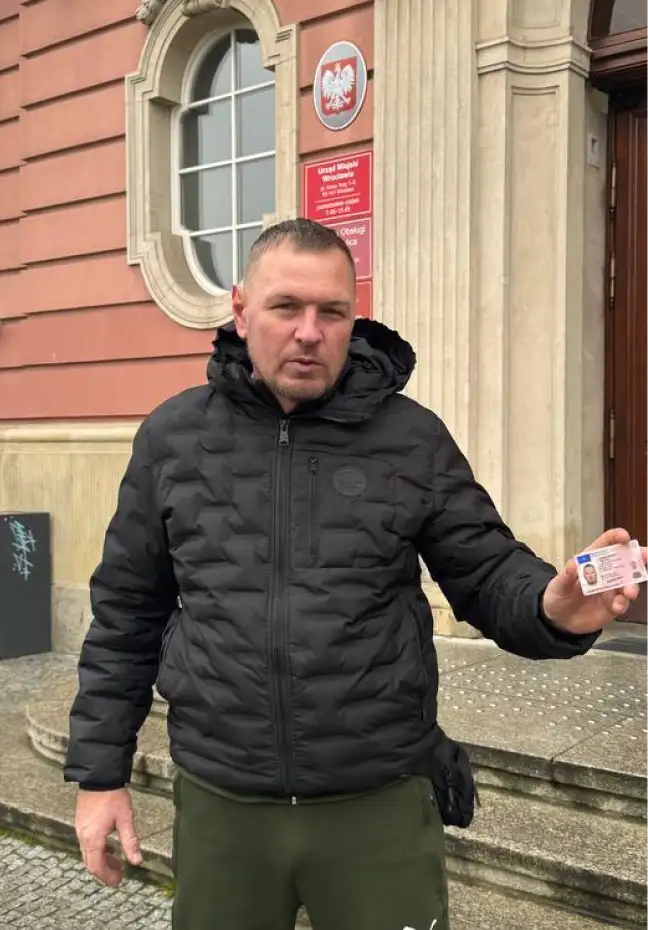
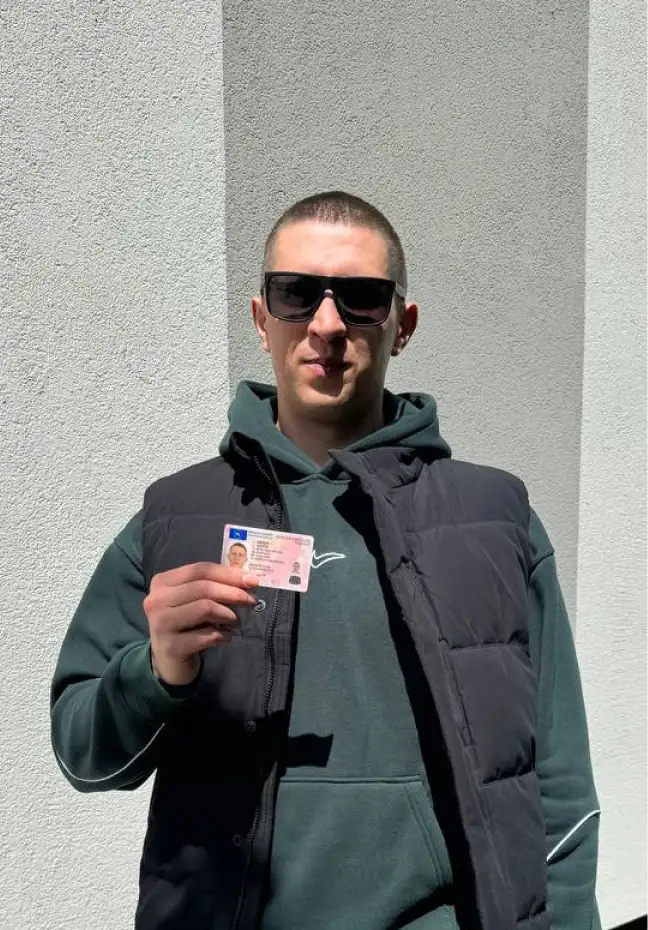
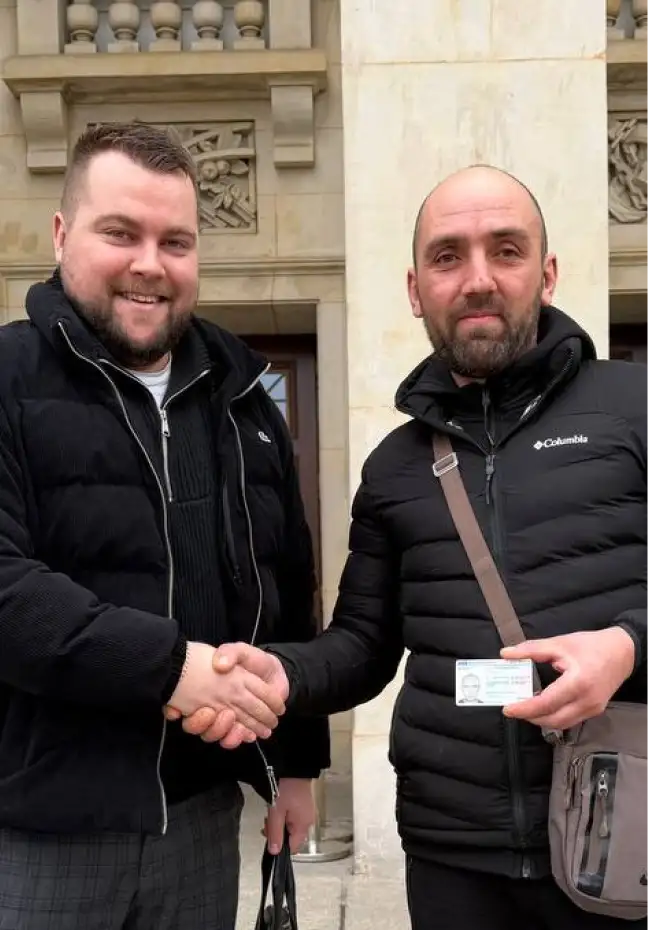
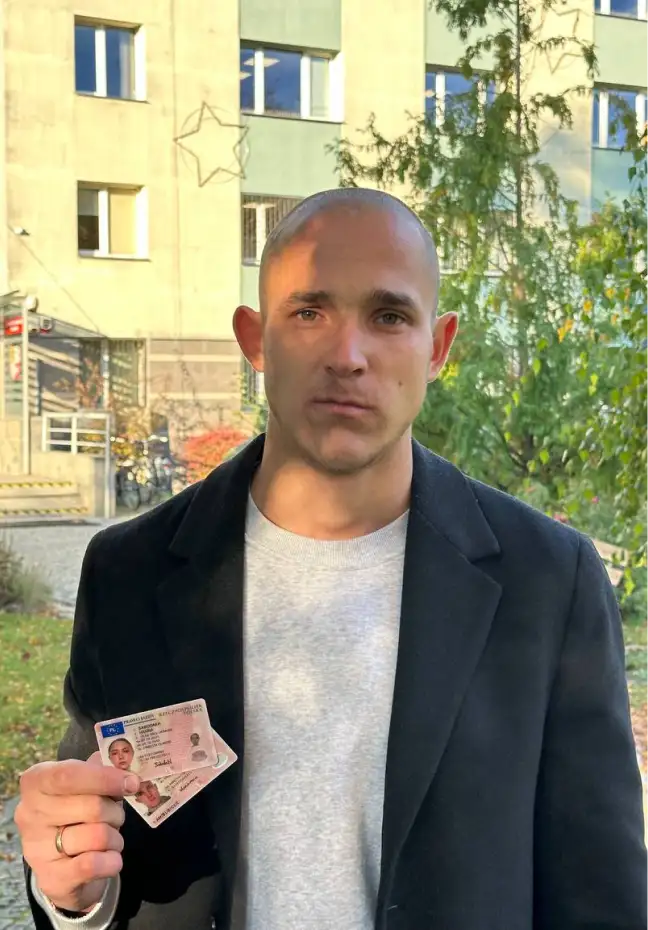
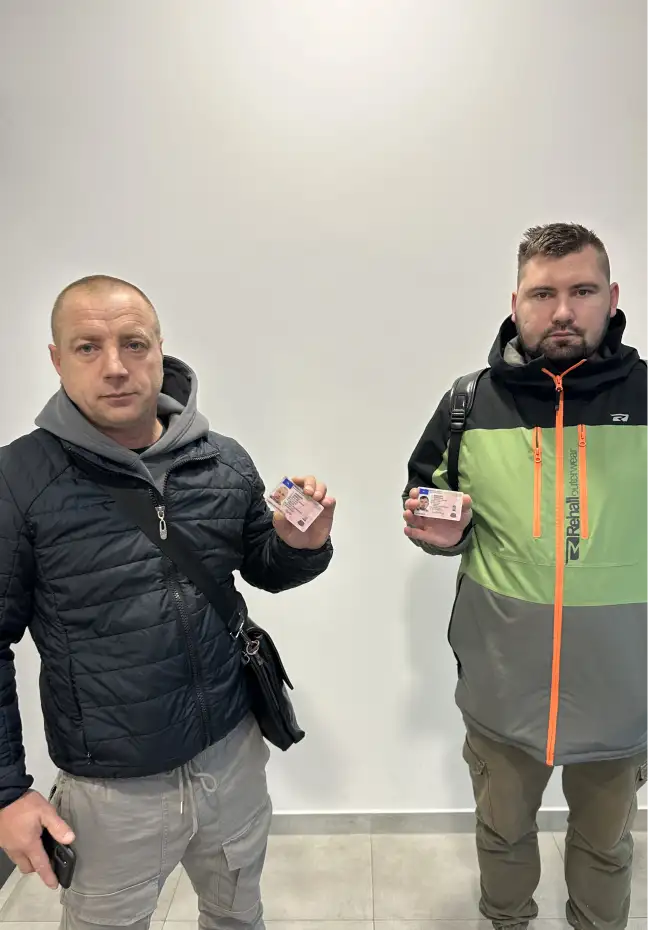
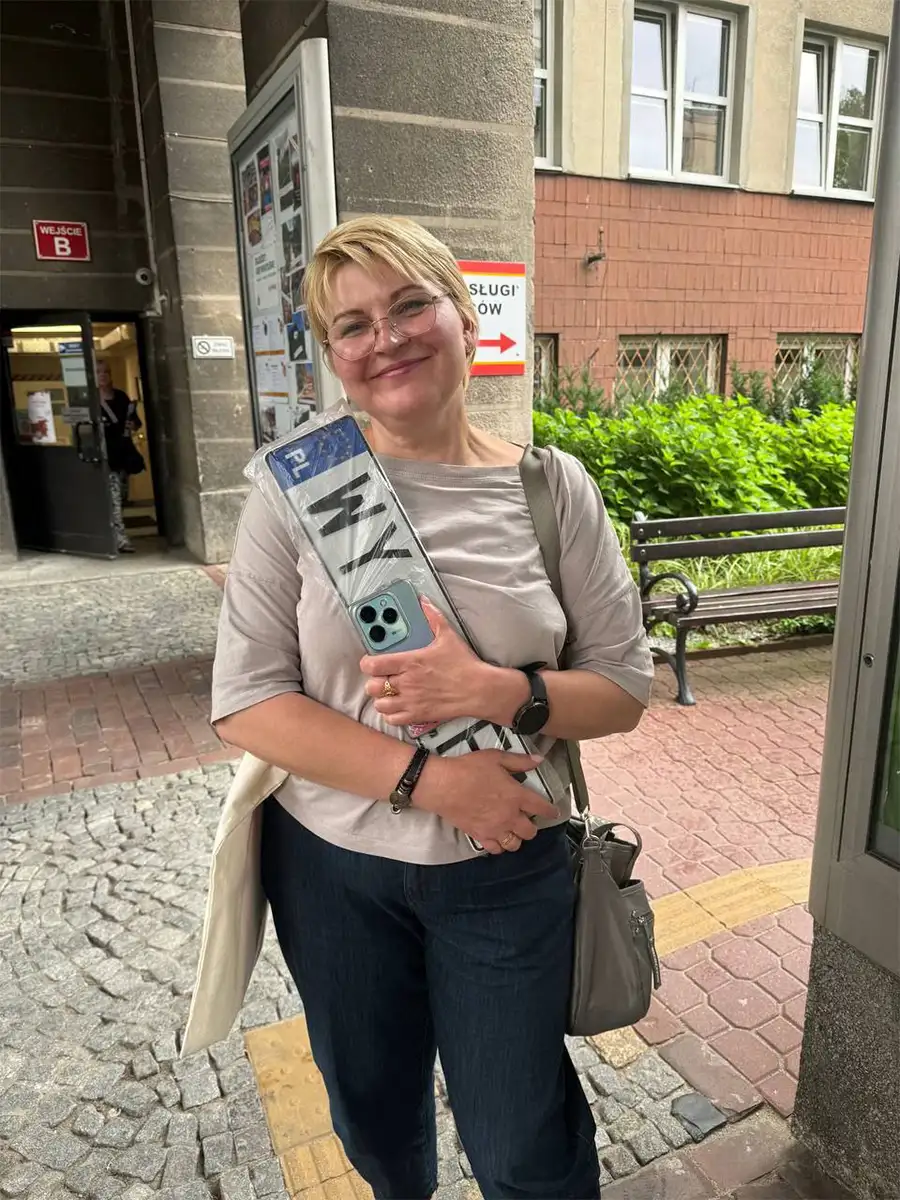
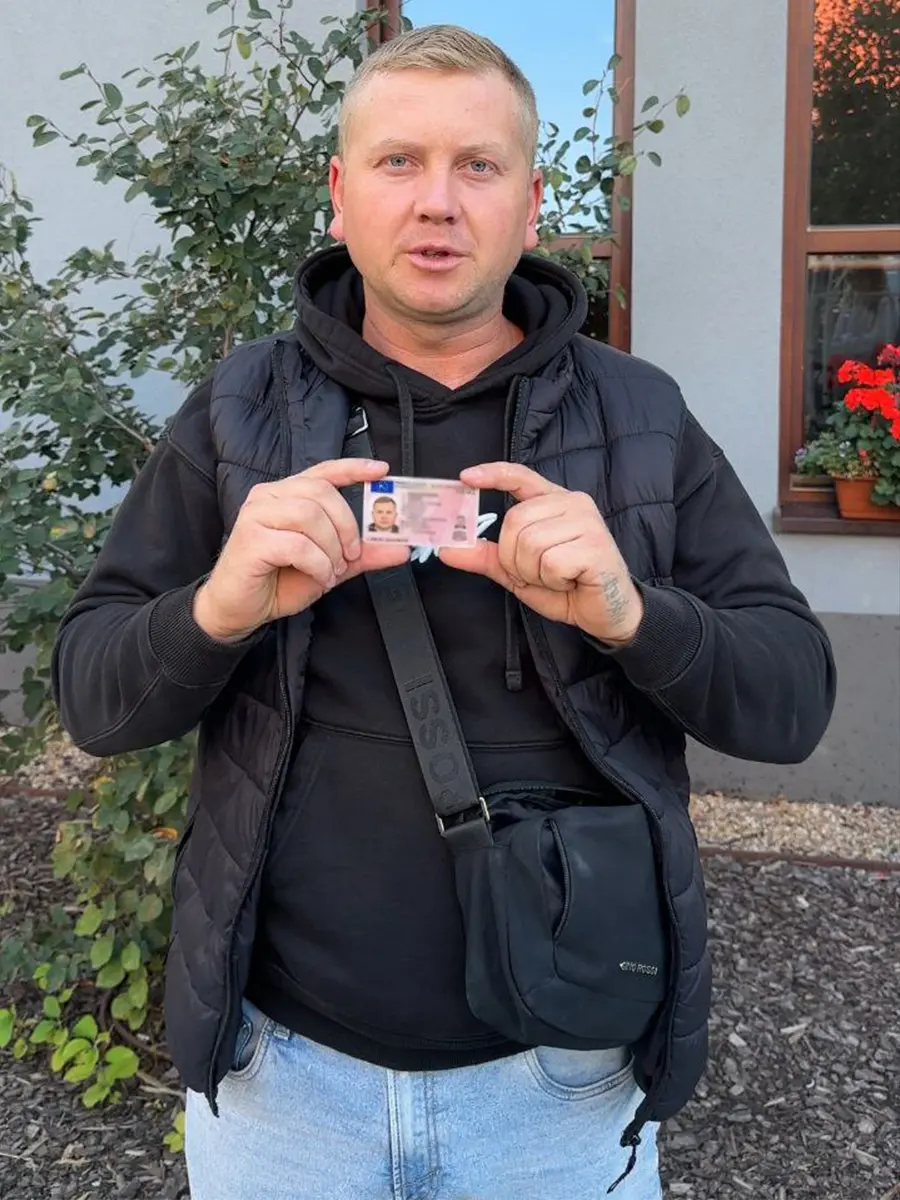
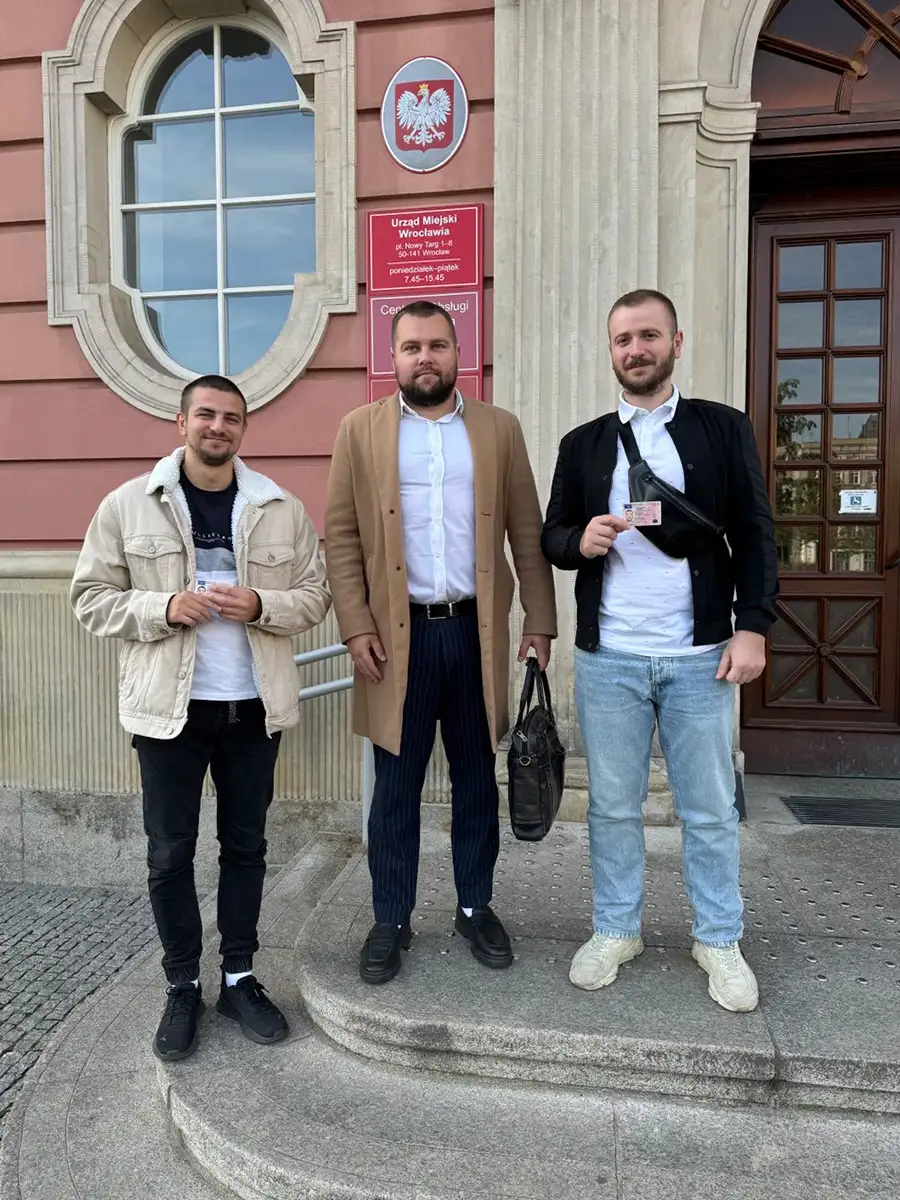
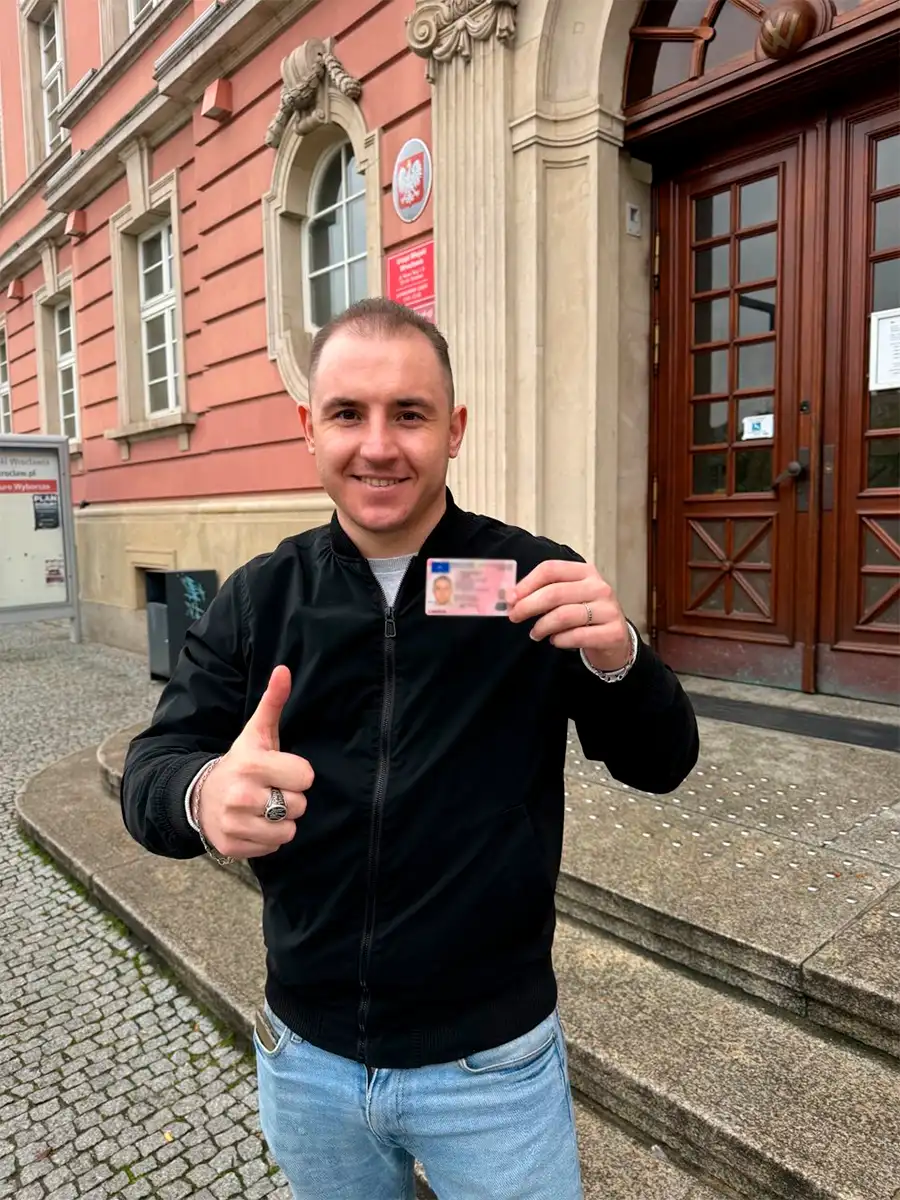
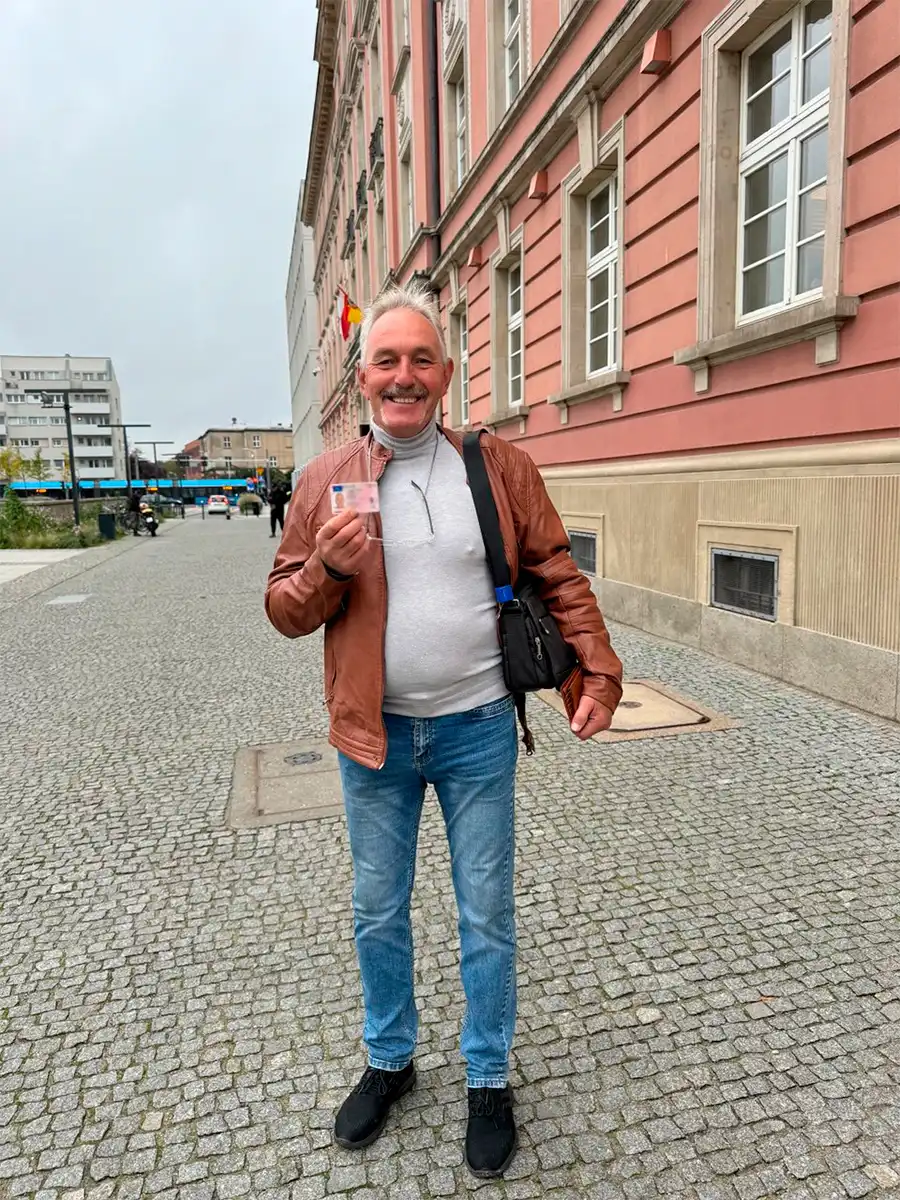
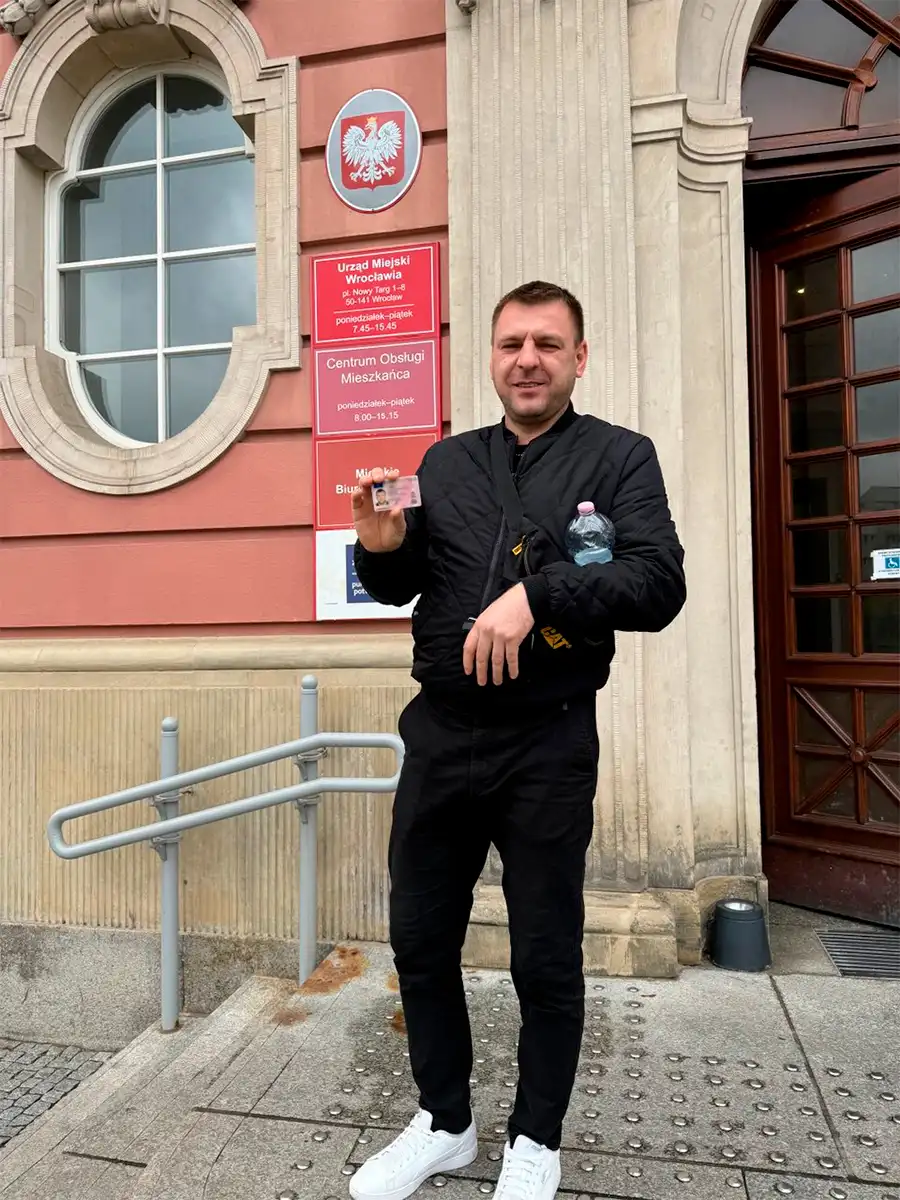
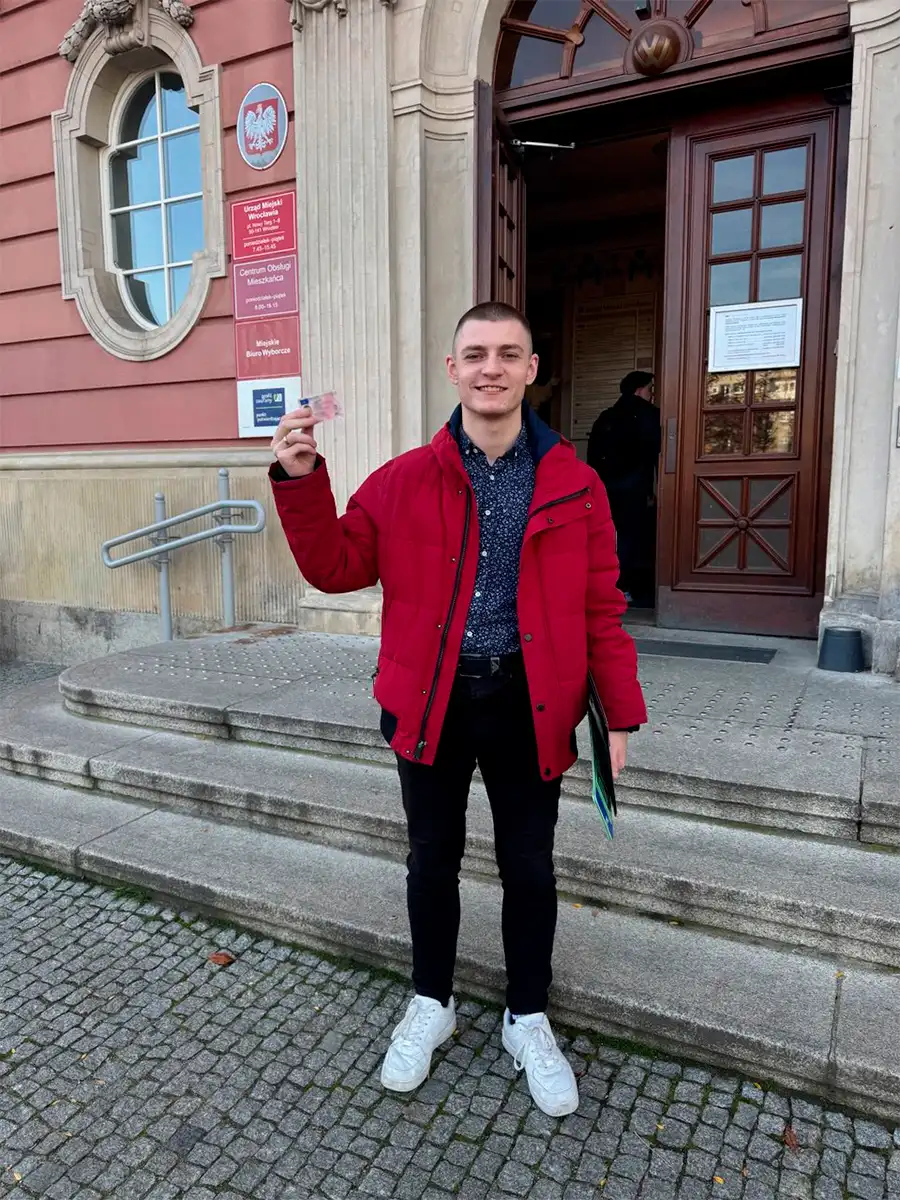
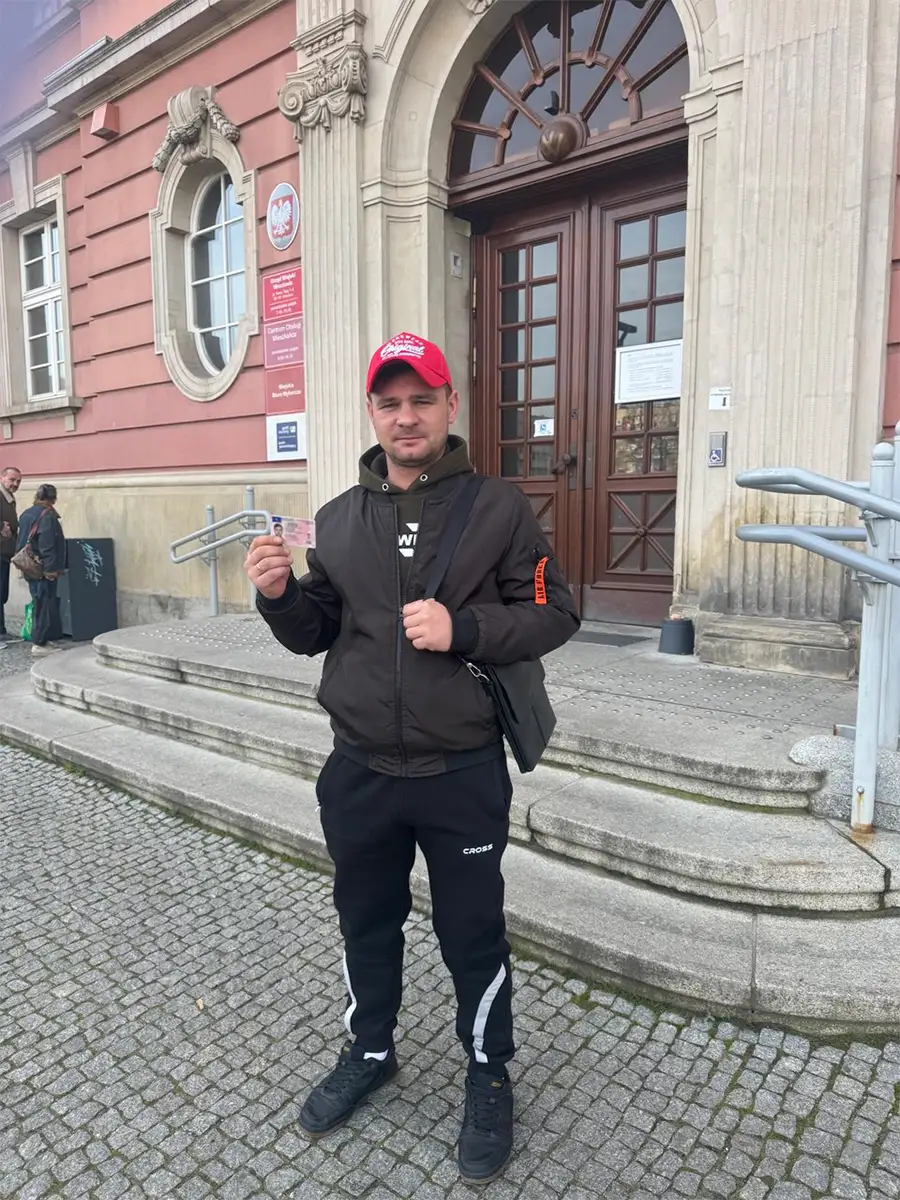
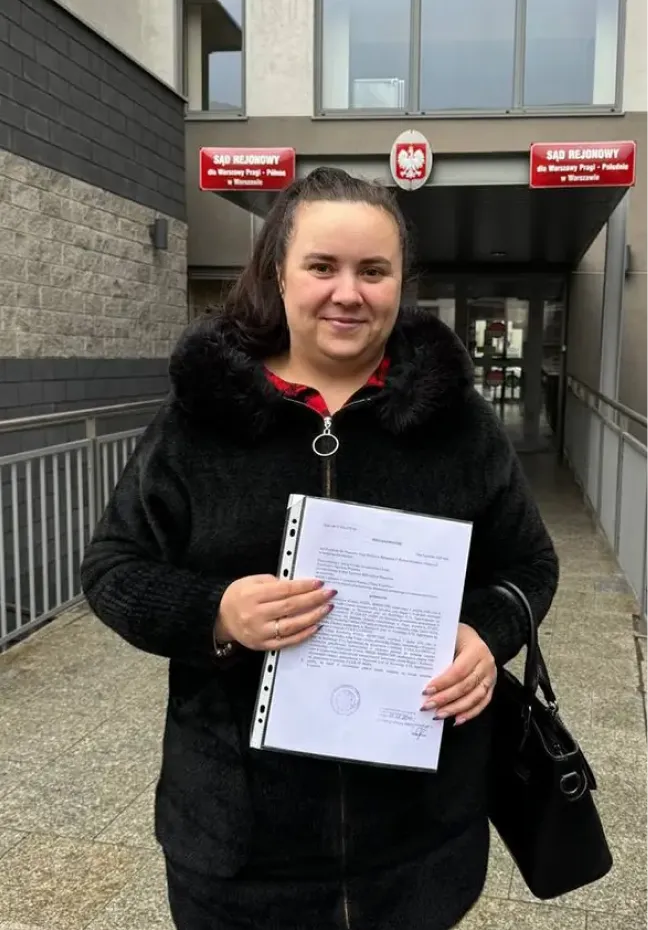
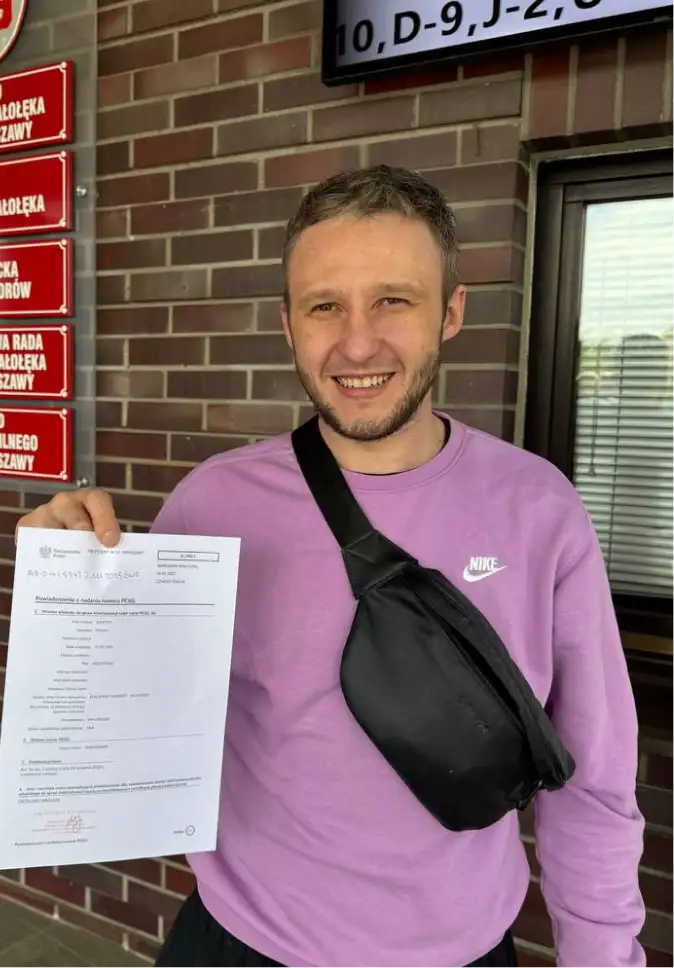
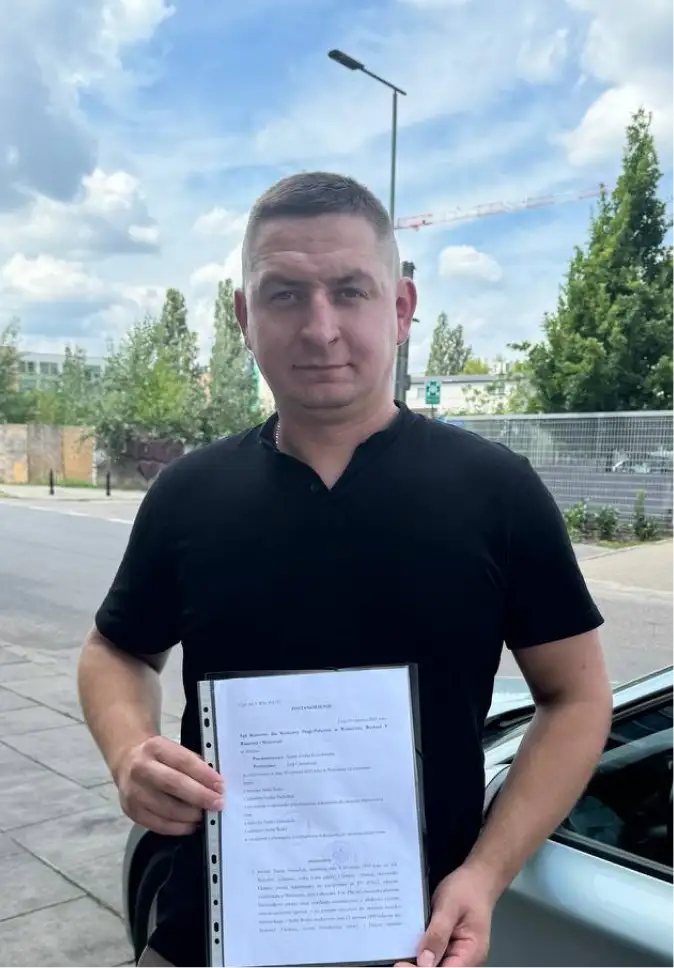
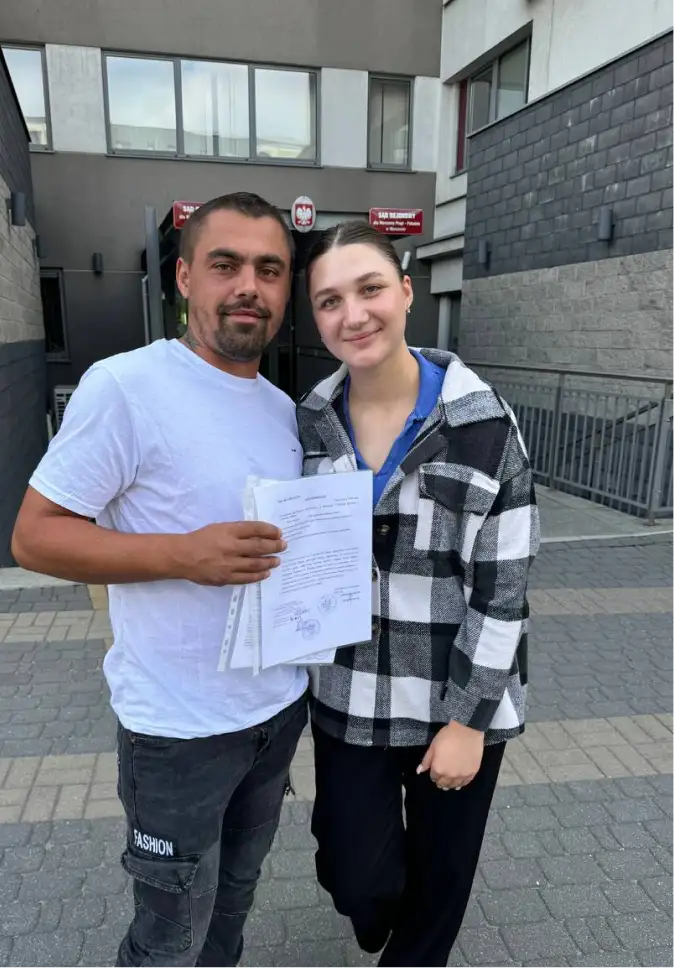
Residence Card Based on Employment in Poland:
How to Apply Correctly and Without Risks
Applying for a residence card based on employment is not just about submitting an application to the Voivodeship Office. It is a comprehensive process that combines immigration law requirements, labor law regulations, and the specific administrative practice of the relevant voivodeship. When approached strategically, it not only increases the chances of receiving a decision without unnecessary delays, but also lays the foundation for further legalization — permanent residence or citizenship.
In this section, we explain important nuances that are rarely discussed: processing times, financial criteria, risks of refusal, rights after submission, and options available for family members.
Income and Employment Conditions Reviewed by the Authorities
One of the key criteria is proof of stable income. The Voivodeship Office verifies not only the fact of employment, but also whether the terms of the contract comply with legal requirements. It is essential that the salary is not lower than the national minimum wage or applicable industry standards.
The authorities typically analyze:
- the type of contract (employment contract, mandate contract, etc.);
- the gross salary and its compliance with minimum thresholds;
- the number of working hours;
- payment of taxes and social security contributions (ZUS);
- the employer’s genuine need to hire the employee.
If the salary falls below the required threshold or the contract terms raise concerns, the authorities may request additional documents or even issue a refusal. That is why it is important to review the employment contract in advance and ensure it meets the requirements of the specific voivodeship before submitting the application.
How Long Does the Process Take and What Does It Depend On?
Formally, processing times are regulated by the Administrative Procedure Code. In practice, however, the timeline depends on the workload of the office, the region, and the completeness of the submitted documents. In large cities, the process may take longer due to a higher number of applicants.
Processing times are influenced by:
- the completeness of the document package at the initial submission;
- errors or inaccuracies in the application form;
- the need for additional verification of the employer;
- changes in employment conditions during the review process;
- the applicant’s response time to official correspondence.
If the case is properly prepared from the outset, the risk of delays is significantly reduced. It is crucial to respond promptly to all official requests and keep proof of document submission.
Rights of a Foreigner After Submitting the Application
Many applicants are unaware that after submitting a complete set of documents and receiving a stamp in their passport (if the application was filed during a period of legal stay), they have the right to remain in Poland until a decision is issued. This allows them to stay legally in the country even after their visa or visa-free period expires.
However, there are important nuances:
- the passport stamp does not always grant the right to travel freely within the Schengen Area;
- work is permitted only under the conditions specified in the submitted documents;
- changing employers without proper notification may lead to complications.
It is therefore essential to clearly understand your rights and obligations in order to avoid violations.
Residence Card and Family Members: Can You Legalize Your Relatives?
Obtaining a residence card based on employment opens the possibility of family reunification. A spouse and minor children may apply for residence on the basis of your legal status.
To do so, you must:
- demonstrate sufficient income to support all family members;
- provide marriage or birth certificates;
- confirm the availability of adequate housing.
A properly prepared strategy allows the entire family to obtain legal status and ensures stability of stay in Poland.
Common Reasons for Refusal and How to Avoid Them
A refusal of a residence card is not always the end of the process, but it is always a loss of time. Problems most often arise due to underestimating formal requirements or improper communication with the authorities.
Common reasons include:
- employment conditions that do not comply with legal requirements;
- insufficient or unstable income;
- errors in the application form or translations;
- failure to notify the authorities about a change of employment;
- missing deadlines for responding to official letters.
To minimize risks, it is important to act systematically: review documents before submission, keep track of deadlines, and monitor communication with the administration.
Long-Term Strategy: From Temporary to Permanent Residence
A residence card based on employment can be the first step toward long-term legalization. After several years of continuous legal stay, it becomes possible to apply for permanent residence or long-term EU resident status.
To avoid losing this opportunity, it is advisable to:
- avoid interruptions in legal stay;
- retain all decisions and official documents;
- extend your status in a timely manner;
- maintain proper tax and social insurance records.
Proper planning allows you to turn a temporary permit into a stable legal status in Poland and secure your future.
A residence card based on employment is more than a formality. It is a tool for legal integration, professional development, and building a secure life in Europe. That is why it is important to approach the process consciously, taking into account all legal and practical aspects.
Frequently Asked Questions
A foreign national who is legally staying in Poland and has proof of lawful employment (employment contract, income confirmation, insurance/social contributions, and other documents depending on the specific situation).
Generally required documents include: the application form, photographs, passport, proof of employment and income, insurance/social contributions, as well as employer documents and a work permit (if required). The exact list depends on the voivodeship and the specifics of your case.
Processing times depend on the voivodeship and the completeness of the document package. In practice, the speed of the decision largely depends on the quality of the documents and how promptly you respond to official requests from the authorities.
In many cases — yes. However, you must properly notify the Voivodeship Office and submit updated documents. Failure to do so may lead to issues with your legal status and the final decision.
Yes, in many voivodeships this is possible. However, there will still be a later stage requiring fingerprinting and submission of original documents. We can guide you on how to complete the process correctly and avoid mistakes.
In many cases, yes. It is important to provide a correct correspondence address and maintain communication with the office to avoid missing official requests.
Yes, provided that you submit your documents before your legal stay expires and have valid grounds (employment + required documents). The details depend on your specific situation.
You may file an appeal within the prescribed deadline if there are valid grounds. We analyze the reason for refusal and prepare a proper legal position.
This depends on your documents and legal status. In many cases, leaving Poland may create risks when attempting to return. It is advisable to assess your situation individually before traveling.
We support clients throughout Poland (depending on the voivodeship and place of application). We most frequently work with major cities and popular regions — details can be clarified during a consultation.