

Legalization in Poland
Without Stress and Bureaucracy
We help obtain residence permits and open companies — quickly, legally, and risk-free.

One Place






Partner in Europe
We don't just provide services – we help you achieve your goals.
Our approach is based on trust, quality and individual approach. We work to ensure that each client receives a quick, convenient and effective solution to their issues.
We analyze your situation in detail and offer solutions that best suit your needs.
We work quickly without losing quality, and guarantee 100% compliance with legal requirements.
Our team is made up of experts who have helped thousands of clients with legalization and documents.
We accompany you at every stage, providing detailed advice and assistance in any issues.
The VisaV.pl team speaks Ukrainian and Russian, which makes communication easier for clients from the CIS countries.
Our specialists are always ready to provide assistance and support on
at each stage of cooperation

Owner of VisaV.pl / Board Community Member

Head of VisaV.pl

Head of the legalization department, expert in document processing in Poland

Legalization specialist in Warsaw.

Sales Manager, Communication and Customer Service Expert

Specialist in marriage registration and document processing

Legalization Specialist

SMM Specialist

Accounting Specialist

Legalization Specialist

Administrator

U.S. Marriage Organizer

Marriage Department Technical Specialist
Find out what our customers say about us and share your impressions after
consultations!
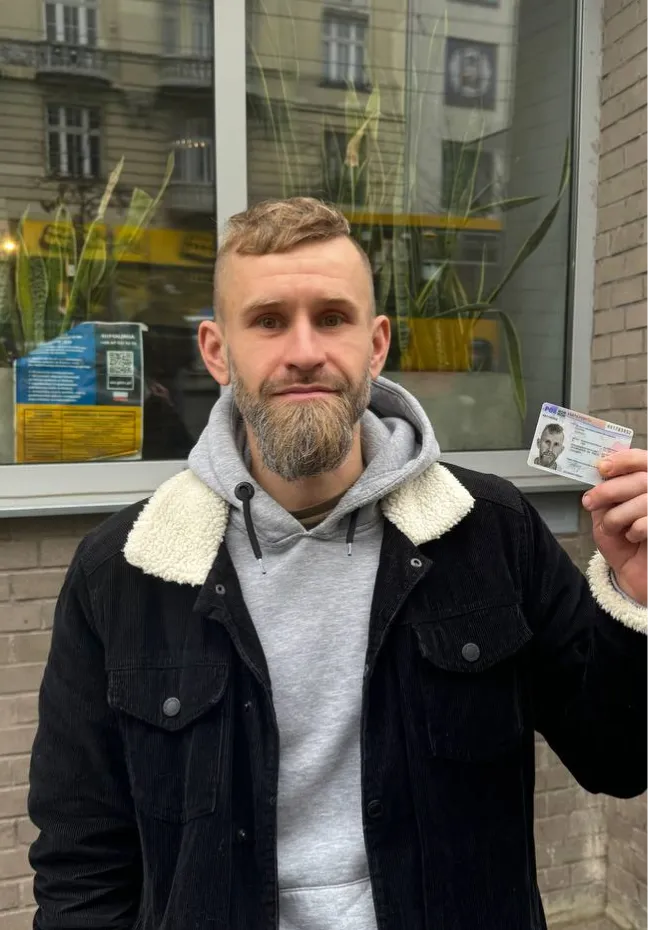
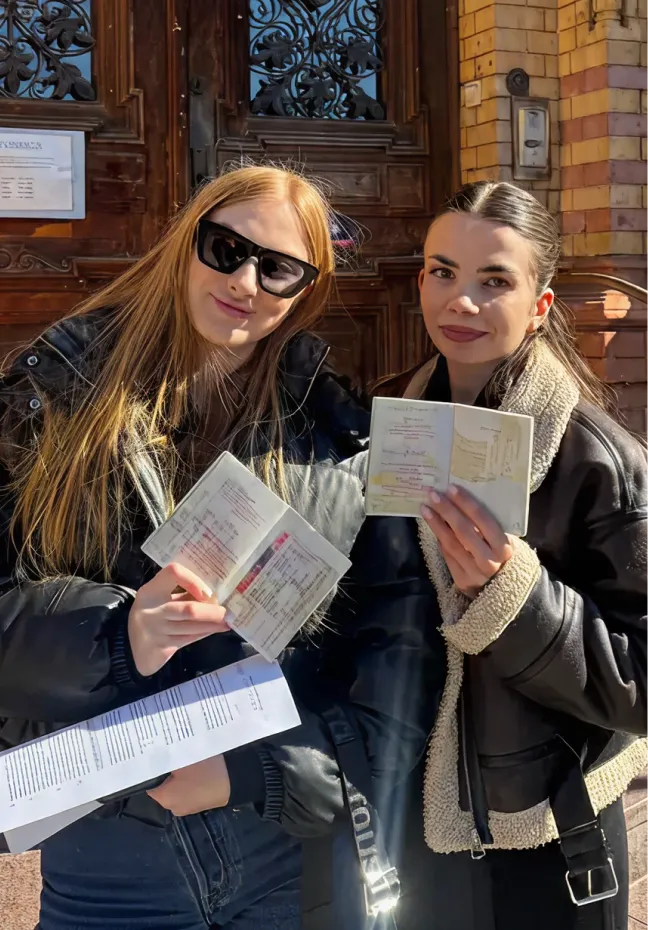
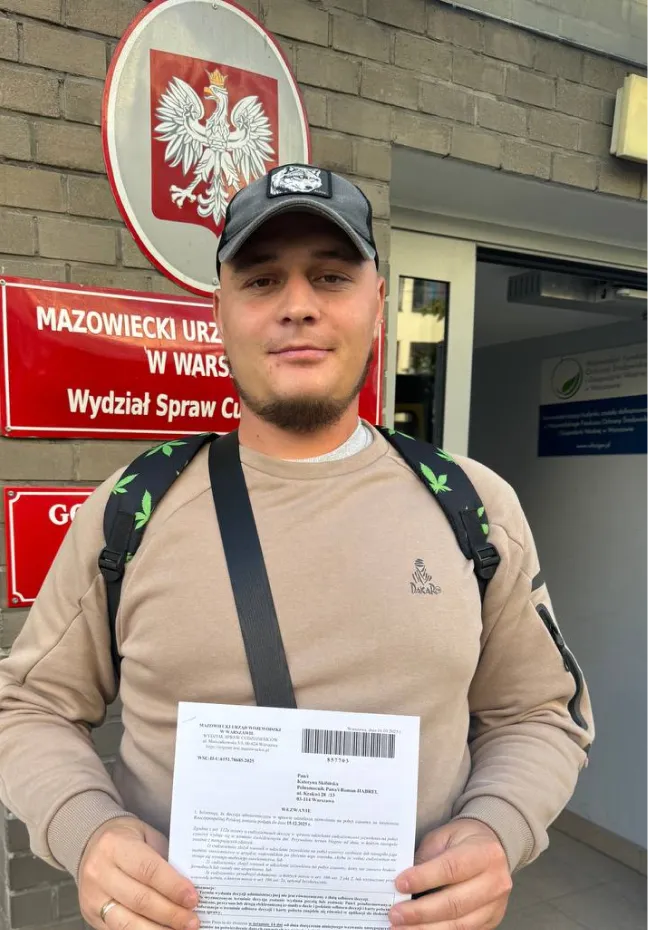
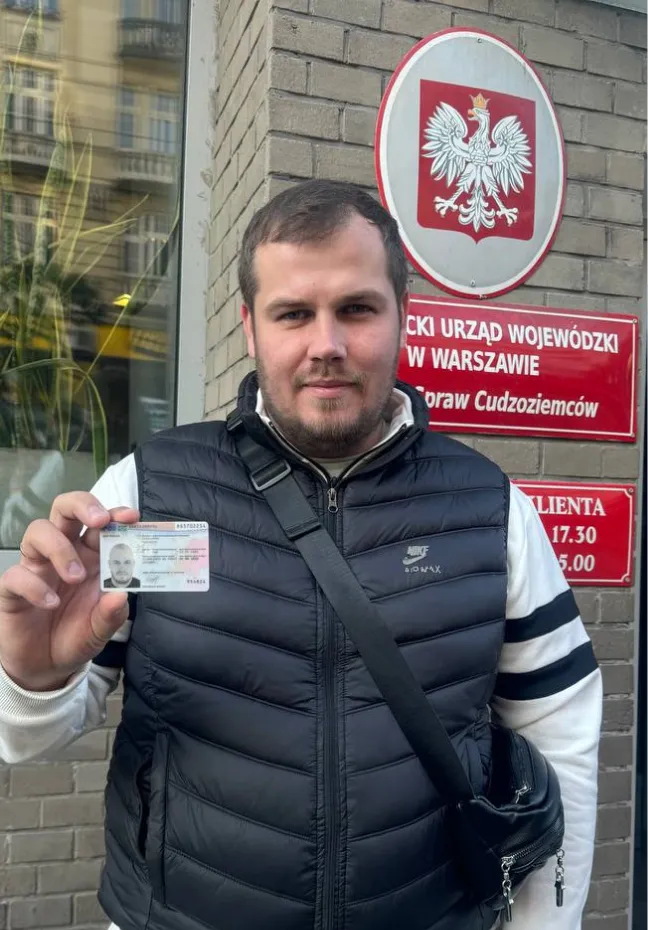
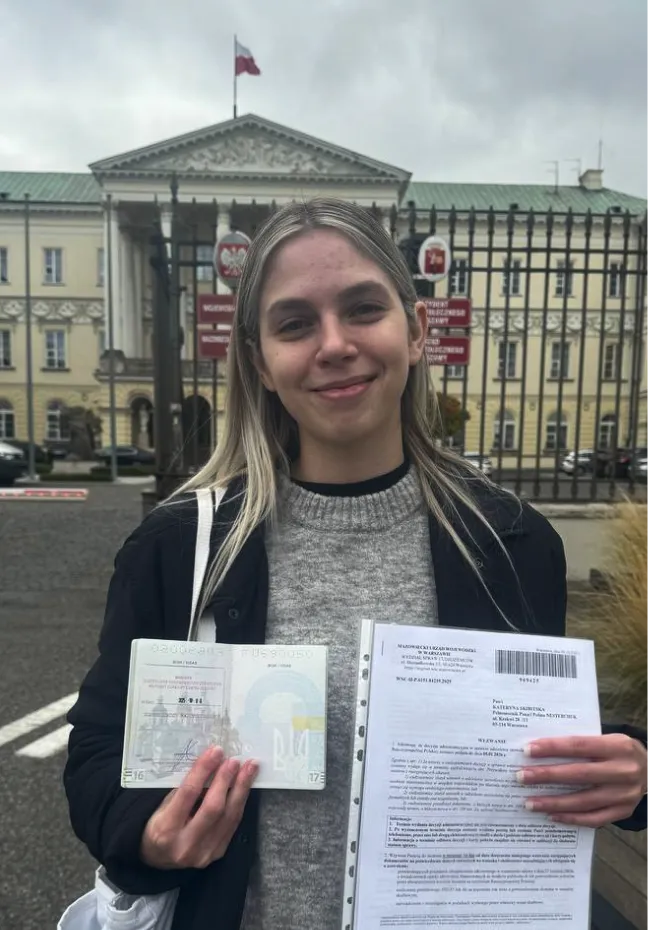
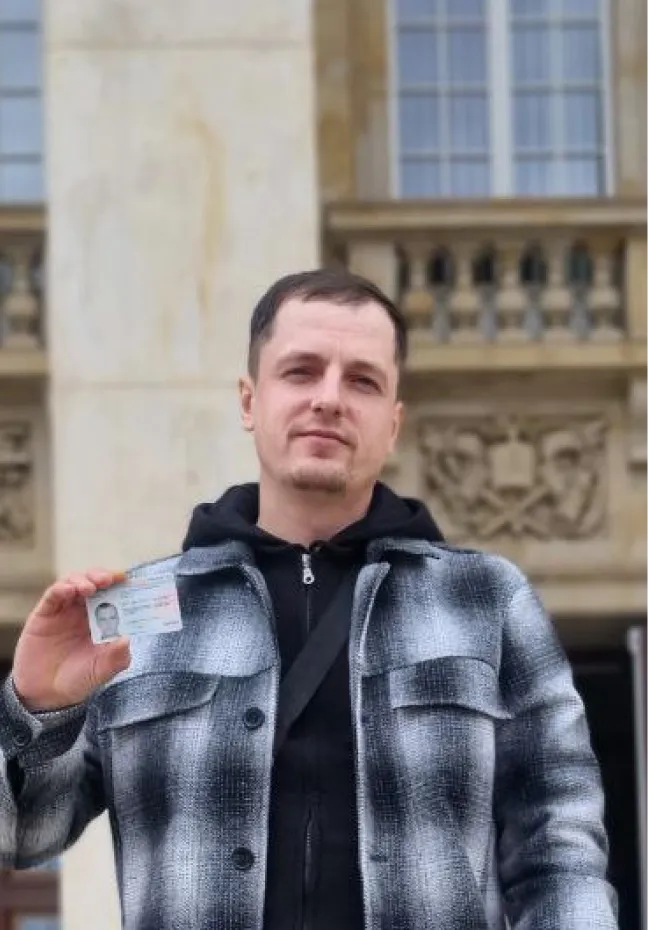
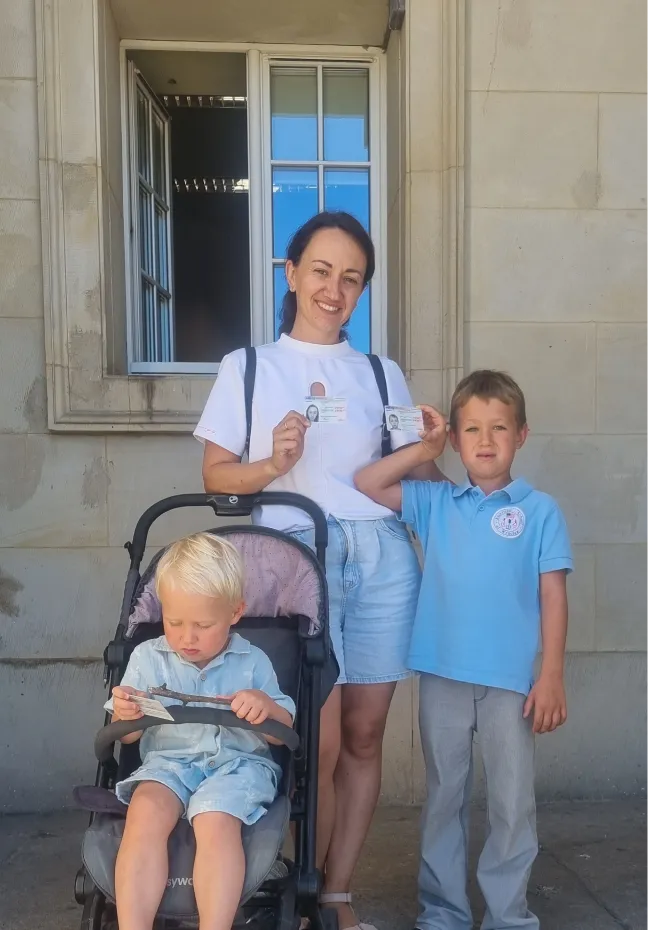
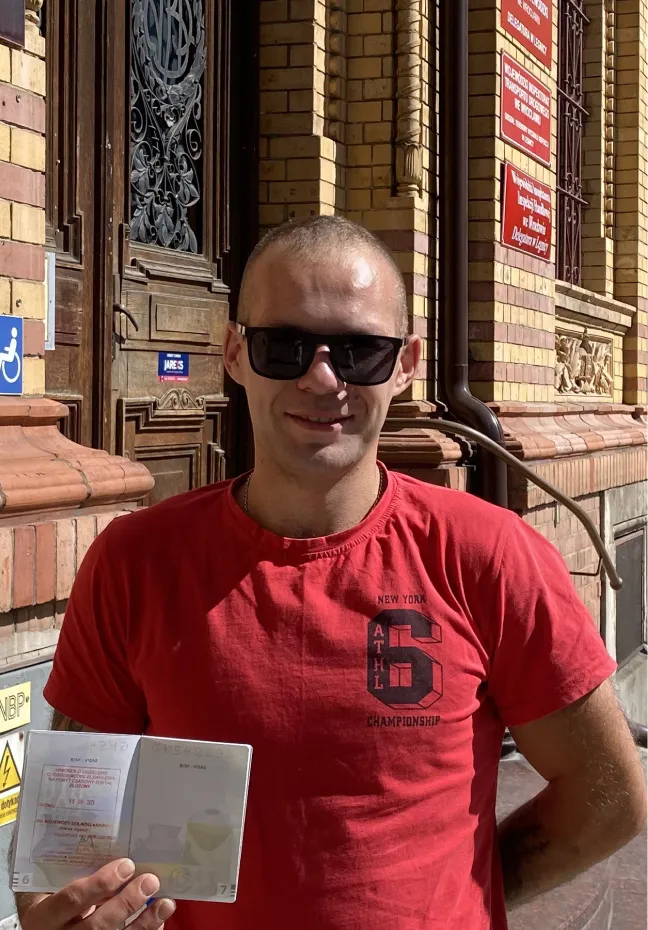
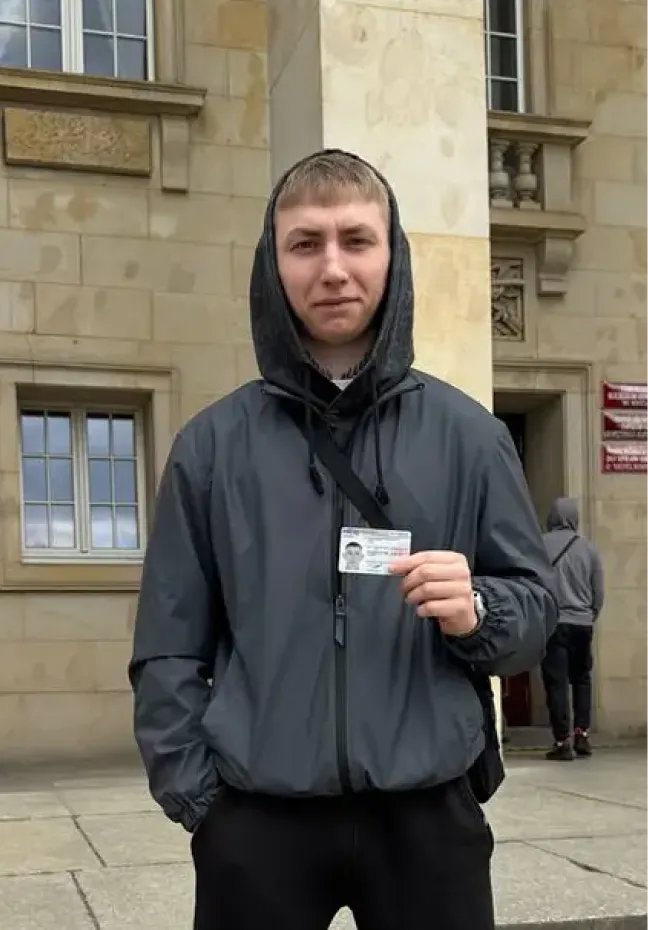
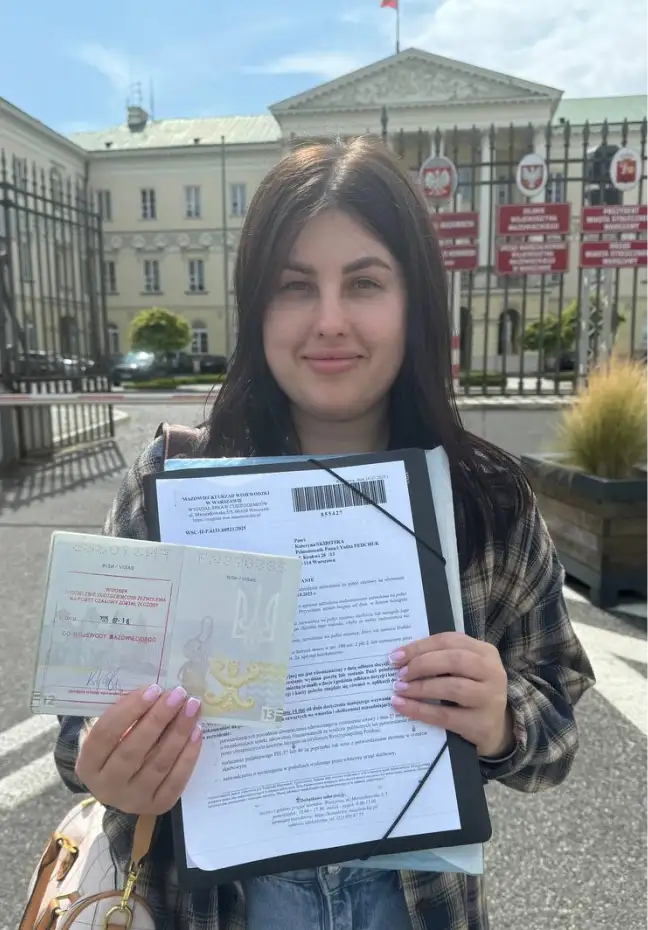
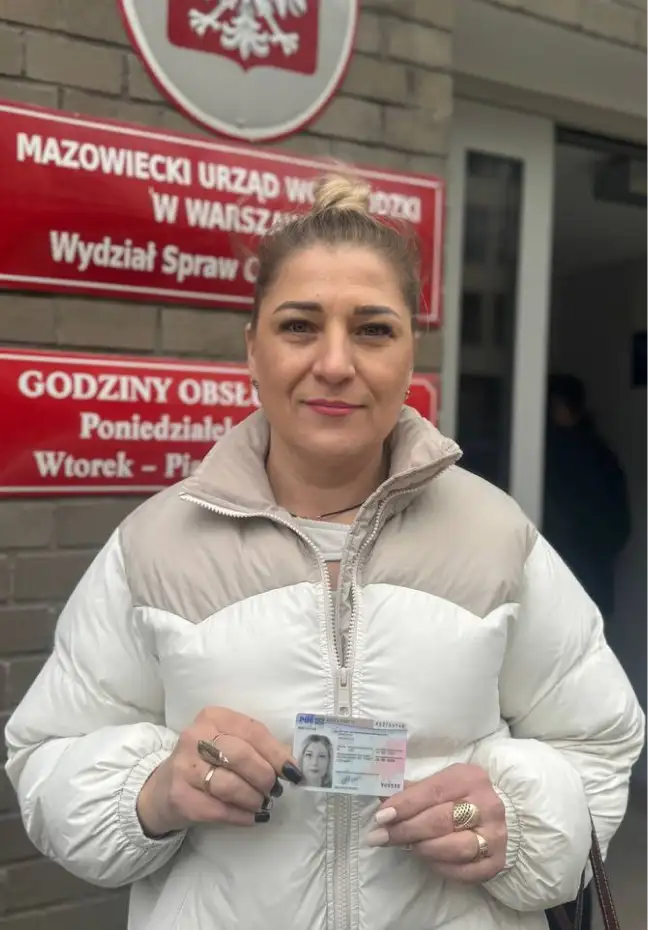
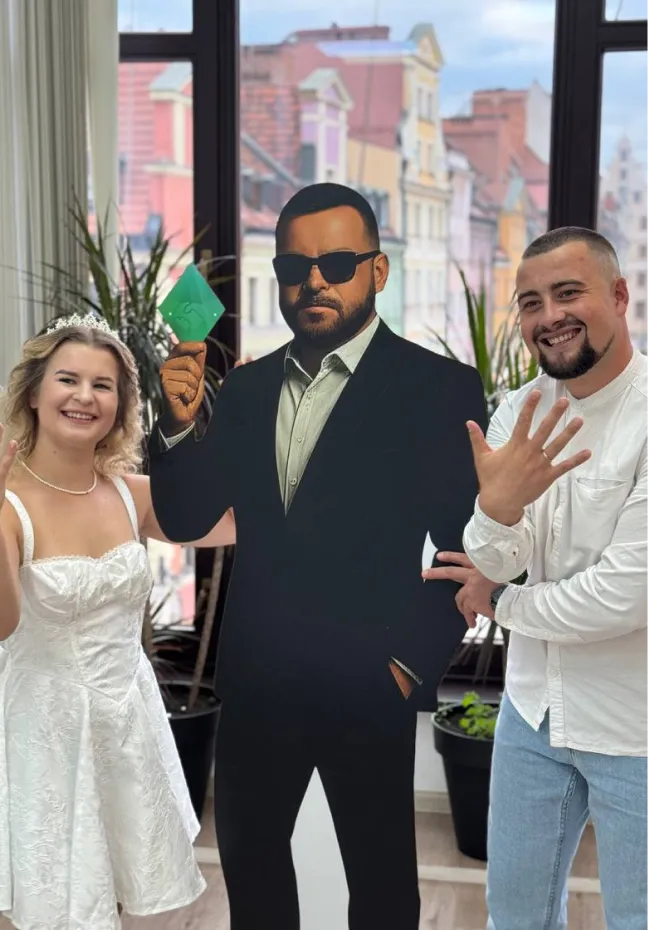
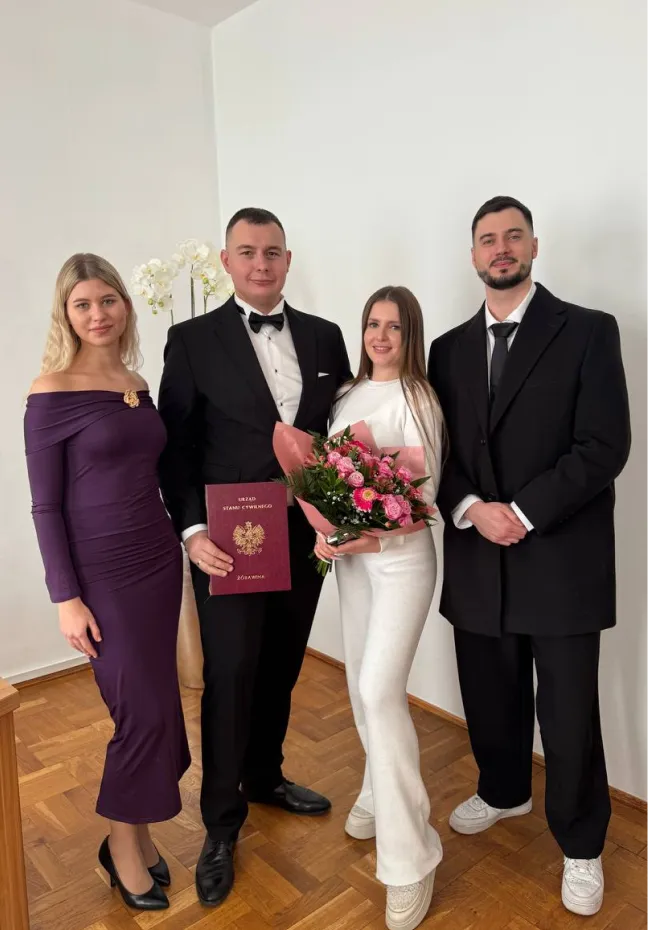
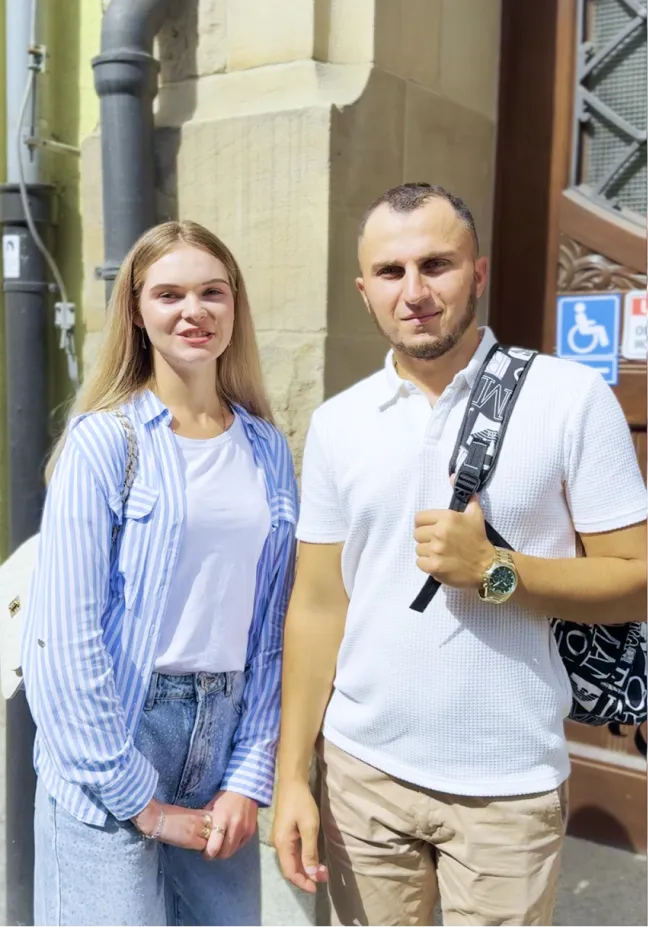
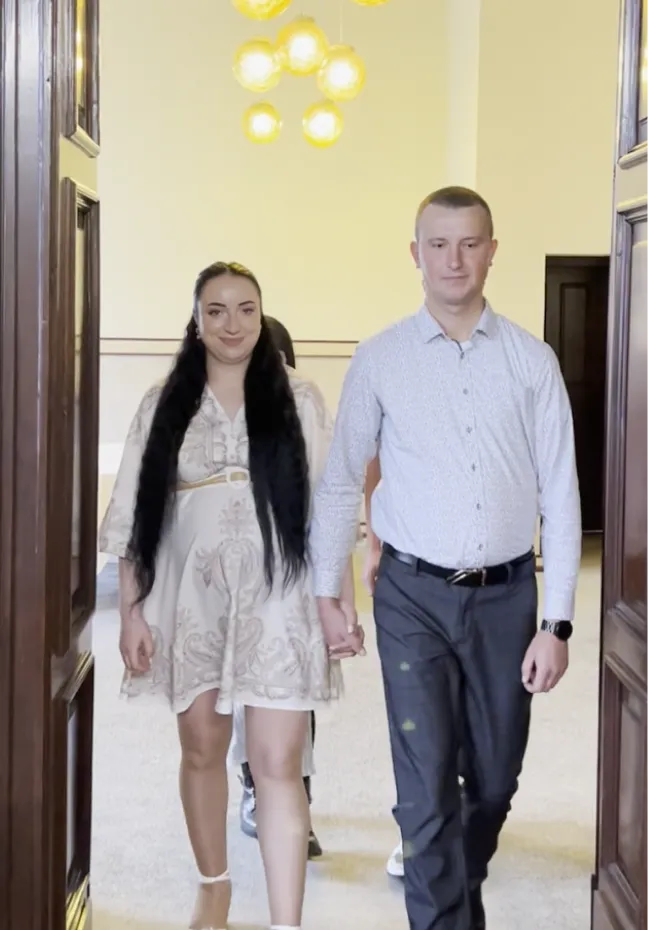
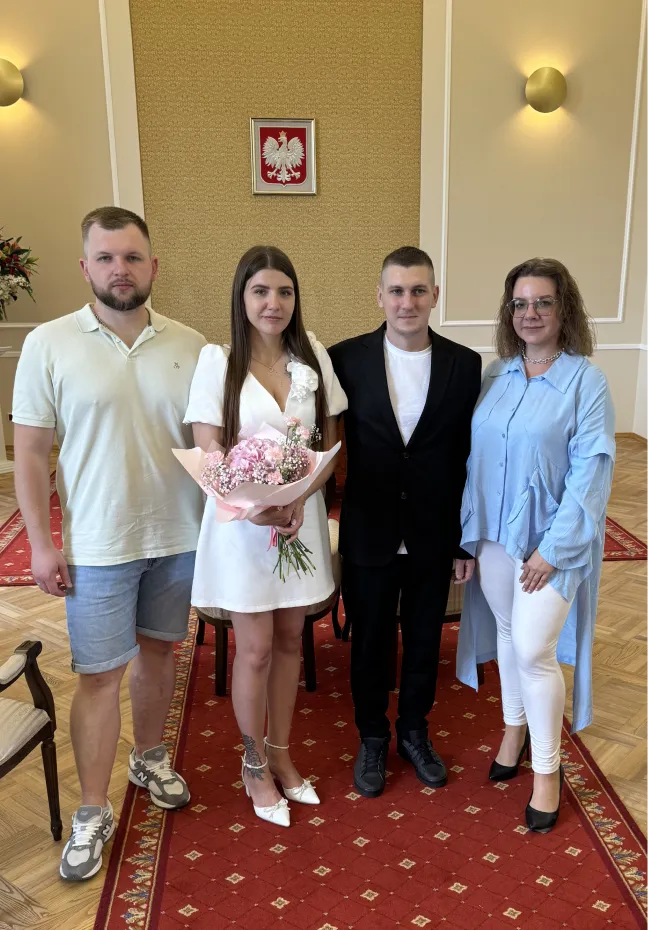
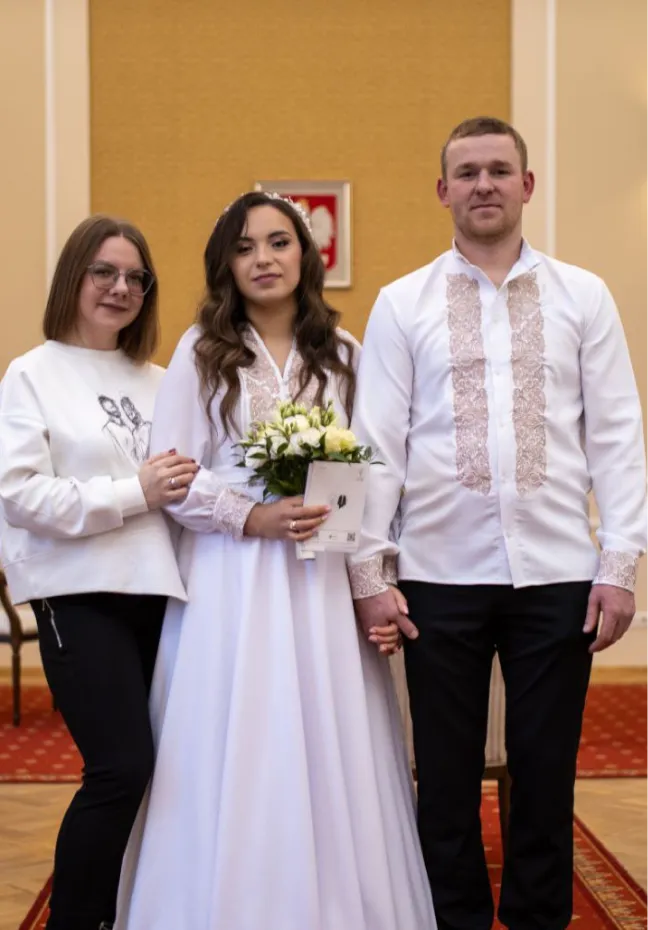
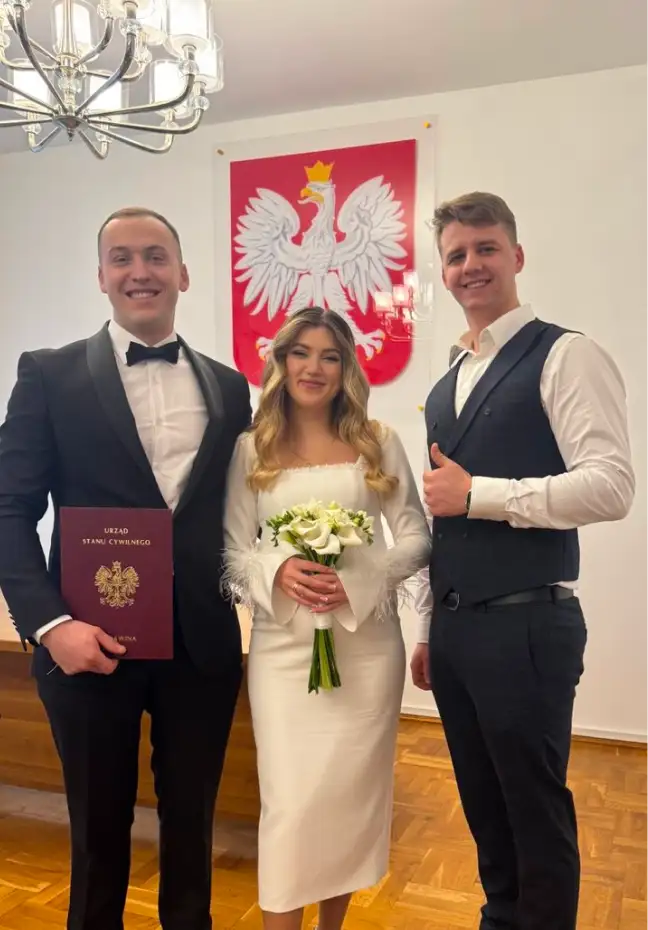
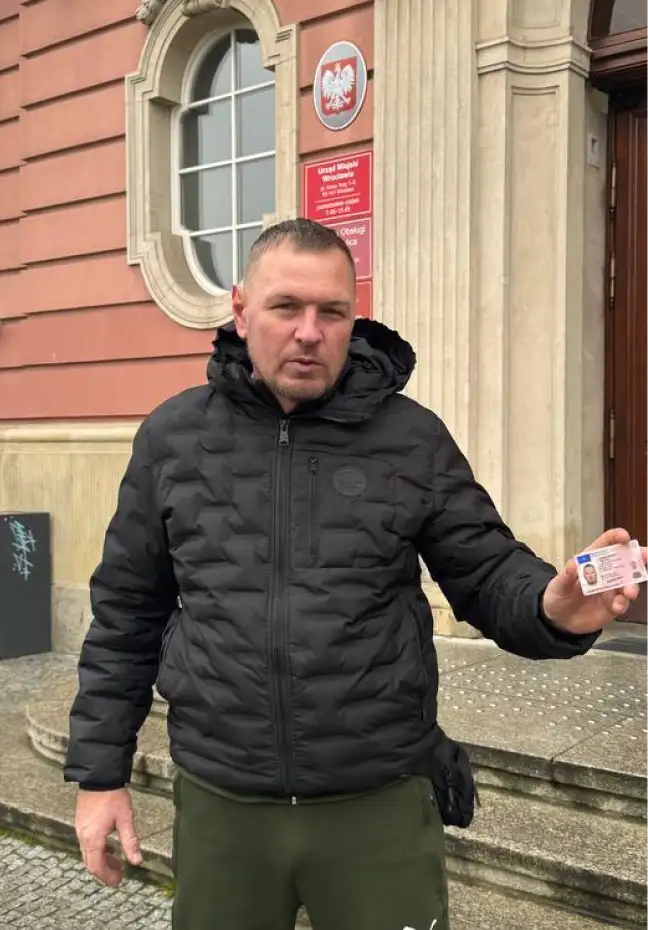
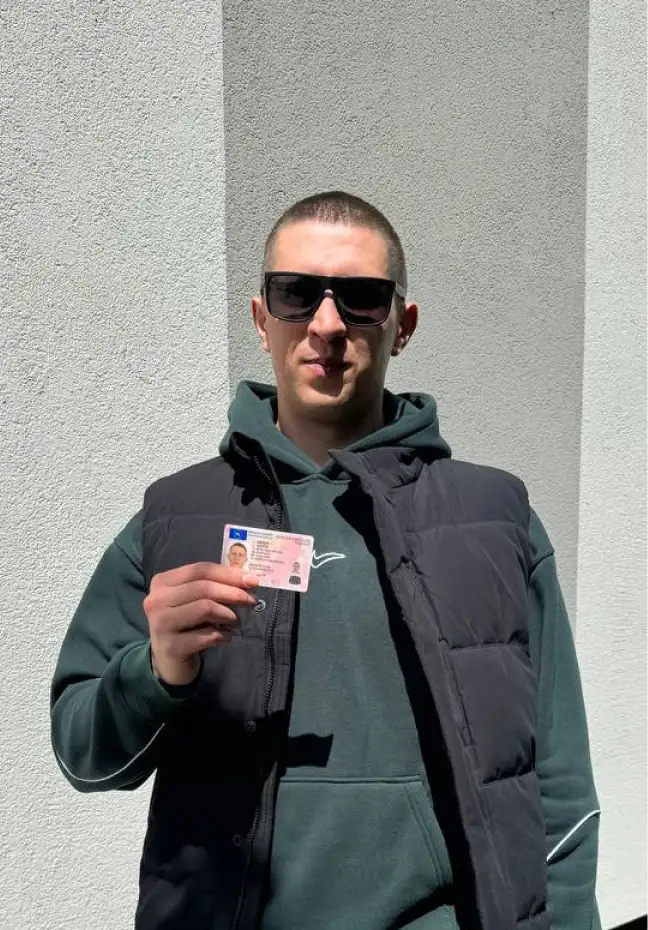
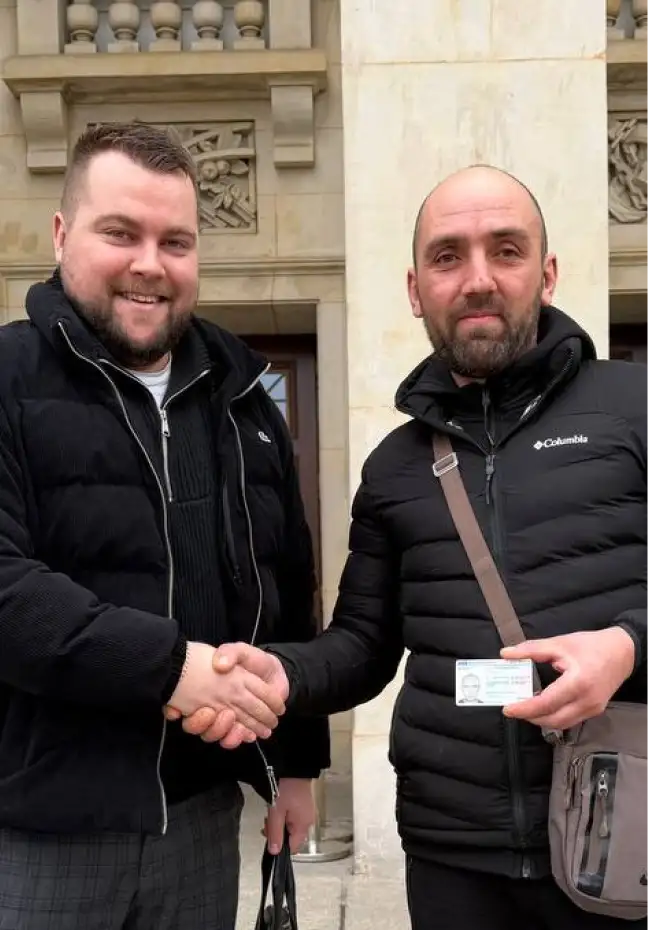
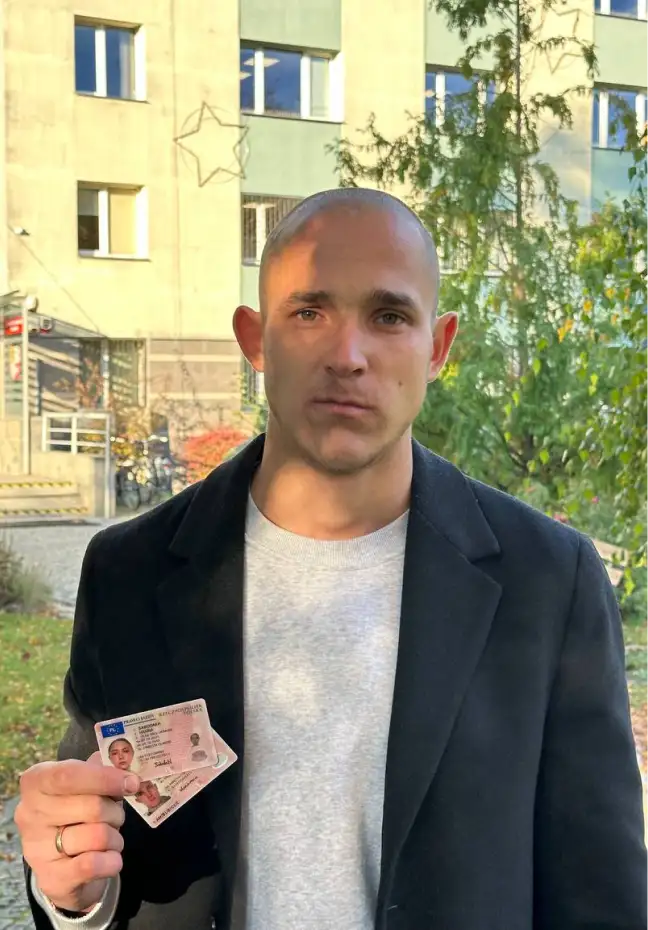
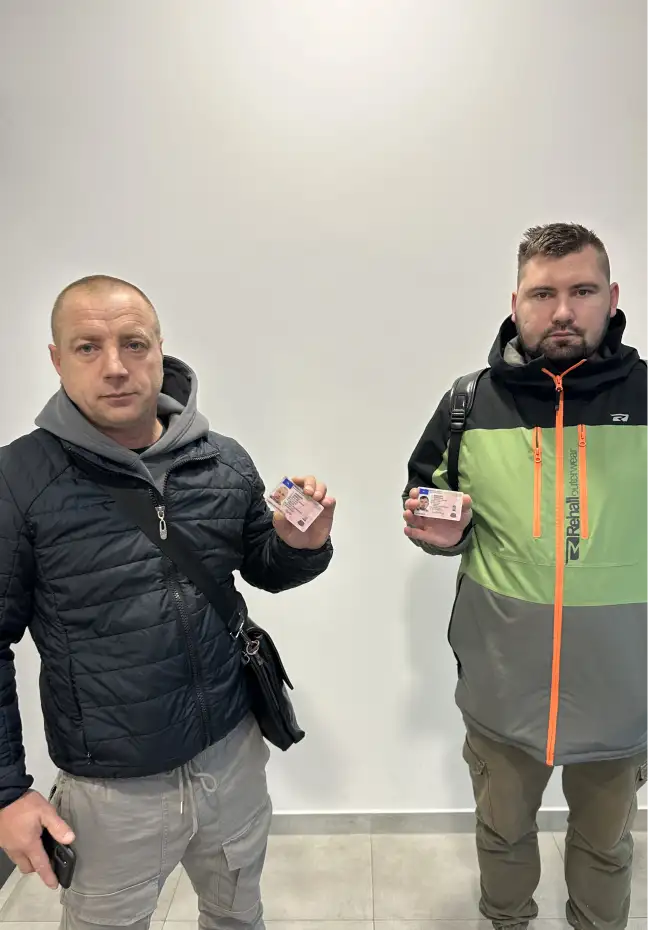
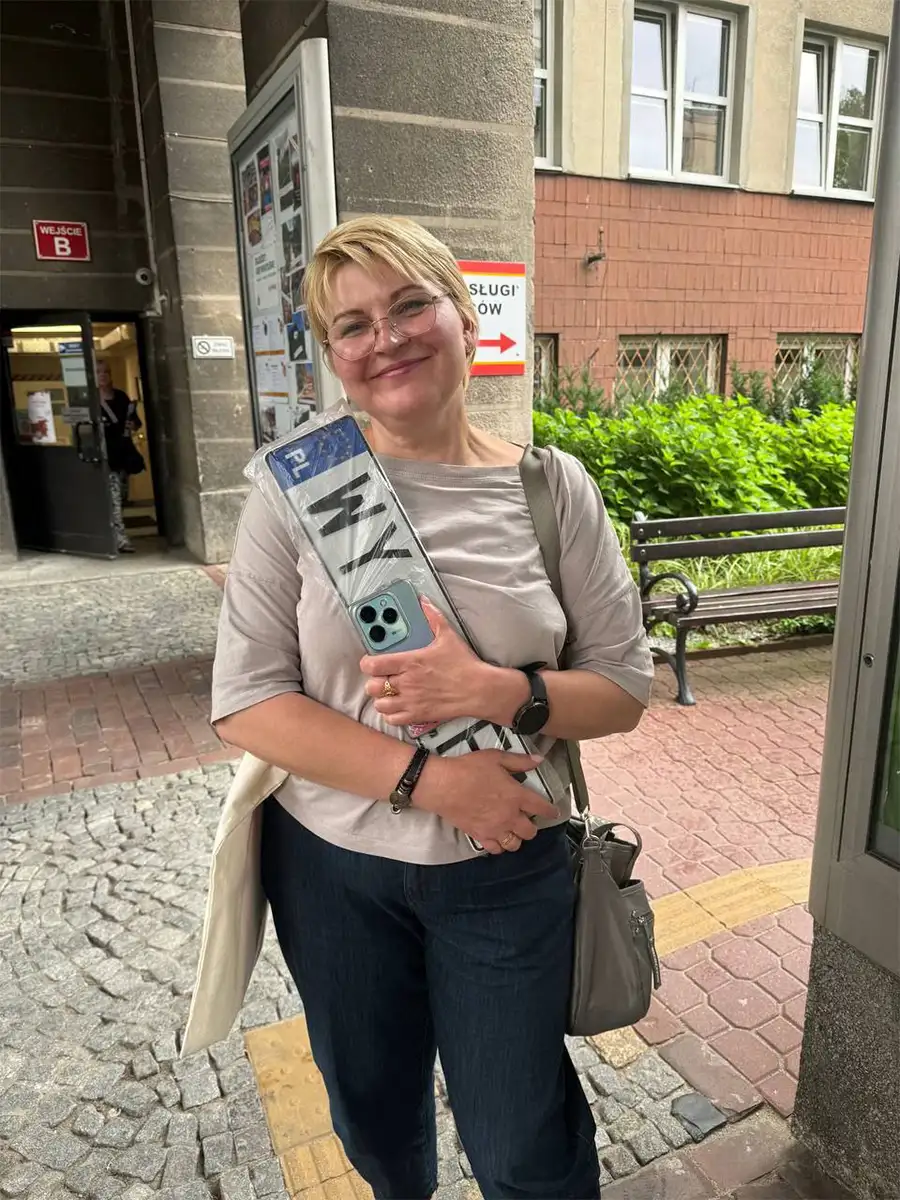
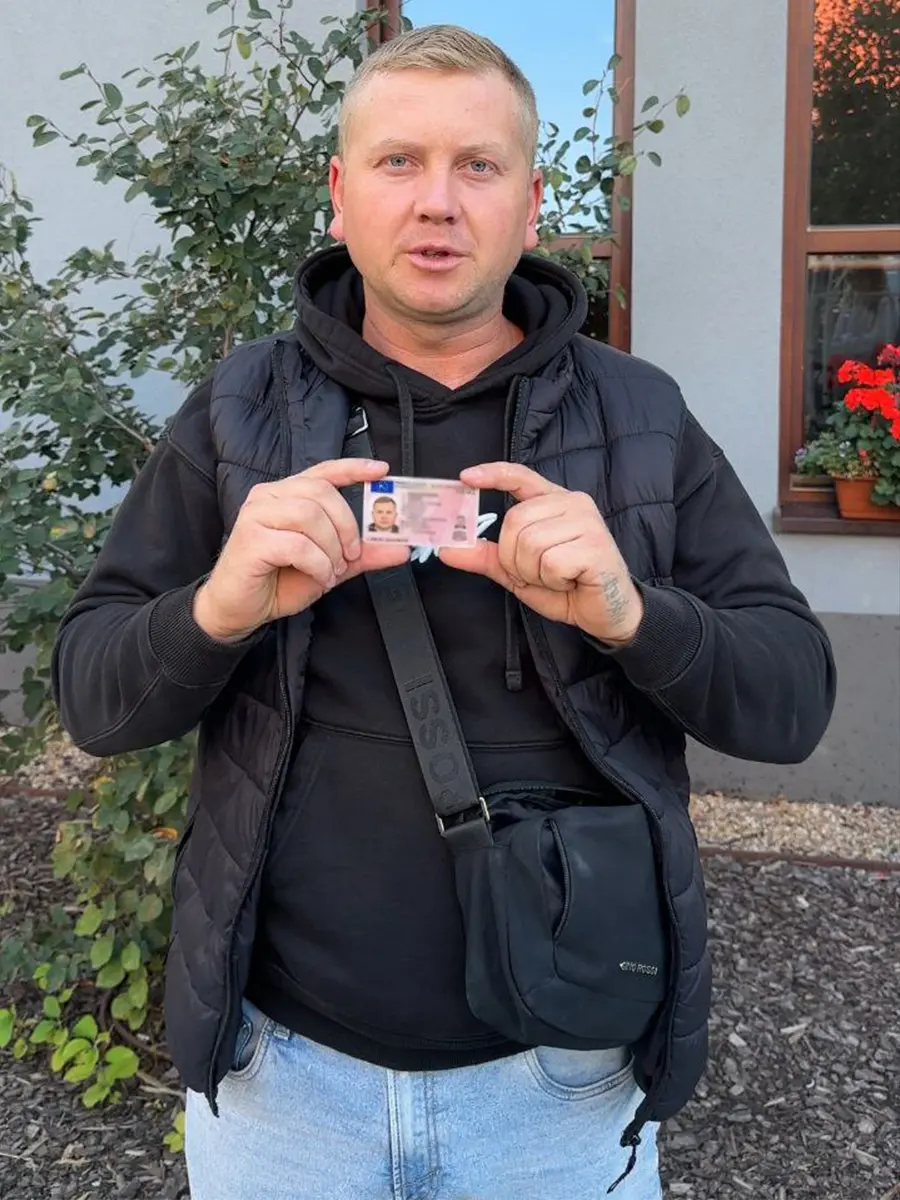
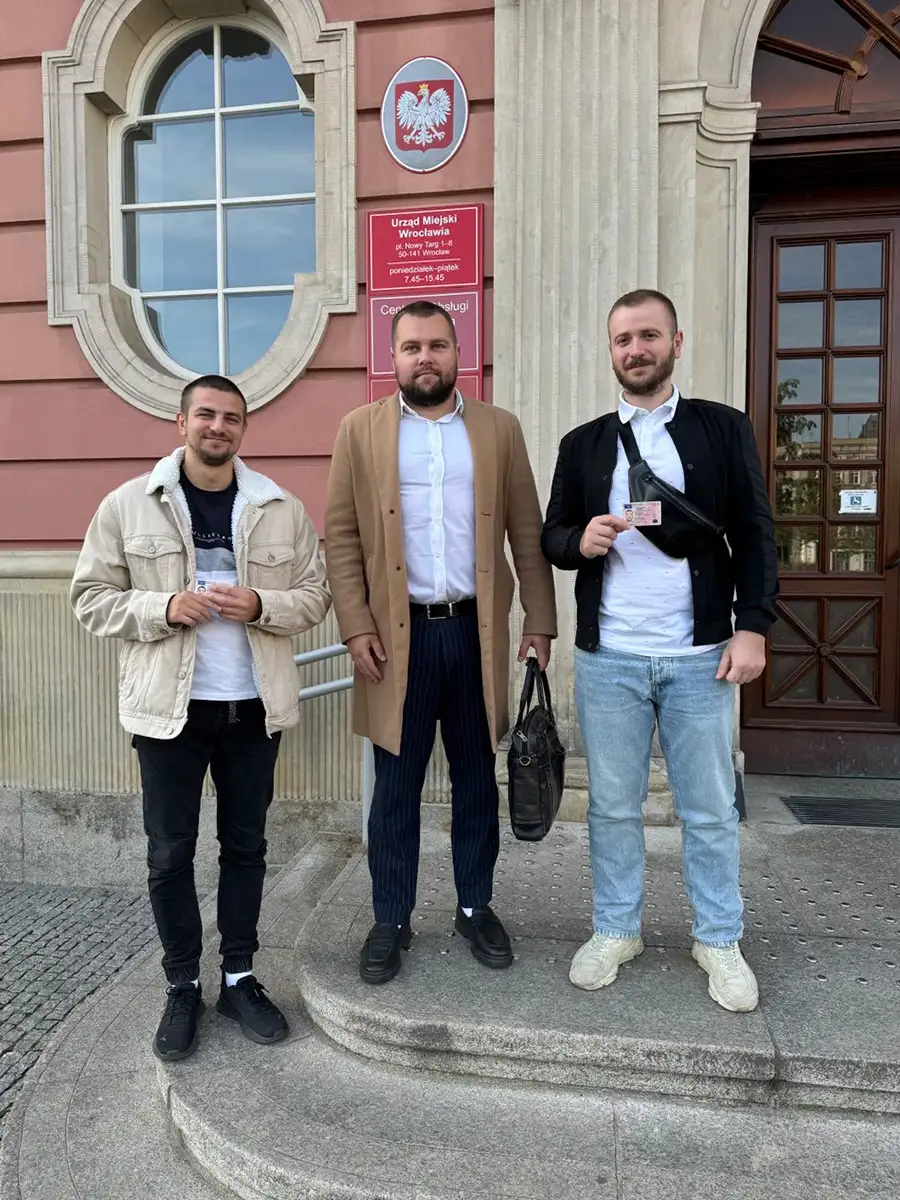
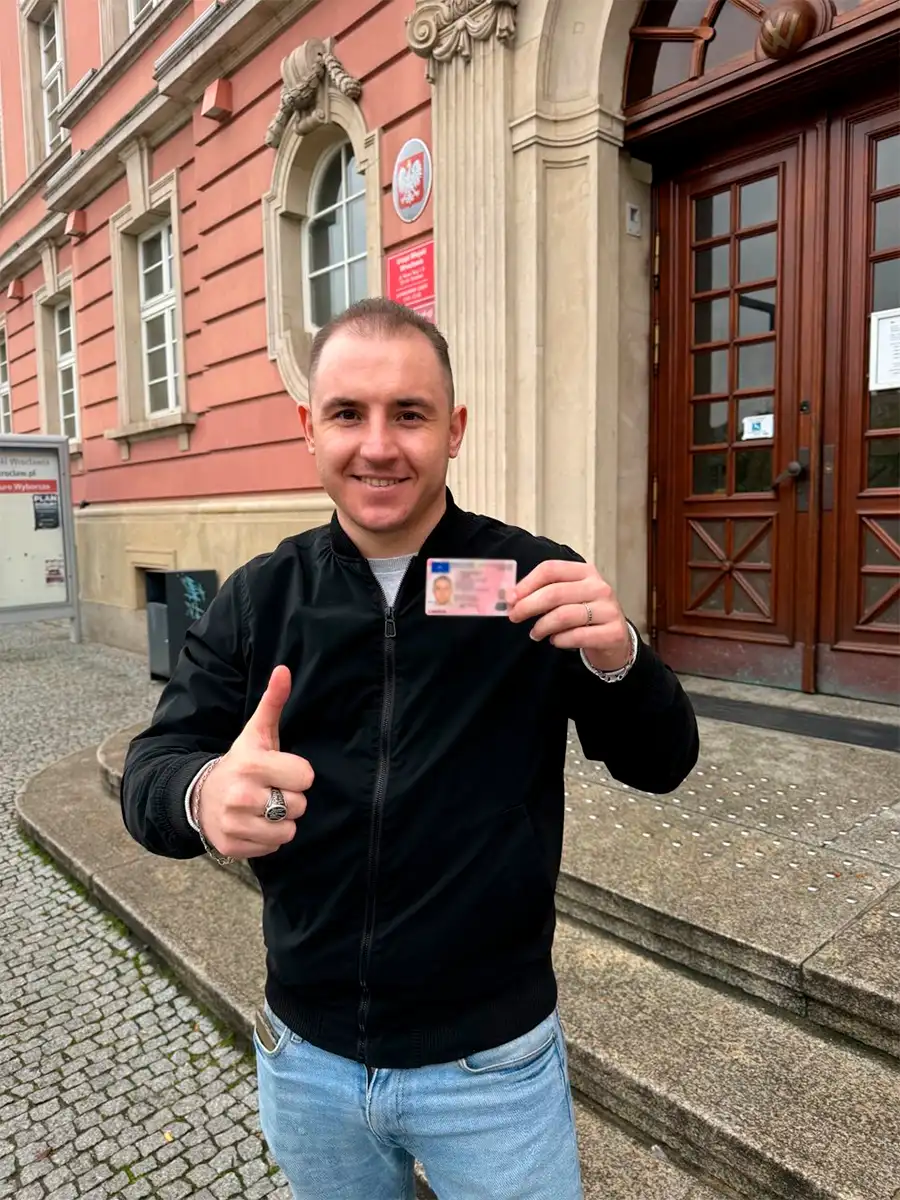
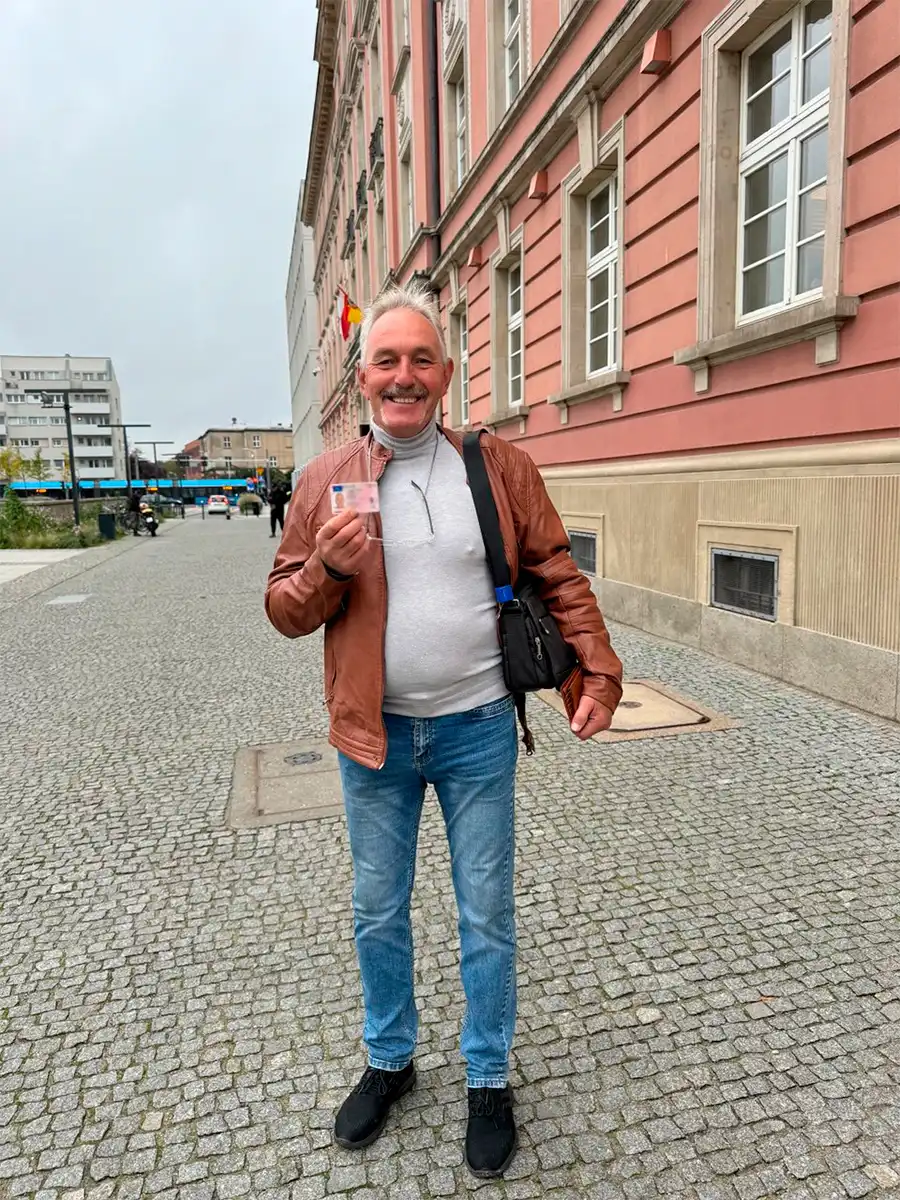
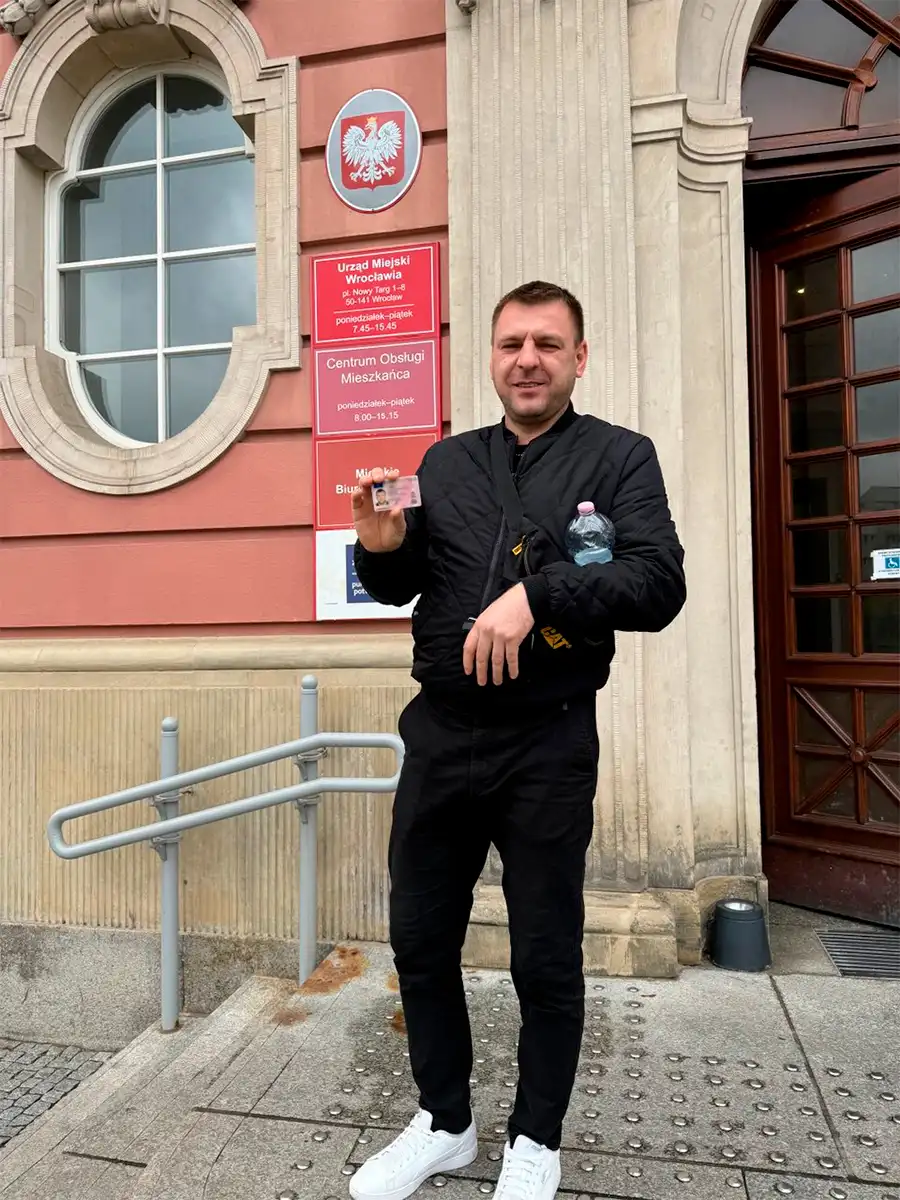
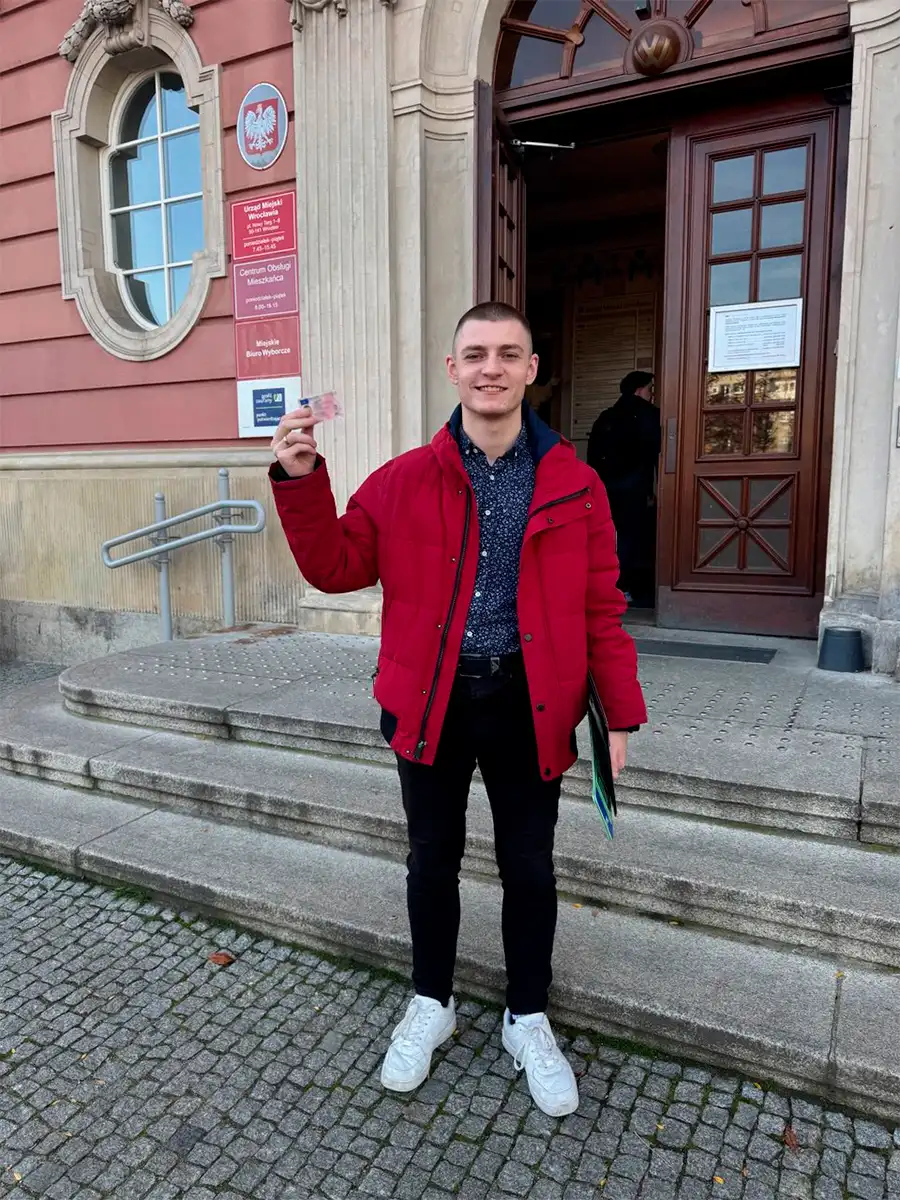
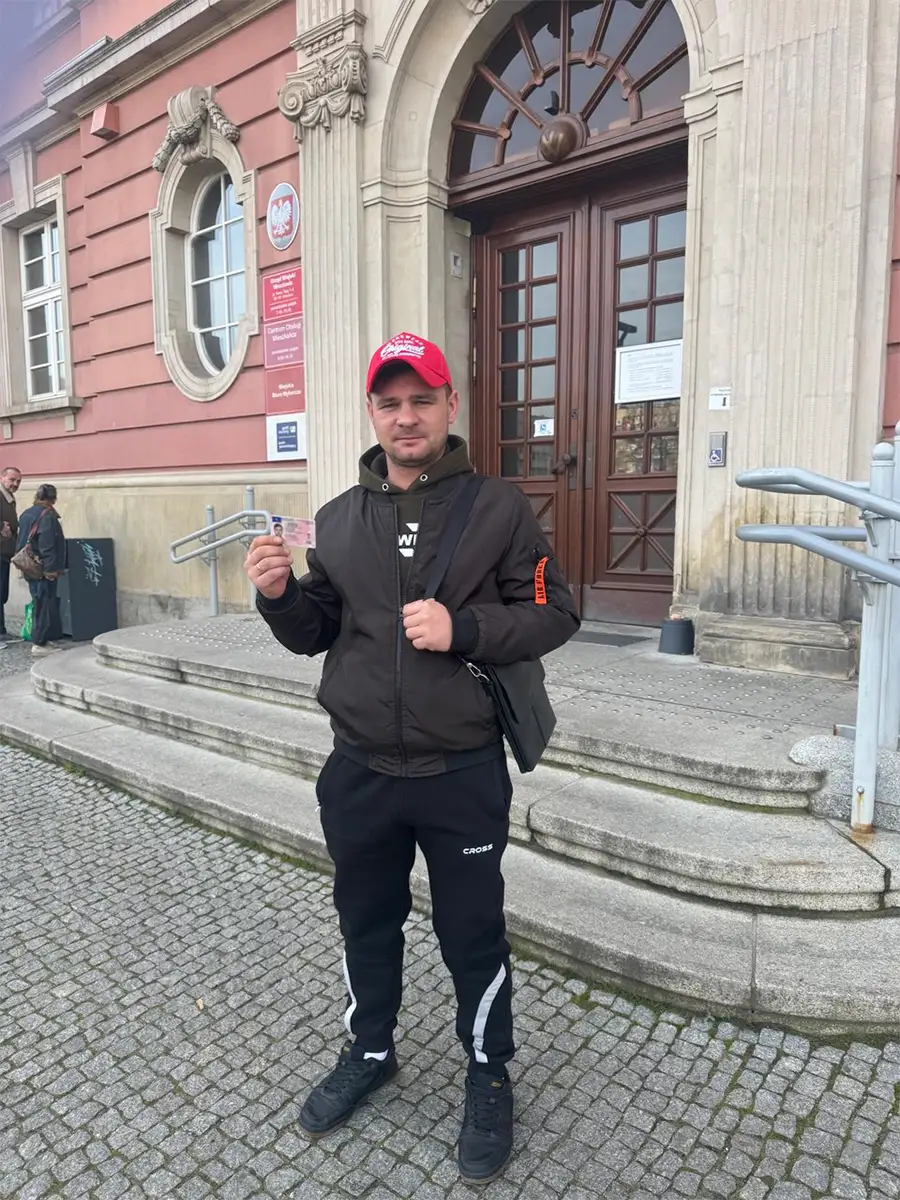
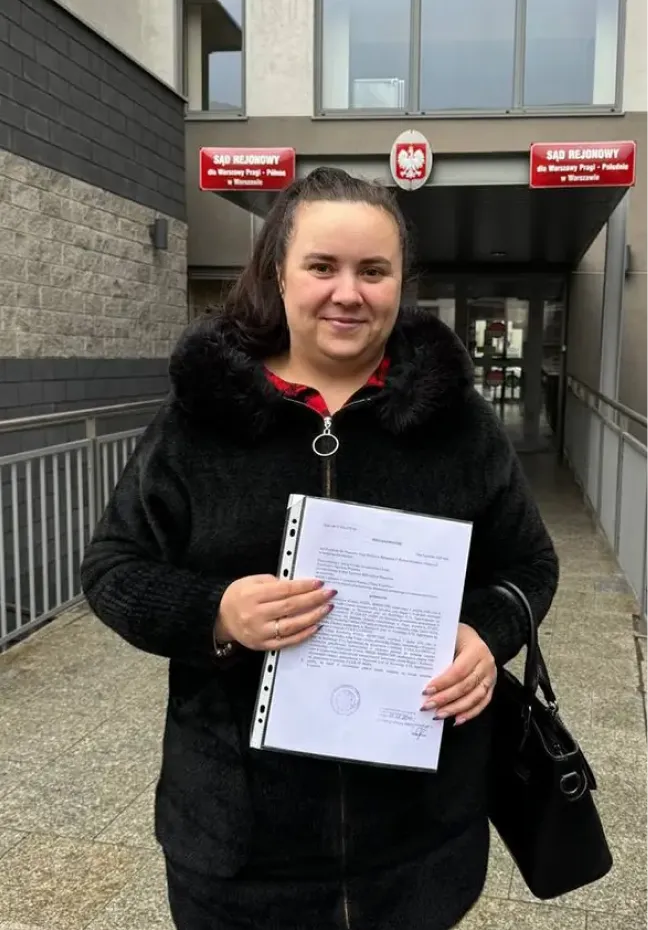
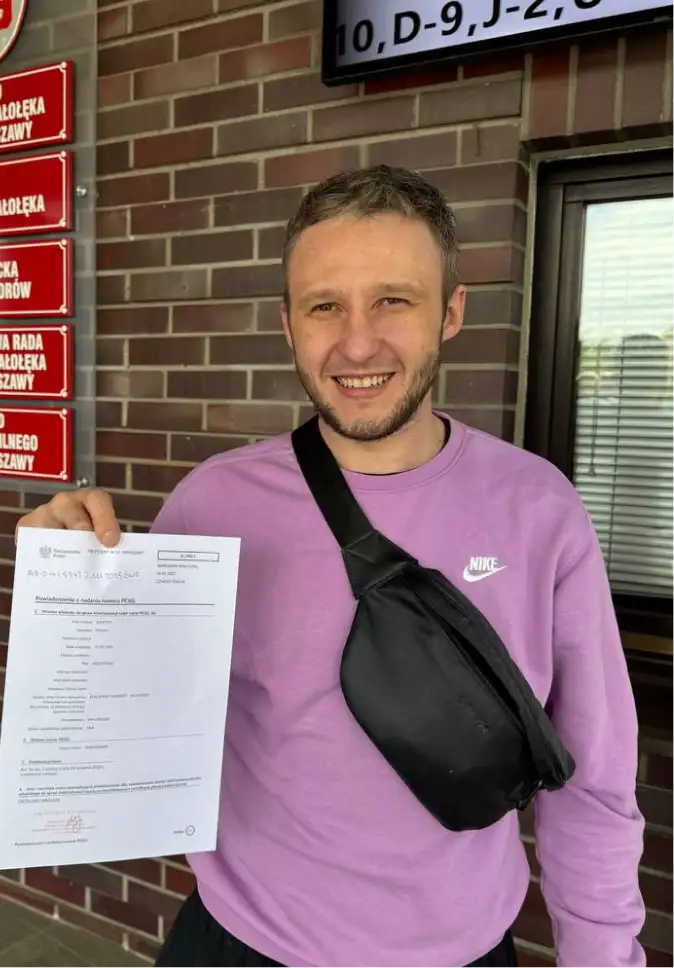
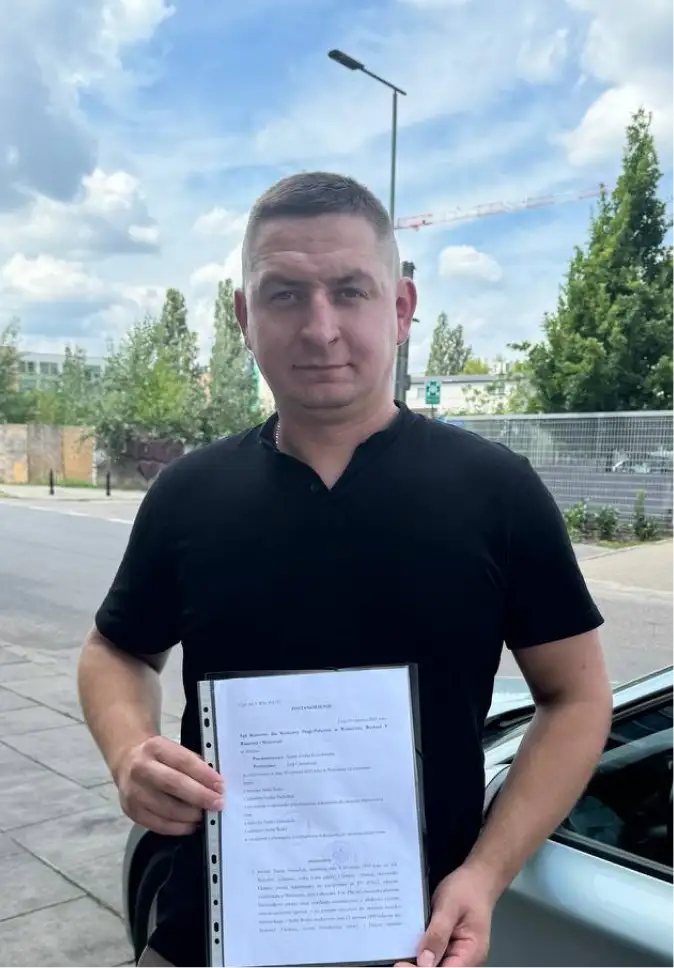
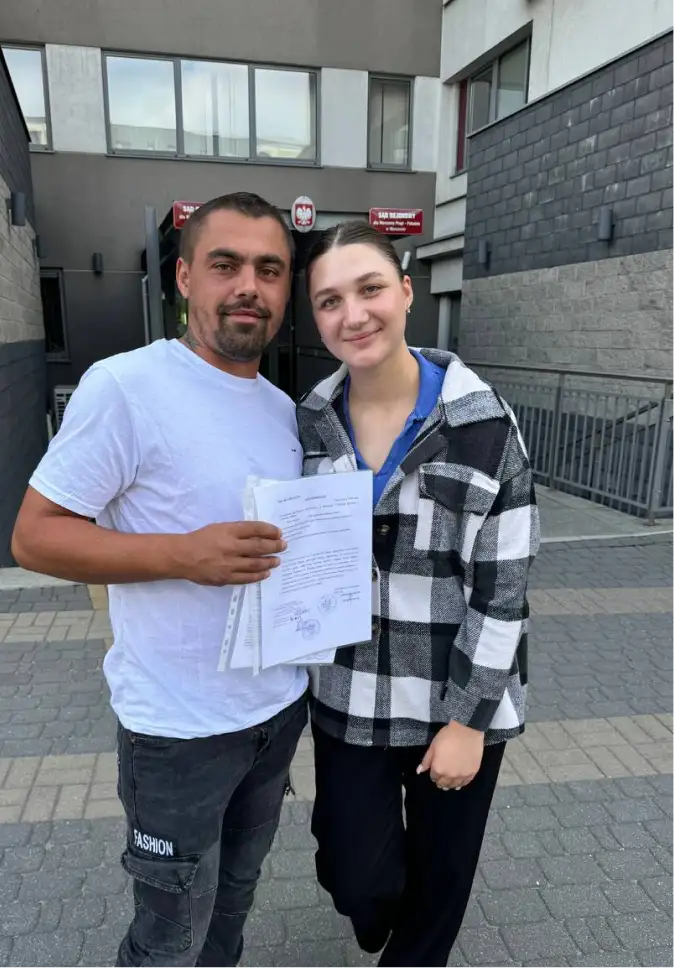
Client Photo Reviews








Video Testimonials
The most common Question
We answer the most common questions to make everything clear and simple for you.
Yes. If the purpose of a foreigner’s stay in Poland is employment, but they wish to change their employer while their stay is still being legalized (i.e. before receiving the final decision), this is possible. It is necessary to submit an application for a change of employer, collect all required documents from the new employer, and submit them to the relevant voivodeship office.
The following documents are required for vehicle registration in Poland: 1) Vehicle registration card (Karta pojazdu) — as of 04.09.2022, this document is no longer required; 2) Vehicle registration certificate (Dowód rejestracyjny). If unavailable, a declaration of its absence may be required; 3) Sales agreement (purchase contract) or invoice; 4) License plates; 5) Power of attorney to be signed (provided by our employee). You must also have the following valid documents: - Meldunek (address registration) valid for at least one day; - Valid technical inspection certificate; - Insurance policy; - Visa, residence card, or a passport stamp confirming legal stay (including a pending residence card decision).
A residence card is a document that allows a person to live and work in Poland without the need for a visa. There are several types of residence cards: Temporary Residence Card (Karta czasowego pobytu) — a document confirming that a temporary residence permit has been granted in Poland. It is issued for a period of up to 3 years. Permanent Residence Card (Karta stałego pobytu) — a document confirming that permanent residence has been granted. Its main advantage is that it is granted for an indefinite period; however, the physical card itself must be renewed every 10 years.
A Temporary Residence Card is a document that allows a foreigner to stay in Poland for more than 90 days. It is issued for a period of up to 3 years. The card serves as proof of identity and confirms the holder’s legal stay in the country. It also allows the holder to cross the Polish border during the validity period specified on the card.
A Permanent Residence Card is a document confirming the right to live in Poland indefinitely. However, the physical card itself must be renewed every 10 years.
Stay under the visa-free regime is considered short-term and is limited to a maximum of 90 days within any 180-day period. In practice, this works as follows: when checking compliance with the visa-free stay limit, border authorities calculate the number of days a foreigner has spent in the Schengen Area during the 180 days preceding the date of inspection. If there was a 90-day break between trips to the Schengen countries, the previous 180-day period is no longer taken into account. After such a break, the holder of a biometric passport again has the right to stay in the Schengen Area for up to 90 days. If there was a 90-day break between trips to the Schengen countries, the previous 180-day period is no longer counted — after such a break, the holder of a biometric passport again has the right to stay in the Schengen Area for up to 90 days.
Yes, temporary protection may be granted again after arrival in Poland. In this case, upon entry, you must inform the authorities that you are entering Poland due to the hostilities in Ukraine. If you enter Poland through the Polish border, which is also the external border of the Schengen Area, temporary protection is granted automatically. Temporary protection status may also be restored by submitting a new application for a PESEL number. The authority responsible for registering this data is the municipal office (gmina), as in the case of the initial PESEL application. After reapplying for a PESEL number, the existing number will be updated by reassigning UKR status to it. Please note that the final decision on admitting a citizen of Ukraine to the territory of Poland or refusing entry remains solely with the Border Guard of the Republic of Poland. Temporary protection status may also be restored after submitting a new application for a PESEL number. The authority responsible for registering this data is any municipal office (gmina), just as in the case of the first PESEL application. After reapplying for a PESEL number, the existing number will be updated by reassigning the UKR status to it. Please note that the final decision on admitting a citizen of Ukraine to the territory of Poland or refusing entry remains solely with the Border Guard of the Republic of Poland.
If you want to get married quickly and in a beautiful location, we can offer marriage registration in Georgia. In just 2 days, your marriage can be officially registered. What is required? For official marriage registration in Georgia, only your passports used to enter Georgia, their properly notarized translations, and two witnesses are required. If either of you was previously married, a divorce certificate is also required. If you have children together, their birth certificates must also be provided. No additional certificates are needed.
PESEL (Powszechny Elektroniczny System Ewidencji Ludności) is a personal identification number assigned to each individual for identification purposes. An application must be submitted to the city office or the gmina office — a local administrative authority in Poland. A photograph must be attached to the application. When submitting the documents, fingerprints must be taken, except for children under the age of 12. The application must be submitted in person. The presence of a child under the age of 12 is not required when submitting the application, except in cases where the child’s identity must be confirmed on the basis of the application. An application on behalf of a child may be submitted by one of the parents, a legal guardian, a foster parent, a temporary guardian appointed by the court, or a person who actually takes care of the child.
The EU Blue Card is a special temporary residence permit for highly qualified professionals, such as software developers, department managers, and HR specialists. It is issued for a period of up to 3 years.