

EU Long-Term Resident Card
The EU Long-Term Resident Card is a permanent residence status within the European Union that grants a foreign national highly stable rights without the need to regularly renew a temporary residence permit. In practice, it is one of the strongest legal statuses for living and working in Poland and across the EU.
EU Long-Term Resident Card:
What You Need to Know Before Applying
-
What Is the EU Long-Term Resident Card?
The EU Long-Term Resident Card (zezwolenie na pobyt rezydenta długoterminowego UE) is a permanent residence status granted to foreign nationals after many years of legal stay in an EU country.
Unlike:
- a temporary residence card,
- or even a permanent residence card (settlement permit),
EU long-term resident status:
- does not have a limited validity period (the physical card is renewed for technical reasons only),
- provides extended rights in other EU countries,
- is a logical step toward citizenship — without requiring you to renounce your original passport.
-
How the EU Long-Term Resident Card Differs from Permanent Residence (Settlement Permit)
This is a very common question, and the difference is fundamental.
Permanent Residence (Settlement Permit):
- is tied specifically to Poland;
- is based on a particular legal ground (heritage, marriage, long-term stay, etc.);
- does not provide full mobility within the EU.
EU Long-Term Resident Status:
- is recognized at the European Union level;
- allows relocation and legalization in other EU countries under simplified procedures;
- has more flexible rules regarding absence from Poland.
For this reason, many people consciously skip permanent residence and apply directly for EU long-term resident status.
-
Who Can Obtain the EU Long-Term Resident Card?
Most commonly, applicants are foreign nationals who:
- have legally resided in Poland and the EU for at least 5 years;
- have maintained continuous and lawful status (residence cards, EU Blue Card, etc.);
- have stable and regular income;
- have secured accommodation and health insurance;
- demonstrate Polish language proficiency at a minimum level of B1.
However, a key nuance is that not all five years are counted equally — and this is where most mistakes occur.
-
Which Periods Count Toward the 5-Year Requirement?
The qualifying period may include:
- residence based on a temporary residence card (work, business, family);
- EU Blue Card status (including time spent in other EU countries);
- other legal statuses recognized by law.
The following periods are not counted or are counted only partially:
- short-term visas;
- certain types of study;
- periods of illegal stay;
- extended absences from the EU.
That is why it is essential to conduct a proper residency audit before applying, rather than estimating the period informally.
-
How We Help with the EU Long-Term Resident Card
- Comprehensive analysis of your residence history over the years;
- Verification of qualifying periods and absences;
- Assessment of income, insurance, and accommodation requirements;
- Preparation for the language exam or verification of exemption grounds;
- Application submission, case monitoring, and responses to official requests;
- Receiving the decision and the residence card.
Get a Free Consultation Right Now!
Leave a request and we will consult you as quickly as possible!
Video Testimonials
Our specialists are always ready to provide assistance and support on
at each stage of cooperation

Owner of VisaV.pl / Board Community Member

Head of VisaV.pl

Head of the legalization department, expert in document processing in Poland

Legalization specialist in Warsaw.

Sales Manager, Communication and Customer Service Expert

Specialist in marriage registration and document processing

Legalization Specialist

SMM Specialist

Accounting Specialist

Legalization Specialist

Administrator

U.S. Marriage Organizer

Marriage Department Technical Specialist
Partner in Europe
We don't just provide services – we help you achieve your goals.
Our approach is based on trust, quality and individual approach. We work to ensure that each client receives a quick, convenient and effective solution to their issues.
We analyze your situation in detail and offer solutions that best suit your needs.
We work quickly without losing quality, and guarantee 100% compliance with legal requirements.
Our team is made up of experts who have helped thousands of clients with legalization and documents.
We accompany you at every stage, providing detailed advice and assistance in any issues.
The VisaV.pl team speaks Ukrainian and Russian, which makes communication easier for clients from the CIS countries.
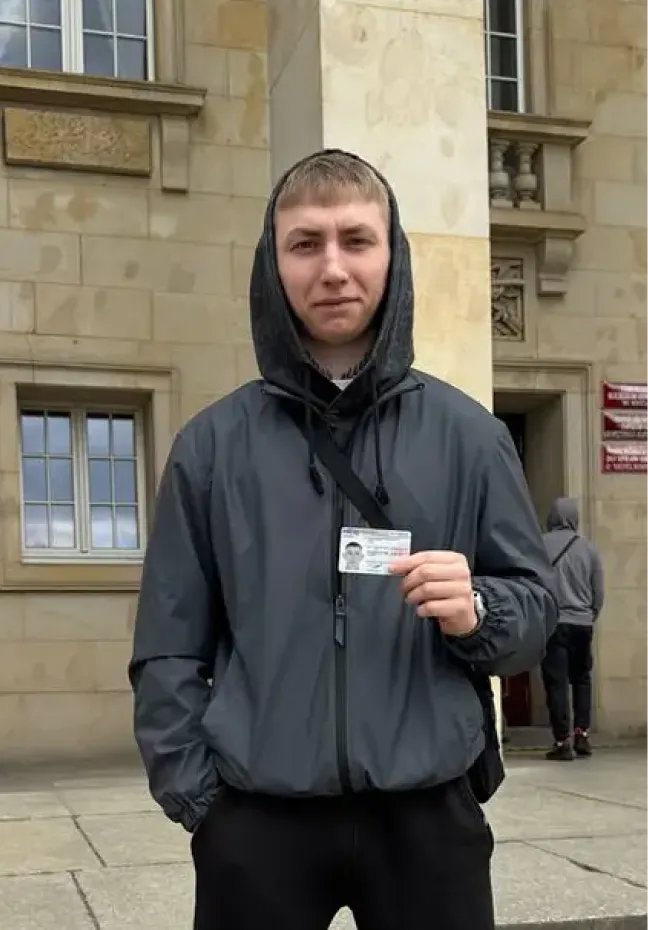
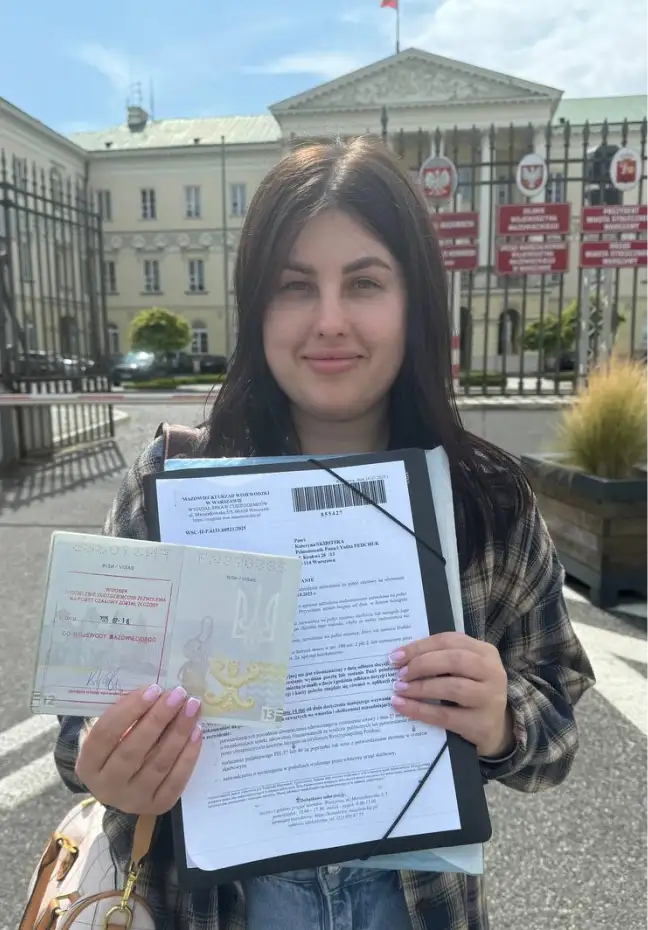
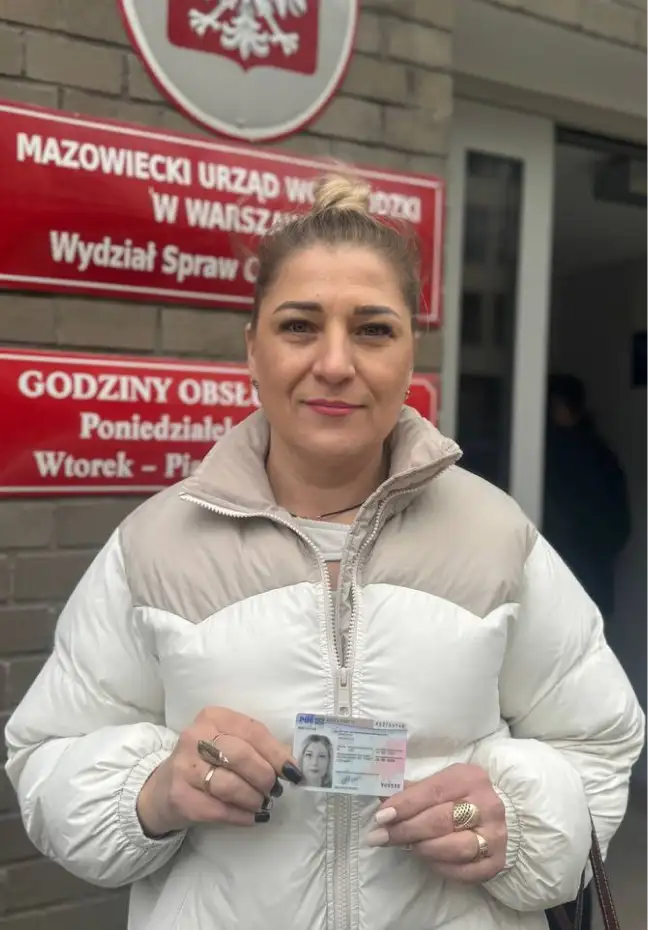
Client Photo Reviews
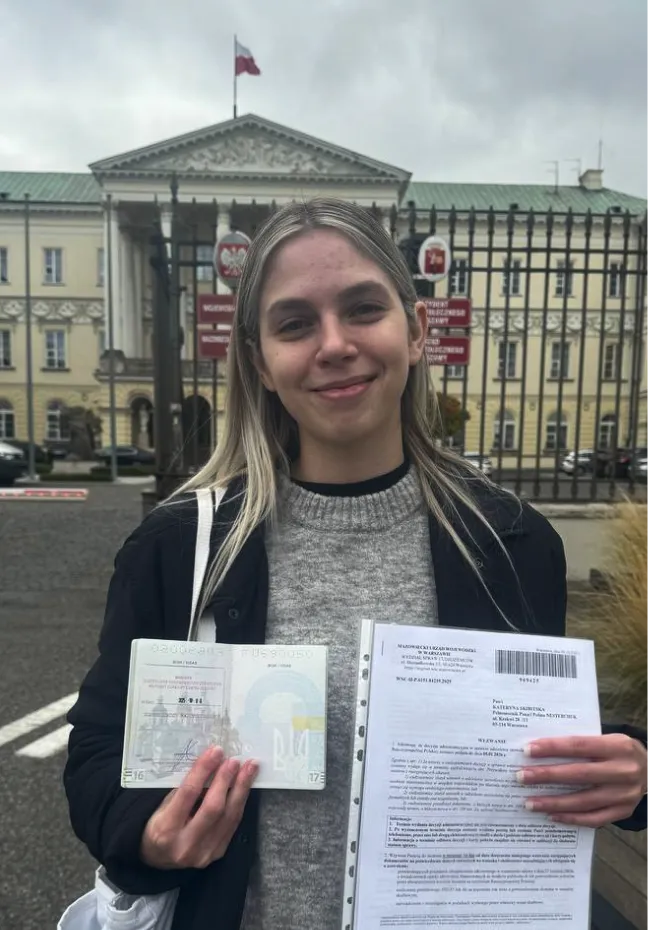










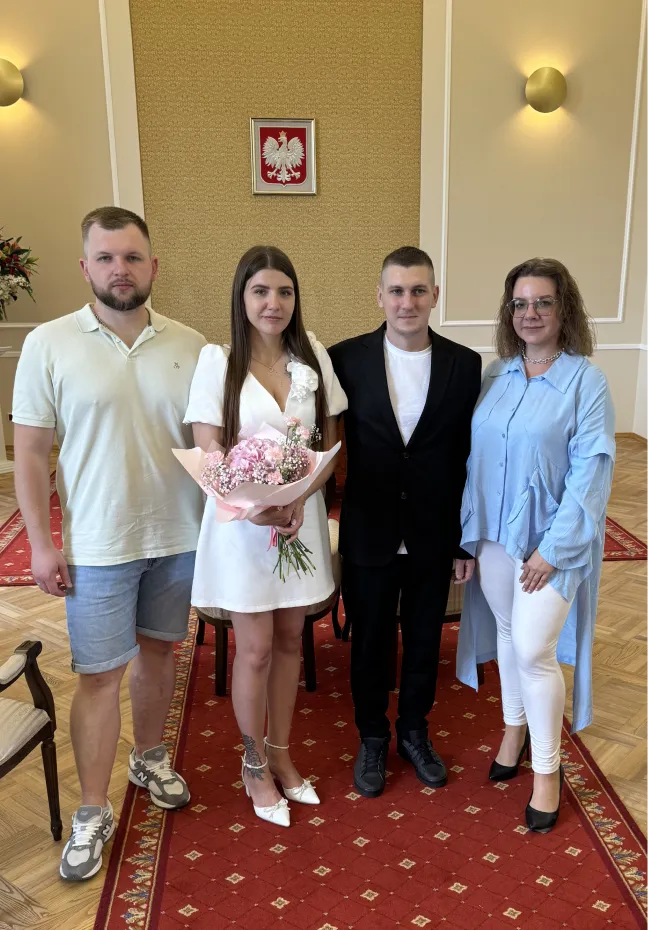


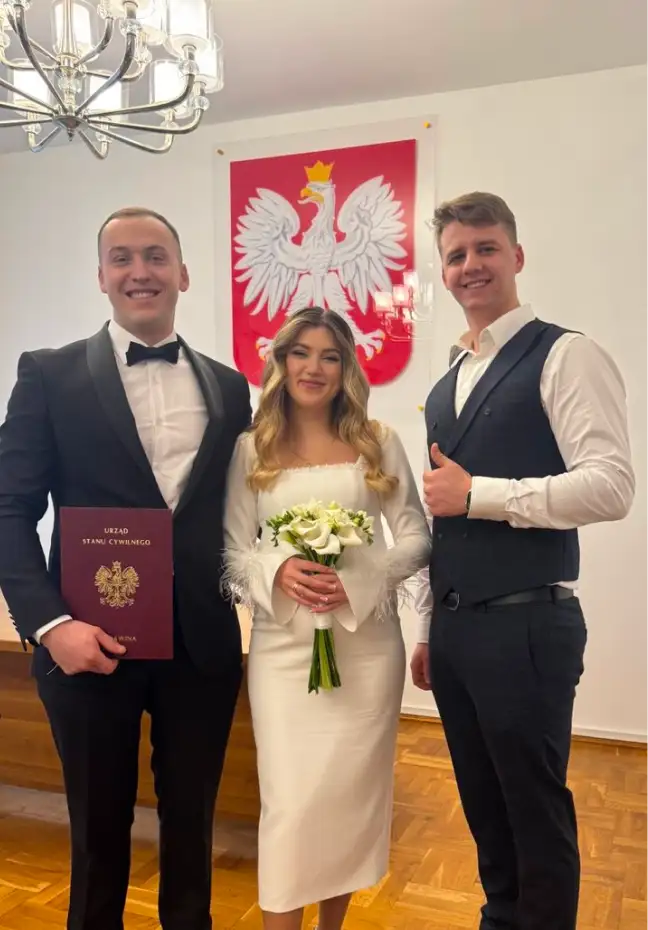

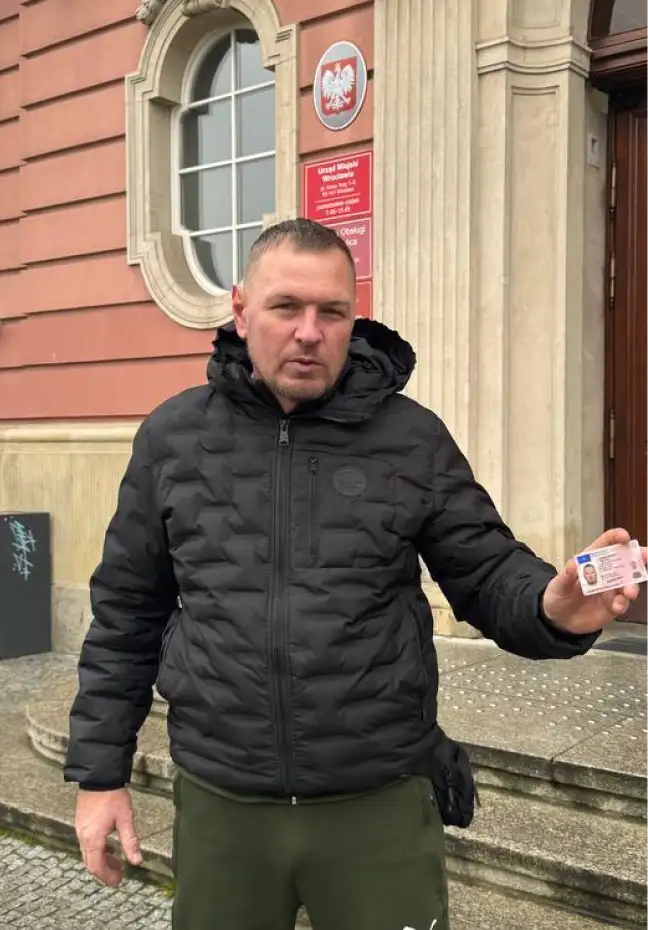


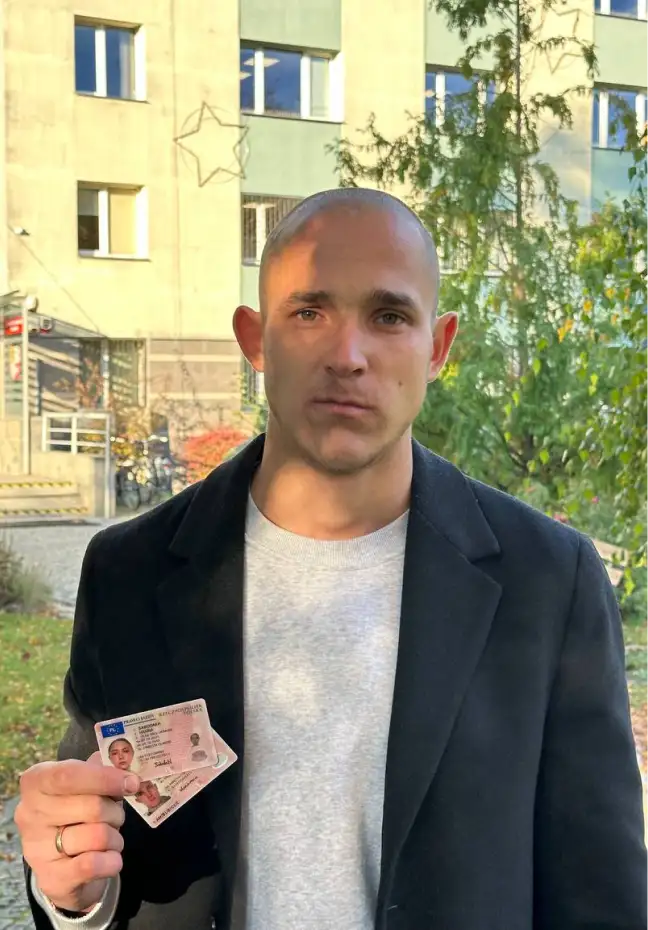
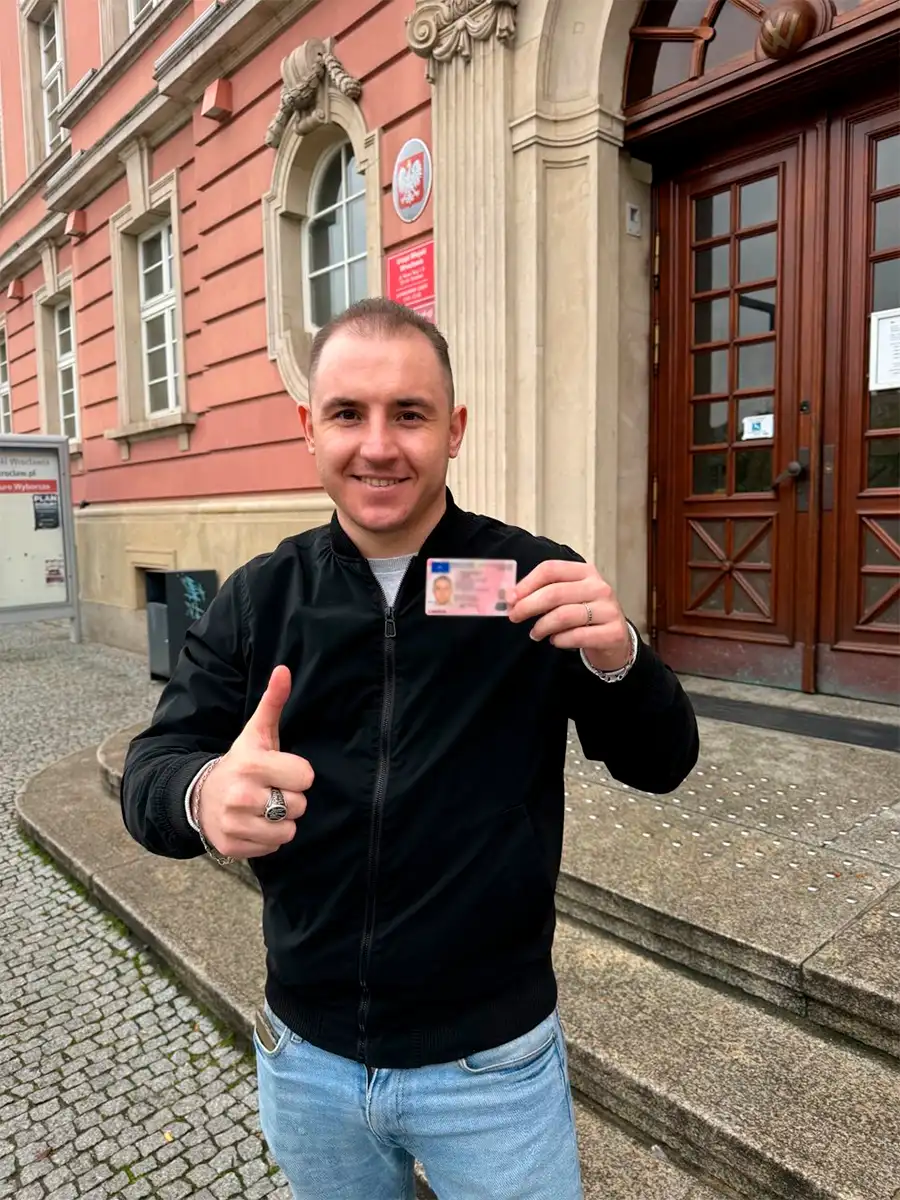
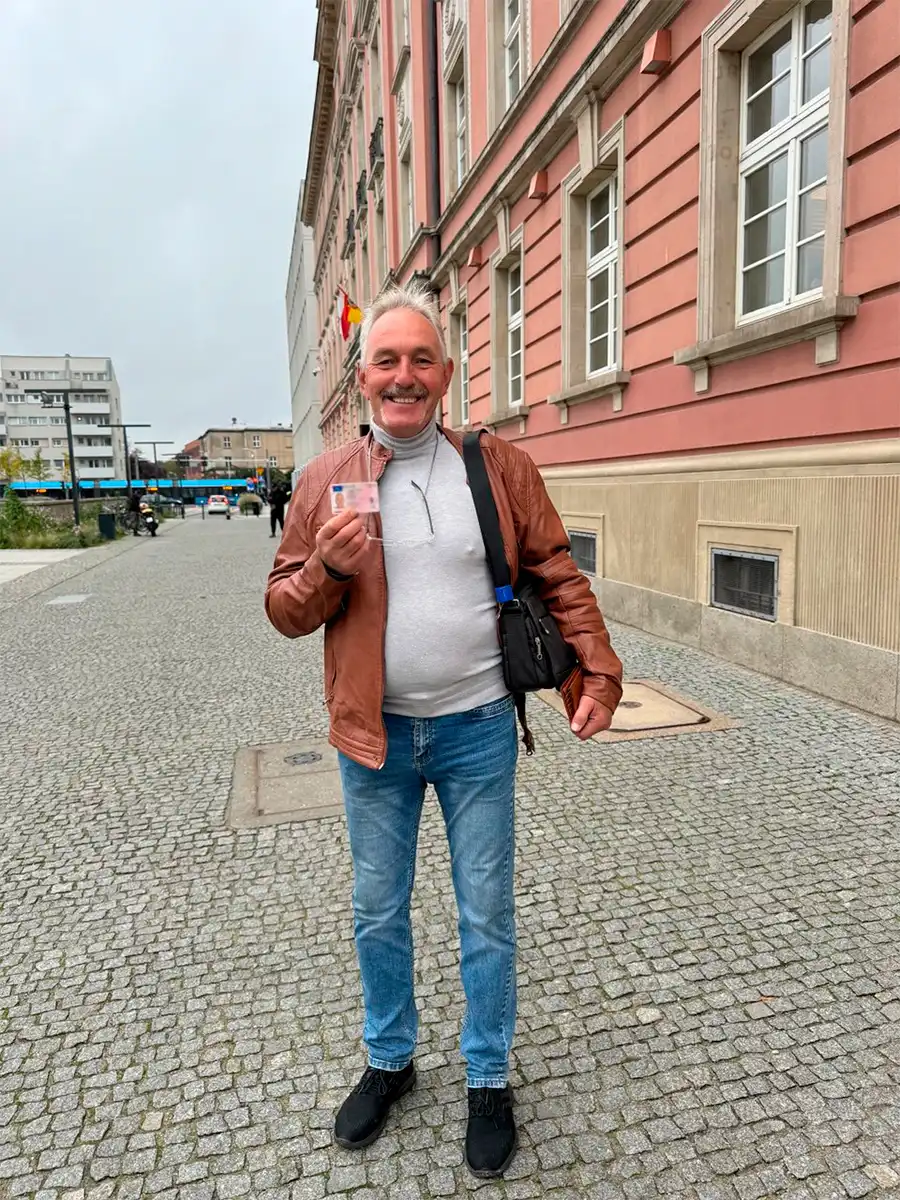
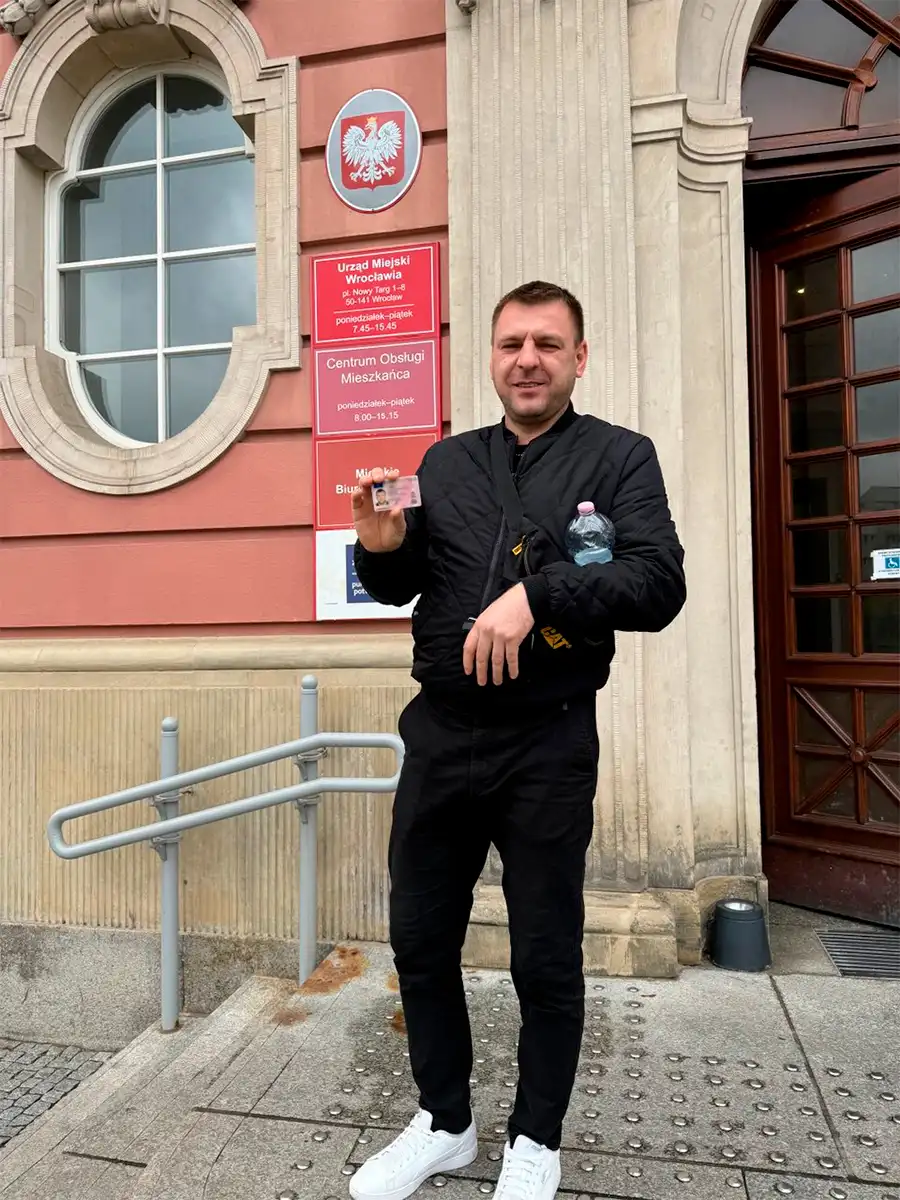
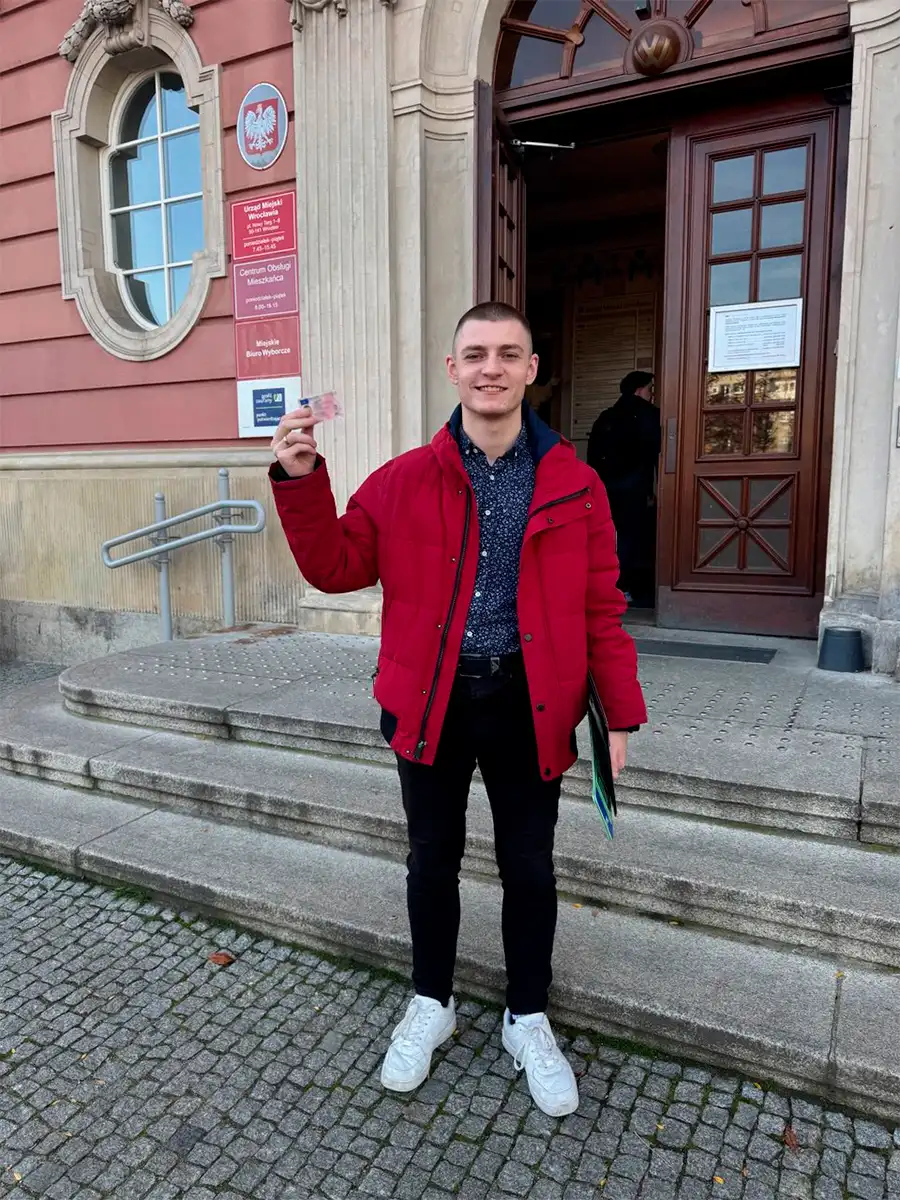
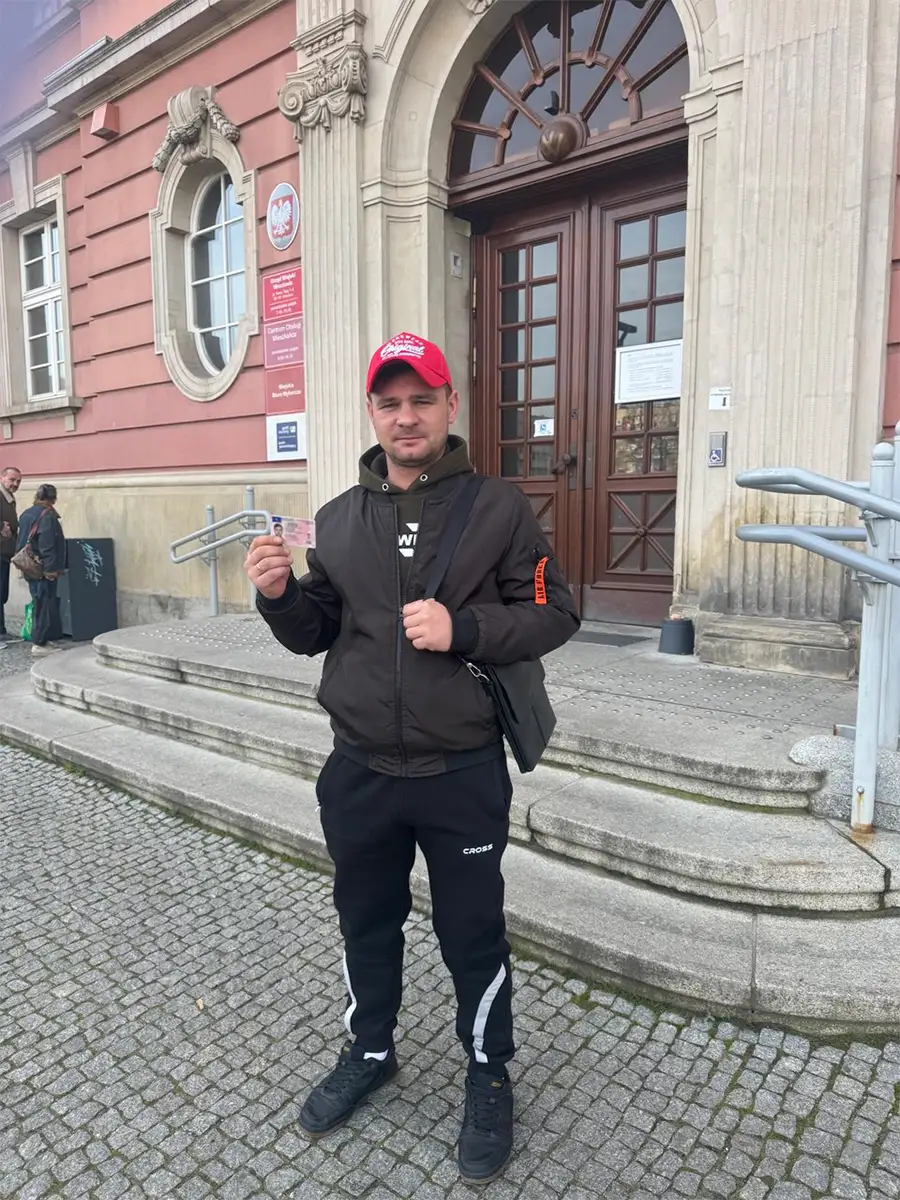
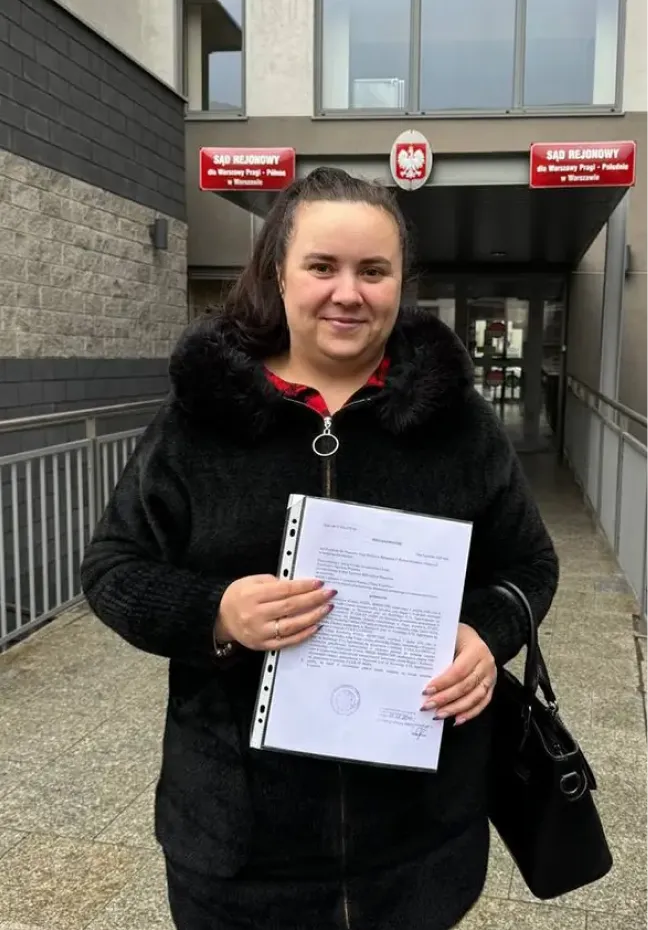
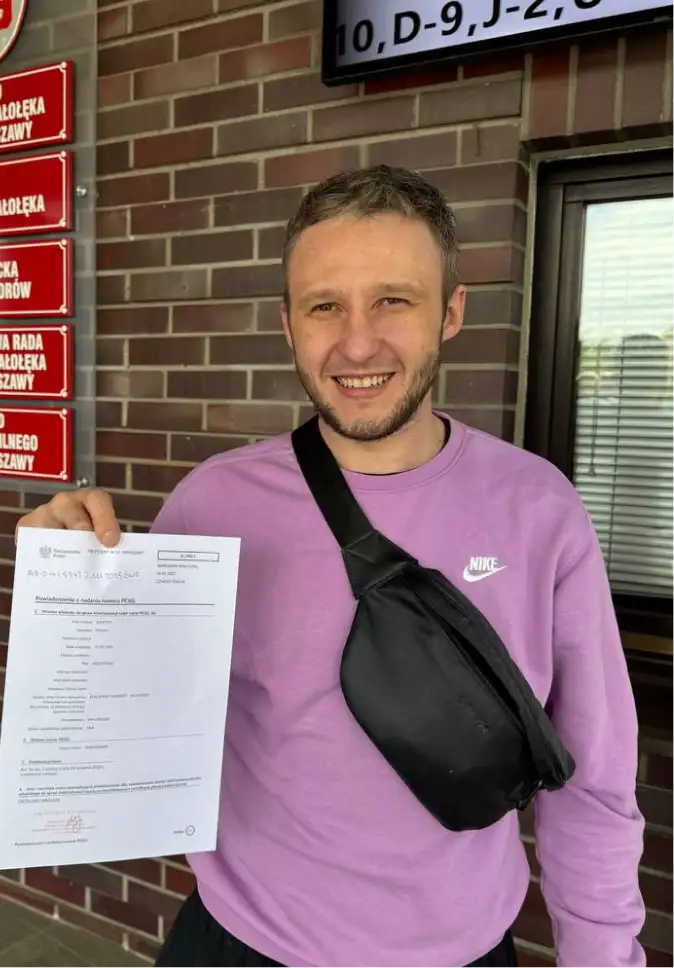
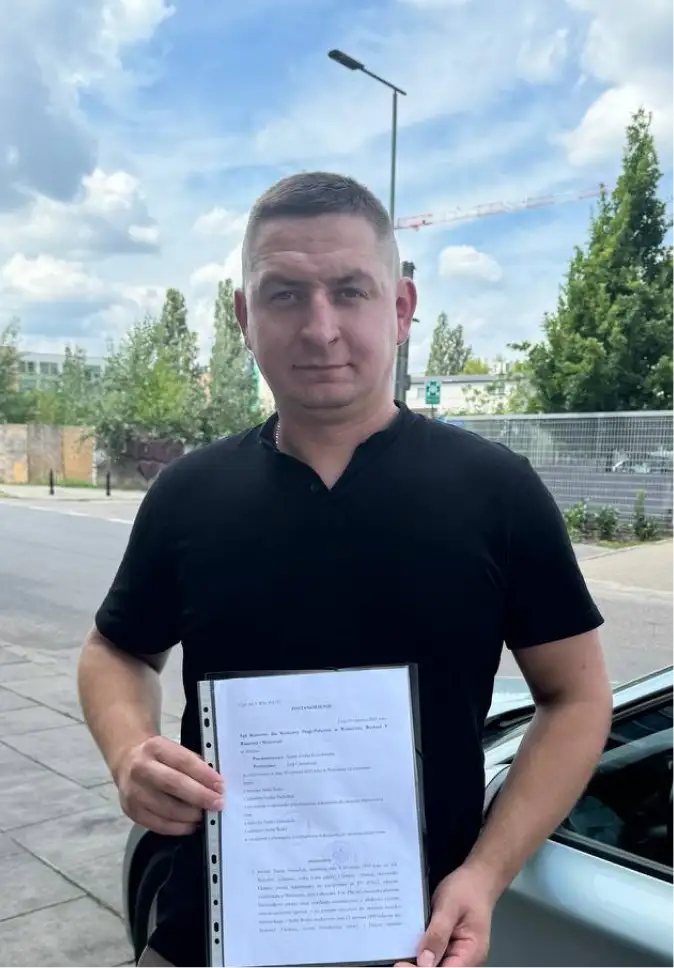
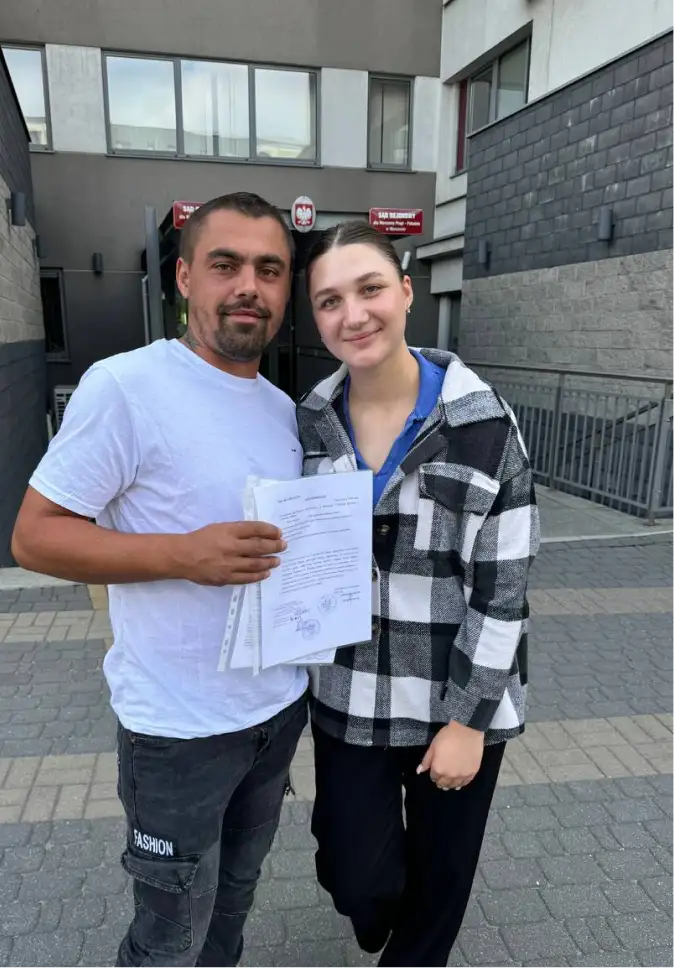
EU Long-Term Resident Card in Poland:
For Those Planning a Stable Future
Obtaining the EU Long-Term Resident status is one of the most secure legal statuses available to foreigners in Poland. Unlike temporary residence permits, this status is designed for individuals who plan long-term life in the EU, career or business development, and a gradual path toward citizenship.
Many applicants mistakenly perceive the EU Long-Term Resident Card as “just another residence card,” while in reality it represents an entirely different level of legal protection. Below are the key aspects you should understand before submitting your application in order to avoid common mistakes and prepare properly.
What Rights Does the EU Long-Term Resident Status Provide?
EU long-term resident status significantly expands a foreign national’s opportunities and provides a level of stability that standard temporary permits do not. It allows you to plan your life without the constant risk of losing your legal status or having to renew your residence every few years.
After obtaining the status, you receive:
- the right to permanent residence in Poland without the need to renew your card every few years;
- free access to the labor market without additional work permits;
- the ability to open and run a business under the same conditions as Polish citizens;
- the opportunity to relocate to another EU country under a simplified procedure;
- a strong legal foundation for applying for citizenship in the future.
In essence, this is a “long-distance” status that creates long-term stability and reduces bureaucratic burdens in the future.
Income Requirements for the EU Long-Term Resident Card
One of the key criteria is having stable and documented income. It is important to understand that the immigration office evaluates not only the amount shown on a certificate, but the applicant’s entire financial history — its logic, transparency, and consistency.
Income must be:
- stable and regular;
- sufficient to support yourself and your family members;
- officially declared and supported by documentation.
- During the review process, the authorities assess:
- the source of income;
- the regularity of payments;
- tax history;
- the absence of reliance on social assistance.
Income-related mistakes are one of the most common reasons for refusal, which makes proper financial preparation before applying critically important.
Housing and Health Insurance — What Is Actually Verified
Housing and insurance are not merely formal requirements. The immigration office evaluates whether the applicant truly has stable living conditions and access to healthcare.
You must provide proof of:
- the legal right to use accommodation (rental agreement or ownership);
- valid health insurance — either public (NFZ) or private coverage that genuinely covers medical treatment in Poland.
It is important that the documents are logical and reflect your actual living situation. Formal certificates that do not correspond to reality often lead to additional requests or delays in processing.
Polish Language Requirement — Level B1
In most cases, the applicant must demonstrate Polish language proficiency at a minimum level of B1. This confirms integration into Polish society and the ability to function independently.
Accepted documents include:
- a state-issued Polish language certificate at B1 level;
- or a document exempting you from the exam (for example, a diploma from a Polish educational institution).
It is important to remember that certificates from private language schools or unofficial confirmations are not accepted and may result in an automatic refusal.
Absences from Poland and the EU — What Is Allowed
The rules for EU long-term residents are more flexible compared to standard residence permits. This is particularly important for individuals who work internationally or travel frequently.
An applicant may:
- stay outside Poland for up to 12 consecutive months;
- be absent for up to 18 months in total within a 5-year period.
However, it is crucial to calculate periods of absence correctly — mistakes in counting may cause issues during case review.
EU Long-Term Resident Card and Polish Citizenship
Obtaining EU long-term resident status does not automatically grant citizenship. However, it is considered one of the strongest foundations for future naturalization.
It:
- confirms stable residence;
- demonstrates integration into the country;
- allows you to strategically plan a future citizenship application.
Importantly, EU long-term resident status does not require renouncing your previous citizenship, making it a comfortable transitional stage between temporary stay and obtaining a passport.
Common Reasons for Refusal — and How to Avoid Them
Even after many years of residence in Poland, applicants sometimes receive refusals due to technical or preparatory mistakes. Most often, this is not due to lack of eligibility, but due to improper case preparation.
Typical reasons include:
- incorrect calculation of the required 5-year residence period;
- unstable or insufficiently documented income;
- tax or ZUS-related issues;
- lack of valid health insurance;
- an incorrect language certificate;
- extended absences that were not properly accounted for.
Most of these risks can be eliminated before submitting your application by conducting a thorough case analysis and preparing your documentation comprehensively.
Frequently Asked Questions
Yes, they are different wordings for the same status.
Usually after 5 years of legal residence in the EU.
Yes, including one issued in other EU countries.
Yes, B1 level, unless you qualify for an exemption.
Yes, in cases of prolonged absences or violation of the conditions.
Yes, with subsequent legalization in the chosen country.
Yes, you have full access to the labor market.
Yes, under conditions similar to those of Polish citizens.
No, you can apply directly for EU long-term resident status.
Submit a request — we will review your situation and provide a clear action plan.