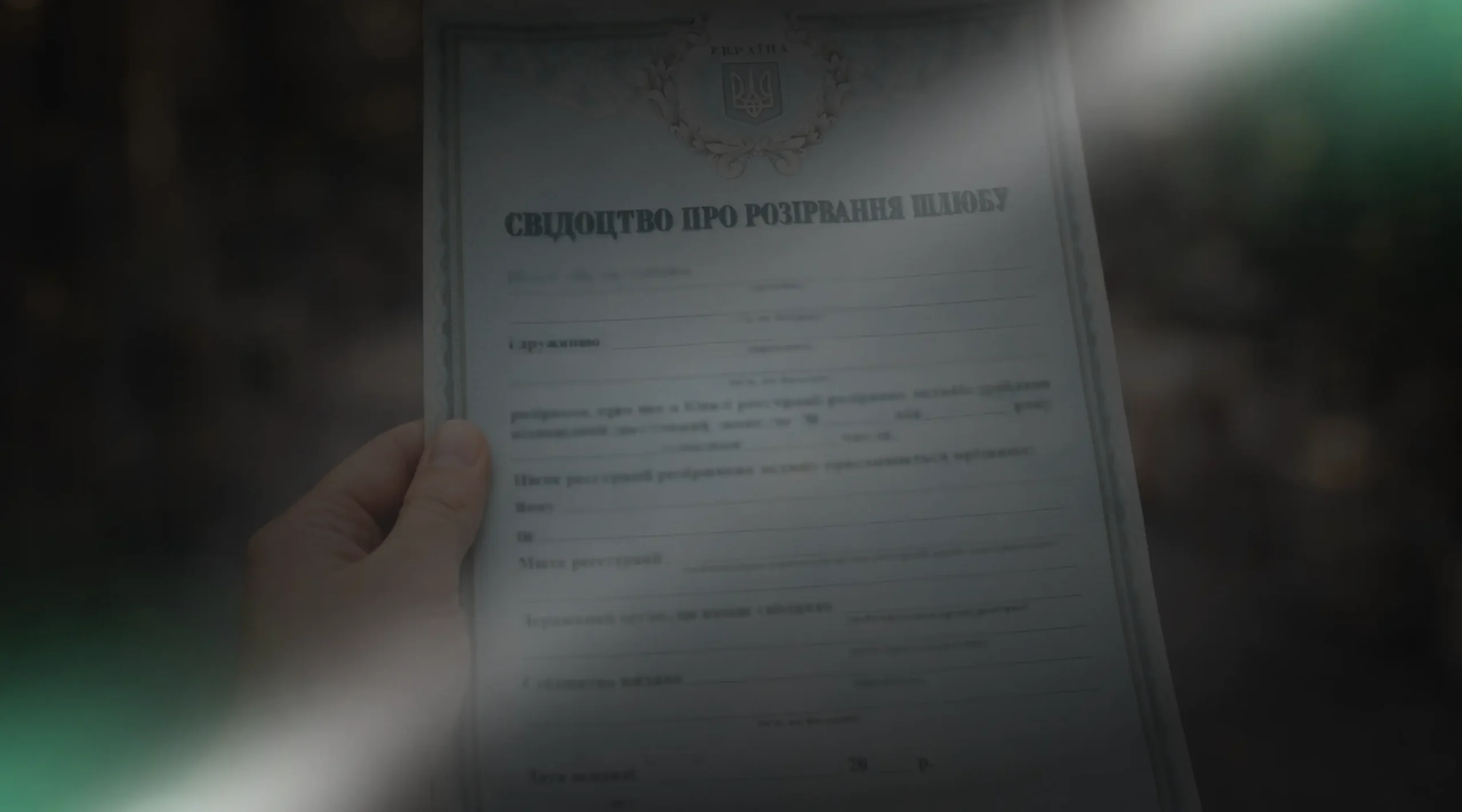
Divorce of Ukrainian and EU Citizens
Divorce in an international marriage is not only a legal procedure but also a matter of jurisdiction, documentation, children, and property located in different countries. We provide full support for divorce proceedings in Poland, taking into account the international aspect — to ensure the process is lawful and without unnecessary delays.
What Is Important to Consider
in an International Divorce
-
Determining Jurisdiction — Where to File for Divorce
In international marriages, the key issue is which country’s court has the authority to hear the case.
This depends on:
- the place of residence of the spouses;
- citizenship;
- the last joint place of residence;
- the presence of children.
-
Divorce in Poland — When Is It Possible?
A Polish court may consider the case if there is a connection to Poland (residence, registration, etc.).
Usually, it is necessary to:
- confirm residence;
- provide a marriage certificate (with translation);
- prepare a statement of claim.
-
Children and Alimony
Issues of custody and financial support are among the most sensitive parts of the procedure.
The court decides:
- with whom the child will live;
- the visitation/contact arrangements;
- the amount of child support.
-
Division of Property
Property may be located in different countries.
The following are taken into account:
- the property regime;
- jointly owned assets;
- debt obligations.
-
Recognition of the Decision in Another Country
After the divorce, it is important that the court decision is recognized in Ukraine or another EU country.
Get a Free Consultation Right Now!
Leave a request and we will consult you as quickly as possible!
Video Testimonials
Our specialists are always ready to provide assistance and support on
at each stage of cooperation

Owner of VisaV.pl / Board Community Member

Head of VisaV.pl

Head of the legalization department, expert in document processing in Poland
Legalization specialist in Warsaw.

Sales Manager, Communication and Customer Service Expert

Specialist in marriage registration and document processing

Legalization Specialist

SMM Specialist

Accounting Specialist

Legalization Specialist

Administrator

U.S. Marriage Organizer

Marriage Department Technical Specialist
Partner in Europe
We don't just provide services – we help you achieve your goals.
Our approach is based on trust, quality and individual approach. We work to ensure that each client receives a quick, convenient and effective solution to their issues.
We analyze your situation in detail and offer solutions that best suit your needs.
We work quickly without losing quality, and guarantee 100% compliance with legal requirements.
Our team is made up of experts who have helped thousands of clients with legalization and documents.
We accompany you at every stage, providing detailed advice and assistance in any issues.
The VisaV.pl team speaks Ukrainian and Russian, which makes communication easier for clients from the CIS countries.
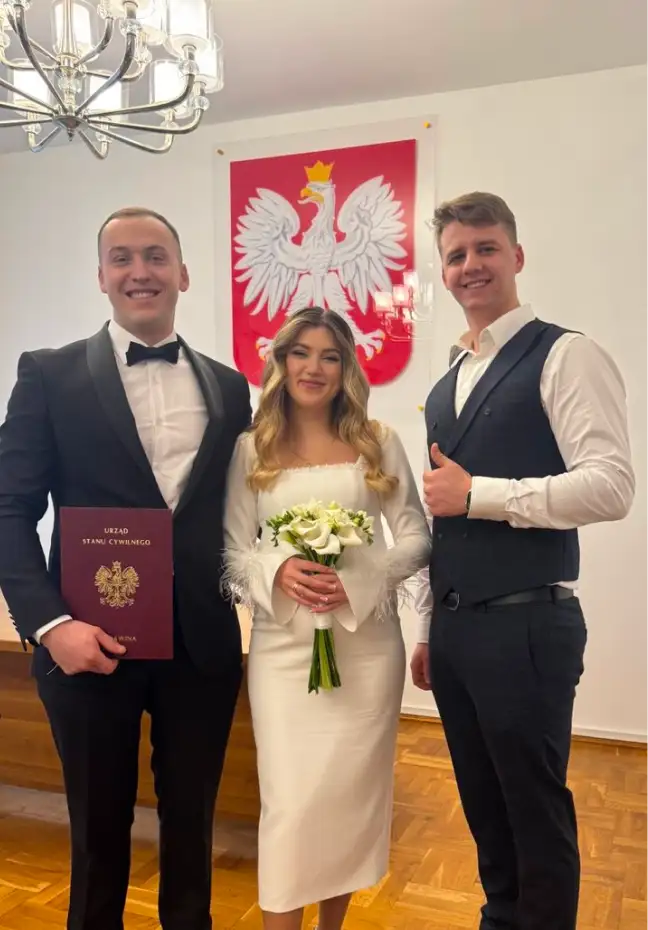
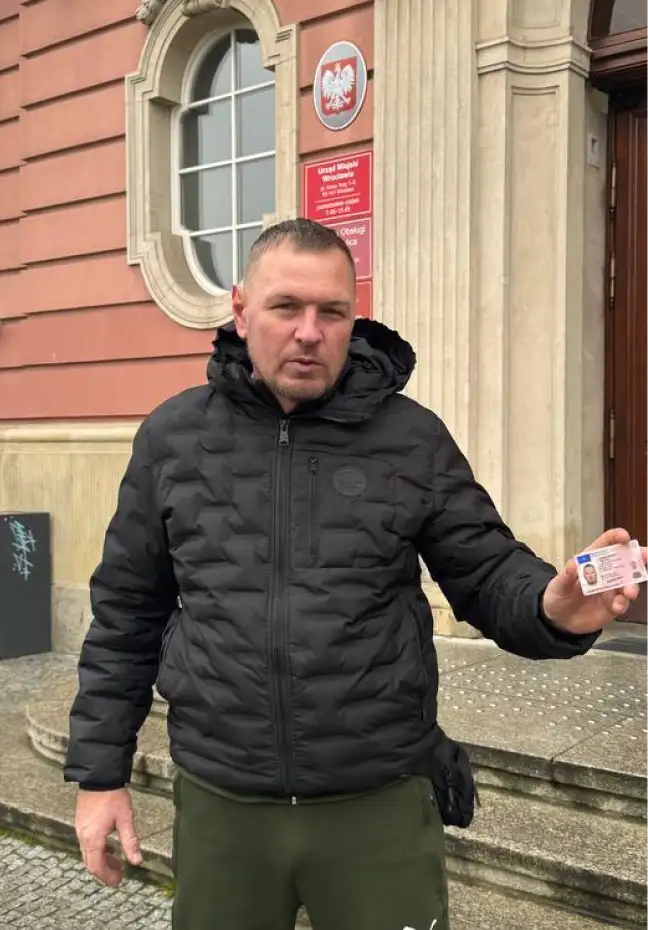
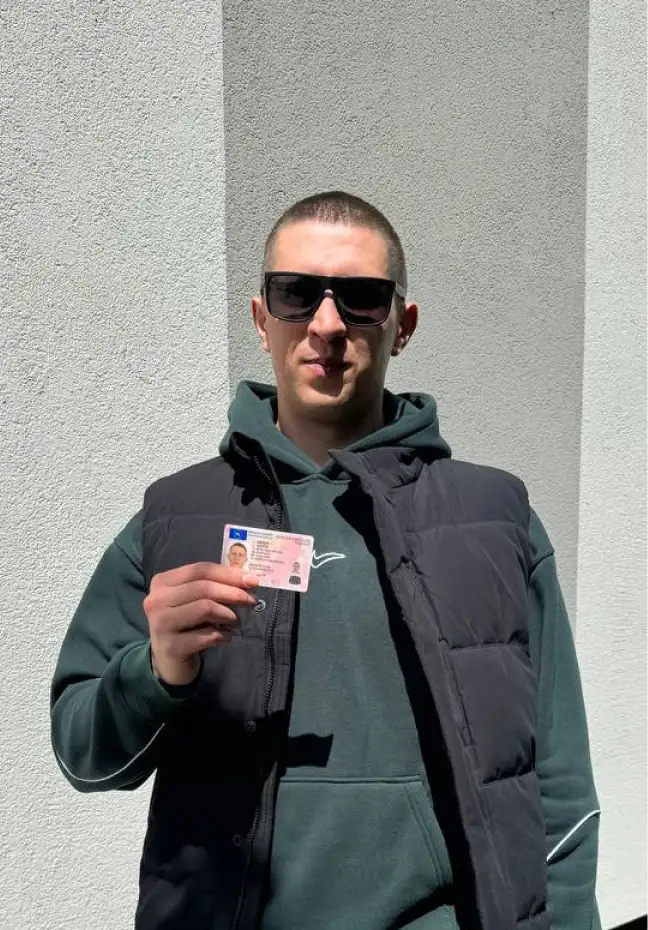
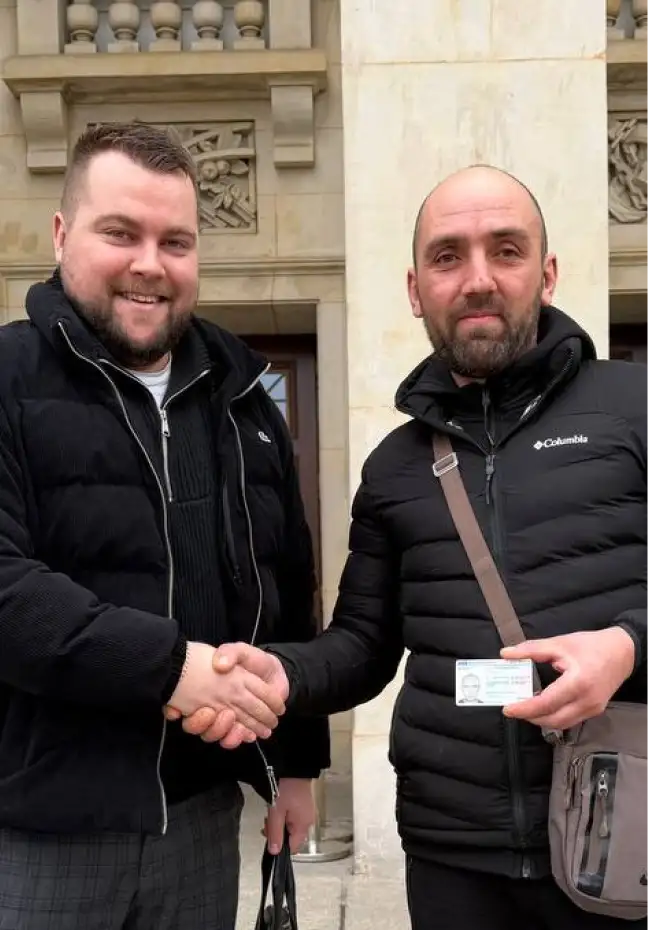
Client Photo Reviews









Divorce of Ukrainian and EU Citizens:
Procedure, Timeframes, and International Nuances
An international divorce is a procedure where it is crucial to determine not only the fact of marital dissolution but also which court has jurisdiction over the case. If the spouses reside in Poland or one of them has their center of vital interests there, a Polish court may have jurisdiction. However, there are situations where it may be more appropriate to file the claim in another country — for example, in the country of citizenship or the last joint residence.
An incorrect choice of jurisdiction may result in refusal to open proceedings or significant delays in the process. Therefore, before filing a claim, it is important to analyze all circumstances: the parties’ place of residence, the presence of children, the location of property, citizenship, and the possibility of recognition of the decision in another country.
Divorce in Poland: How the Procedure Looks
In Poland, divorce is granted exclusively through the court. The court verifies whether there has been a complete and permanent breakdown of marital life (absence of shared household, emotional bond, and economic relationship). This is the key condition for issuing a judgment.
The procedure usually includes:
- preparation of a statement of claim;
- submission of documents to the court;
- participation in a court hearing;
- issuance of the judgment.
The duration of the process depends on the complexity of the case, the parties’ positions, and whether there are children involved. If the parties agree on all issues, the procedure is faster. If there is a dispute over custody, alimony, or property, the process may take longer.
Children in an International Divorce
When the spouses have joint children, the court pays special attention to their best interests. Issues of custody, residence, and contact with the other parent are resolved with consideration for the child’s stability and safety.
The court analyzes:
- the living conditions of each parent;
- the child’s bond with each parent;
- the ability to provide a stable environment;
- the financial capacity of the parties.
If one parent plans to move to another country, issues of jurisdiction and international law become even more complex and require professional legal support.
Alimony and Financial Obligations
The amount of child support is determined based on the child’s needs and the parents’ financial capacity. In international cases, it is important to consider in which country the paying parent resides and how the judgment will be enforced.
The court takes into account:
- official income;
- expenses related to the child;
- special needs (medical treatment, education);
- the standard of living to which the child is accustomed.
Enforcement of a child support decision in another EU country or in Ukraine is possible but requires compliance with international recognition procedures.
Division of Property in an International Context
Property may be located in different countries, which complicates the procedure. It is necessary to determine which law applies to the division and whether there is a prenuptial agreement.
The court considers:
- the time of acquisition of the property;
- the source of funds;
- joint obligations;
- the existence of loans or credits.
Sometimes property issues are resolved in separate proceedings.
Recognition of the Decision in Ukraine and EU Countries
After receiving a Polish court judgment, it is important to ensure its legal validity in another country. In EU member states, the procedure is usually simplified, while in Ukraine a separate recognition procedure may be required.
We assist with:
- preparing documents for international recognition;
- arranging certified translations;
- explaining the steps after the judgment becomes legally binding.
Common Mistakes in International Divorce
The most common problems arise due to:
- incorrect choice of court;
- lack of certified translations;
- underestimating child-related issues;
- insufficient evidence preparation;
- ignoring international recognition requirements.
A systematic approach helps avoid delays and additional expenses.
Frequently Asked Questions
Yes, provided that the Polish court has jurisdiction.
Yes, a sworn (certified) translation is usually required.
From several months or longer — depending on the complexity.
Not always; it depends on the circumstances.
Yes, if a permanent breakdown of the marriage is proven.
Based on income and the child’s needs.
Yes, after completing the recognition procedure.
Yes, but sometimes it is handled as a separate case.
It is recommended, especially in complex international cases.
To avoid mistakes in jurisdiction and international recognition.