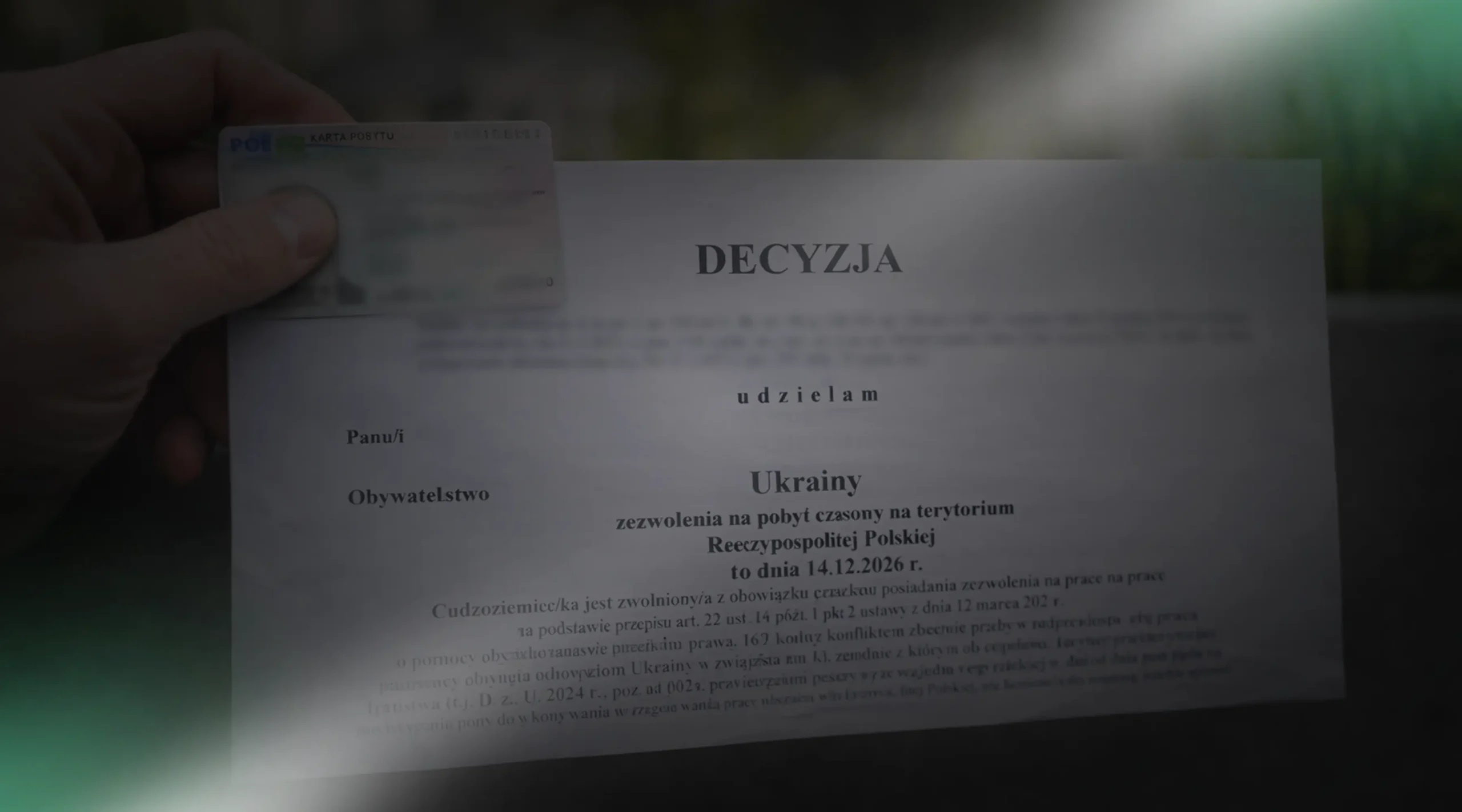
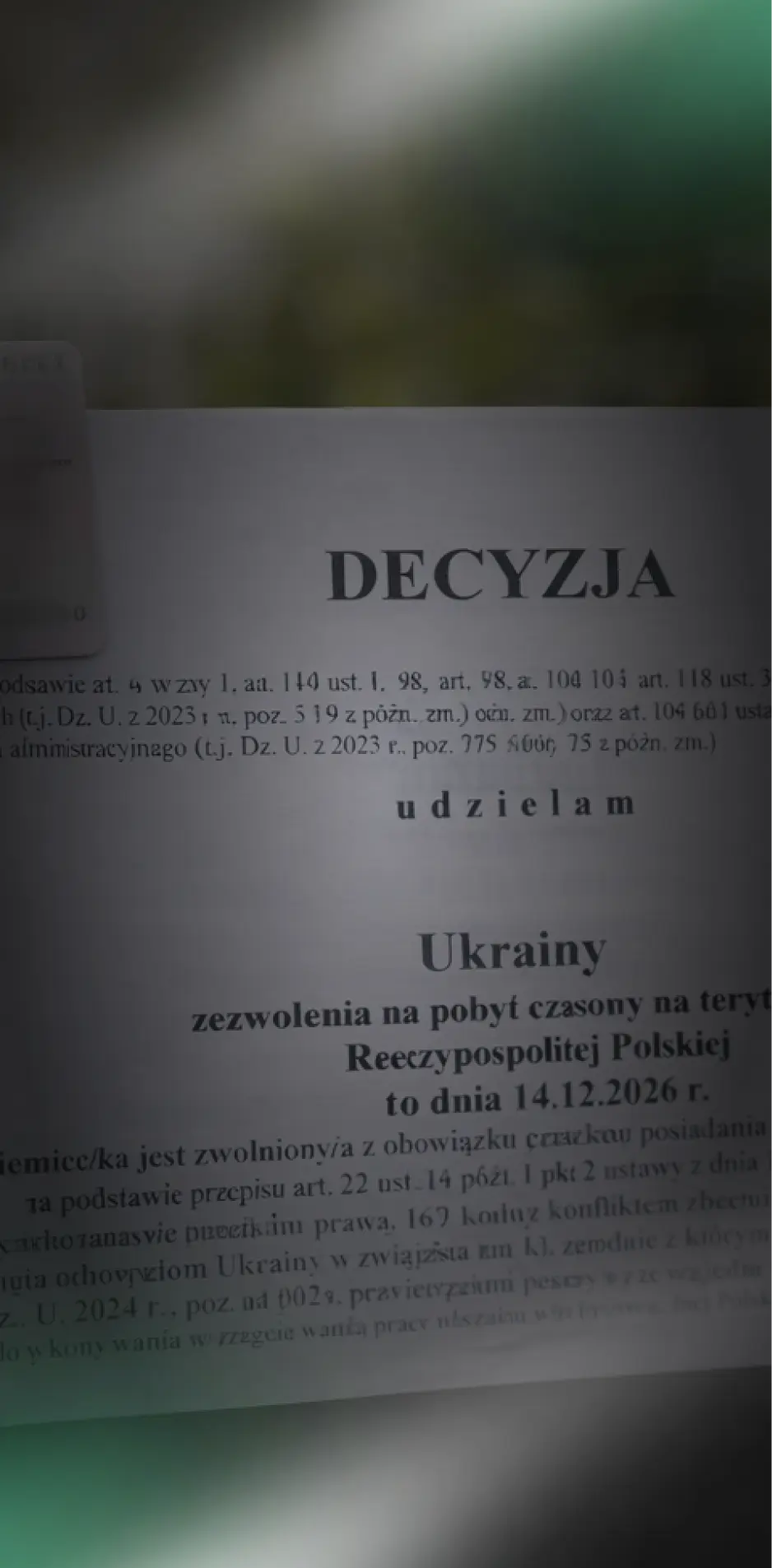
Fast-Track Residence Card Processing
If your residence card application has been pending for months or you have not received any updates on its status, in many cases the review can be accelerated using lawful measures: properly preparing a formal request to the case officer, submitting reminders or motions, and, if necessary, filing official complaints and legal letters. VisaV.pl analyzes your case, gathers evidence of delays, prepares the required documents, and handles communication with the immigration office to move your case forward and reduce the risk of refusal due to procedural errors.
What You Should Know
About Fast-Tracking a Residence Card
-
What “fast-tracking a residence card” means in practice
Fast-tracking is not a “magic button” and it’s not a way to jump the queue. It is a lawful set of measures used when the voivodeship office misses statutory deadlines, fails to respond, or the case is effectively not progressing. The goal is to ensure the case officer:
- starts processing the application (puts the case into active review),
- schedules biometrics or requests additional documents,
- issues a decision or provides a clear list of requirements.
Sometimes “fast-tracking” simply means restructuring the case properly: submitting missing documents,
-
When it’s realistically possible to speed up a case
It most often works when:
- you applied a long time ago but have not been called for biometrics or received any letters;
- the office requested documents, you provided them, but there has been no response;
- the status in the system does not change and the case officer does not reply;
- you have a well-founded urgent reason (work, a contract, family circumstances, risk of losing legal status, travel needs, etc.).
We assess not emotions, but facts: submission dates, correspondence, requests, proof of delivery, status updates—and build a legally sound strategy.
-
Important: fast-tracking must not harm your case
The most common mistake people make on their own is sending chaotic emails “to whoever” or taking drastic steps without a clear plan. This can:
- trigger more requests from the office,
- raise suspicion,
- create inconsistencies in your documents,
- or damage communication with the case officer.
We act carefully: first an analysis, then a clear plan, formal submissions, and deadline control.
-
How we help fast-track your residence card
- We analyze your case and the reason for the delay (deadlines, status, correspondence).
- We compile an evidence file (dates, confirmations, replies / lack of replies).
- We prepare formal requests to the case officer/management, motions, and reminders.
- If needed, we prepare official complaints in line with the procedure and support you throughout the process.
- In parallel, we review your document package so that speeding things up does not end in a refusal.
Get a Free Consultation Right Now!
Leave a request and we will consult you as quickly as possible!
Video Testimonials
Our specialists are always ready to provide assistance and support on
at each stage of cooperation

Owner of VisaV.pl / Board Community Member

Head of VisaV.pl

Head of the legalization department, expert in document processing in Poland

Legalization specialist in Warsaw.

Sales Manager, Communication and Customer Service Expert

Specialist in marriage registration and document processing

Legalization Specialist

SMM Specialist

Accounting Specialist

Legalization Specialist

Administrator

U.S. Marriage Organizer

Marriage Department Technical Specialist
Partner in Europe
We don't just provide services – we help you achieve your goals.
Our approach is based on trust, quality and individual approach. We work to ensure that each client receives a quick, convenient and effective solution to their issues.
We analyze your situation in detail and offer solutions that best suit your needs.
We work quickly without losing quality, and guarantee 100% compliance with legal requirements.
Our team is made up of experts who have helped thousands of clients with legalization and documents.
We accompany you at every stage, providing detailed advice and assistance in any issues.
The VisaV.pl team speaks Ukrainian and Russian, which makes communication easier for clients from the CIS countries.
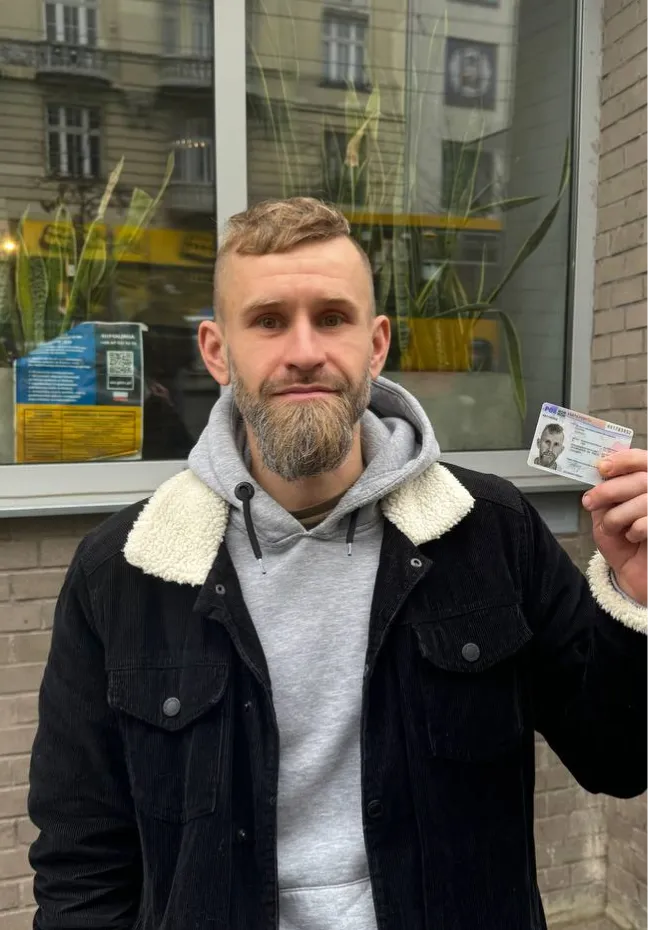
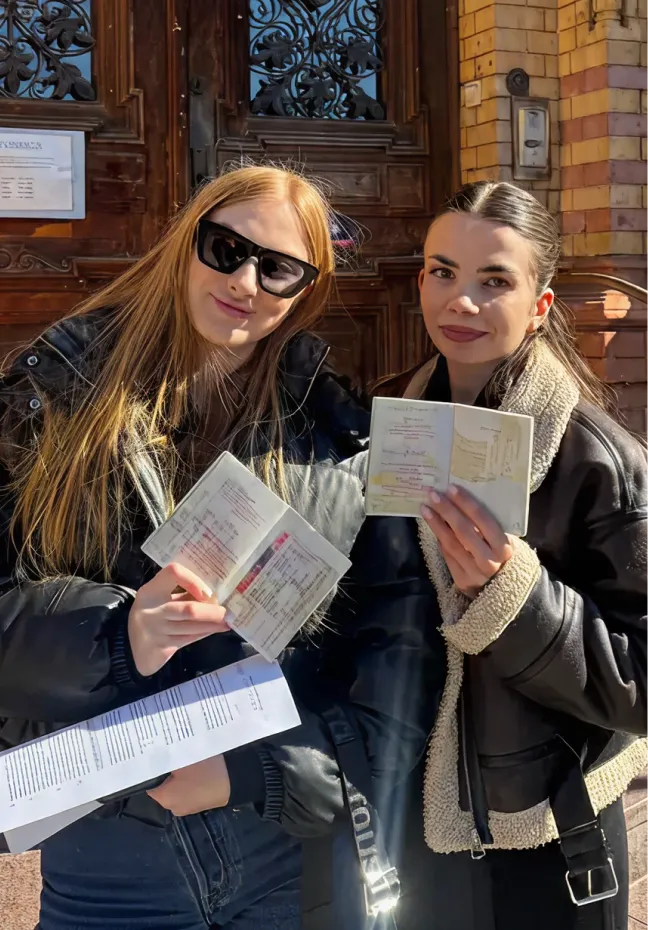
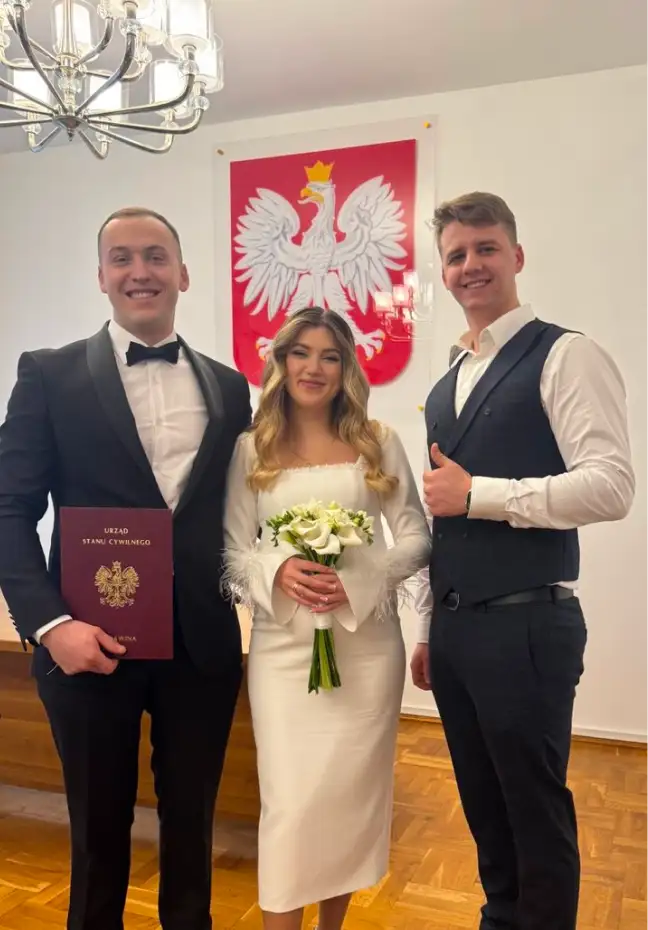
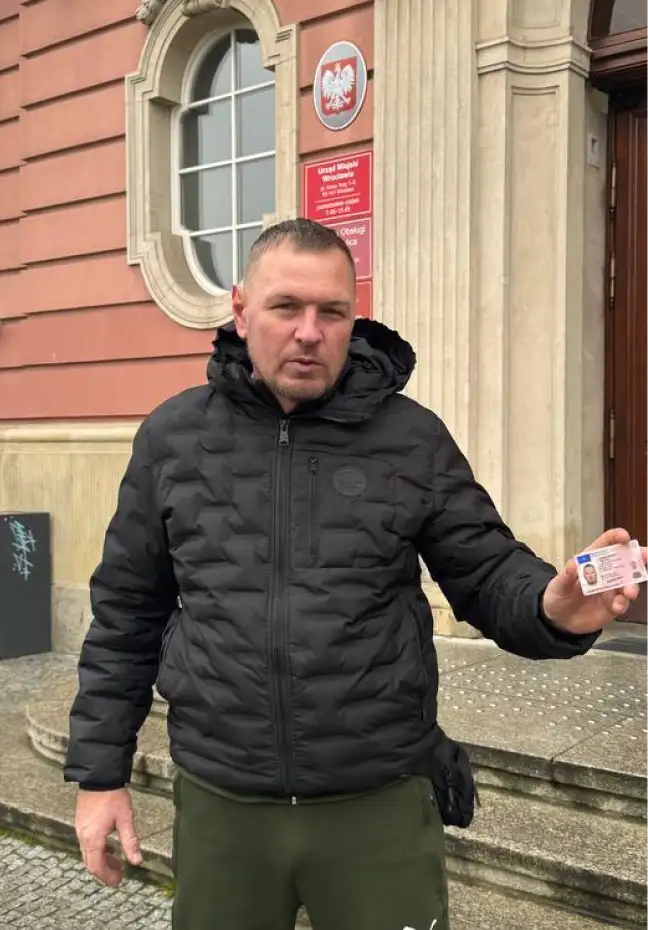
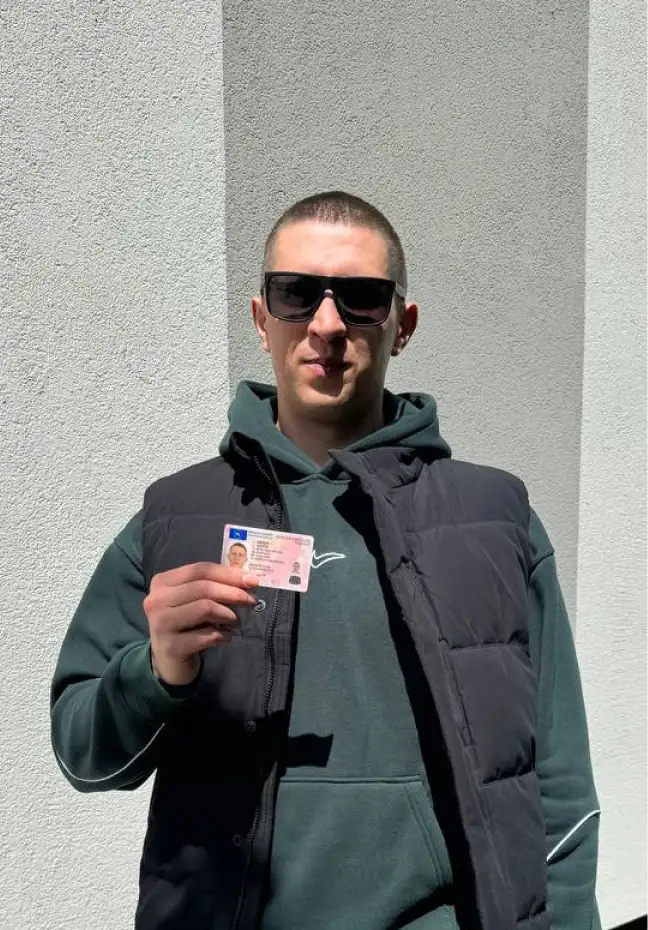
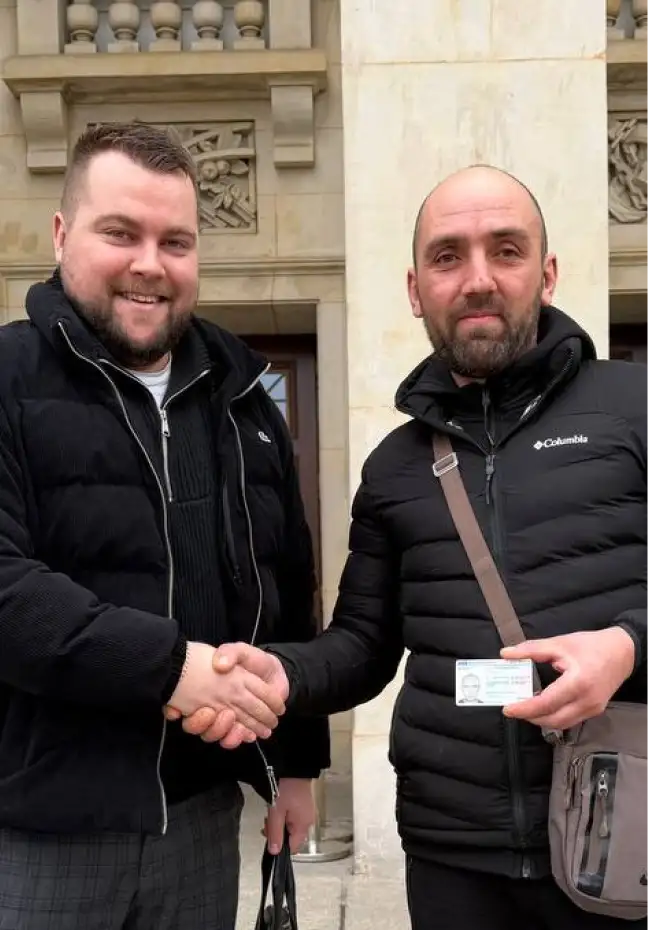
Client Photo Reviews
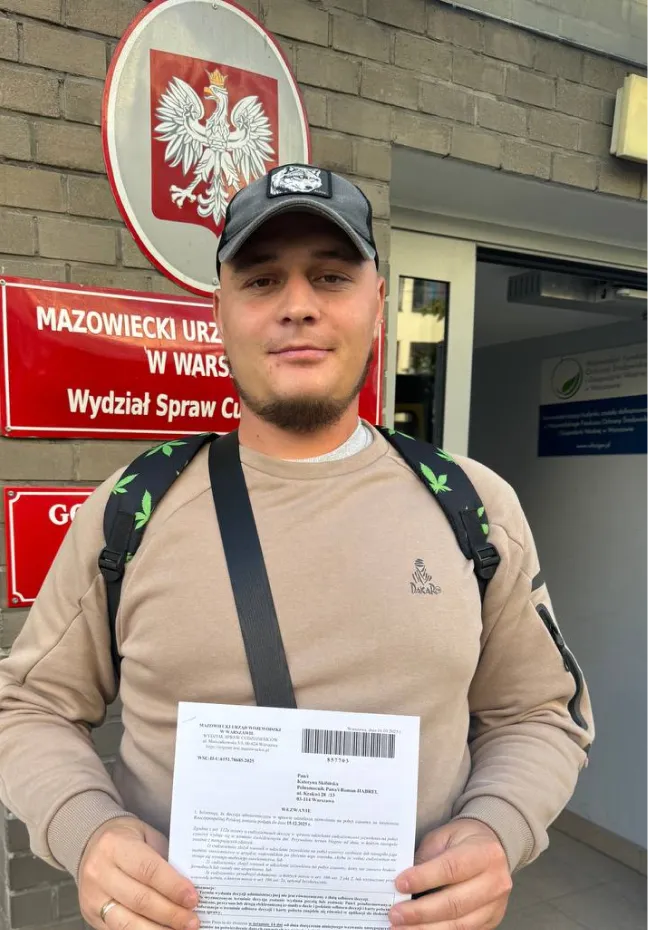
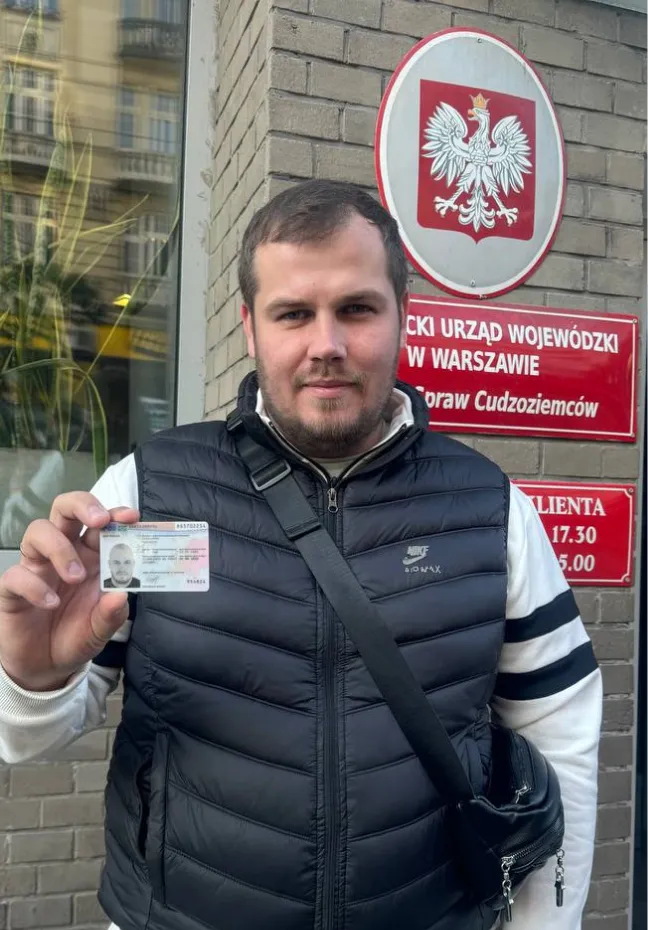
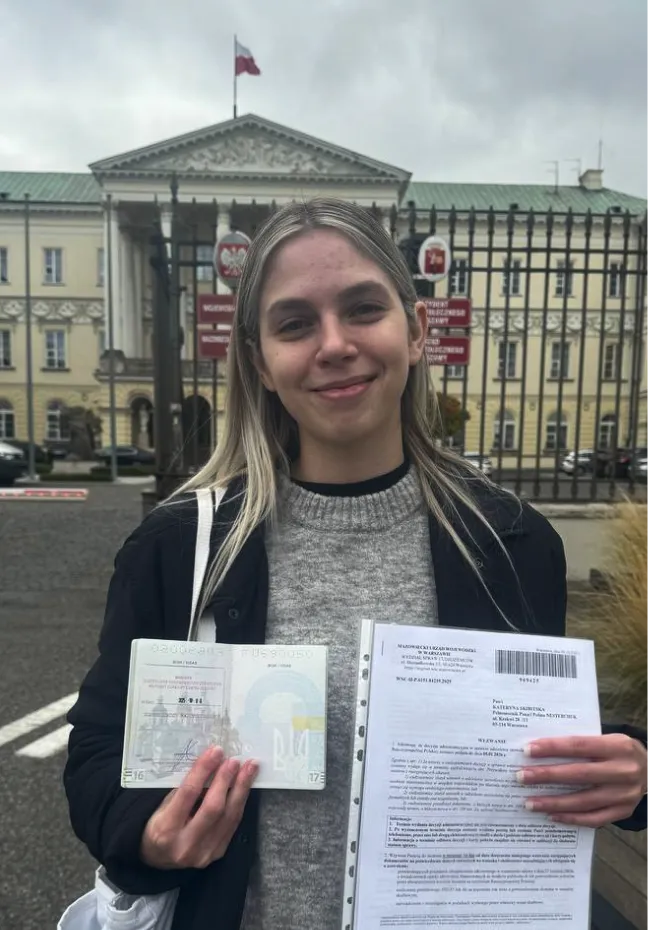
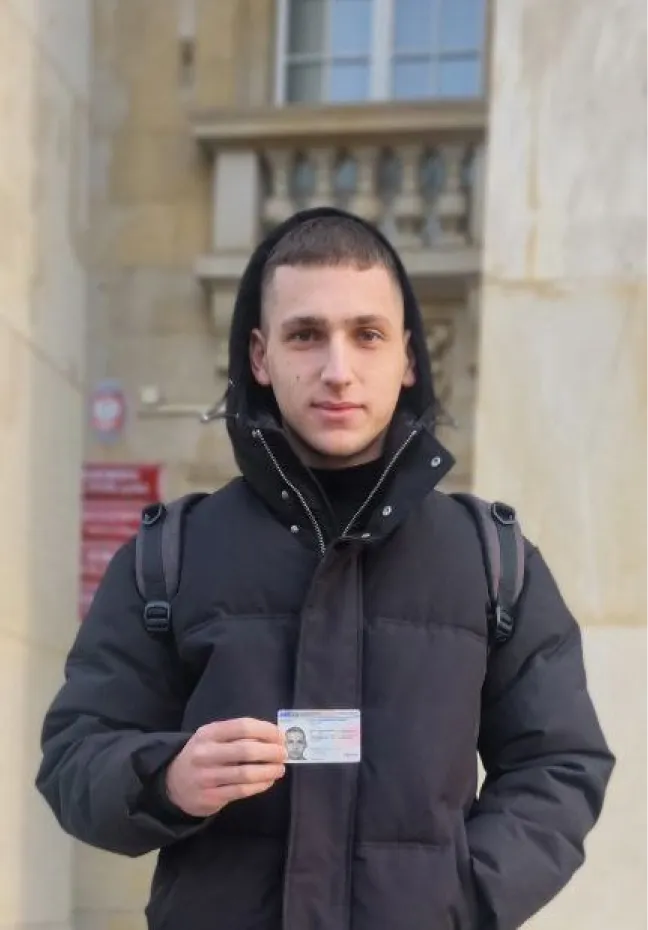








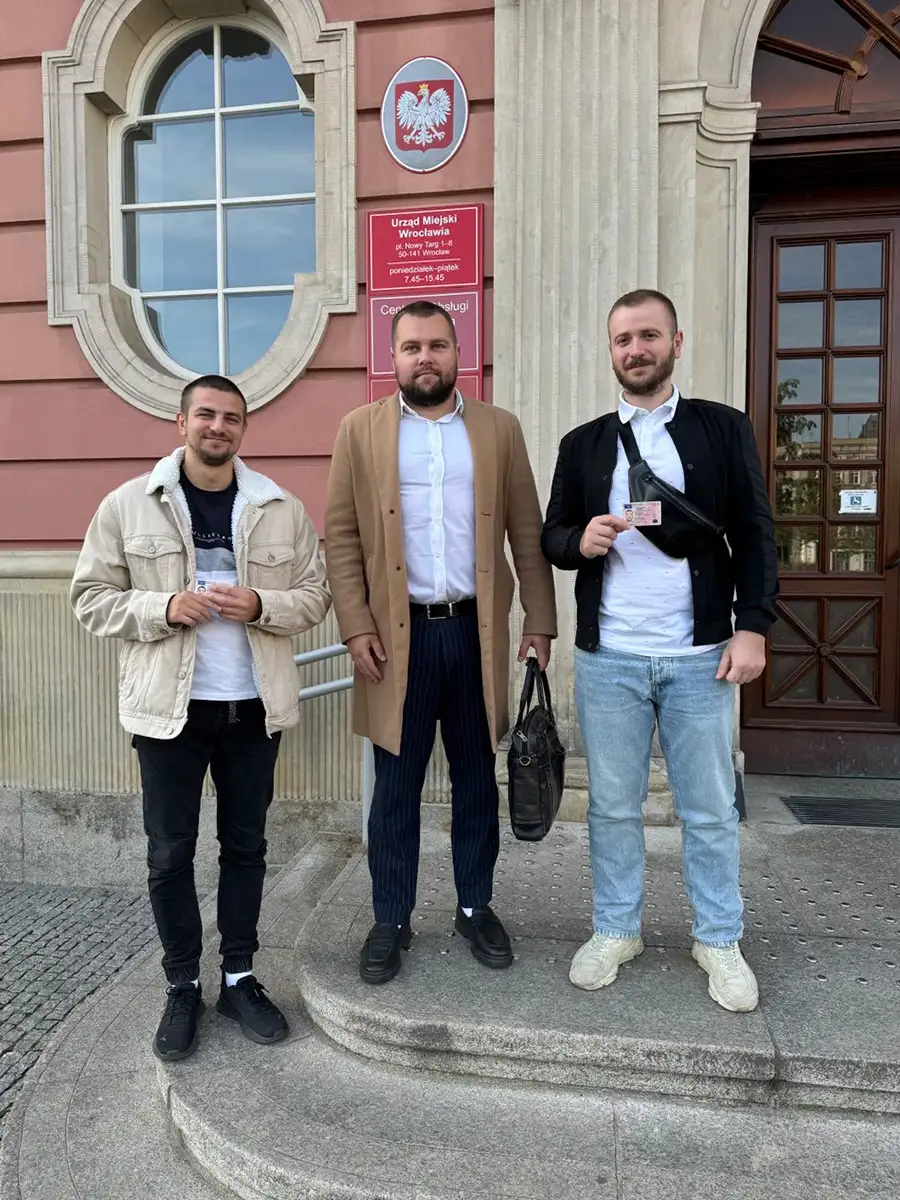
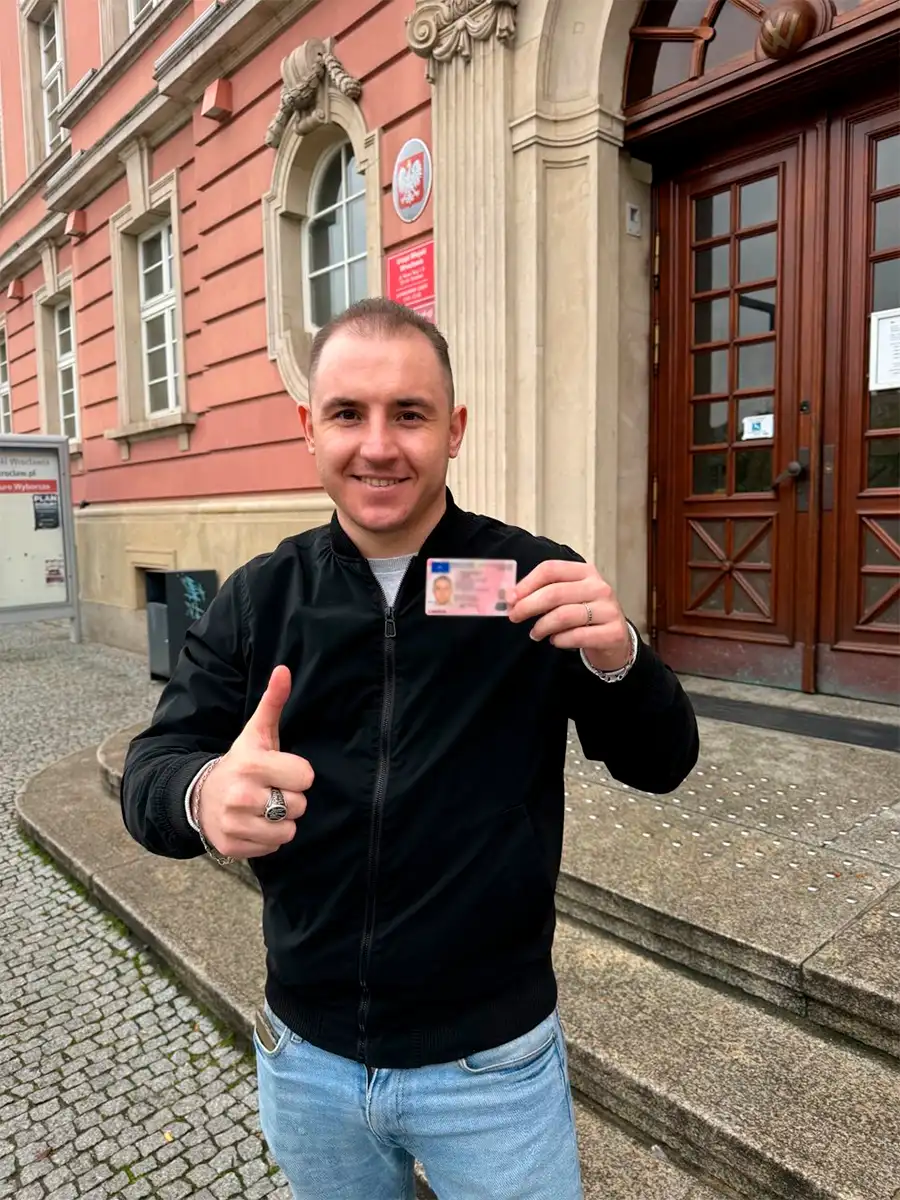
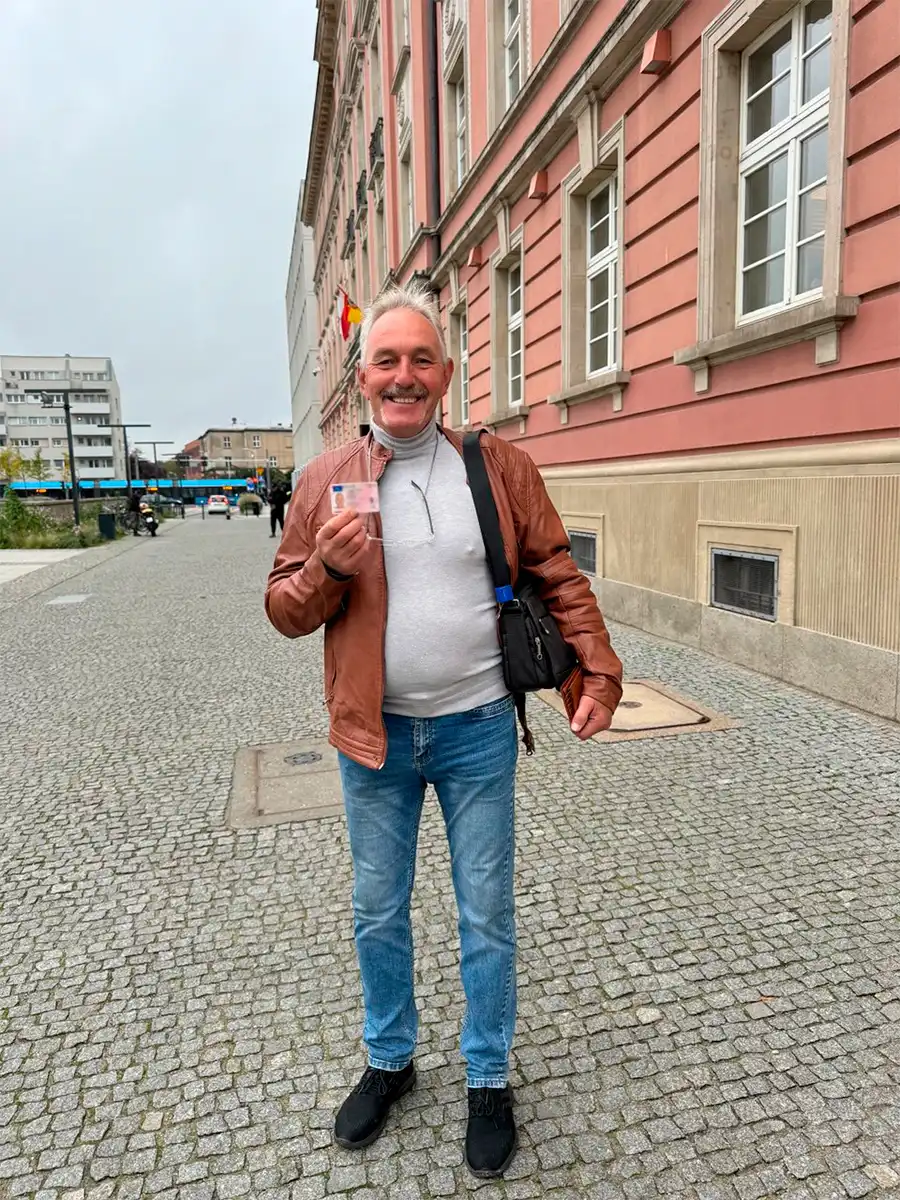
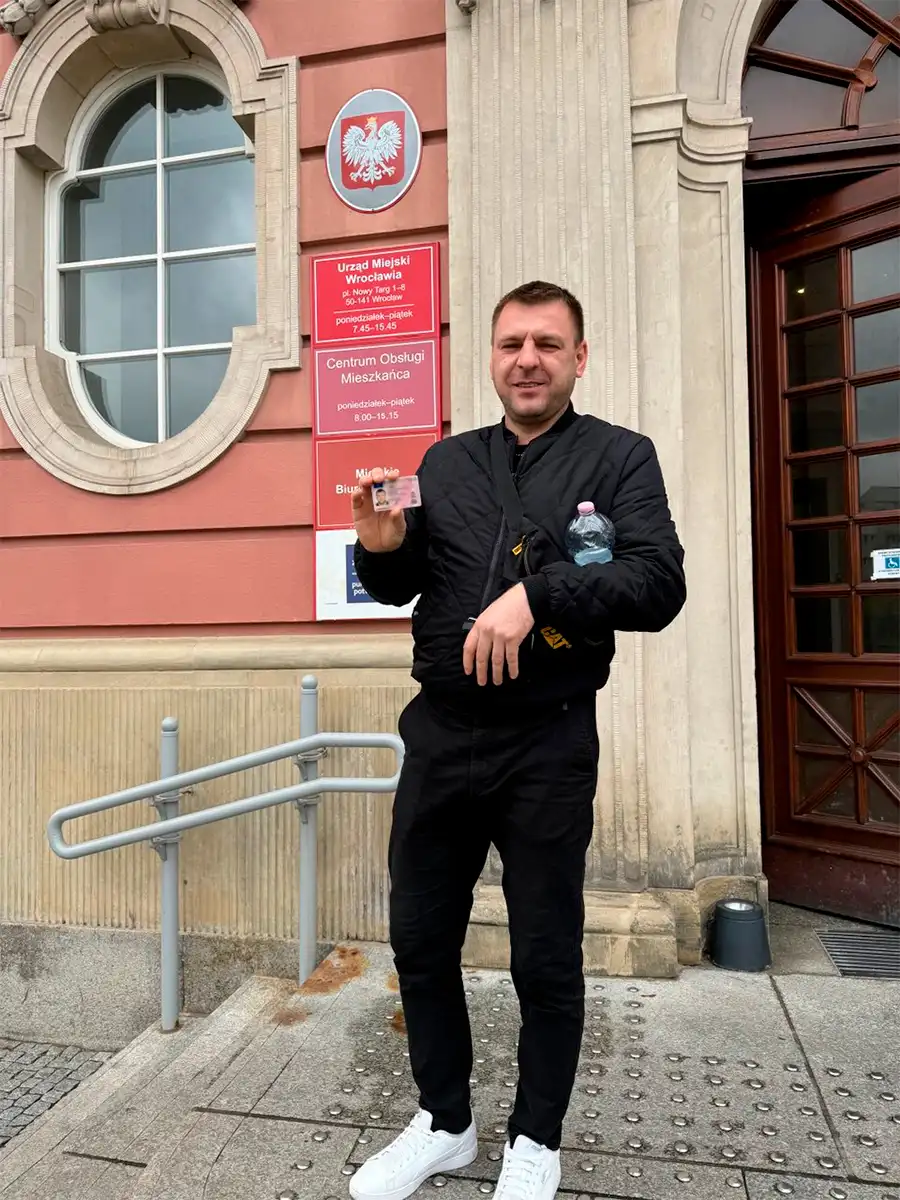
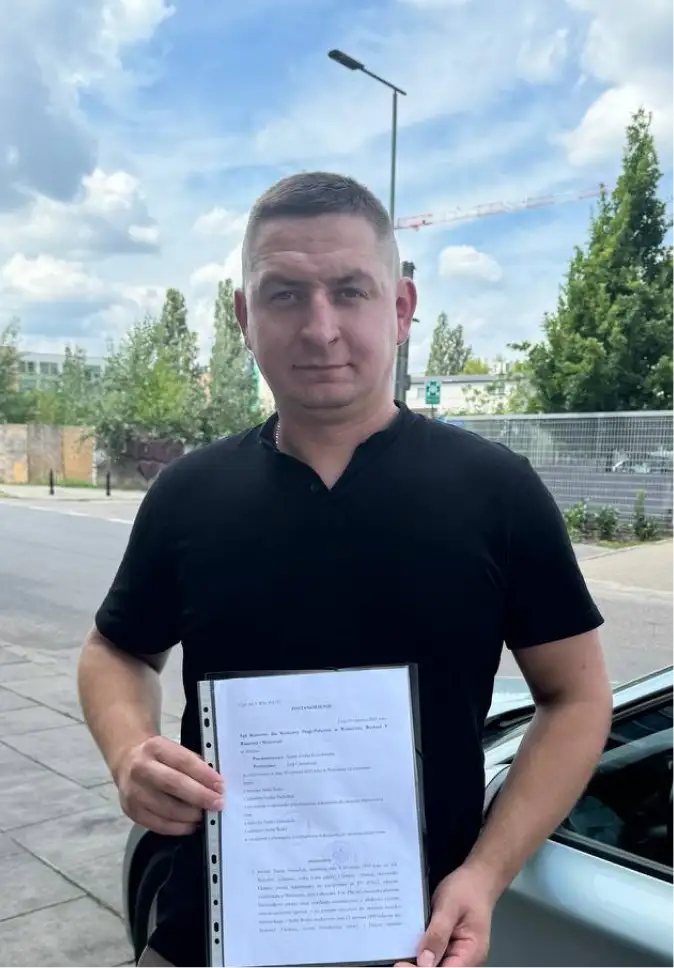
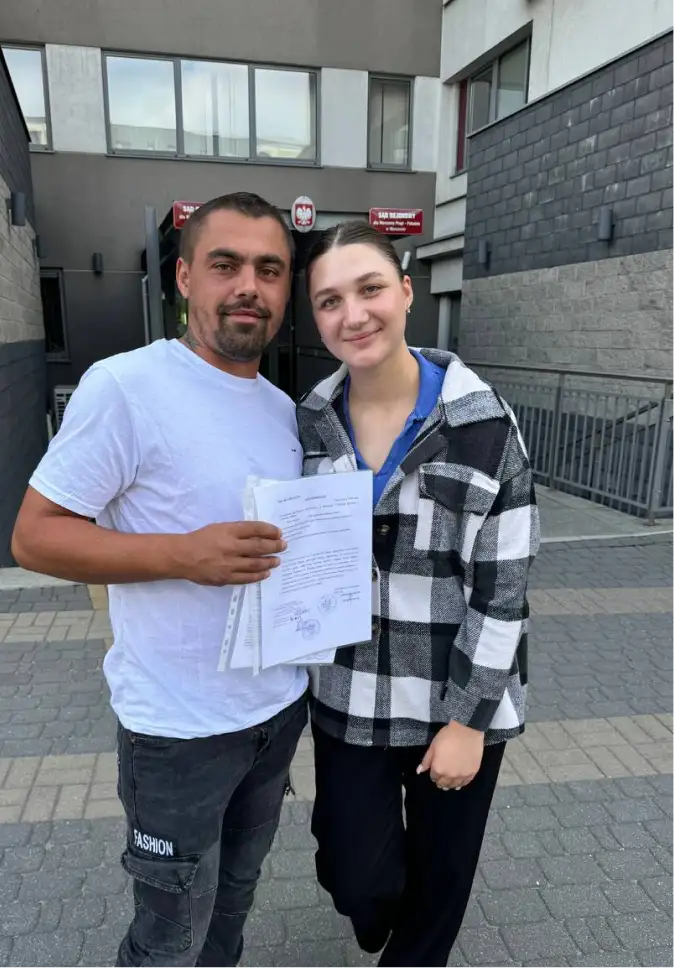
Fast-tracking a Residence Card in Poland:
What You Can Do Legally and Effectively
Why cases “get stuck” and what usually slows the process down
Most delays are not caused by queues alone. Common reasons include:
- an incomplete set of documents or a “weak” legal basis;
- no response to a letter from the immigration office (the person missed the notice);
- errors in the address/contact details or problems with postal delivery;
- changes in employment/studies/family status that were not reported;
- the internal workload of a specific voivodeship office or case officer.
That’s why, sometimes, the best way to speed things up is not to push harder, but to properly “close the gaps” in the case first—and only then use formal tools.
What fast-tracking tools are available
In practice, there are several levels:
- proper informational inquiries and case-status reminders;
- a formal request for action (to move the case forward);
- official submissions/complaints when statutory deadlines are breached;
- in parallel—supplementing documents and providing explanations, if that helps speed up a decision.
We choose the right tool for your situation, because using “everything at once” is almost always a bad idea.
Who this fast-tracking service is for
Most often, we help:
- people waiting for a work-based residence card / family / study / business residence card;
- those who received a request for additional documents and are unsure how to respond correctly;
- those who urgently need to organize their case before travel or a contract start date;
- those whose case has been pending for a long time with no updates.
What we check before we begin
To make sure fast-tracking actually works, we verify:
- whether there are solid legal grounds for formal submissions;
- whether any key documents are missing;
- whether the immigration office has requested anything and how you responded;
- whether there is a risk of refusal due to weak justification;
- whether your contact details and correspondence address are correctly set.
After that, we provide a plan: what we do now, what comes later, and what timelines to realistically expect.
What’s important to know: guarantees and realistic expectations
No company can “guarantee a decision date,” because that is entirely up to the immigration office. However, it is absolutely possible to increase the chances that:
- your case starts moving forward,
- the case officer provides clear requirements,
- you don’t waste time on chaos and mistakes,
- and you avoid a refusal caused by poor communication.
Frequently Asked Questions
No. The decision is made by the immigration office. However, in many cases it is legally possible to move the case forward, prompt a response from the case officer, and reduce delays—if the right steps are taken.
It makes sense when there are clear signs of delay or missed deadlines, no progress on the case, and you have proof of submission. If the application is still recent, it is often better to first ensure that the document package is complete and properly prepared.
Sometimes, yes. We analyze whether there are grounds for a formal request and what exactly is delaying the biometric appointment. Often the issue is related to long queues at the voivodeship office, but in some cases it is possible to speed up the transition to this stage.
If handled chaotically — yes. That is why it is important to submit formal requests correctly, without inconsistencies, and to keep the case file “clean” in terms of documentation.
Yes, it can. In some cases, changes must be properly reported; otherwise, fast-tracking will not help and may even harm your case. We will advise you on how to proceed safely.
First, we verify your registered address, access to your mailbox, possible returned correspondence, and the contact details in your case file. After that, we submit formal inquiries or requests if necessary.
Not always. In some situations, it is better to start with less formal measures and only escalate to a complaint later — it depends on the specific case and the voivodeship office.
Yes, in many cases it is possible. However, it is important to understand the current stage of the case and whether the office has issued any requests. We analyze the status and propose a clear action plan.
Yes. If the refusal is unfounded or the issues can be corrected, we prepare the appeal and support you throughout the appeal process.
We need: the date of submission, the voivodeship/city, the basis of your application (work/study/business/family), what correspondence you have received from the office, whether you have submitted biometrics, and any available confirmations (letters/case number). Based on this, we provide a realistic assessment.