

Polish Citizenship
Polish citizenship grants full European Union rights: freedom to live and work in any EU country, access to social benefits, and visa-free travel worldwide. At VisaV.pl, we help you navigate the path to a Polish passport legally and with confidence — from eligibility assessment and document preparation to full case support until the final decision.
What You Should Know
About Polish Citizenship
-
What is Polish citizenship
Polish citizenship is the highest legal status available to a foreign national, granting full rights as a citizen of the Republic of Poland and the European Union. Once obtained, you are no longer dependent on residence permits, visas, or stay limitations. A Polish passport allows you to live, work, study, run a business, and travel freely throughout the EU.
-
Benefits of Polish citizenship
Obtaining Polish citizenship is not just a formality — it is a long-term decision that provides:
- the right to live and work in all 27 EU countries without restrictions;
- access to social benefits, healthcare, education, and pension systems;
- visa-free travel to most countries worldwide (including the USA, Canada, Japan, Australia, and others);
- the ability to pass citizenship on to your children;
- full freedom to choose your place of residence and professional activity without immigration limitations.
-
Who can obtain Polish citizenship
The most common grounds for obtaining Polish citizenship include:
- by descent (Polish origin, Polish Card / Karta Polaka);
- through long-term residence in Poland (naturalization);
- through marriage to a Polish citizen;
- for children (based on parents’ citizenship or special conditions).
In every case, not only the length of residence matters, but also the quality of evidence, residence history, and compliance with legal requirements.
-
How we work
We guide you through the process from the initial idea to obtaining a Polish passport:
- analyzing your situation and verifying eligibility;
- choosing the fastest and most reliable pathway;
- preparing a complete document package;
- submitting the application and managing the case;
- responding to requests and monitoring the process until the final decision.
Get a Free Consultation Right Now!
Leave a request and we will consult you as quickly as possible!
Video Testimonials
Our specialists are always ready to provide assistance and support on
at each stage of cooperation

Owner of VisaV.pl / Board Community Member

Head of VisaV.pl
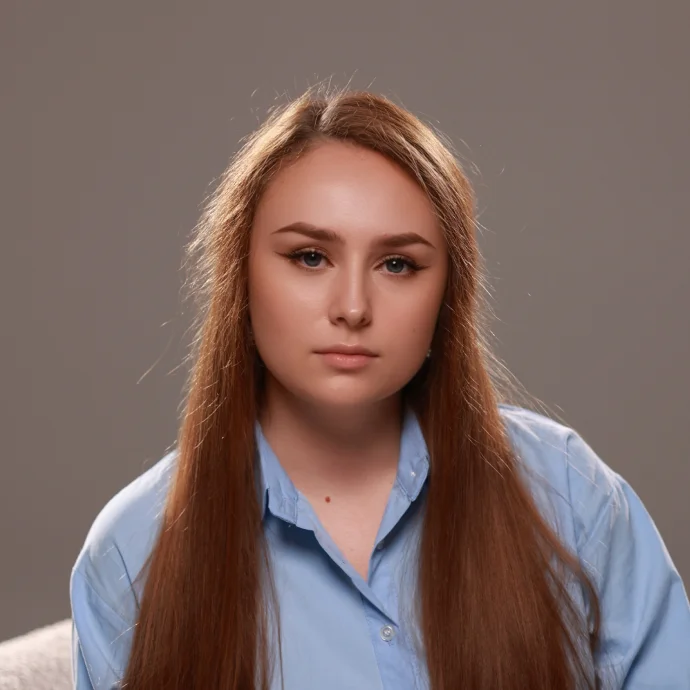
Head of the legalization department, expert in document processing in Poland
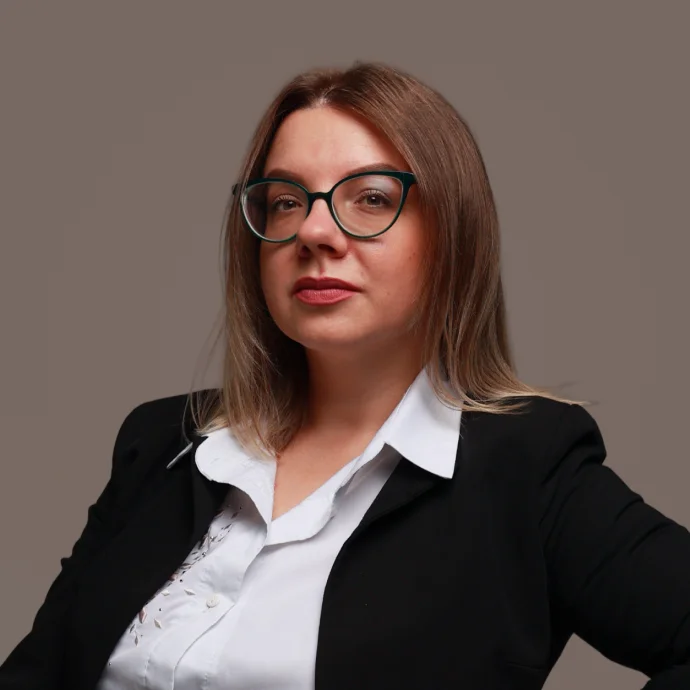
Legalization specialist in Warsaw.
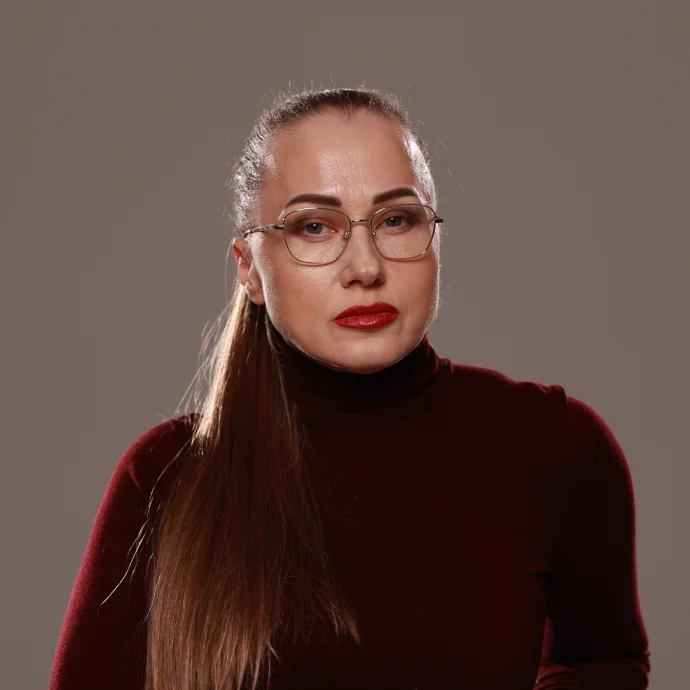
Sales Manager, Communication and Customer Service Expert

Specialist in marriage registration and document processing

Legalization Specialist

SMM Specialist

Accounting Specialist

Legalization Specialist

Administrator

U.S. Marriage Organizer

Marriage Department Technical Specialist
Partner in Europe
We don't just provide services – we help you achieve your goals.
Our approach is based on trust, quality and individual approach. We work to ensure that each client receives a quick, convenient and effective solution to their issues.
We analyze your situation in detail and offer solutions that best suit your needs.
We work quickly without losing quality, and guarantee 100% compliance with legal requirements.
Our team is made up of experts who have helped thousands of clients with legalization and documents.
We accompany you at every stage, providing detailed advice and assistance in any issues.
The VisaV.pl team speaks Ukrainian and Russian, which makes communication easier for clients from the CIS countries.
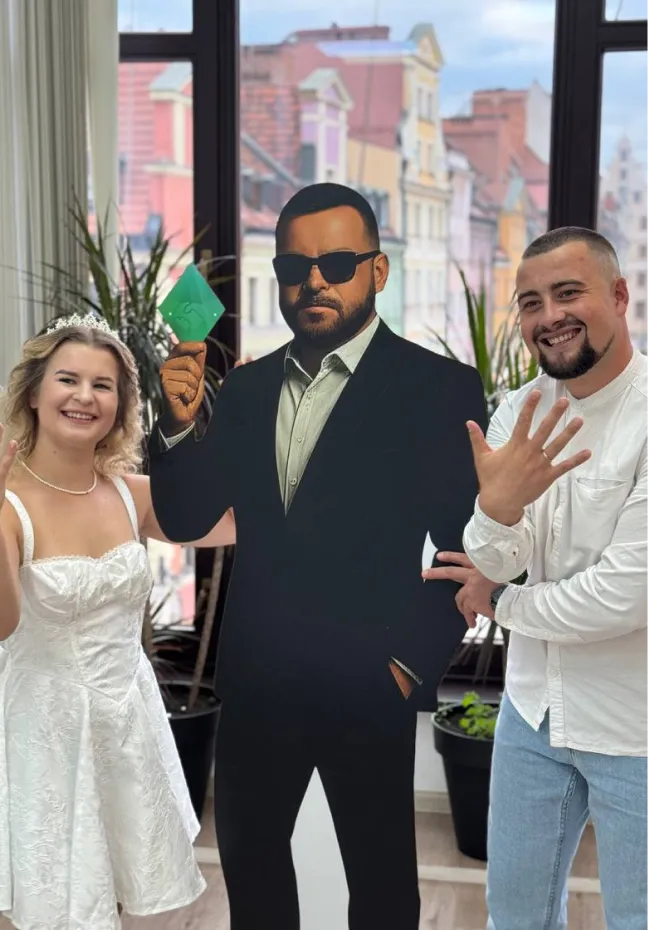
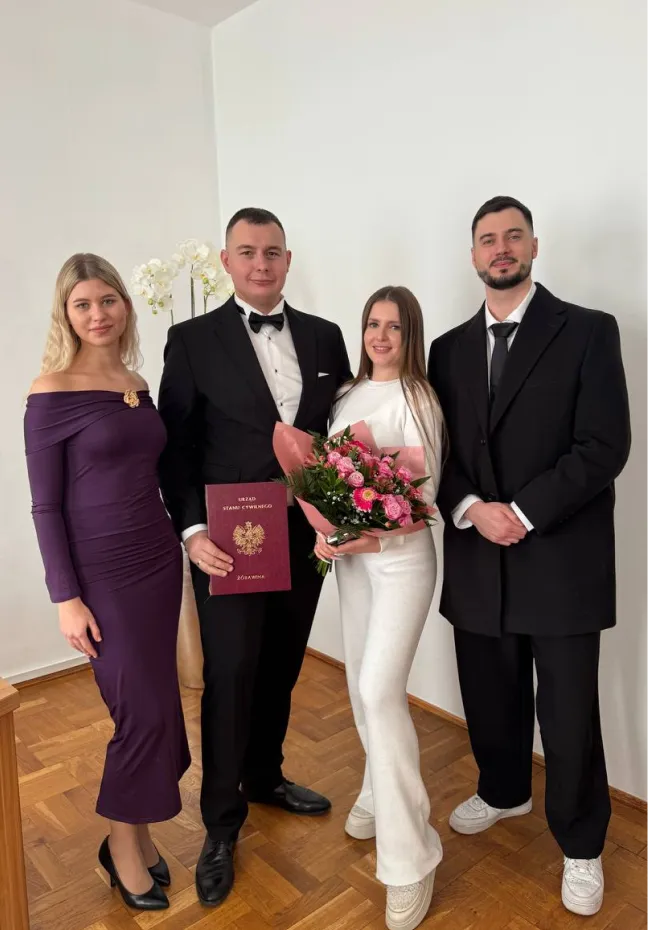
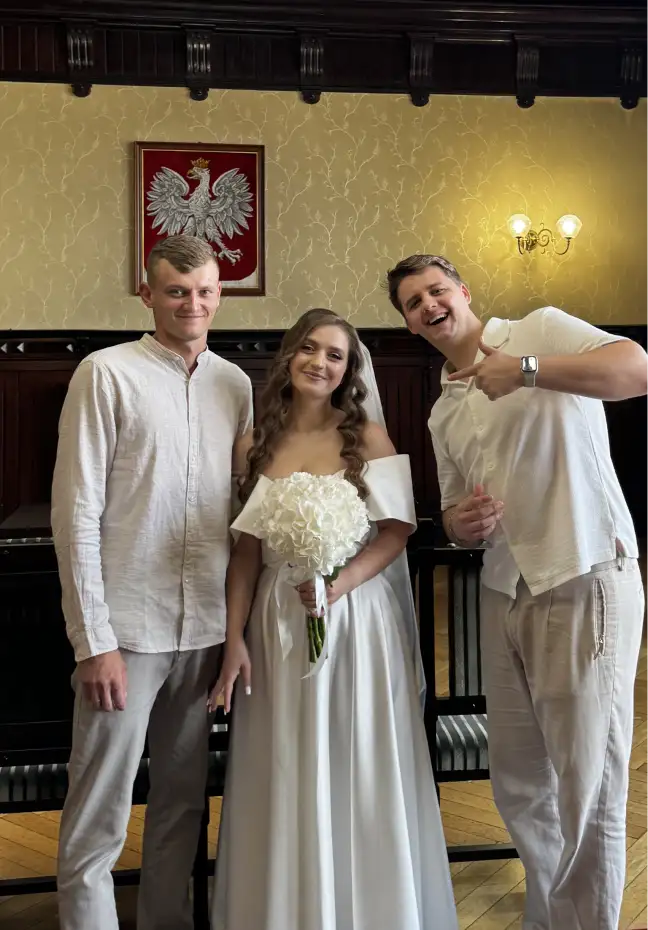
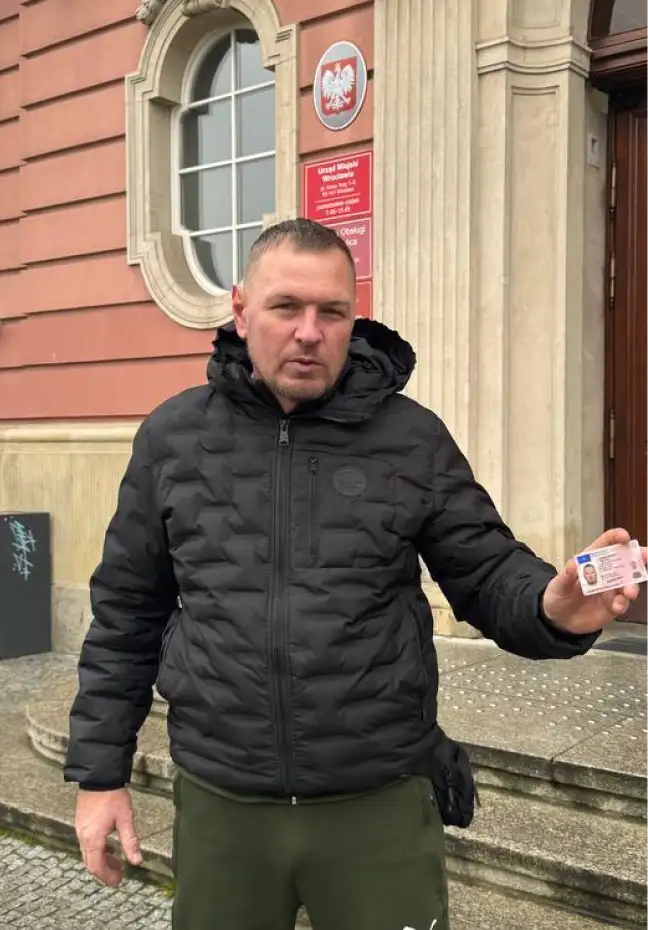
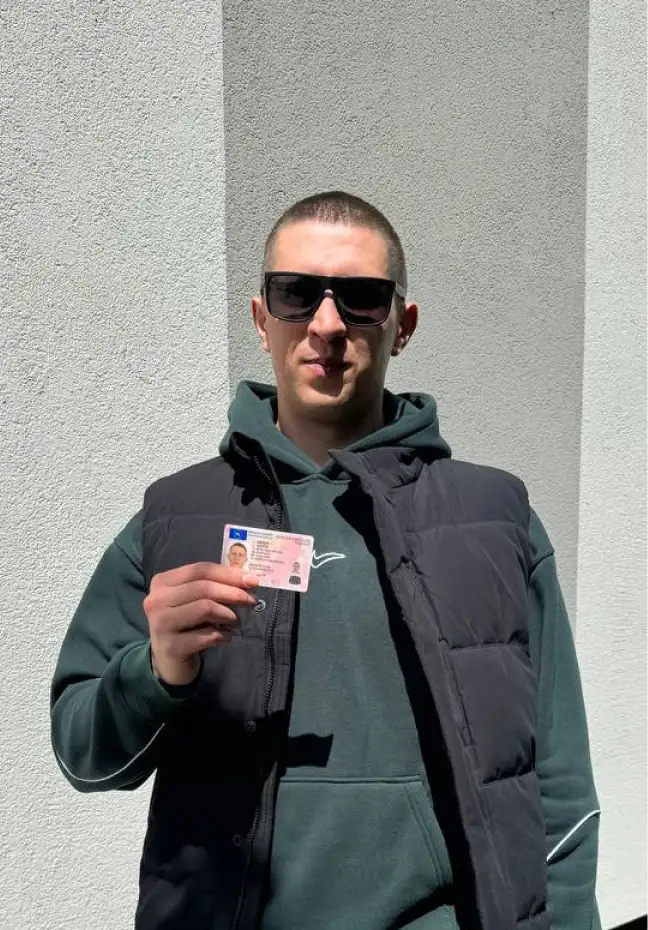
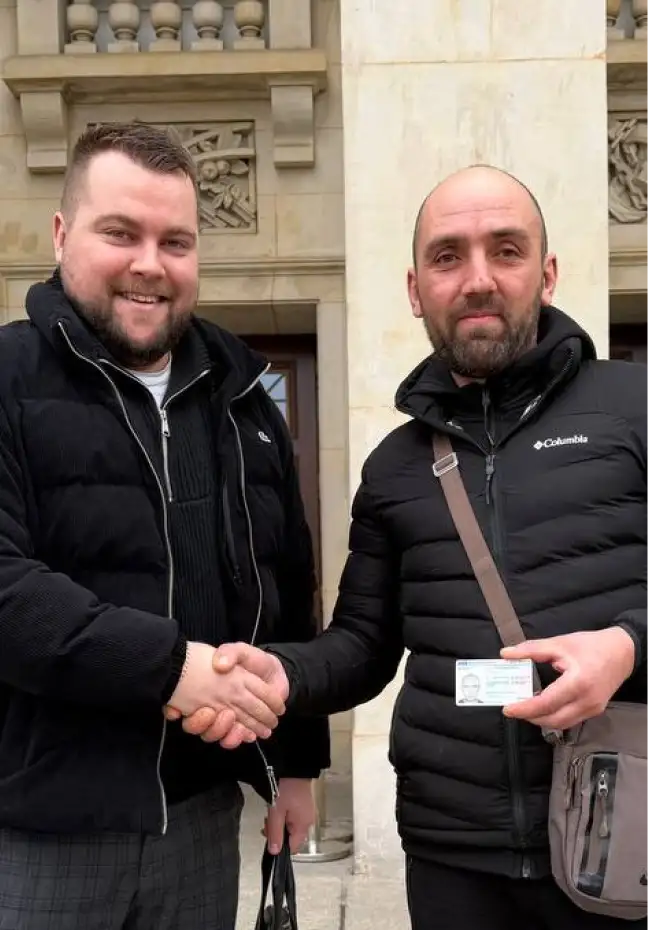
Client Photo Reviews
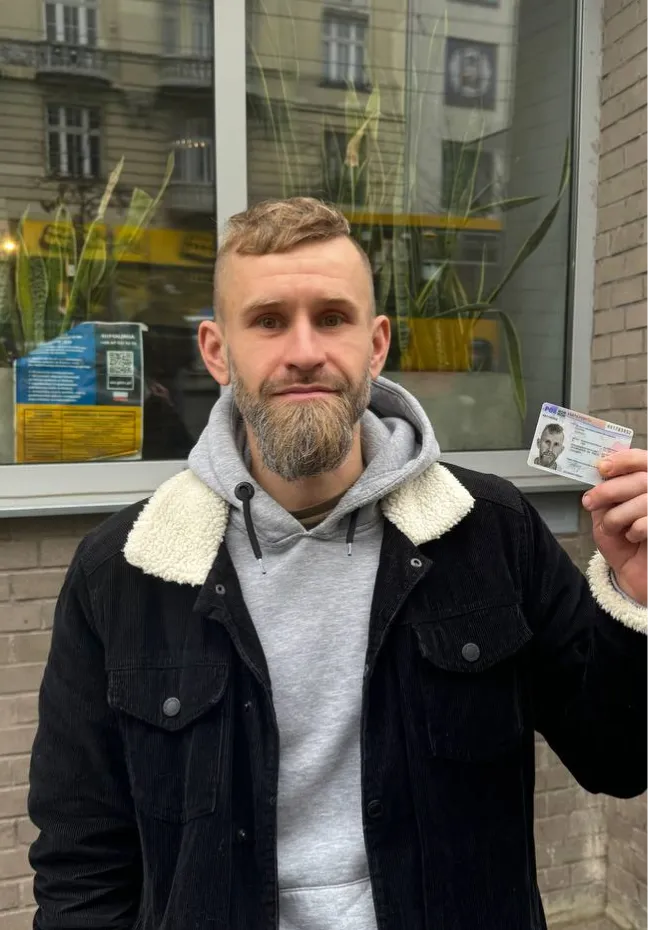
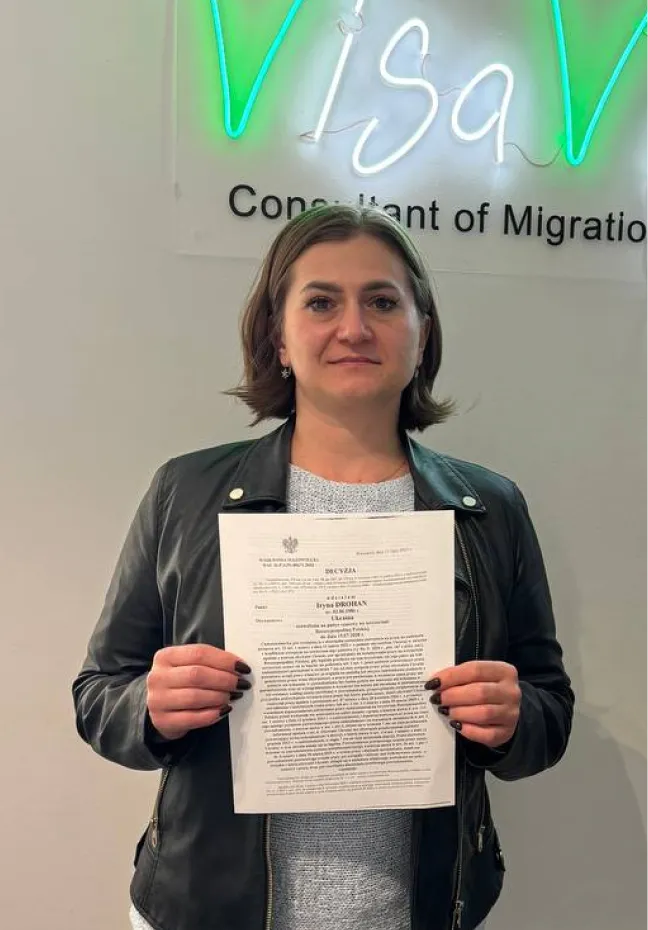
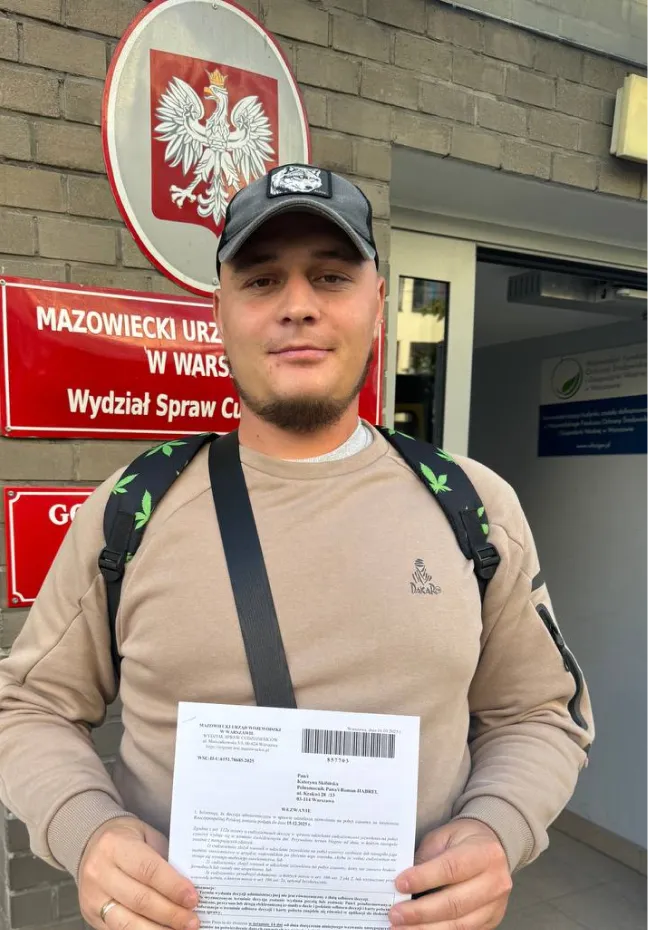
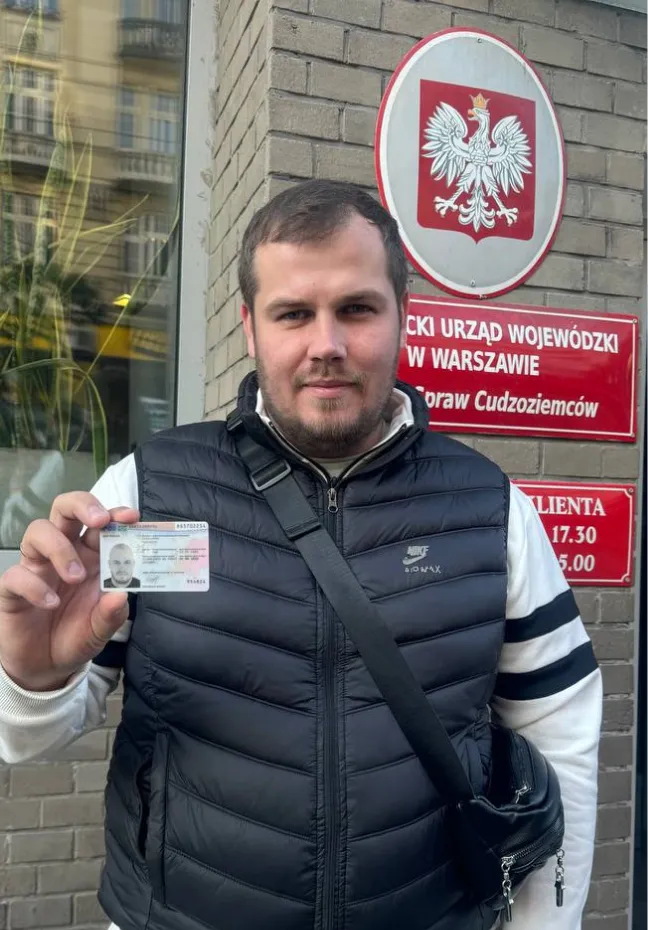
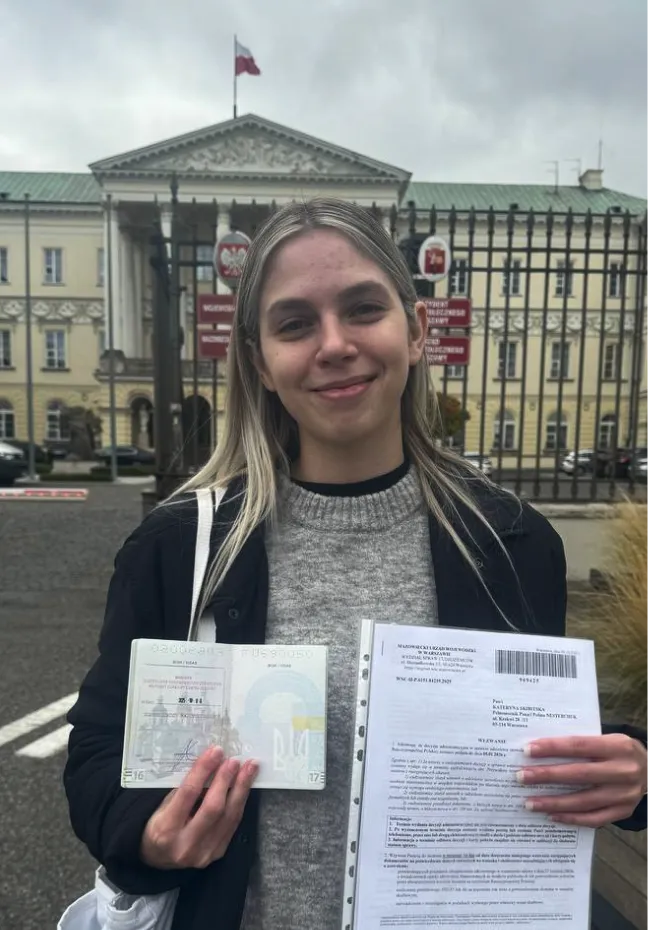

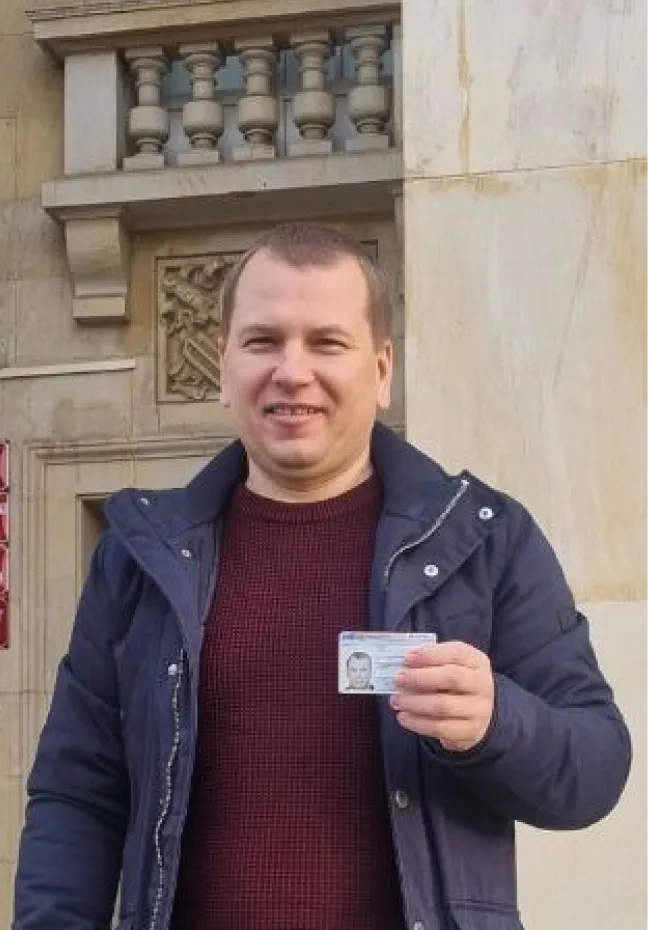
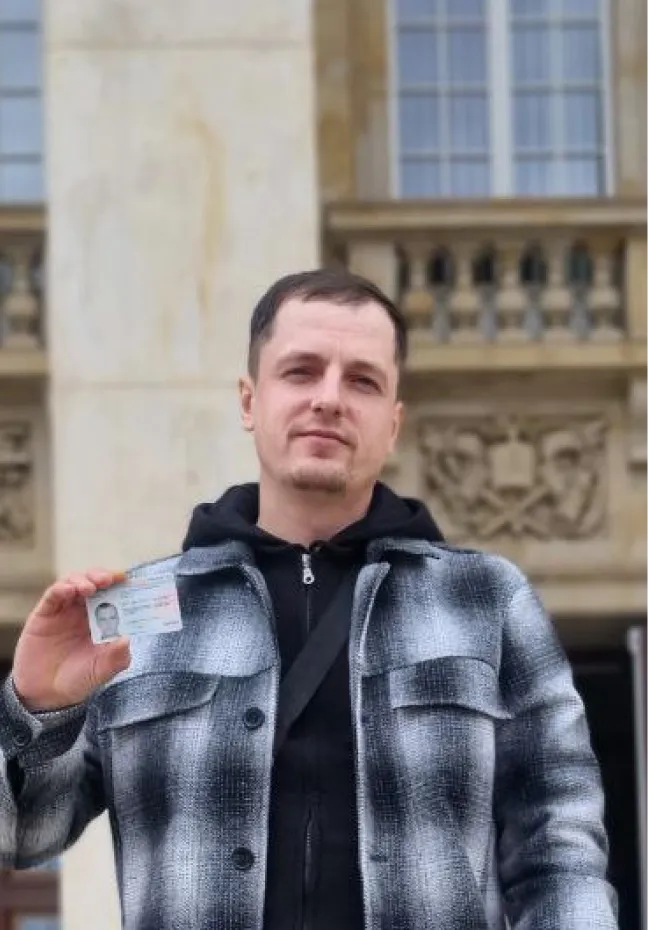
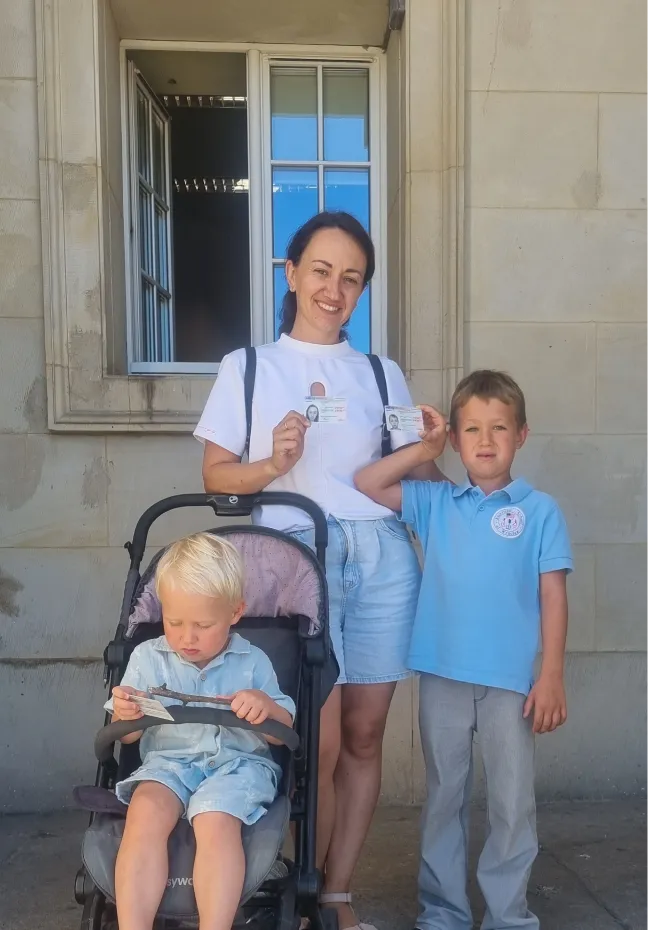
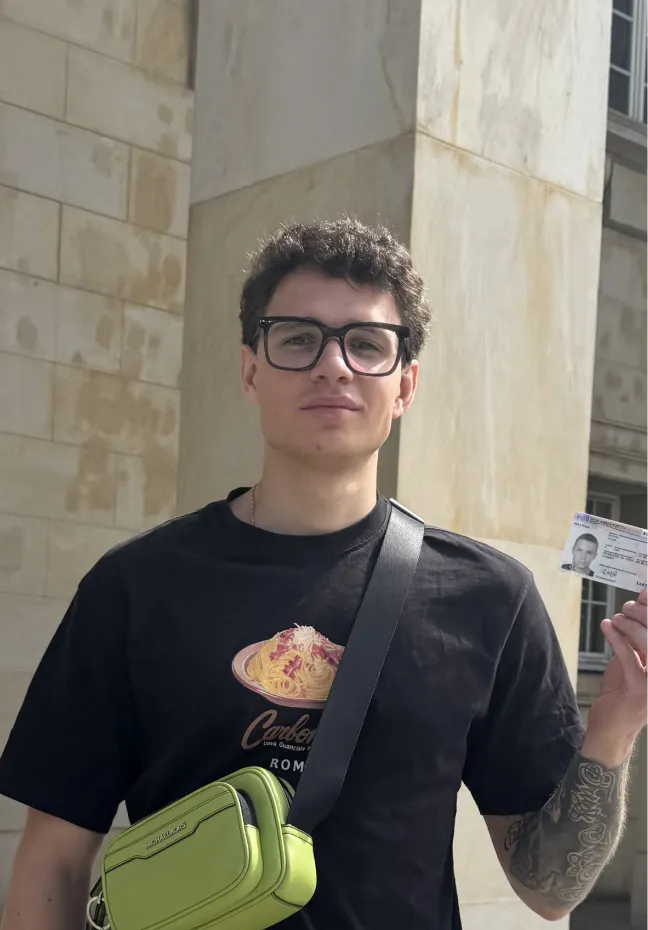
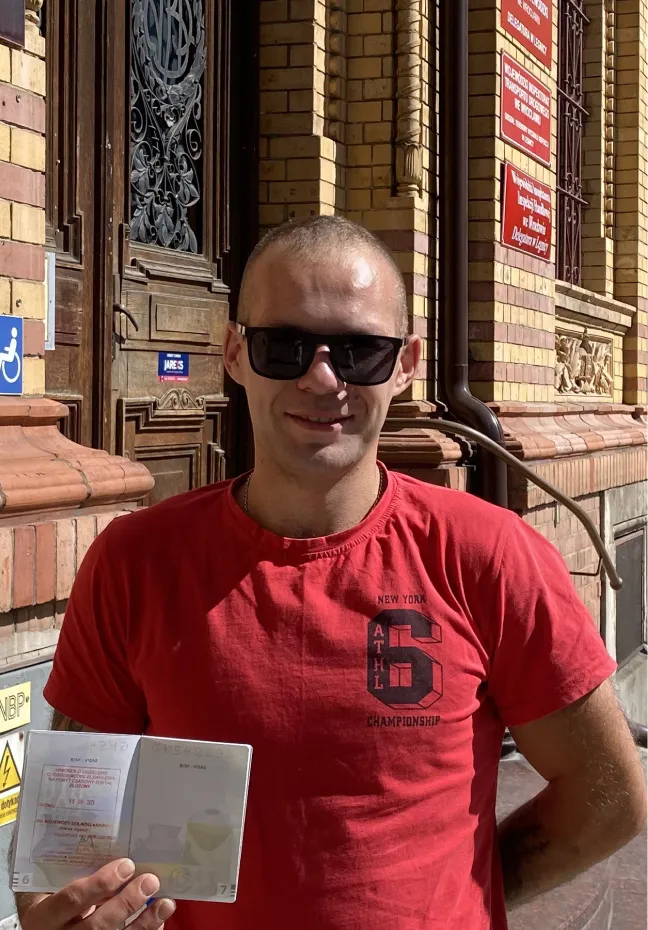
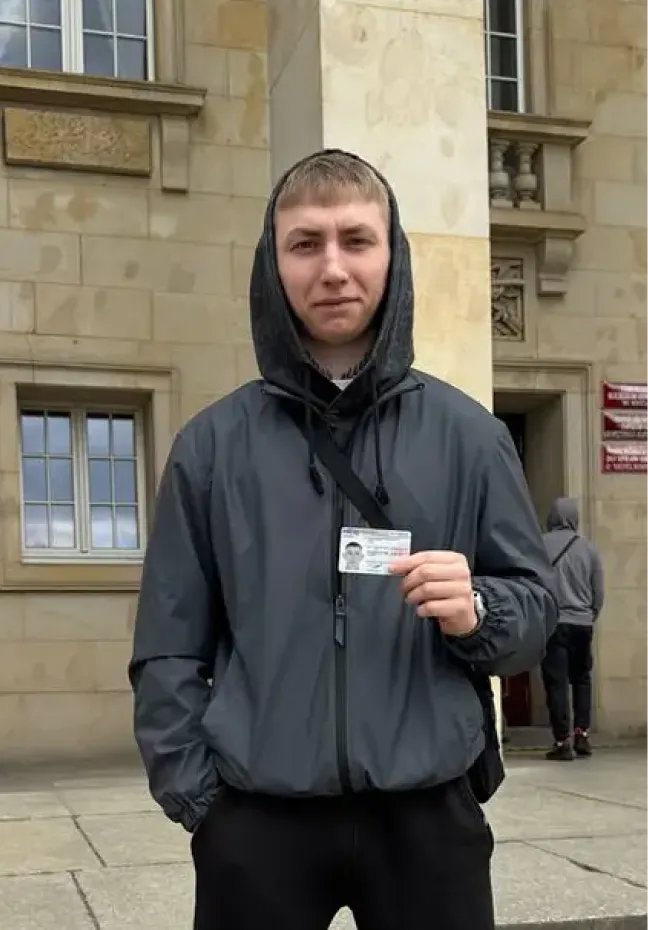
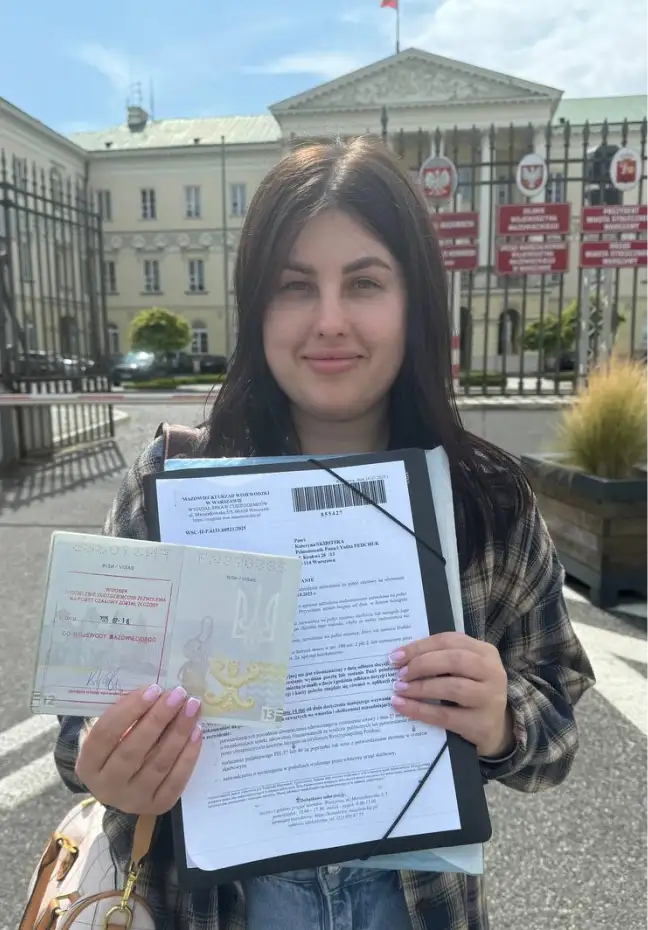
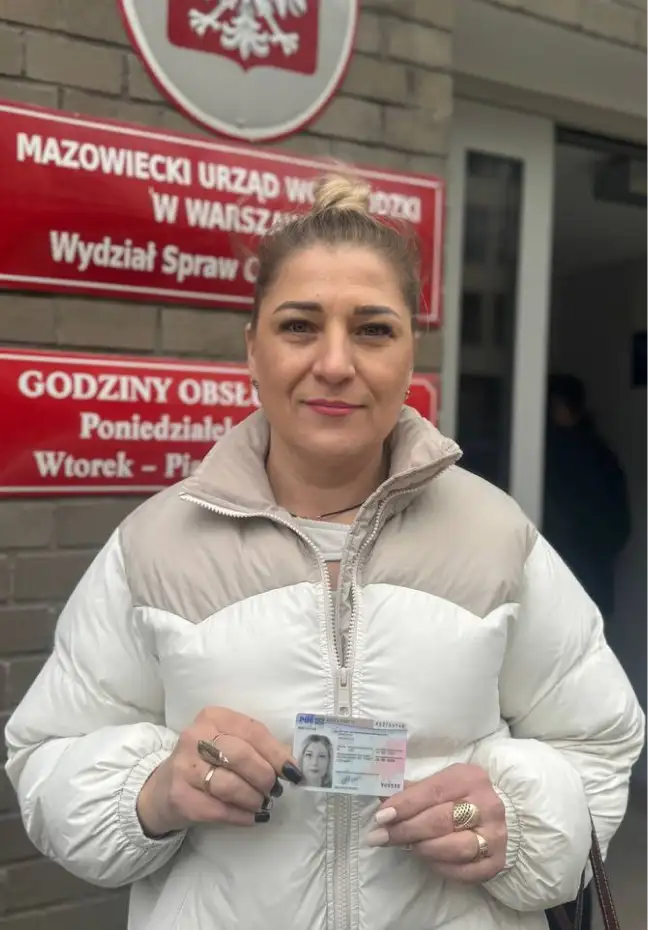




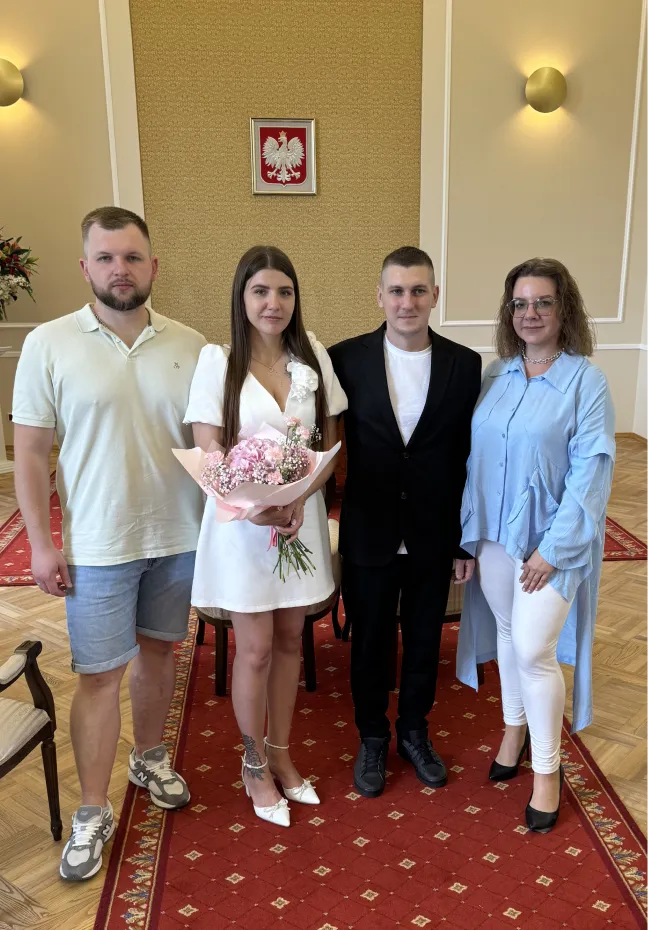
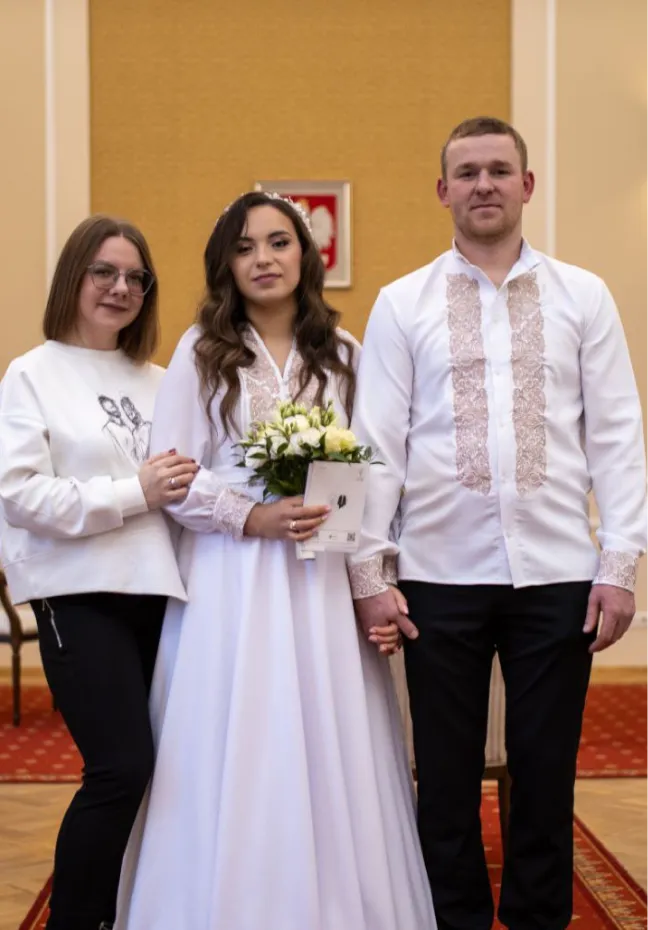
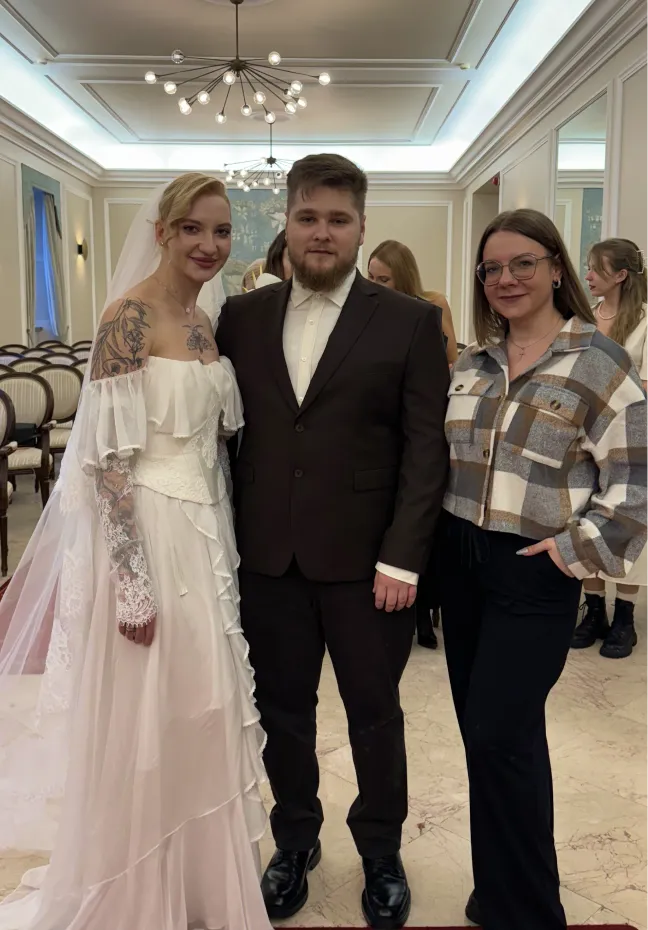
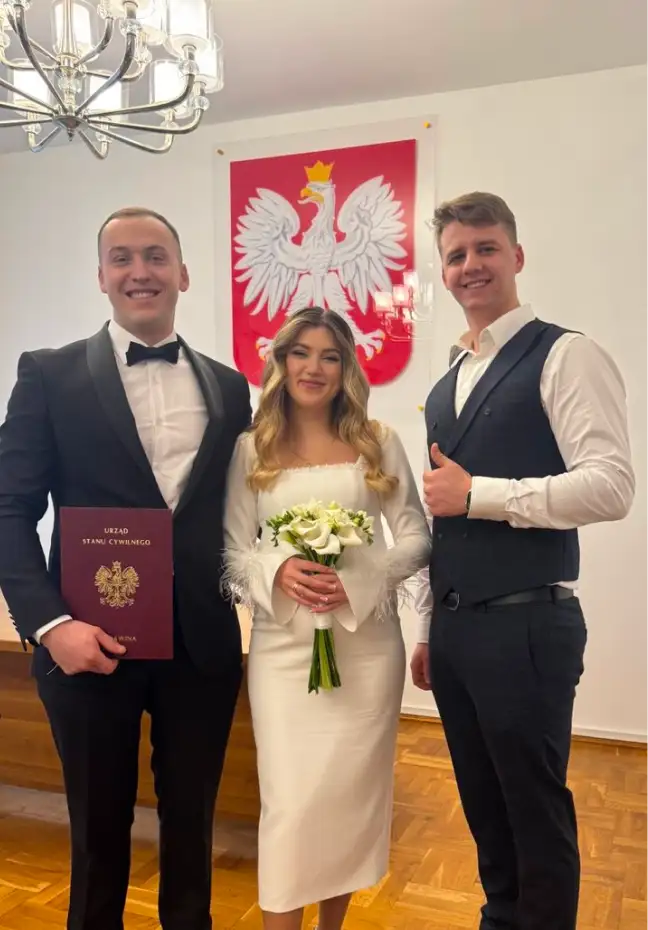
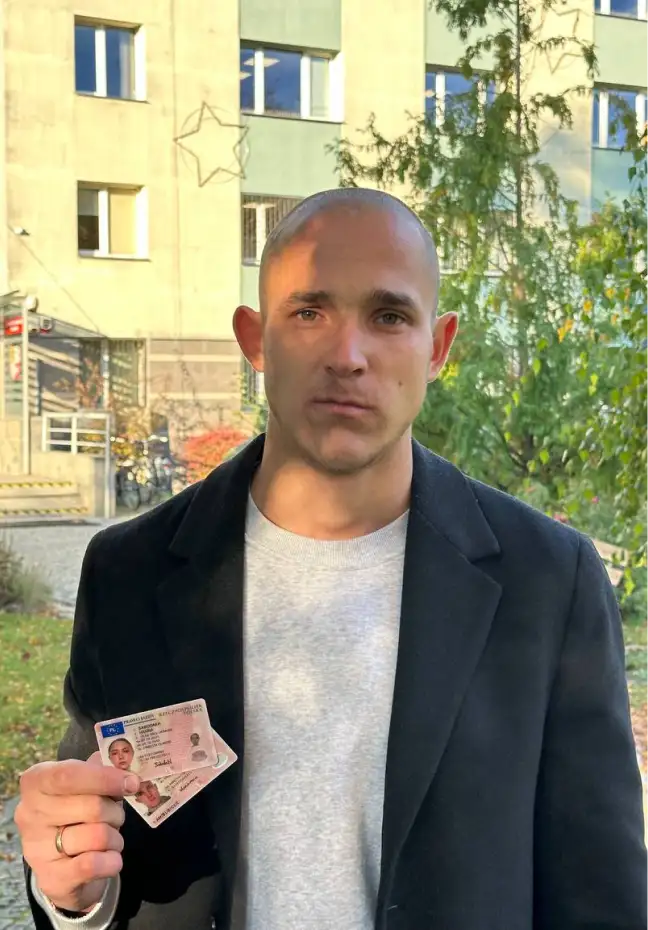
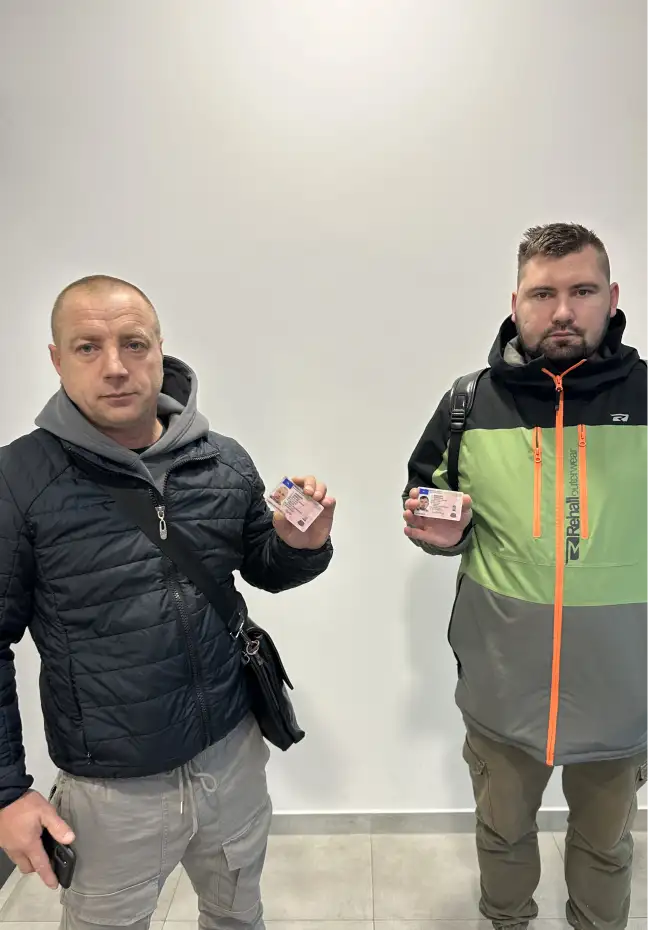
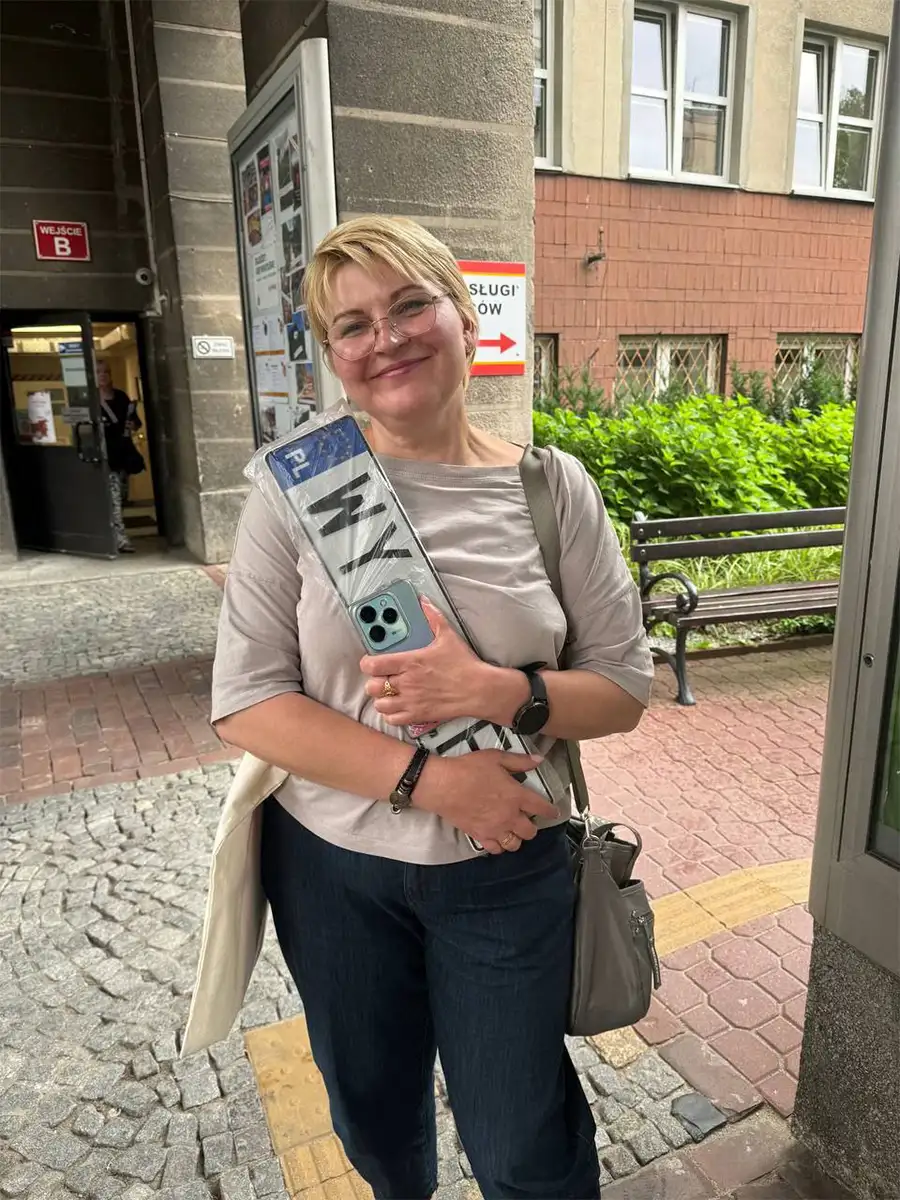
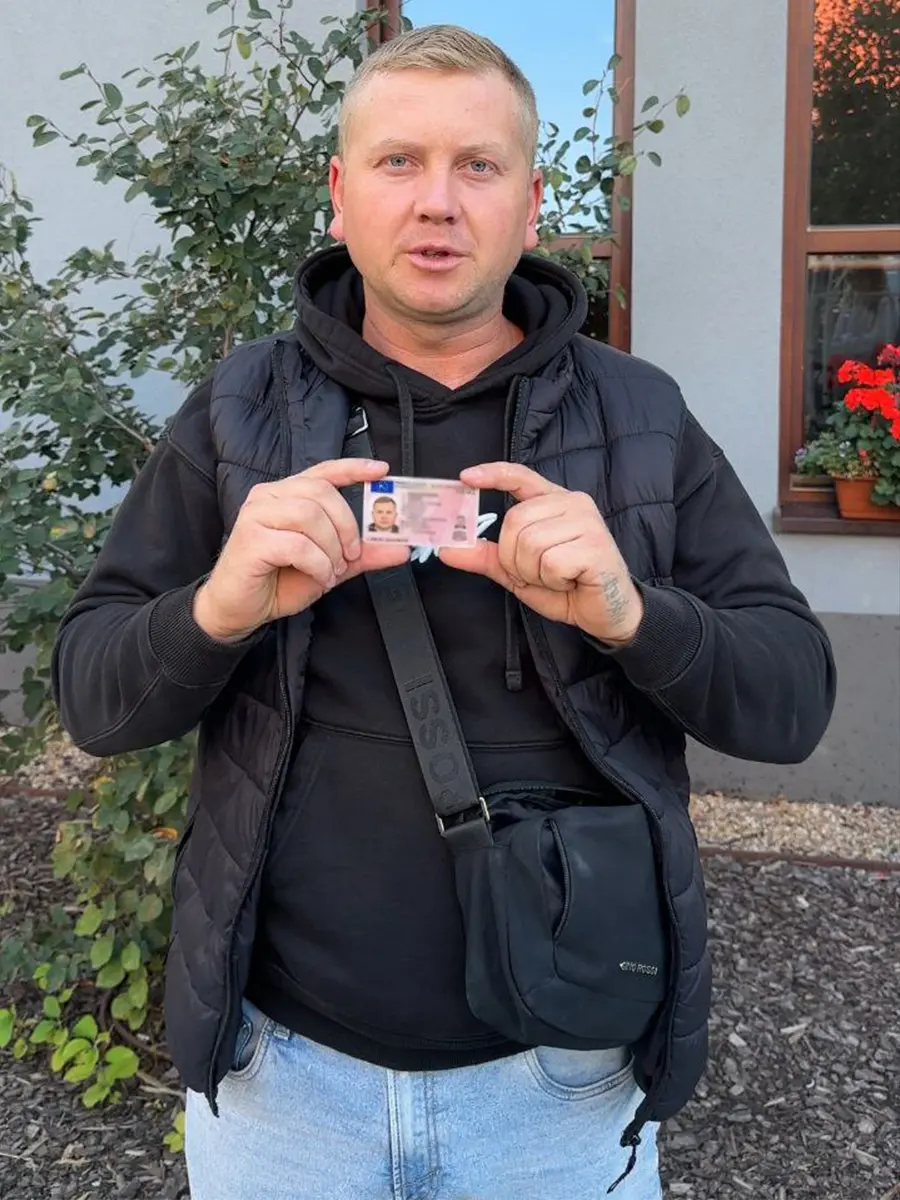
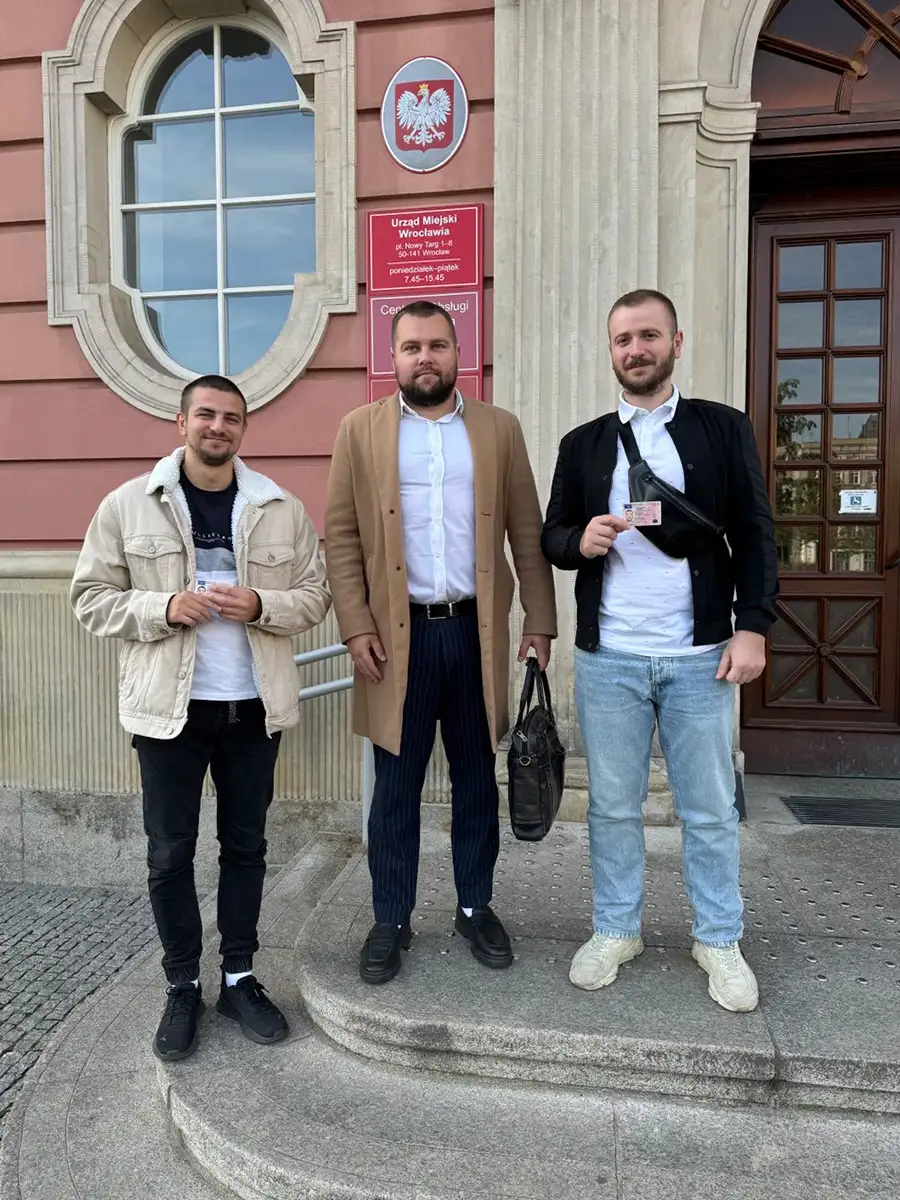
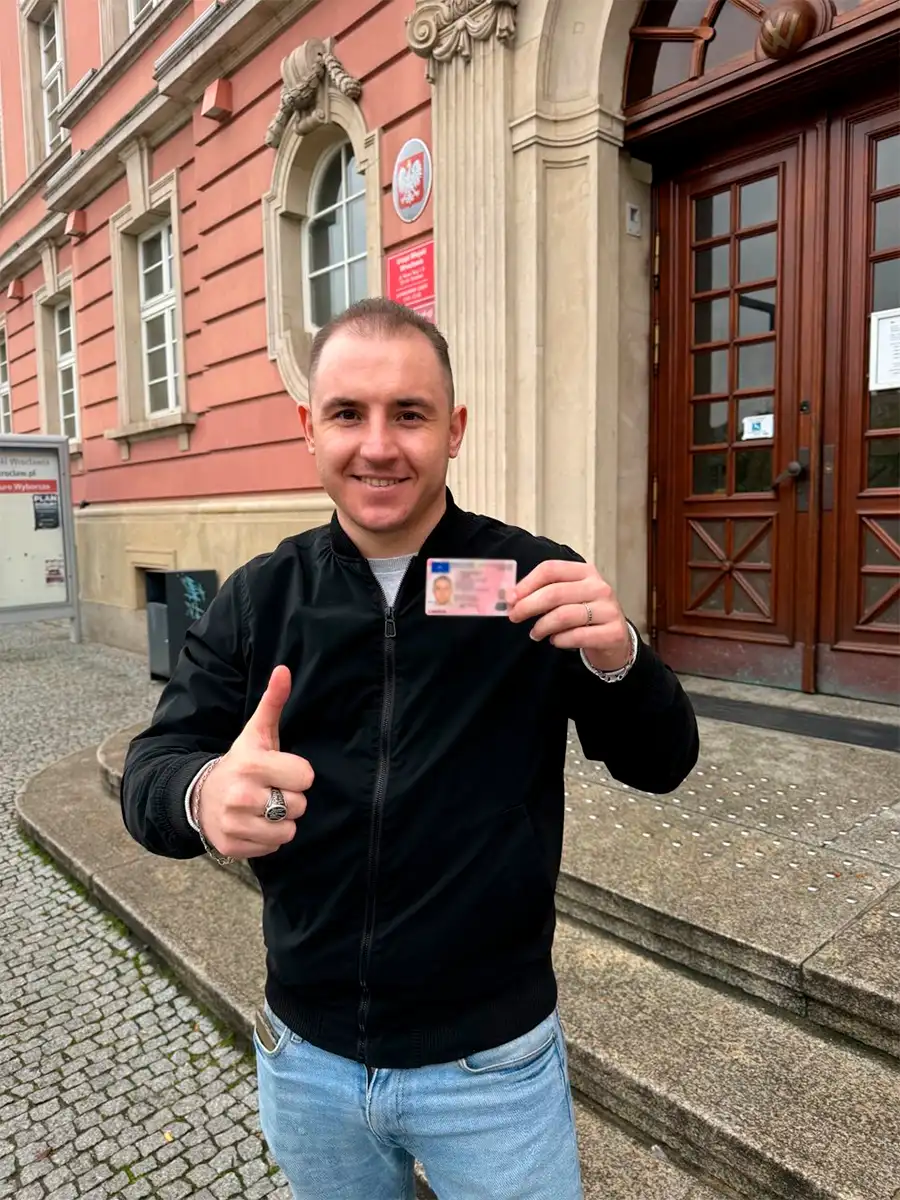
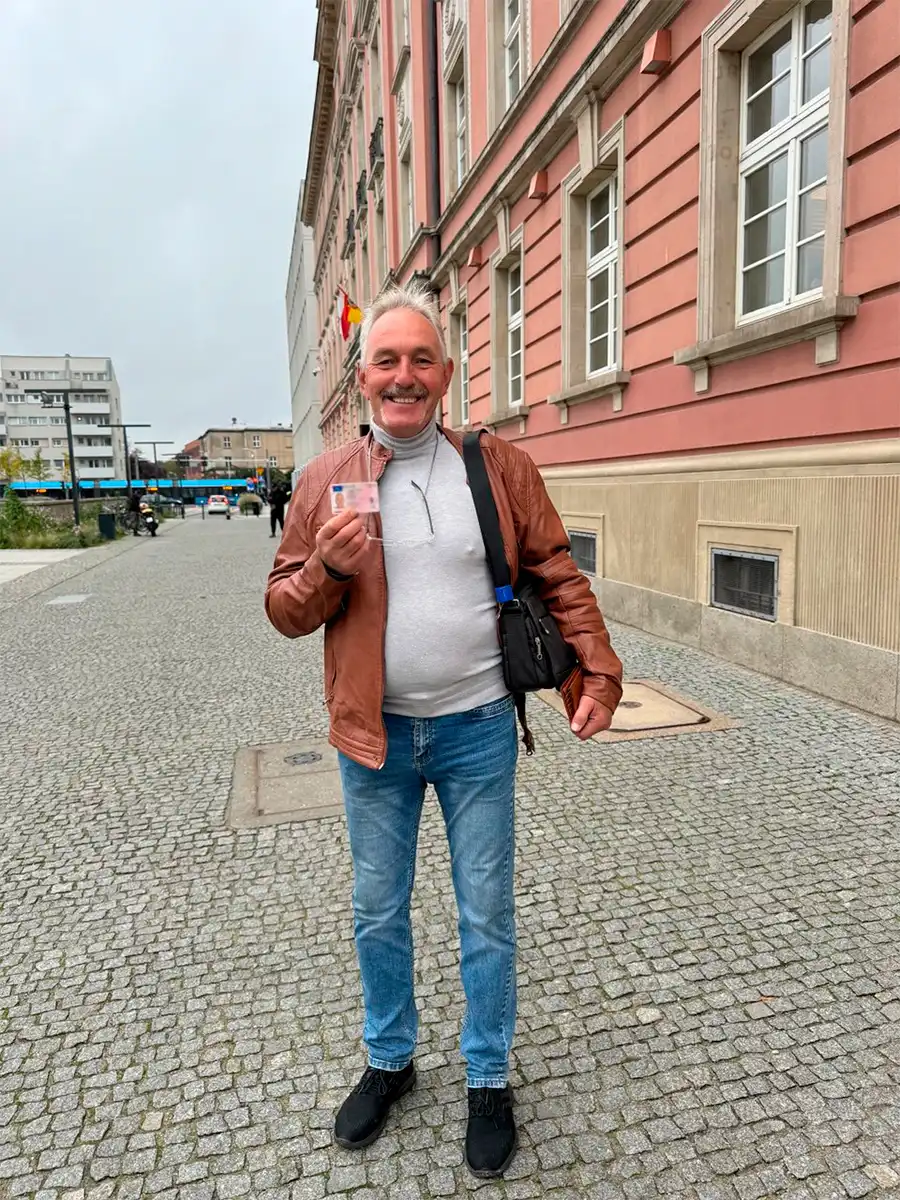
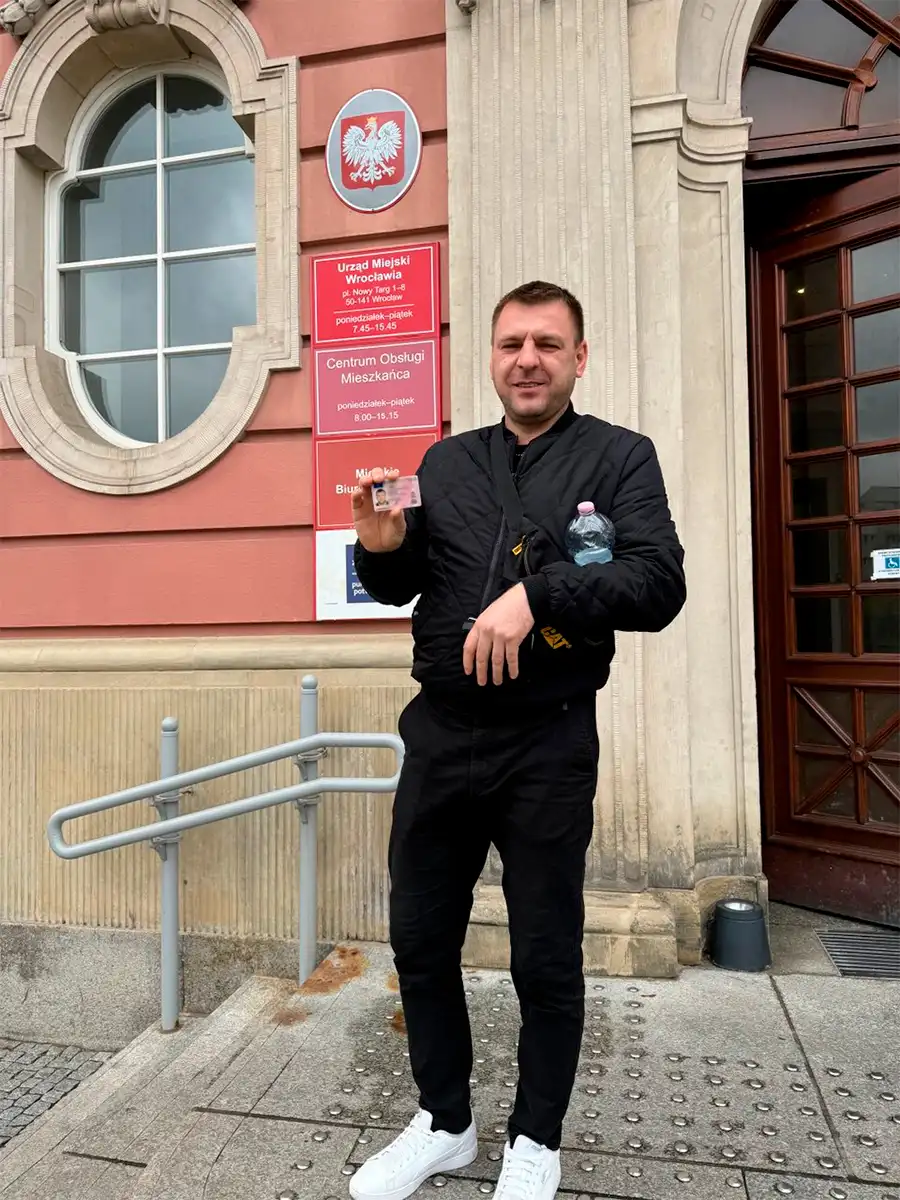
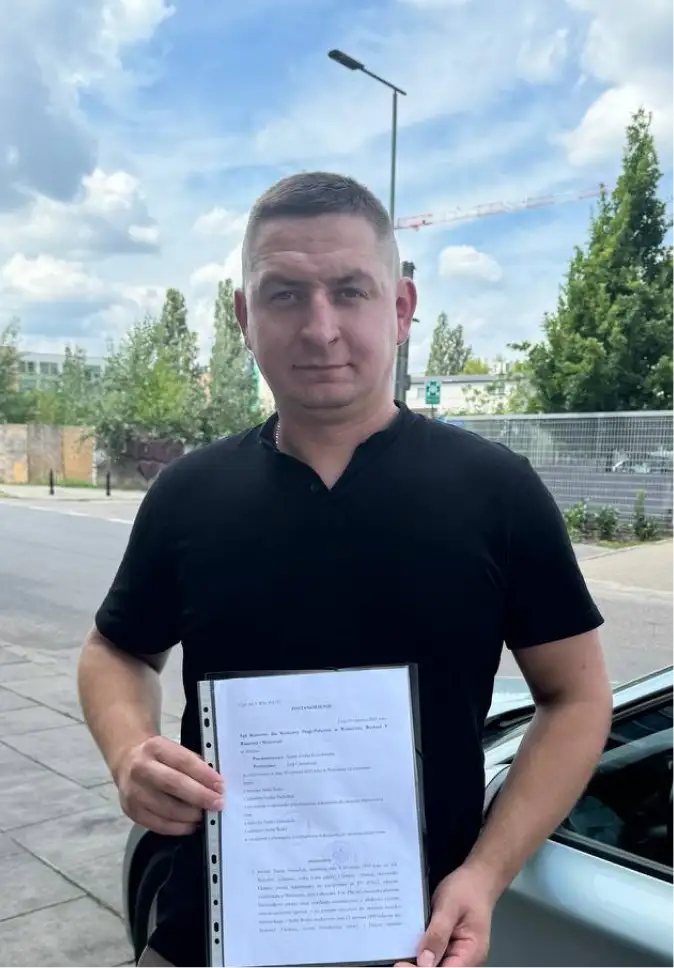
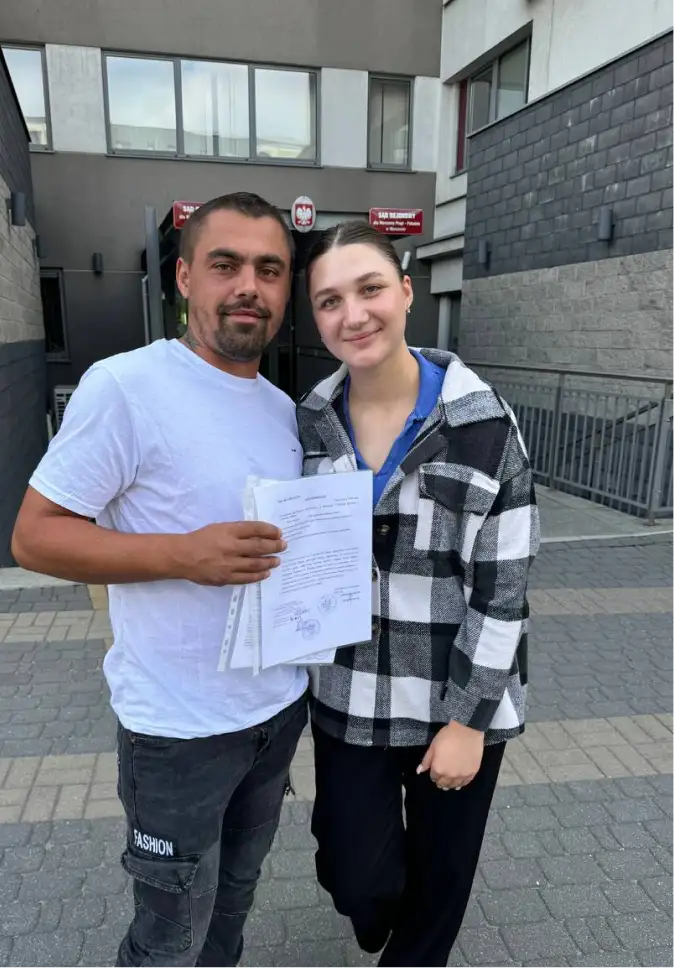
Polish Citizenship:
A Complete Guide for Foreigners
Obtaining Polish citizenship is a complex legal process that requires a strategic approach and a clear understanding of the law. For many foreigners, it represents the final stage of long-term integration in Poland, opening the door to a stable future without immigration restrictions.
It is important to understand that the path to citizenship is not universal — the procedure depends on your legal basis, residence history, family status, and the quality of document preparation. That is why, before starting the process, it is essential to evaluate all available options and choose the optimal strategy.
How to obtain Polish citizenship
Polish law provides several pathways to citizenship, each with its own legal nuances. Applicants often make mistakes already at the stage of choosing the legal basis, which may lead to refusal or significant delays.
The process begins with an analysis of the individual situation: length of residence, types of permits held, family ties, origin, and level of integration into Polish society are all taken into account. It is not enough to meet formal requirements — they must also be properly documented.
Before applying, it is advisable to evaluate:
- the legal basis for the application;
- compliance with residence time requirements;
- history of legal stay;
- potential risks that may influence the authorities’ decision.
Polish citizenship by descent
For individuals with Polish roots, this pathway is often the most effective. However, practice shows that confirming ancestry involves more than simply having a family history — it requires properly prepared archival evidence, translations, and solid legal justification.
In many cases, the process begins with searching for and analyzing documents that confirm links with Polish ancestors. Even minor mistakes or a lack of logical consistency between documents may complicate the procedure.
This pathway is suitable for those who have:
- Polish ancestry;
- a Polish Card (Karta Polaka);
- documents confirming historical ties to Poland.
Polish citizenship through naturalization
Naturalization is the classic pathway for foreigners who have lived in Poland for a long period and have integrated into society. Here, not only the number of years of residence matters but also the overall stability of the applicant’s life situation.
Authorities assess a range of factors demonstrating a genuine connection with the country, including professional activity, tax history, language skills, and social integration.
Typically considered:
- continuous legal residence;
- stable income and tax compliance;
- knowledge of the Polish language;
- no legal issues;
- integration into Polish society.
Polish citizenship through marriage
Marriage to a Polish citizen may significantly simplify the path to citizenship, but it is important to understand that marriage itself does not guarantee a positive decision. Authorities assess the authenticity of the relationship and compliance with residence requirements.
Particular attention is paid to evidence of shared life and stability of the relationship. Poorly prepared cases or a purely formal approach may trigger additional checks and delays.
The process considers:
- duration of marriage;
- cohabitation;
- legal residence status;
- compliance with legal requirements.
Polish citizenship for a child
Citizenship for children is governed by separate rules depending on the parents’ status and specific circumstances. In some cases, citizenship is granted automatically; in others, a separate procedure is required.
The process may include confirmation of parents’ citizenship, analysis of the place of birth, or legal decisions related to adoption. All details are important, as even minor formal inaccuracies may delay the procedure.
Main grounds:
- citizenship of one or both parents;
- birth in Poland under specific conditions;
- adoption by Polish citizens.
Required documents
The list of documents depends on the chosen legal basis; however, there is a core set that is customized for each case. It is important not only to collect documents but to build a logically strong package demonstrating full compliance with requirements.
Usually required:
- international passport;
- proof of legal residence;
- income documentation;
- Polish language certificate;
- proof of residence;
- documents confirming continuity of stay.
The structure and quality of the document package often play a key role in processing speed.
How long does it take to obtain Polish citizenship
Processing times may vary significantly depending on the legal basis, region of application, and case complexity. Official timelines may change due to office workload or additional verification requirements.
Approximate timelines:
- by descent — from 2 years;
- through marriage — from 3 years;
- by naturalization — after approximately 8–10 years of residence.
After submission, the review usually takes several months if the documents are prepared correctly and do not require additional clarification.
Common reasons for refusal
Most refusals are not related to lack of eligibility but to preparation mistakes or insufficient evidence. Therefore, it is important to consider potential risks before applying.
Most common reasons:
- non-compliance with legal requirements;
- incomplete or illogical document package;
- income or tax issues;
- inconsistencies in residence history;
- criminal records or administrative violations.
Why the right application strategy matters
Citizenship is a complex legal process that requires not only document collection but also a well-structured strategy. A comprehensive approach helps minimize risks and significantly increases the chances of a positive decision.
A properly prepared case takes into account all nuances — from document logic to potential questions that may arise during the review process.
Frequently Asked Questions
Yes, through naturalization or marriage, provided that the legal requirements are met.
Yes, it is mandatory for adults. Children under 18 are exempt.
Poland allows dual citizenship, but you should also consider the regulations of your home country.
Yes, but mistakes often lead to refusals or multi-year delays.
In most cases — yes, although there are exceptions depending on the legal basis.
It depends on the legal basis and the complexity of the case. We provide pricing after analyzing your situation.
Yes, but they can be properly addressed and managed.
Formally — no, but a well-prepared application can reduce delays.
Yes, we handle and support family cases.
Submit a request for a free consultation.