Expedited Permanent Residence Card Processing in Poland
This is a lawful legal mechanism that allows you to activate the review of your case, compel the immigration office to act within administrative deadlines, and obtain a decision without unnecessary risk of refusal.
What You Should Know
About Expediting a Permanent Residence Case
-
What Expediting a Permanent Residence Card Means in Practice
Expediting is not about skipping the line or receiving a “privilege.” In Polish administrative law, it means exercising your legal right to have your case reviewed within a reasonable timeframe. If the authority fails to issue a decision, does not respond to inquiries, or does not carry out procedural actions, a foreign national has the right to demand an official response.
In practice, expediting may include:
- formal submissions regarding the office’s inaction;
- legally grounded motions to advance the case;
- monitoring compliance with administrative deadlines;
- resolving procedural “blocks” that prevent the case from moving forward.
The main goal is to obtain a response or decision — not to create conflict with the authority.
-
Why Permanent Residence Cases Often Take Years
A permanent residence card involves a thorough review of the applicant. The immigration office examines not only the submitted documents, but also the overall history of stay in Poland. Even minor inaccuracies may not lead to a refusal, but can result in repeated checks and significant delays.
The most common reasons for delays include:
- a complex or non-standard legal basis for permanent residence;
- changes in employment, business activity, or family status;
- periods of absence from Poland requiring additional explanations;
- doubts about the stability of income;
- heavy workload at a specific office or the absence of an assigned case officer.
In such situations, passive waiting rarely works — a proactive yet legally sound approach is required.
-
When Expediting a Permanent Residence Card Makes Sense
Expediting may be justified if:
- a significant amount of time has passed since submission without any response;
- you are not receiving letters, requests, or status updates;
- the office has formally accepted the documents but is taking no further action;
- your inquiries remain unanswered;
- your case has been pending significantly longer than similar cases.
Before initiating any action, we always assess whether expediting could create additional risks. Only after that do we propose a tailored legal strategy.
-
How VisaV.pl Handles Permanent Residence Case Acceleration
We do not use standard templates. Each case is analyzed individually, taking into account the voivodeship, the legal basis of the application, and the client’s immigration history.
Our work includes:
- detailed case and document analysis;
- verification of compliance with administrative deadlines;
- preparation of legally sound submissions;
- monitoring the office’s response and next procedural steps;
- full support until a final decision is issued.
We do not promise a “fast card,” but we genuinely influence the progress of a case where the law allows it.
Get a Free Consultation Right Now!
Leave a request and we will consult you as quickly as possible!
Video Testimonials
Our specialists are always ready to provide assistance and support on
at each stage of cooperation

Owner of VisaV.pl / Board Community Member

Head of VisaV.pl

Head of the legalization department, expert in document processing in Poland

Legalization specialist in Warsaw.

Sales Manager, Communication and Customer Service Expert

Specialist in marriage registration and document processing

Legalization Specialist

SMM Specialist

Accounting Specialist

Legalization Specialist

Administrator

U.S. Marriage Organizer

Marriage Department Technical Specialist
Partner in Europe
We don't just provide services – we help you achieve your goals.
Our approach is based on trust, quality and individual approach. We work to ensure that each client receives a quick, convenient and effective solution to their issues.
We analyze your situation in detail and offer solutions that best suit your needs.
We work quickly without losing quality, and guarantee 100% compliance with legal requirements.
Our team is made up of experts who have helped thousands of clients with legalization and documents.
We accompany you at every stage, providing detailed advice and assistance in any issues.
The VisaV.pl team speaks Ukrainian and Russian, which makes communication easier for clients from the CIS countries.
Client Photo Reviews



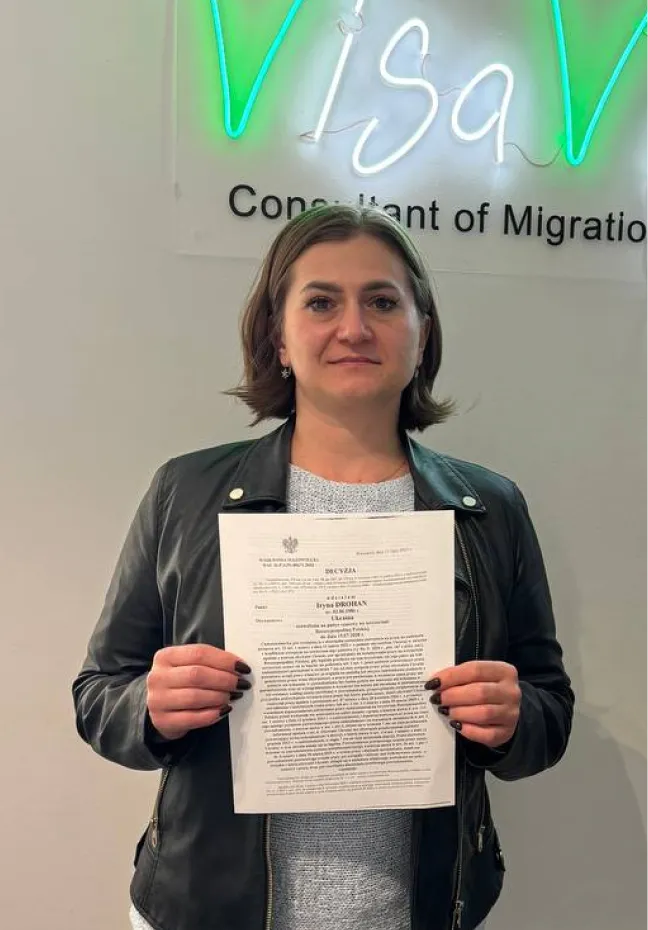
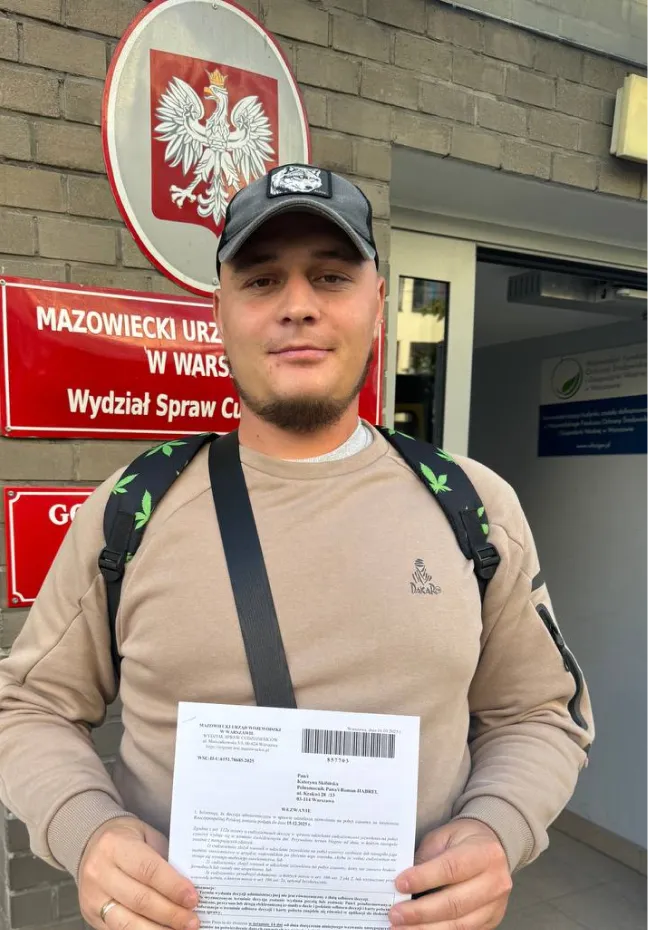
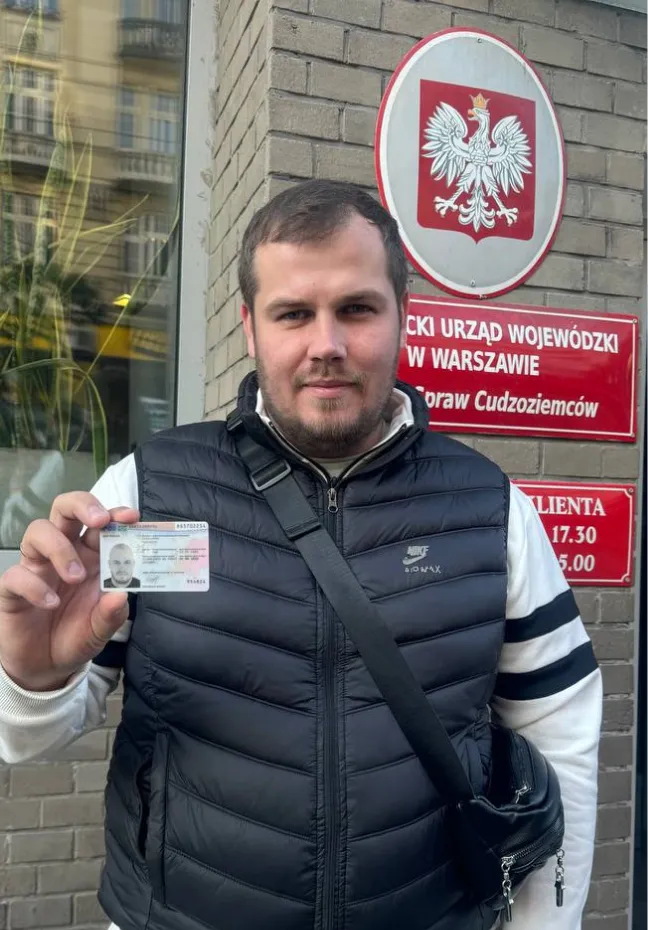
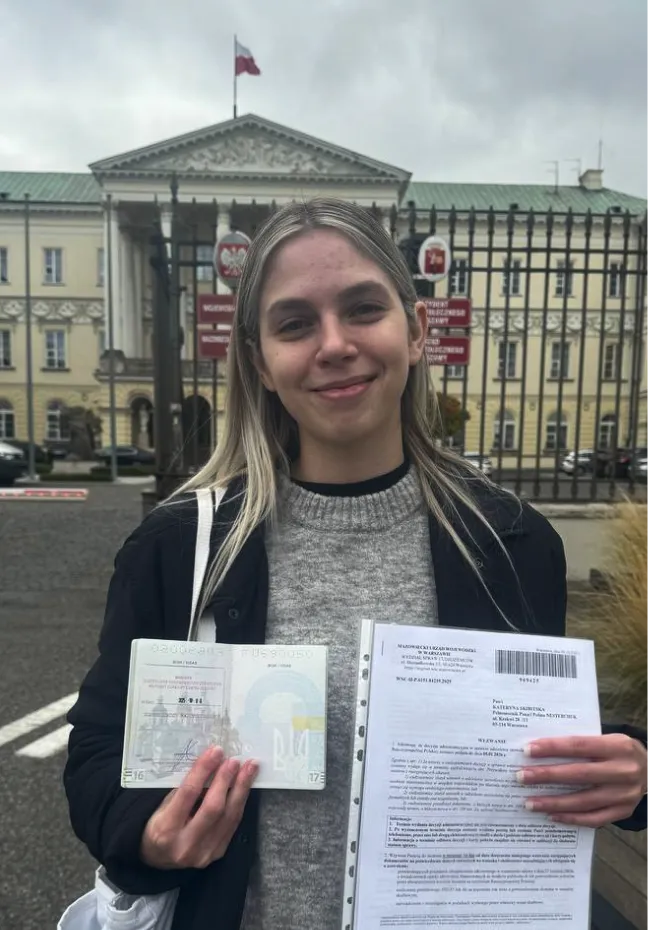

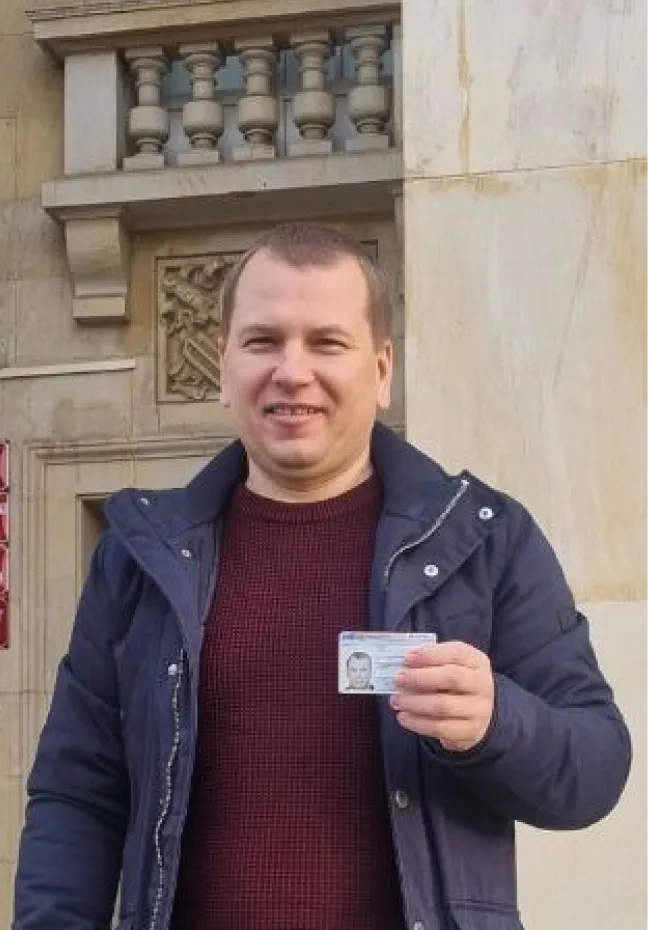




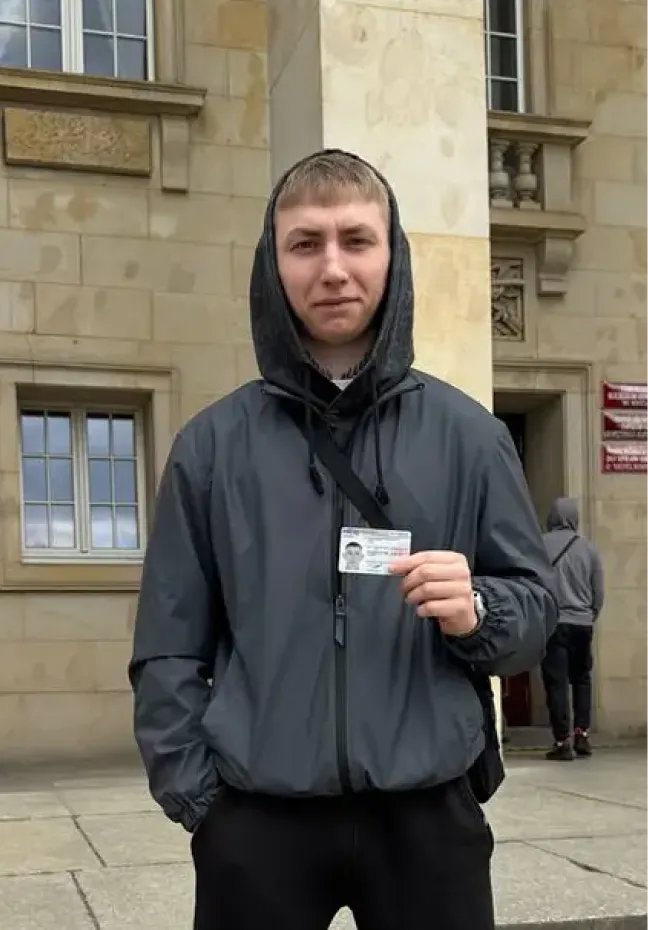
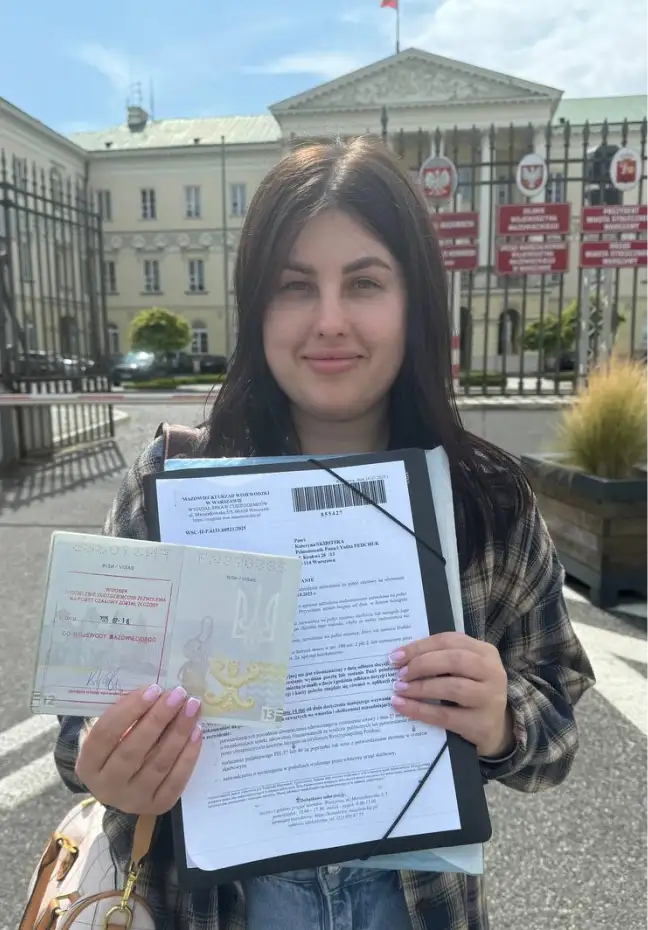
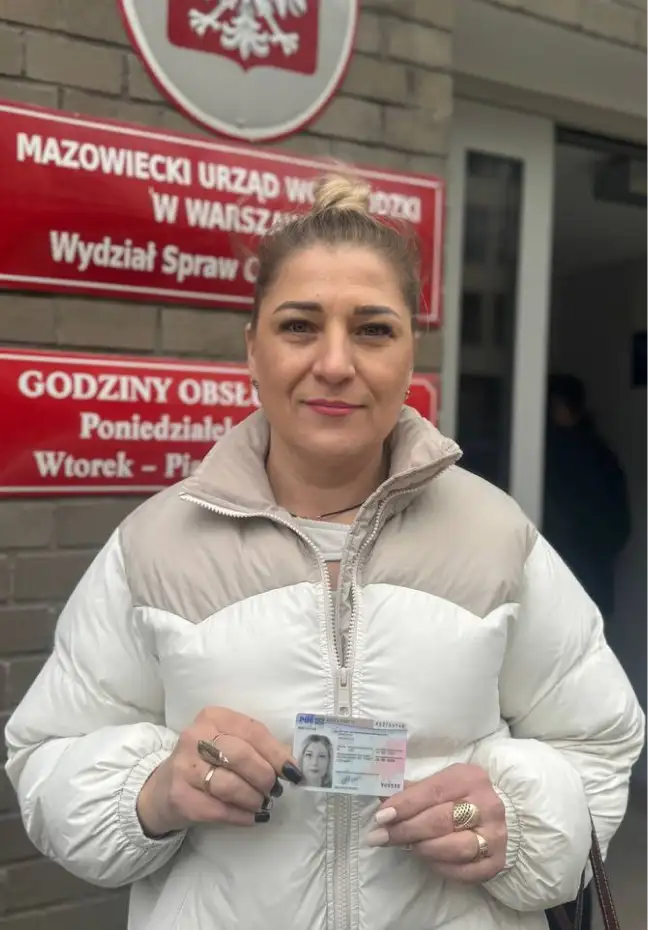


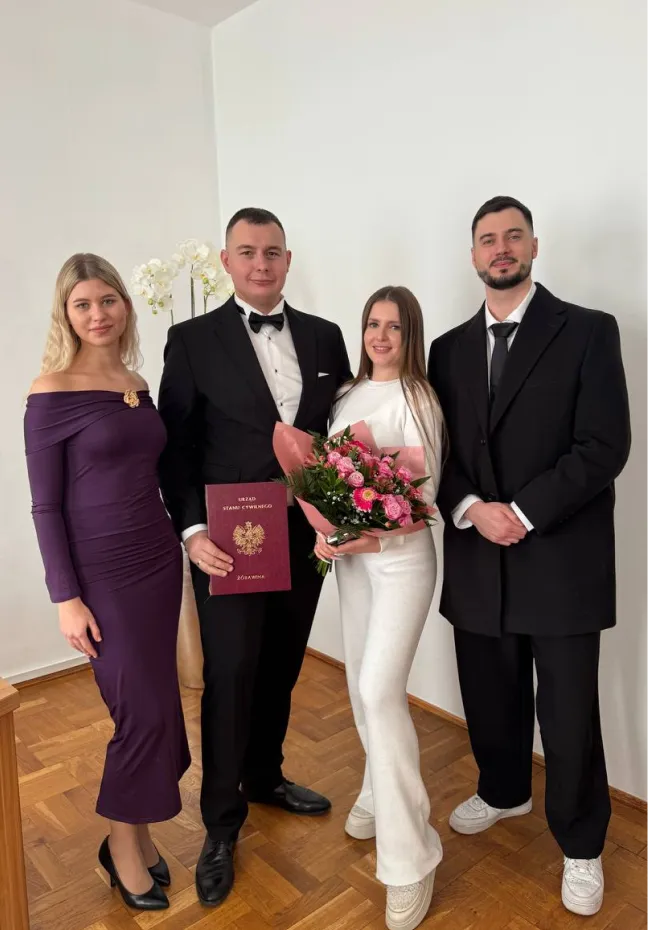





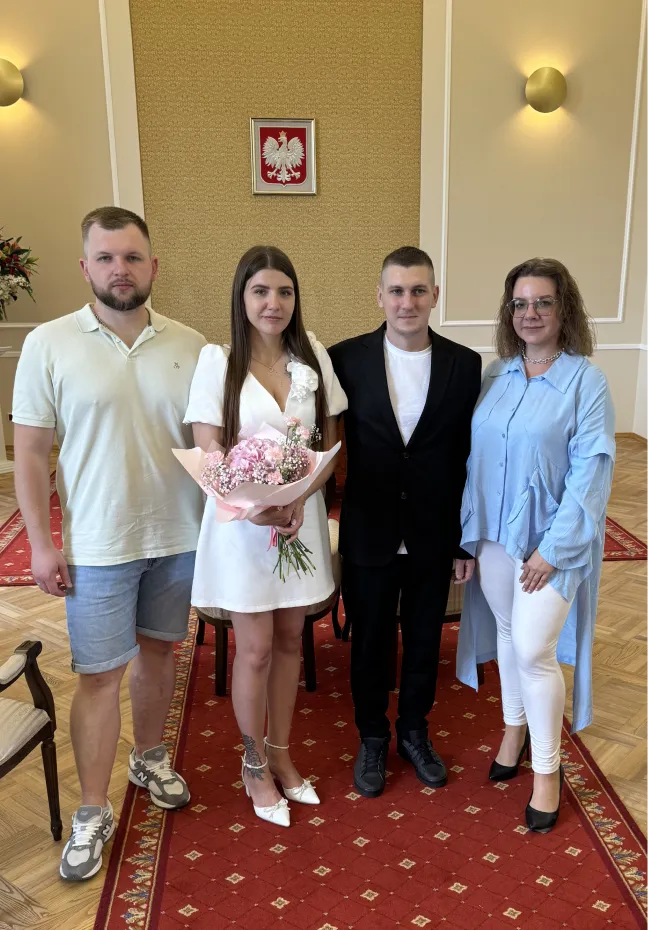




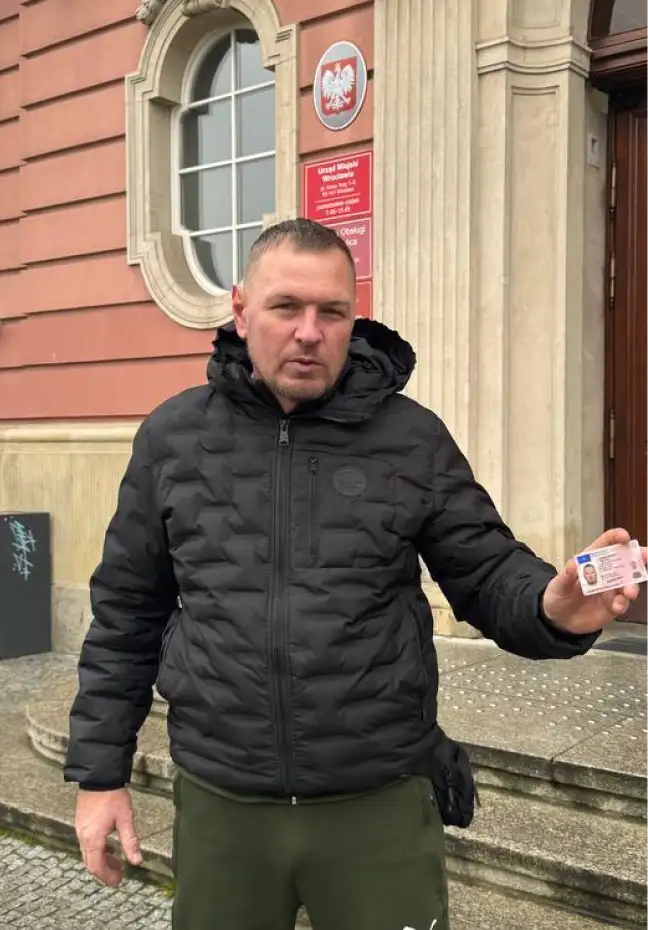



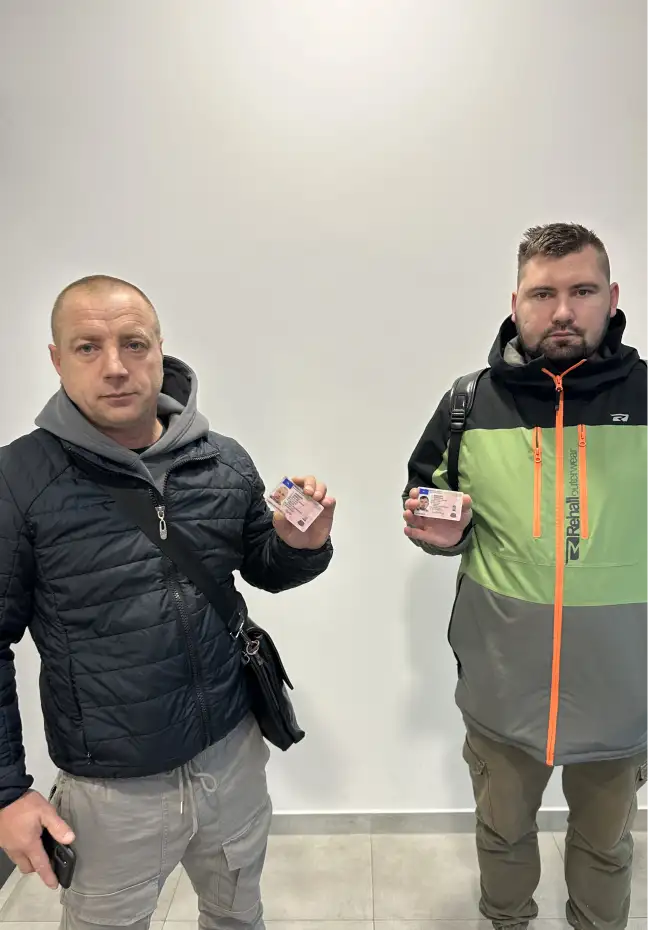

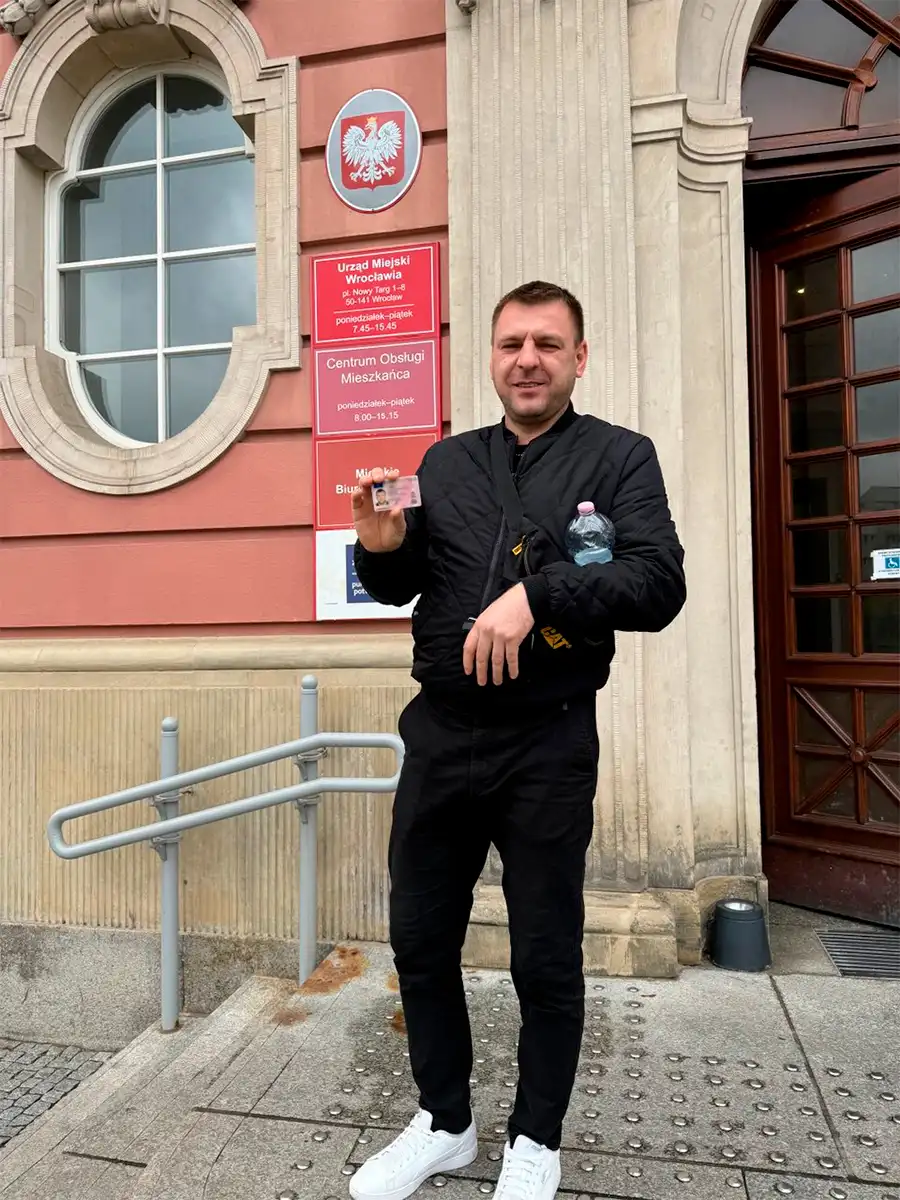
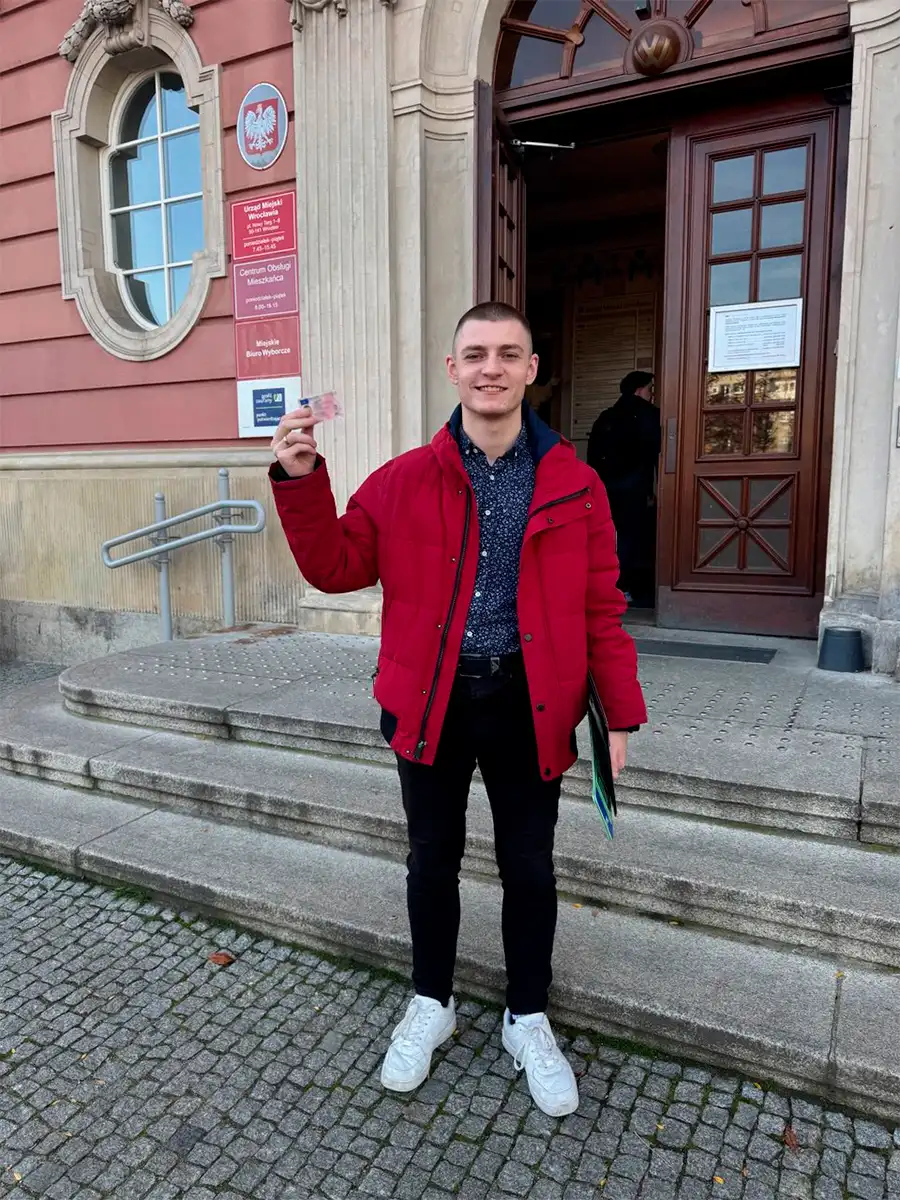
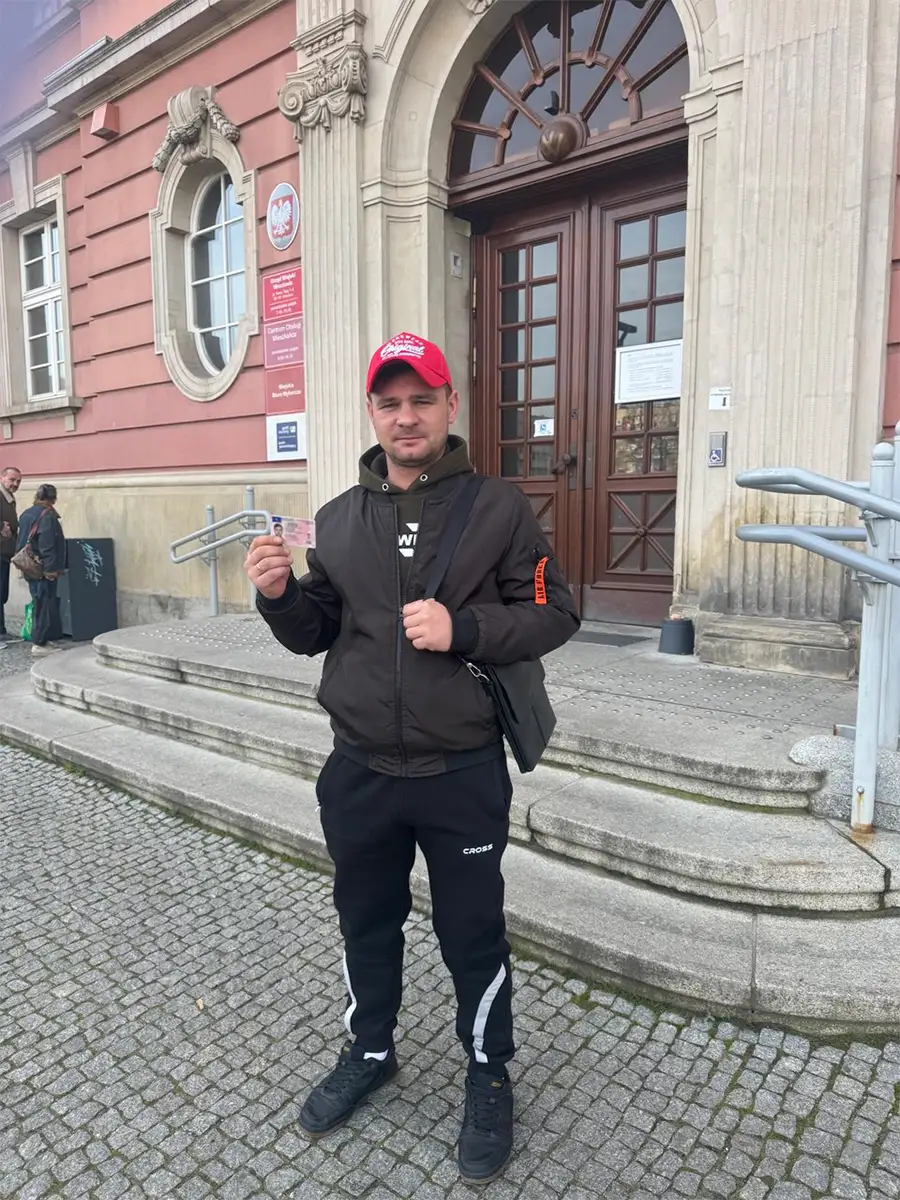
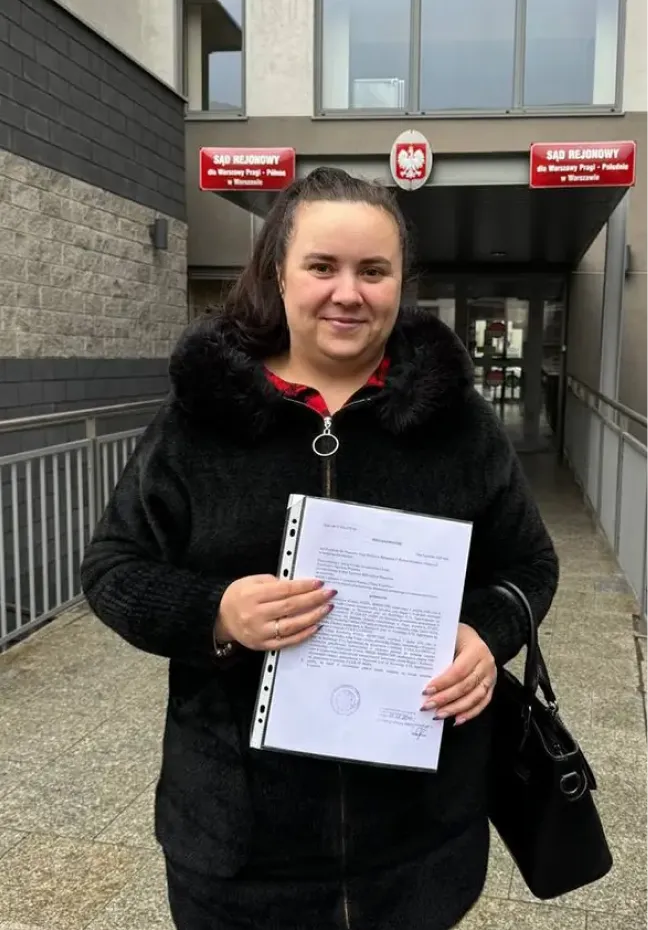
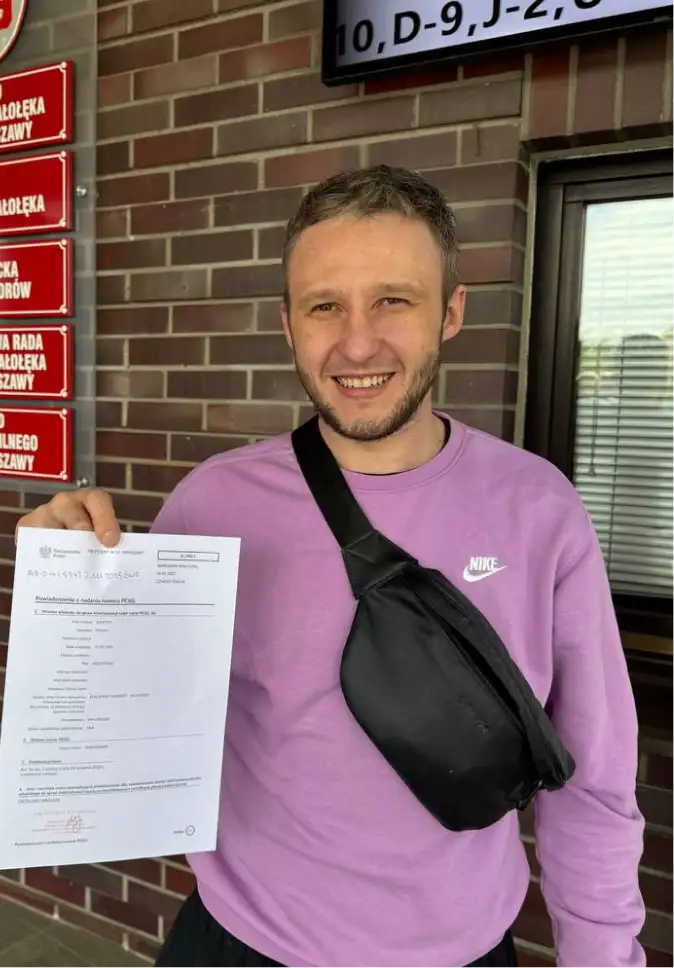
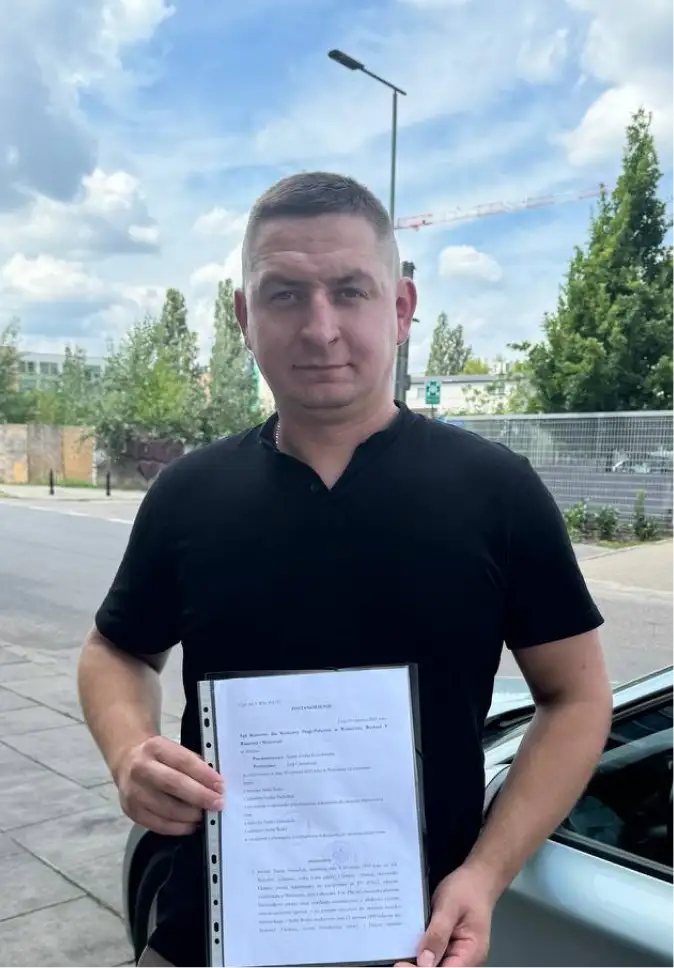
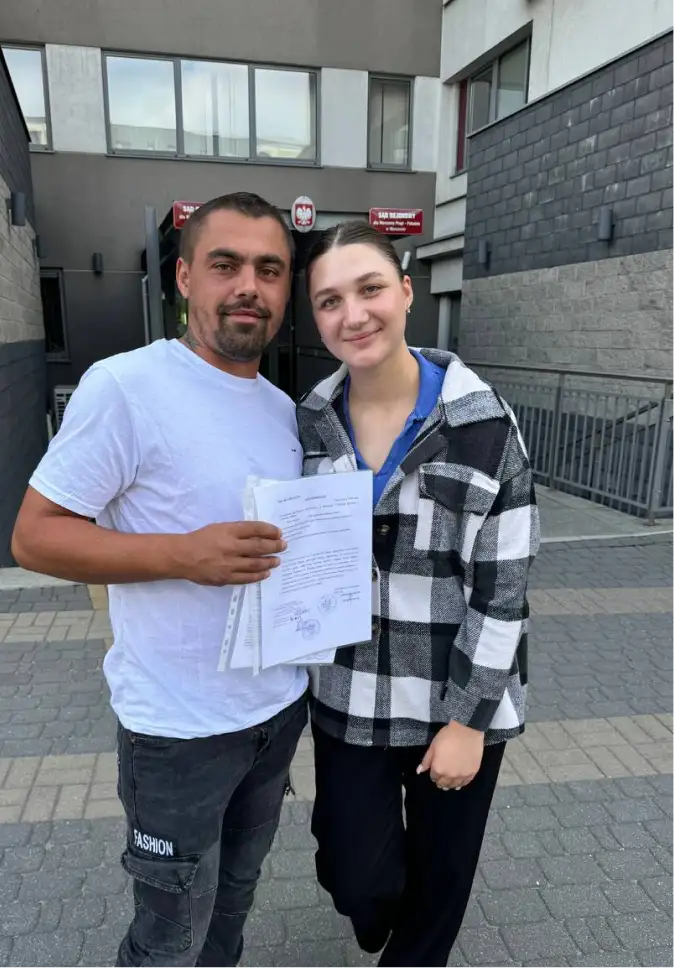
Expediting the Review of a Permanent Residence Card Application:
Strategy, Risks, and Real Legal Mechanisms
A permanent residence card is one of the most important statuses a foreign national can obtain in Poland. It grants the right to stable residence without being tied to a specific employer, simplifies access to employment, and creates a foundation for future citizenship. In practice, however, the review process can take years. That is why it is important to understand which legal tools can influence the timeline and how to act without risking the final outcome.
What the Law Says About Processing Deadlines
The Polish Code of Administrative Procedure obliges authorities to examine cases without undue delay. If a case is complex, the deadline may be extended, but the applicant must be notified in writing of the reason and the new timeframe. In practice, however, it is common to see situations where no formal extension is issued, yet no decision is made for months.
In such cases, the following actions are possible:
- submitting a formal reminder regarding the authority’s inaction;
- demanding compliance with administrative deadlines;
- filing a complaint about inaction;
- initiating judicial review (in complex cases).
The key objective is to act in a legally correct manner — not to create conflict, but to motivate the authority to actively process the case.
When Expediting Is Appropriate — and When It May Be Harmful
Not every case requires intervention. If the documents were submitted recently or there is an official notice extending the deadline, premature acceleration may only complicate the process. However, if the case has remained inactive beyond a reasonable period, it is worth assessing the situation.
Expediting makes sense if:
- significantly more time has passed since submission compared to similar cases;
- no letters or requests have been received from the immigration office;
- no inspector has been assigned or the case has not been formally taken into review;
- there is an objective need for a decision (employment, family circumstances, travel).
Before submitting formal requests, it is important to conduct a legal analysis of the case: whether there is a risk of additional checks and whether the document package requires supplementation.
Factors That Truly Influence the Speed of Decision-Making
The speed of processing depends not only on the workload of the immigration office. The quality of case preparation plays a major role. If the documents are well structured, potential questions are addressed in advance, and the residence history is transparent, it is easier for the inspector to issue a decision.
The following factors have a positive impact:
- a complete and logically organized set of documents;
- no interruptions in legal residence;
- a stable tax history;
- prompt responses to office requests;
- properly formulated legal submissions.
Expediting is not about “cutting the line,” but about using the legal mechanisms provided by law in a competent and strategic manner.
Risks of an Incorrect Strategy
Independent attempts to pressure the authority may lead to the opposite effect. Incorrect wording or emotional submissions do not accelerate the case. On the contrary, they may trigger additional checks or formal refusals on procedural grounds.
Common mistakes:
- filing a complaint without prior case analysis;
- ignoring letters from the immigration office;
- failing to notify the office about changes of address or status;
- lack of confirmation of document submission.
The right strategy is based on balance: proactive action — without conflict.
Frequently Asked Questions
Yes. The law provides mechanisms to respond to administrative inaction. The key is to use them properly and with solid legal justification.
No. Expediting affects only the processing time, not the document requirements or the criteria used to assess the case.
It depends on the circumstances of the case. Generally, a “reasonable timeframe” is assessed based on the complexity of the case and the practice of the specific voivodeship.
No. A complaint in itself is not grounds for refusal. However, it is important that the submission is legally sound.
In most cases, written submissions are sufficient. A personal visit may be appropriate only in specific situations.
All deficiencies must first be corrected. Expediting makes sense only when the case is ready for a decision.
Yes. Processing times can vary significantly between regions due to differences in workload.
It is possible, but the reasons for refusal must first be analyzed and the deficiencies corrected.
Family circumstances may serve as an additional argument, but they are not an automatic basis for acceleration.
No. If the timeframe clearly exceeds average practice, a legal assessment should be conducted to determine the optimal course of action.