

Business Plan Writing
A business plan is not a “formality on paper,” but a structured document that shows how your business will generate income, scale, and cover expenses. In Poland, a high-quality business plan is required for opening a JDG or Sp. z o.o., obtaining a residence card based on business activity, submitting documents to a bank or leasing company, attracting an investor, or applying for a grant. We prepare business plans with a realistic financial model, market analysis, and risk assessment — taking into account Polish requirements and practice.
Why a Business Plan Is Needed
in Poland
-
For a residence card based on business
A business plan is a key document confirming the viability of the activity and its economic relevance.
It should include:
- description of the business model;
- revenue and expense forecast;
- job creation plan (if required);
- market analysis.
-
For opening a JDG or Sp. z o.o.
The plan helps understand the cost structure, tax burden, and break-even point.
Result:
- clear launch strategy;
- cash flow understanding;
- preparation for registration.
-
For banks, leasing, and financing
Financial institutions assess not the idea, but the numbers.
They usually analyze:
- turnover forecast;
- profit margins;
- payback period;
- risks.
-
For investors and partners
Investors need a transparent picture: how much investment is required and what the growth potential is.
-
For grants and support programs
A clear structure and financial calculations are mandatory requirements for participation in programs.
Get a Free Consultation Right Now!
Leave a request and we will consult you as quickly as possible!
Video Testimonials
Our specialists are always ready to provide assistance and support on
at each stage of cooperation

Owner of VisaV.pl / Board Community Member

Head of VisaV.pl

Head of the legalization department, expert in document processing in Poland

Legalization specialist in Warsaw.

Sales Manager, Communication and Customer Service Expert

Specialist in marriage registration and document processing

Legalization Specialist

SMM Specialist

Accounting Specialist

Legalization Specialist

Administrator

U.S. Marriage Organizer

Marriage Department Technical Specialist
Partner in Europe
We don't just provide services – we help you achieve your goals.
Our approach is based on trust, quality and individual approach. We work to ensure that each client receives a quick, convenient and effective solution to their issues.
We analyze your situation in detail and offer solutions that best suit your needs.
We work quickly without losing quality, and guarantee 100% compliance with legal requirements.
Our team is made up of experts who have helped thousands of clients with legalization and documents.
We accompany you at every stage, providing detailed advice and assistance in any issues.
The VisaV.pl team speaks Ukrainian and Russian, which makes communication easier for clients from the CIS countries.
Client Photo Reviews


















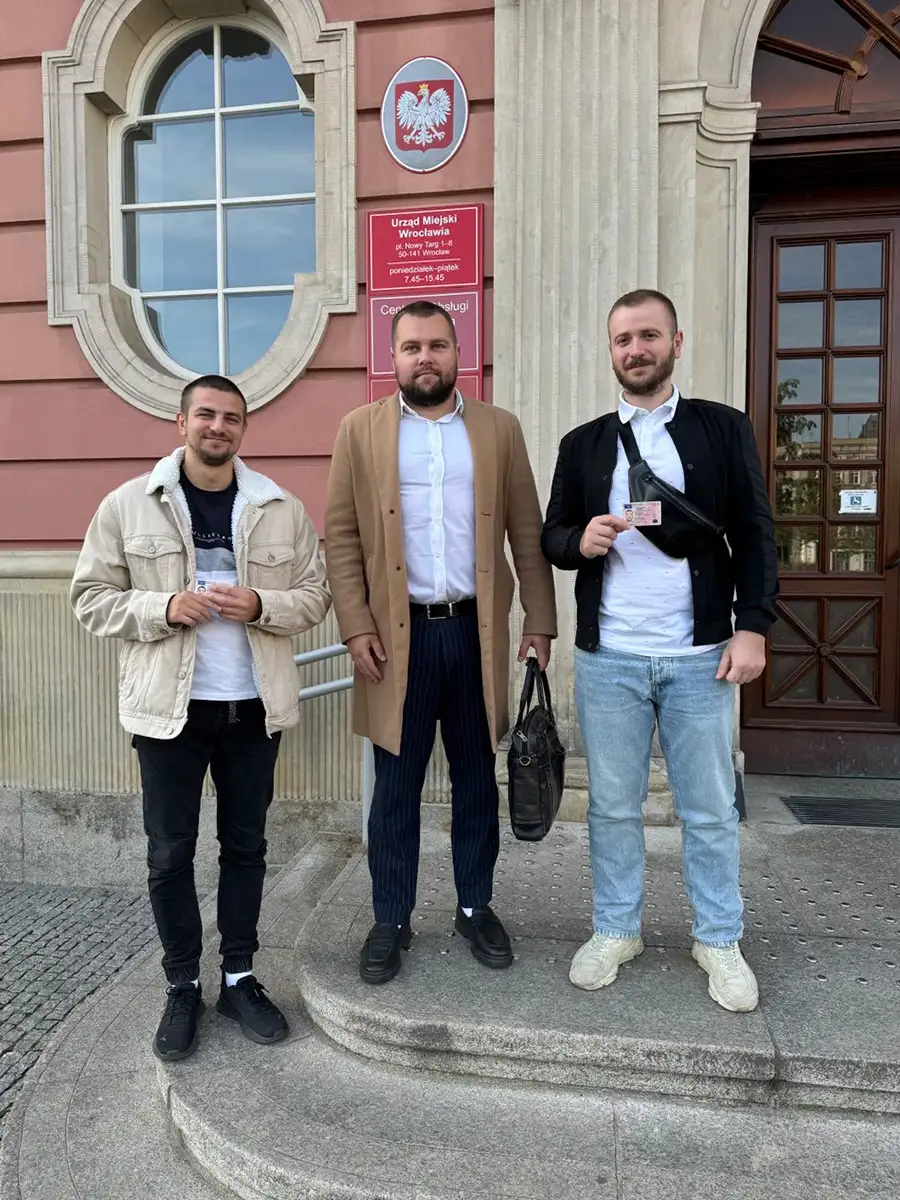
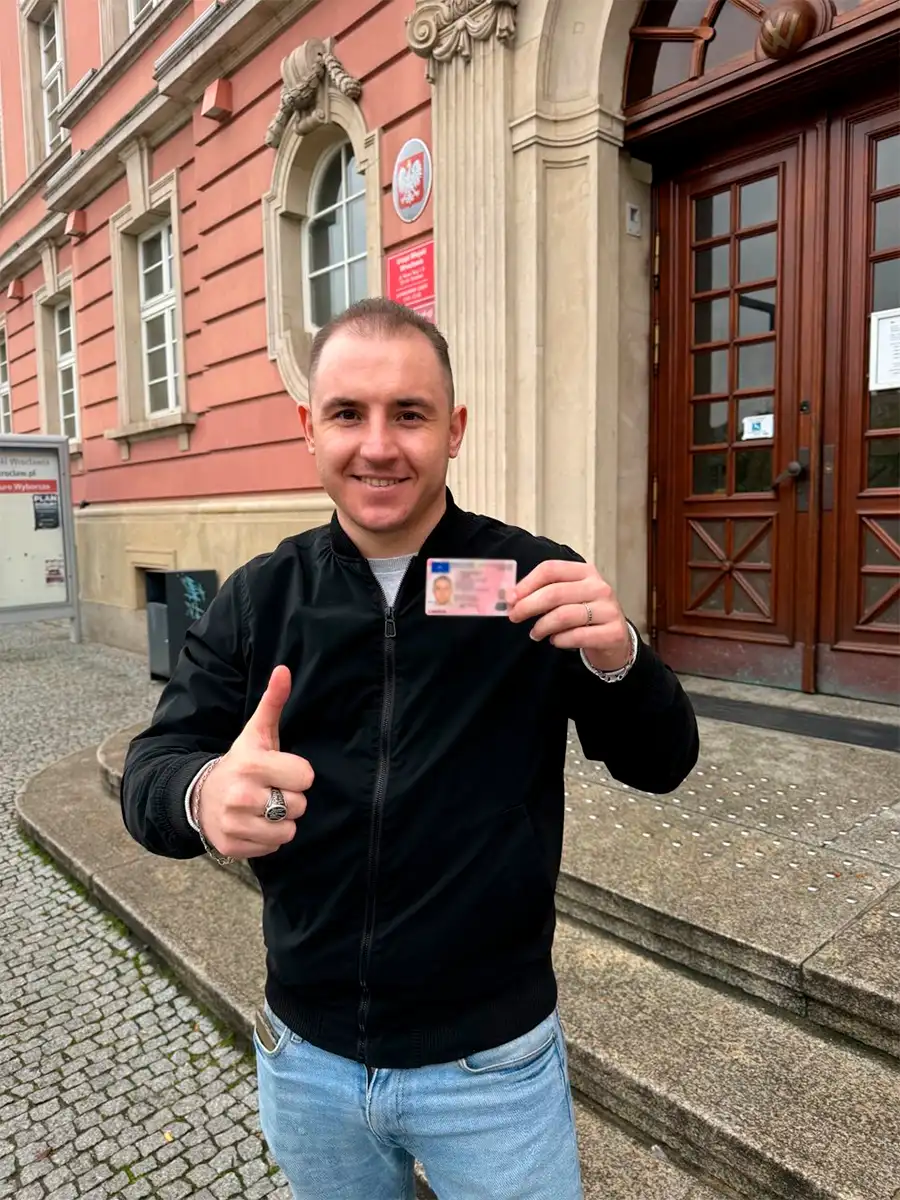
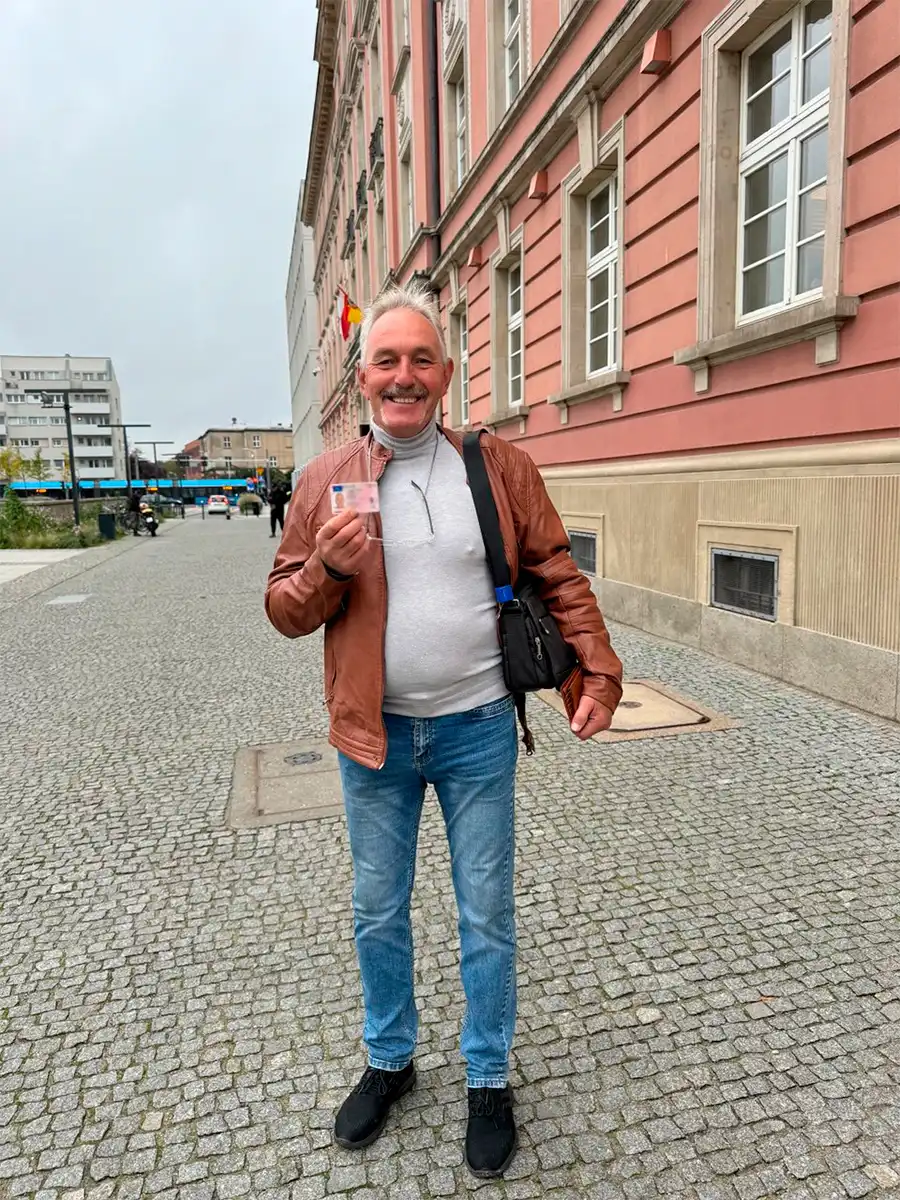
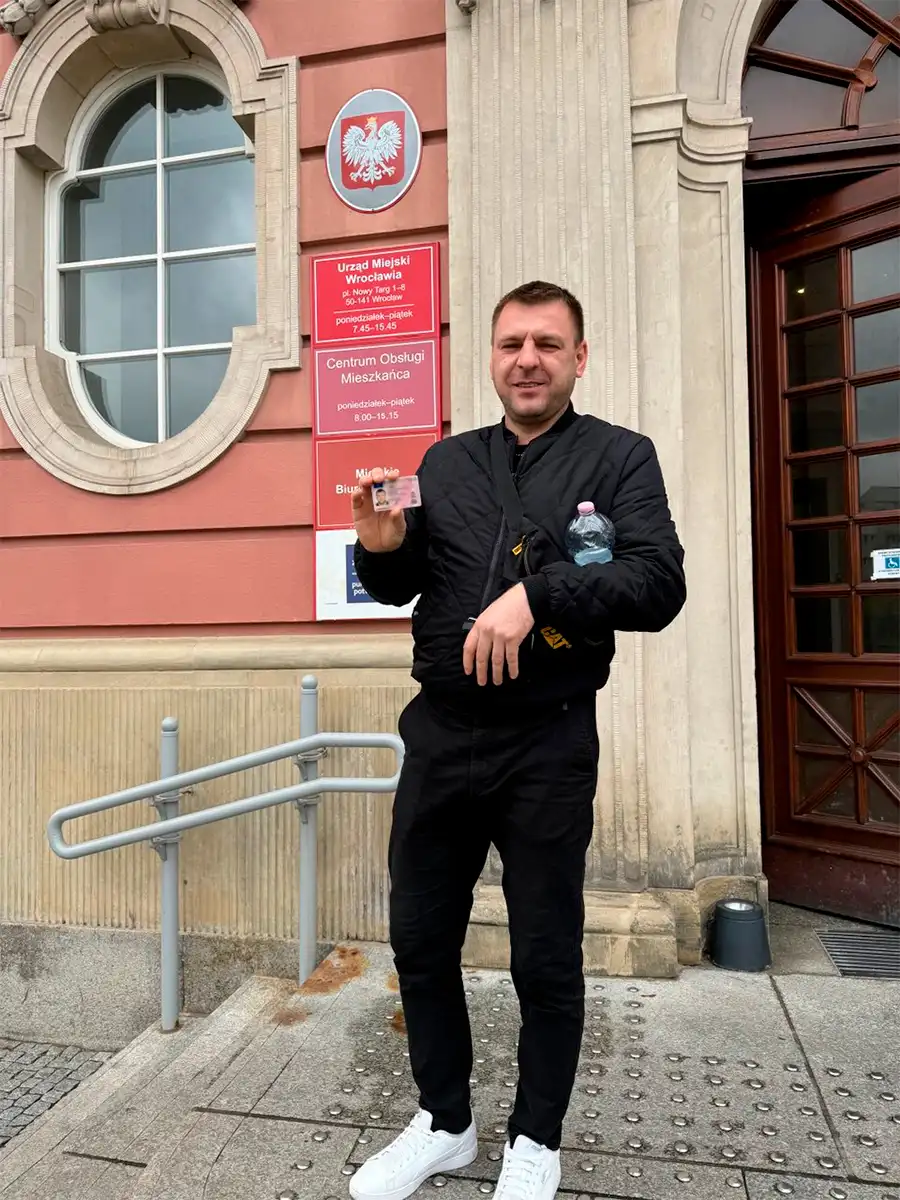

Business Plan in Poland:
Structure, Financial Model, and Mistakes to Avoid
A high-quality business plan in Poland is a document that combines strategy, marketing, and financial calculations. In practice, offices (urząd) and banks focus primarily on numbers: how realistic the forecast is, whether it matches the market, and whether taxes, ZUS contributions, rent, accounting, marketing, and staffing costs are included. Overestimated expectations without justification reduce trust in the project, while a balanced forecast with clear explanations increases the chances of a positive decision.
It is also important to consider the specifics of the Polish market: competition in a particular city, price segment, purchasing power, and regulatory requirements. For example, in construction or gastronomy, there are licenses and permits that must be included in the timeline and budget. A business plan should reflect the real situation, not general statements.
Business Plan Structure: What Should Be Included
A professional business plan usually consists of several key sections, each serving its own function. The executive summary briefly describes the idea, target audience, and financial objective. This is followed by market analysis: who the competitors are, pricing levels, entry barriers, and trends. A separate section is devoted to the marketing strategy — customer acquisition channels, positioning, and budget.
The financial section includes:
- revenue forecast (P&L);
- cash flow;
- break-even point;
- cost structure;
- tax burden;
- investment needs.
The financial model is the foundation for assessing the viability of the business.
Business Plan for a Residence Card Based on Business
In residence card cases, the Voivodeship Office (urząd wojewódzki) evaluates whether the business is real and economically justified. It is important not only to present numbers but also to demonstrate logic: why this type of activity, why in this region, and what the development strategy is for 1–3 years.
Based on practice, positive decisions are more often granted to projects that:
- have a realistic turnover forecast;
- show a stable source of income;
- include job creation (if it is a Sp. z o.o.);
- demonstrate economic contribution.
In this case, the business plan serves as an argument in favor of your legalization.
Financial Model: The Core of the Document
The financial model must reflect real expenses: ZUS contributions, taxes (ryczałt, flat tax, general taxation system), accounting services, rent, advertising, and equipment depreciation. Incorrectly calculated costs often become the reason for a bank rejection or doubts from the office.
We take into account:
- type of activity (PKD);
- taxation form;
- seasonality;
- average ticket size and number of clients;
- structure of fixed and variable costs.
This allows us to create a model that reflects market realities.
Common Mistakes When Writing a Business Plan
The most common mistakes are overestimated forecasts without evidence, lack of competitor analysis, and underestimation of expenses. Entrepreneurs often focus only on revenue without considering taxes, contributions, and operational costs.
Among the risks:
- copying templates from the internet;
- lack of local specifics;
- ignoring legal requirements;
- weak justification of figures.
A high-quality business plan must be individual and adapted to a specific purpose — office, bank, or investor.
How We Work on a Business Plan
The process of creating a business plan consists of several stages:
- Analysis of your idea and goals.
- Collection of initial data (market, budget, resources).
- Formation of the document structure.
- Development of the financial model.
- Verification of compliance with the requirements of a specific institution.
We prepare the document in Polish with a professional structure suitable for submission to official authorities.
Frequently Asked Questions
Not always mandatory, but it helps assess risks and prospects.
Yes, if the office requirements are taken into account.
It depends on complexity, usually from several days to several weeks.
Not recommended — it is often a reason for rejection.
Yes, it is a key element of the document.
Так, структура коригується під вимоги фінансової установи.
Обов’язково, з урахуванням форми діяльності.
Так, документ готується польською.
Так, якщо фінансова модель переконлива.
Щоб уникнути помилок, підвищити шанси на позитивне рішення та отримати реальний план розвитку.