

Opening a Sole Proprietorship (JDG) in Poland
JDG is the most popular business format in Poland for foreigners: it is easy to open, transparent to run, and convenient to scale. But the key to working with peace of mind is not to “just register it,” but to set everything up correctly from the start: PKD, taxation, ZUS, possible VAT, a bank account, and safe contracts. We help you open a sole proprietorship (JDG) on a turnkey basis.
What You Get
With a Properly Opened JDG
-
Error-Free Registration in CEIDG
We prepare the application and check all critical fields to avoid rejections and “small” mistakes that later cost time and money.
Includes:
- preparation of data for CEIDG;
- selection of a registration/correspondence address;
- preparation of the initial business setup.
-
Choosing PKD Codes and a Business Scope With Room to Grow
Properly selected PKD codes help you work legally with clients, banks, and platforms, while avoiding blocks or questions about the type of business activity.
We work through:
- the main PKD code plus additional ones;
- the logic behind your services/products;
- recommendations for the future (scaling).
-
Taxes and ZUS — A Model Tailored to Your Income
One of the most important blocks is choosing the taxation model and contributions. This is where it is easy to make a mistake if you rely only on “advice from forums.”
We select:
- the tax model (based on your numbers and goals);
- the ZUS scenario (startup relief / standard option);
- the basic structure of expenses and documents.
-
VAT, Bank Account, and E-Services — If Needed
Not everyone needs VAT, and not everyone has to open a dedicated business bank account right away, but it is important to understand when it is mandatory and beneficial.
We will advise:
- whether VAT registration is needed;
- how to prepare to open a bank account;
- how to work with e-services (ePUAP/Profil Zaufany — where possible).
-
Preparation for Working With Clients From Poland and the EU
We do not stop at “registration.” Our goal is to make sure your JDG actually works and does not create risks.
We provide basic recommendations on:
- issuing invoices;
- contracts and payments;
- tracking expenses and income.
Get a Free Consultation Right Now!
Leave a request and we will consult you as quickly as possible!
Video Testimonials
Our specialists are always ready to provide assistance and support on
at each stage of cooperation

Owner of VisaV.pl / Board Community Member

Head of VisaV.pl

Head of the legalization department, expert in document processing in Poland

Legalization specialist in Warsaw.
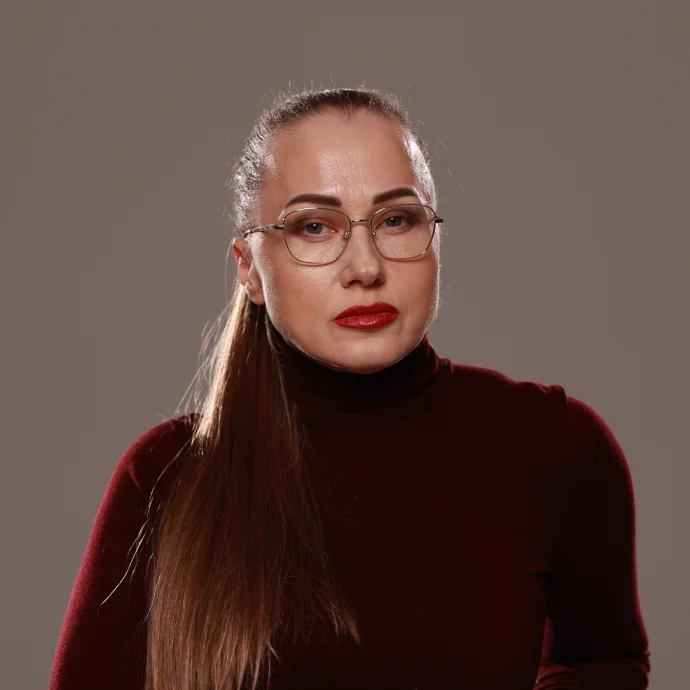
Sales Manager, Communication and Customer Service Expert

Specialist in marriage registration and document processing

Legalization Specialist

SMM Specialist

Accounting Specialist

Legalization Specialist

Administrator

U.S. Marriage Organizer

Marriage Department Technical Specialist
Partner in Europe
We don't just provide services – we help you achieve your goals.
Our approach is based on trust, quality and individual approach. We work to ensure that each client receives a quick, convenient and effective solution to their issues.
We analyze your situation in detail and offer solutions that best suit your needs.
We work quickly without losing quality, and guarantee 100% compliance with legal requirements.
Our team is made up of experts who have helped thousands of clients with legalization and documents.
We accompany you at every stage, providing detailed advice and assistance in any issues.
The VisaV.pl team speaks Ukrainian and Russian, which makes communication easier for clients from the CIS countries.
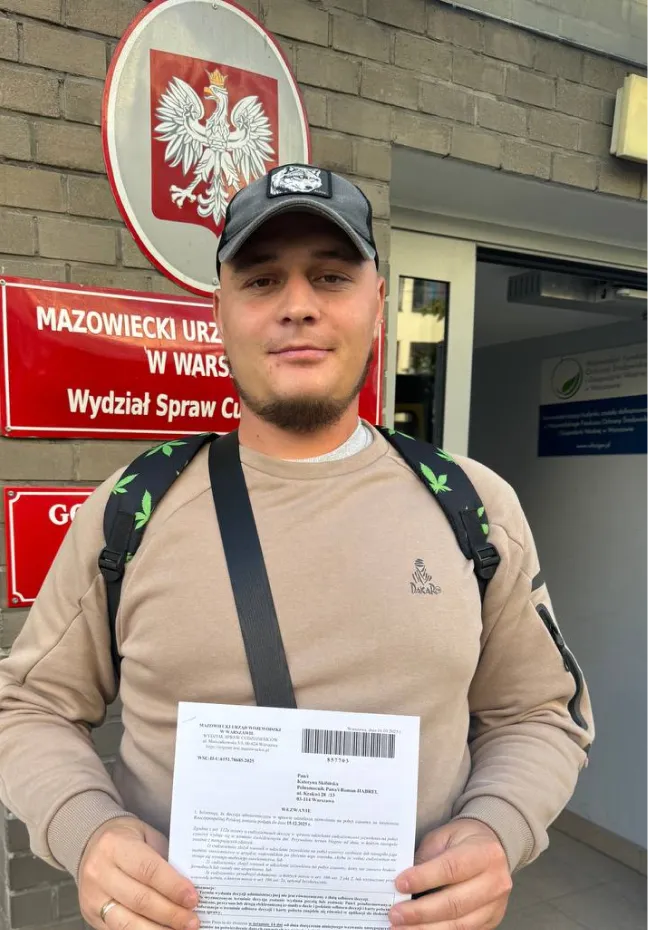
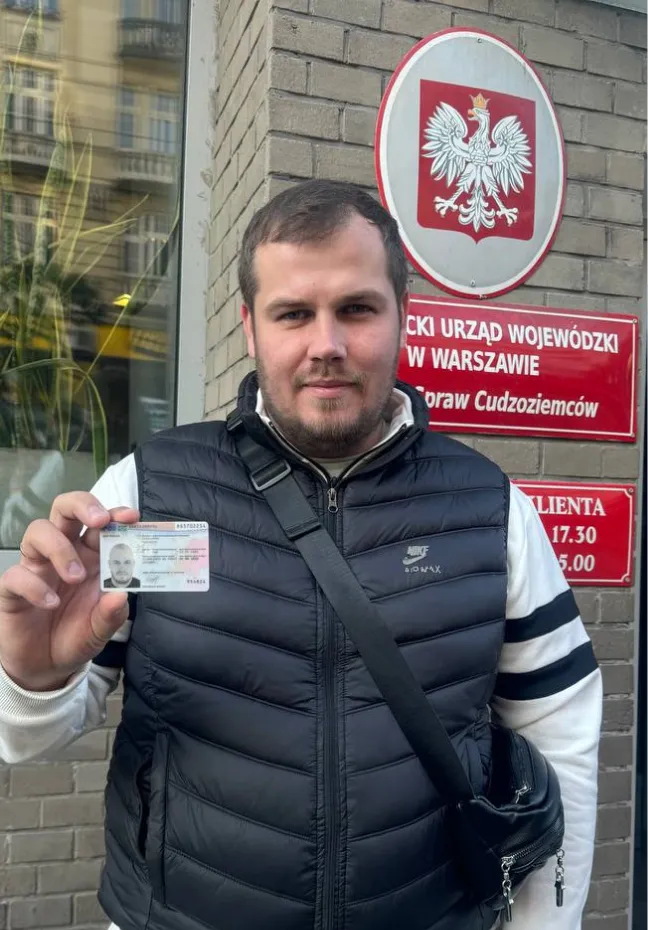
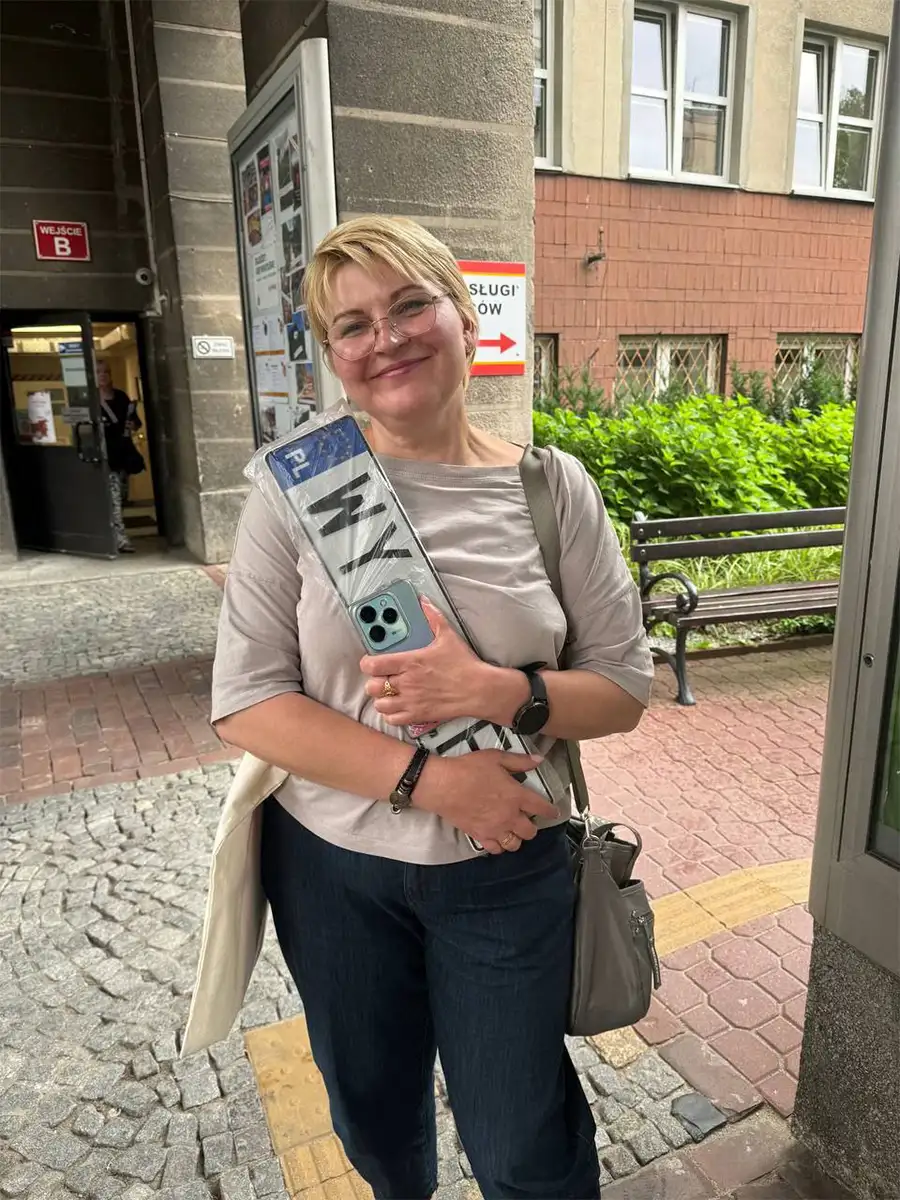
Client Photo Reviews












































Opening a JDG in Poland:
How the Procedure Works, Taxes, ZUS, and Typical Mistakes
Opening a sole proprietorship in Poland (JDG) may seem simple: “fill out an application and you are done.” And formally, registration can indeed be quick. But in practice, 90% of problems arise not because of the registration itself, but because of the decisions made at the start: the wrong PKD selected, an unprofitable tax model, inconsistency with VAT, chaos in documents, or a lack of understanding of what exactly is needed for the bank and the tax office.
Below is a structured, practical overview: what JDG is, who it suits, what the requirements are, how registration works, what tax options exist, and how to prepare for smooth business operations from the first month.
What is JDG and who is this format suitable for
JDG is a sole proprietorship. It is suitable for those who provide services, work as freelancers/contractors, engage in trade, or plan to work with Polish and foreign clients as self-employed individuals. JDG is often chosen by IT specialists, marketers, designers, service providers, consultants, logistics professionals, construction teams, small shops, and e-commerce businesses.
The strong side of JDG is its simplicity. But there is also the issue of responsibility: running a business requires discipline in documents, payments, and reporting. That is why it is important to build the “framework” from the start: taxes, contributions, a bank account, invoices, proof of expenses, and contracts.
Requirements for a Foreigner to Open a JDG
The actual requirements depend on your basis of stay and the documents that allow you to run a business in Poland. In different cases, the registration path and the set of formalities may differ.
Usually, the following is checked:
- your residence status (legal basis);
- your ability to register and run a business;
- a correct registration/mailing address;
- identification data and access to electronic services.
We always begin with a short review of your situation in order to choose the right path and avoid promising something that the system or authority will later not accept.
How Opening a JDG Works: Stages Without “Surprises”
Registering a JDG is not just about “submitting an application.” It is important to take several steps in the right order so that after launch you can legally issue invoices, accept payments, and file reports.
A typical process looks like this:
- Business analysis: what you sell / what services you provide, clients, countries, payments.
- Choosing PKD codes (main + additional).
- Choosing a tax model.
- Coordinating the ZUS issue (contributions, reliefs, deadlines).
- Registering the JDG in the relevant register (CEIDG).
- Preparing for operations: invoices, bank account, document flow.
- If needed — VAT, cash register/integrations, additional settings.
When someone skips these steps and acts “however it goes,” everything usually has to be redone on the fly later — and that is almost always more expensive and more stressful.
PKD: Why Choosing Codes Affects the Bank, Clients, and Taxes
PKD is the classification of business activities. At the start, many people choose “one code that more or less fits.” But in practice, PKD codes affect how the bank evaluates the business, how clients prepare documents, and sometimes even whether you need to register for VAT for certain types of services.
We select PKD codes so that:
- the main code accurately matches your primary source of income;
- the additional codes “cover” related services;
- you have room for growth without having to go through more bureaucracy again.
This is exactly the kind of case where 15 minutes of analysis at the start can save weeks in the future.
Taxes in JDG: How Not to Overpay From the First Month
After registration, the main question is: how much tax will you actually pay? There is no “universally best option” here — everything depends on your income, expenses, type of clients, and future plans.
That is why we do not write abstractly that “this option is better,” but take a practical approach:
- if you have many expenses, it is important to understand how they affect your taxes;
- if you work with foreign clients, it is important to organize your documents correctly;
- if you are just starting out, it is important not to choose a model that will become unprofitable in 2–3 months.
What we usually calculate:
- income forecast for 3–6 months;
- potential expenses that can be documented;
- VAT risks;
- ease of management and reporting.
ZUS and Contributions: What an Entrepreneur Needs to Know
For many people, ZUS is the most painful topic. And here it is important to understand the logic: contributions are not a “penalty,” but a regular obligation of an entrepreneur that must be built into the budget. In some cases, preferential periods may be available at the start, but they come with conditions, deadlines, and consequences.
We explain in simple terms:
- which contributions are paid regularly;
- how this will affect your net income;
- what the payment deadlines are and what happens in case of delay;
- how the situation differs if you are also employed under an employment contract (if applicable).
VAT: When It Is Needed and When It Is an Unnecessary Risk
VAT is a topic where mistakes are expensive. Some entrepreneurs register “just in case,” and then end up with more complex reporting and unnecessary risks. Others, on the contrary, do not register even though it may be required for their type of activity.
We always assess VAT through the lens of:
- the type of services/products;
- the clients (Poland / EU / outside the EU);
- turnover and growth forecast;
- readiness to keep records and file reports.
Only after that do we recommend a solution that actually works in practice.
Documents and Invoices: How to Run a JDG Without Chaos
The strongest entrepreneurs are not those who “remember everything,” but those who have a simple system. A JDG can be run without complicated accounting software, but from day one it is important to know the basic rules:
- how to issue invoices correctly;
- how to document expenses;
- how to store documents;
- how to monitor tax and contribution payments;
- what needs to be prepared by the end of the month/quarter/year.
That is why many clients, after opening a JDG, immediately move on to accounting support — so they can work and earn, instead of “learning through penalties.”
Frequently Asked Questions
Yes, in many cases it is possible, but it depends on your basis of stay and your documents.
Registration can be quick, but the timing depends on how well your data is prepared and on additional setup steps (ZUS/VAT/account).
In many cases, a PESEL significantly simplifies procedures and e-services, but different scenarios are possible.
Choosing the right PKD, tax model, and understanding the logic of ZUS — that is the foundation.
Not always, but for some operations and partners it is necessary and convenient.
No. VAT is advisable only when there is a real need or benefit.
Yes, JDG is often used for international work, but proper documents and correctly issued invoices are essential.
An unfortunate choice of taxes, overly “narrow” PKD codes, chaos in invoicing, and not understanding ZUS payment deadlines.
In some cases, yes, but this affects contributions and the tax model.
So that you do not overpay, do not miss deadlines, and do not run into problems with ZUS or the tax office.