

Life Insurance in Poland
Life insurance is a simple way to protect your loved ones and your own budget from unexpected situations: serious illness, injury, loss of ability to work, or other risks. It is important not just to “buy a policy,” but to choose a program that fits your real life: family, work, loans, income level, and future plans. We help you choose life insurance in Poland with the right coverage, transparent terms, and no unnecessary overpayments.
What Problems Life
Insurance Solves
-
Protection for Your Family in Critical Situations
A policy can provide financial support to your loved ones if something unexpected happens to you.
Most often, it includes:
- a payout in the event of death;
- support for the family during the adjustment period;
- coverage of basic expenses and debts.
-
Additional Options: Injuries, Hospitalization, Critical Illnesses
Many programs allow you to add important “extensions” that are especially relevant in everyday life.
Common add-ons:
- accident insurance (NWW);
- hospitalization and surgeries;
- critical illnesses;
- temporary disability.
-
Loans and Financial Obligations Can Be Linked to the Policy
Life insurance is often arranged to protect a family from loan burdens or loss of income.
This solution is suitable if you have:
- a mortgage or loan;
- business obligations;
- a family that depends on your income.
-
Useful for Employees and Business Owners
For entrepreneurs, a policy often works as a “financial cushion” in case of illness or inability to work.
We select coverage taking into account:
- the type of work (office / construction / driving);
- occupational risks;
- income stability.
-
Transparent Selection and Support
We do not sell “the most expensive option.” Our task is to find real coverage at a reasonable price.
You get:
- clear explanations of the terms in simple language;
- a comparison of options;
- support during the policy setup process.
Get a Free Consultation Right Now!
Leave a request and we will consult you as quickly as possible!
Video Testimonials
Our specialists are always ready to provide assistance and support on
at each stage of cooperation

Owner of VisaV.pl / Board Community Member

Head of VisaV.pl

Head of the legalization department, expert in document processing in Poland

Legalization specialist in Warsaw.
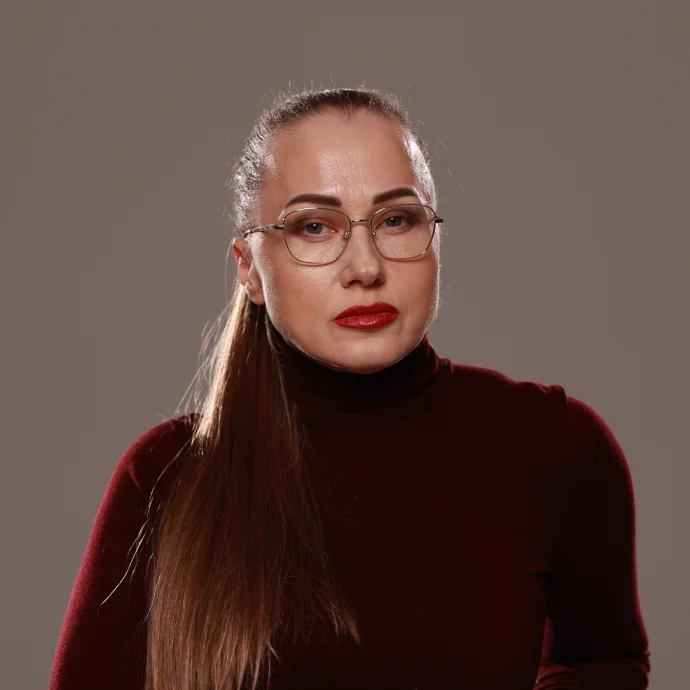
Sales Manager, Communication and Customer Service Expert

Specialist in marriage registration and document processing

Legalization Specialist

SMM Specialist

Accounting Specialist

Legalization Specialist

Administrator

U.S. Marriage Organizer

Marriage Department Technical Specialist
Partner in Europe
We don't just provide services – we help you achieve your goals.
Our approach is based on trust, quality and individual approach. We work to ensure that each client receives a quick, convenient and effective solution to their issues.
We analyze your situation in detail and offer solutions that best suit your needs.
We work quickly without losing quality, and guarantee 100% compliance with legal requirements.
Our team is made up of experts who have helped thousands of clients with legalization and documents.
We accompany you at every stage, providing detailed advice and assistance in any issues.
The VisaV.pl team speaks Ukrainian and Russian, which makes communication easier for clients from the CIS countries.
Client Photo Reviews




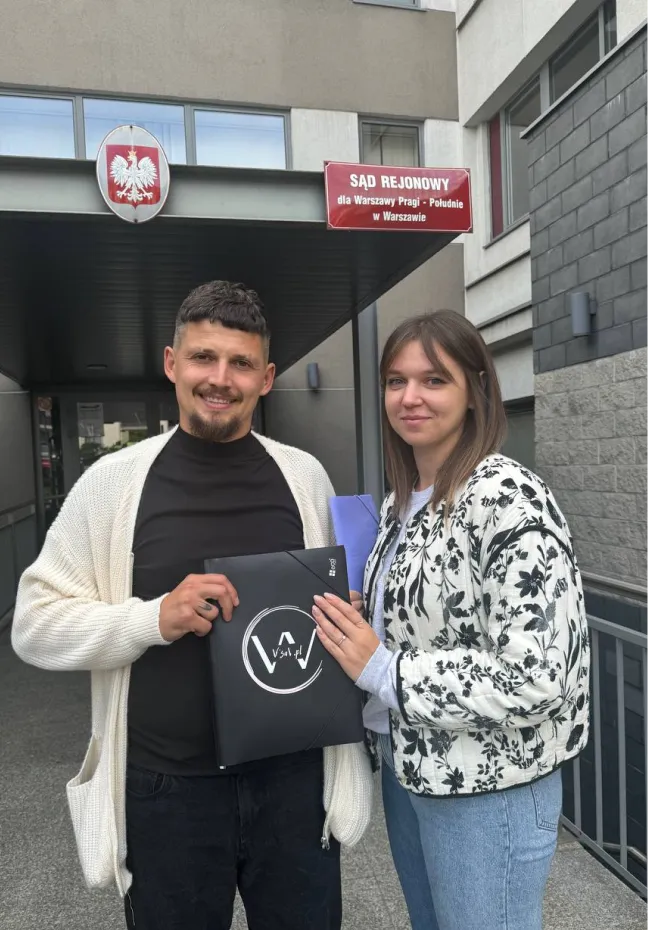
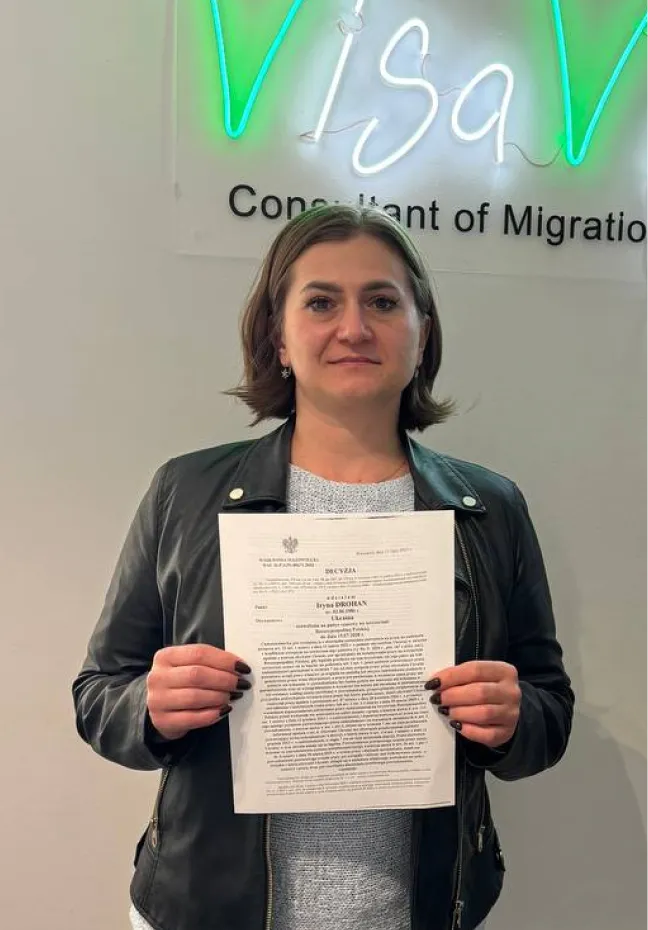
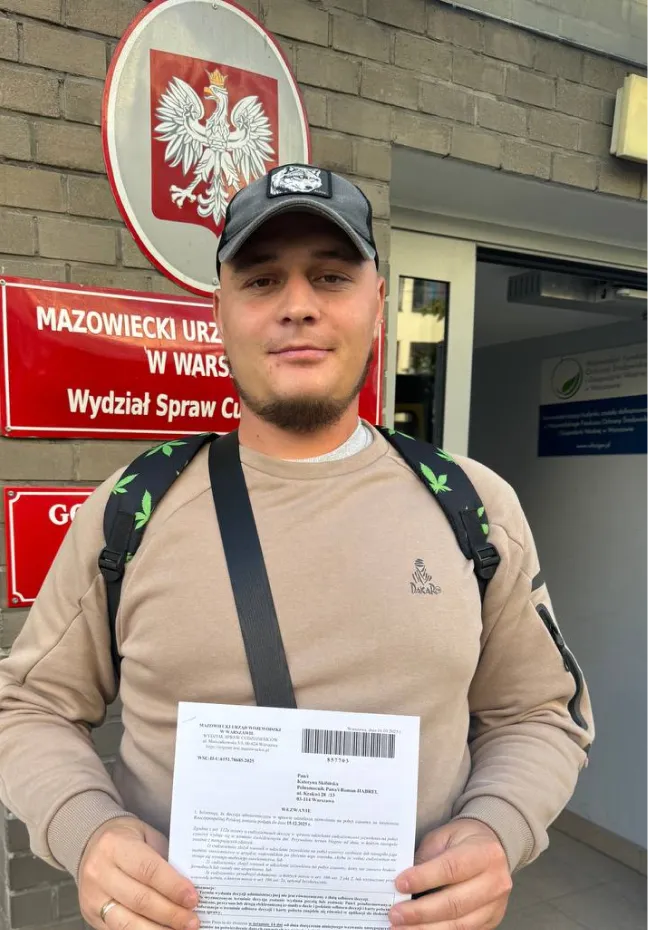































Life Insurance in Poland:
How a Policy Works, What It Covers, and How to Choose the Right One
Life insurance is often put off “until later” because it seems complicated or untimely. But in practice, a properly selected policy gives the strongest sense of control: you know your family will not be left without support, and in a serious situation, you will not have to urgently look for money for treatment or cover loan payments out of pocket. In Poland, life insurance works as a financial tool that can be flexibly adjusted to your plans — from minimal coverage to extended programs with health protection.
The key is understanding that “life insurance” can mean different things. There are basic policies where a payout is предусмотрена in the event of death, and there are extended programs that cover injuries, hospitalization, surgery, disability, or critical illnesses. The difference between them is not only the price, but whether the policy actually solves your specific need.
What types of life insurance are available and what is the difference
The simplest format is protection against the worst-case scenario: when the payout goes to your loved ones. This type of policy is often chosen by people with a family, children, or credit obligations, when it is important to ensure the family’s financial stability.
Extended programs add practical options that happen much more often in real life: injuries, surgeries, sick leave, temporary disability, and diagnosis of critical illnesses. For many people, these additions have the greatest practical value because they work in real situations: a broken arm, surgery, hospital stay, long treatment, or rehabilitation.
There are also programs designed as protection for a loan or mortgage. Here it is important not to confuse things: a bank may offer “its own” product, but it is often more beneficial to have a policy that truly protects the family while also offering transparent terms and a clear coverage amount.
How to choose the insured amount and policy term
The main question when selecting a policy is “what amount should be insured.” The most common mistake is choosing the “minimum” just because it is cheaper. But if the amount does not cover key expenses, the policy turns into a formality.
We recommend choosing the insured amount based on:
- the family’s monthly expenses;
- financial obligations (loans, rent, alimony, etc.);
- the number of people who depend on your income;
- a reserve for 6–12 months of living expenses in case of force majeure.
The term of the policy also matters. For some people, 1–3 years is enough (for example, for a specific risk period), while for others it makes more sense to arrange longer-term protection so they do not have to revisit the issue every year.
What to pay attention to in the terms: exclusions, questionnaire, and payout rules
One of the most important aspects is the terms and exclusions. They determine whether a payout will be made in a specific situation. Many people buy a policy without reading what exactly counts as an insured event, what limitations apply to diagnoses or injuries, and what the confirmation procedure looks like.
What we always review together with the client:
- the list of insured events and event definitions;
- exclusions (when no payout is made);
- requirements for the medical questionnaire and accuracy of the information provided;
- the procedure for submitting documents and the review timelines.
It is important to complete the questionnaire honestly. Mistakes or concealed facts can lead to a refusal of payment, so it is better to choose a product from the start that matches your real situation.
Life insurance for entrepreneurs and people with unstable income
For entrepreneurs, life insurance is often even more important than for salaried employees. If you work for yourself, a break in work due to illness can mean “zero income” as early as the next month. That is why it makes sense here to consider options related to hospitalization, temporary disability, and critical illnesses.
We select policies for entrepreneurs taking into account:
- income seasonality;
- occupational risks;
- the presence of loans / leasing / obligations;
- the actual budget for insurance.
The goal is not a “maximum package,” but a balanced policy that works in the typical risks of your life.
What the application process looks like and what we do for you
Life insurance is about clarity. You should understand what you are paying for, what you will receive in different scenarios, and what documents are needed in the event of a claim. We guide the client from selection to issuance so that the decision is informed and legally correct.
The process usually looks like this:
- A short consultation: your needs, family, work, and risks.
- Selection of 2–3 options with an explanation of the differences.
- Agreement on the amount, term, and additional options.
- Policy issuance and instructions on “what to do if an insured event occurs.”
This saves time and removes the “fear of fine print” that often discourages people from getting insurance.
Frequently Asked Questions
No, it is a voluntary product, but it is useful for protecting your family and finances.
Most often, it includes a payout in the event of death. Additional coverage is added separately.
Yes, many programs include options such as accident insurance, hospitalization, and surgeries.
Base it on your family’s expenses and financial obligations, not on the “lowest price.”
Yes, higher-risk professions may have different terms and rates.
Yes, family solutions or separate policies for each person are possible.
Often yes. It is important to fill it out honestly.
It depends on the product and the completeness of the documents, but usually within the timeframes specified in the contract.
Yes, but the terms depend on the specific contract.
To choose the right coverage, understand the exclusions, and avoid mistakes during the application process.