
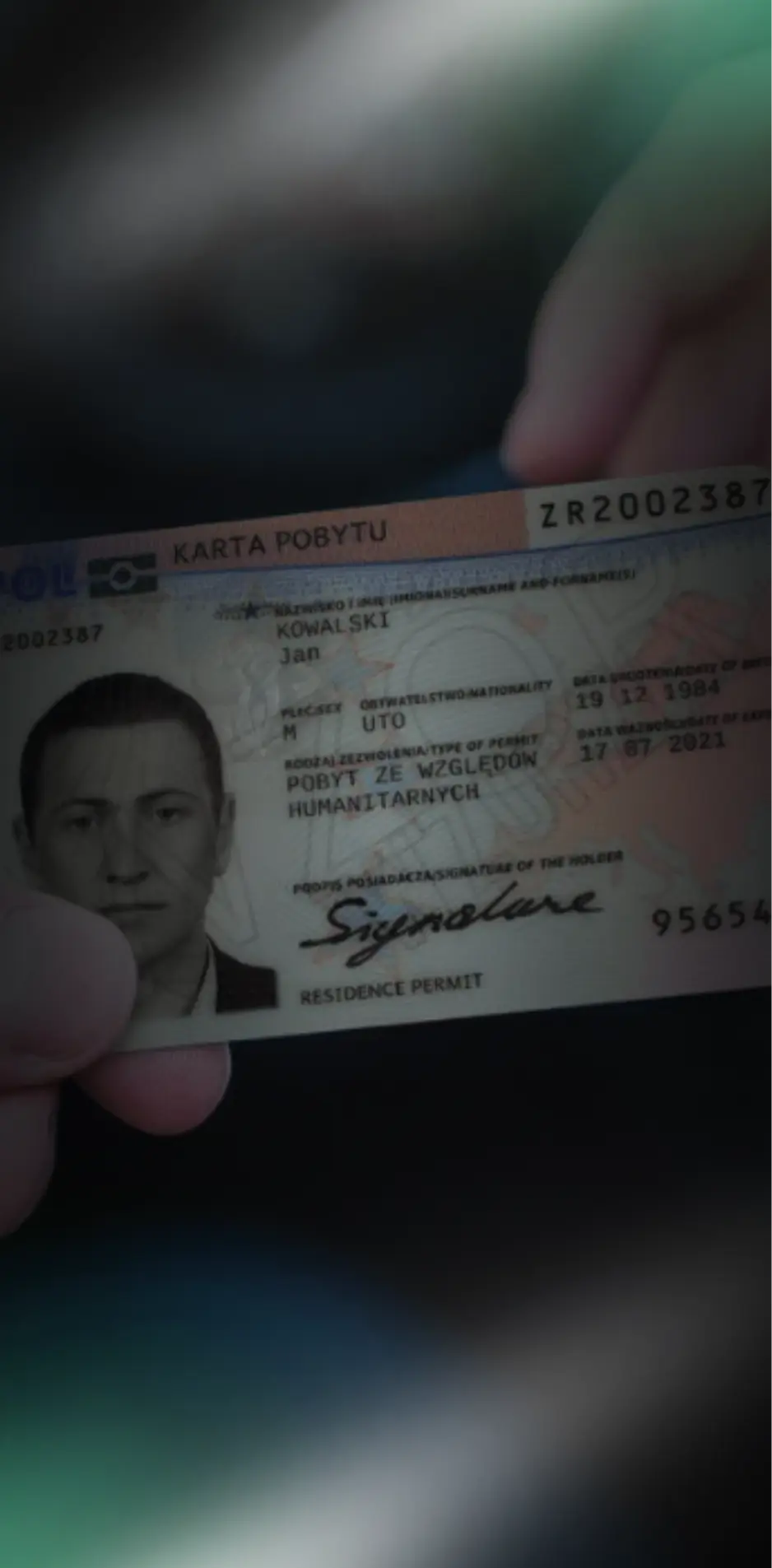
Residence card in Poland
Step-by-step support: legal check, documents, submission, control — until your residence card is in hand.





Get a Free Consultation Right Now!
Leave a request and we will consult you as quickly as possible!
Video Testimonials
Our specialists are always ready to provide assistance and support on
at each stage of cooperation

Owner of VisaV.pl / Board Community Member

Head of VisaV.pl

Head of the legalization department, expert in document processing in Poland

Legalization specialist in Warsaw.

Sales Manager, Communication and Customer Service Expert

Specialist in marriage registration and document processing

Legalization Specialist

SMM Specialist

Accounting Specialist

Legalization Specialist

Administrator

U.S. Marriage Organizer

Marriage Department Technical Specialist
Partner in Europe
We don't just provide services – we help you achieve your goals.
Our approach is based on trust, quality and individual approach. We work to ensure that each client receives a quick, convenient and effective solution to their issues.
We analyze your situation in detail and offer solutions that best suit your needs.
We work quickly without losing quality, and guarantee 100% compliance with legal requirements.
Our team is made up of experts who have helped thousands of clients with legalization and documents.
We accompany you at every stage, providing detailed advice and assistance in any issues.
The VisaV.pl team speaks Ukrainian and Russian, which makes communication easier for clients from the CIS countries.
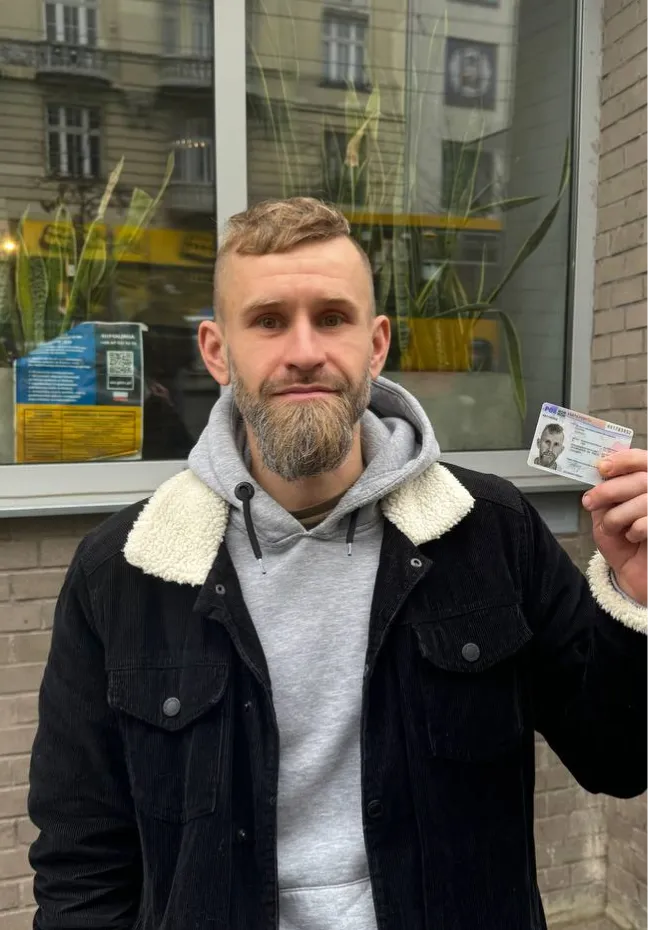
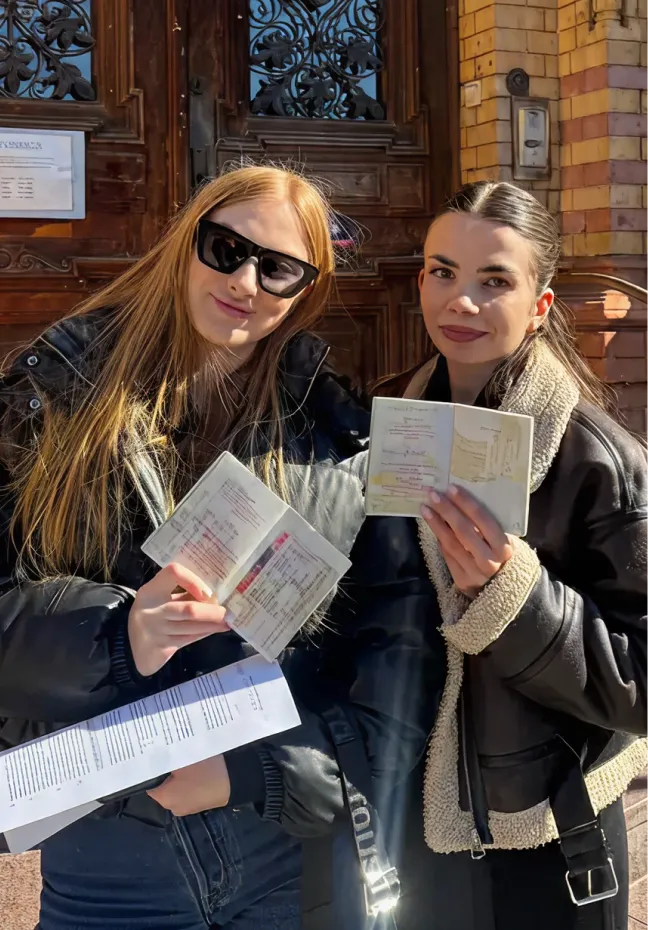
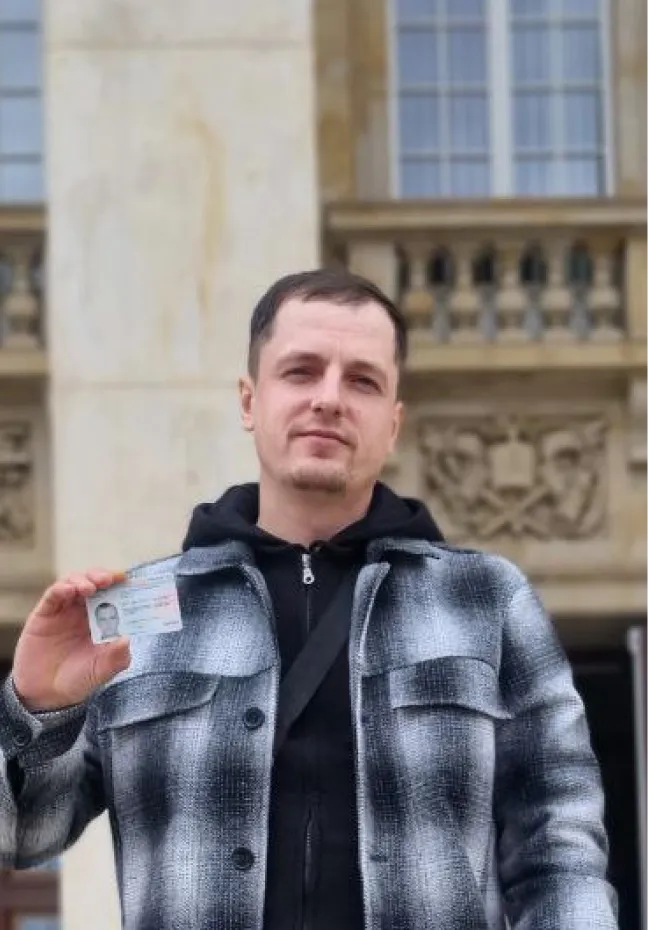
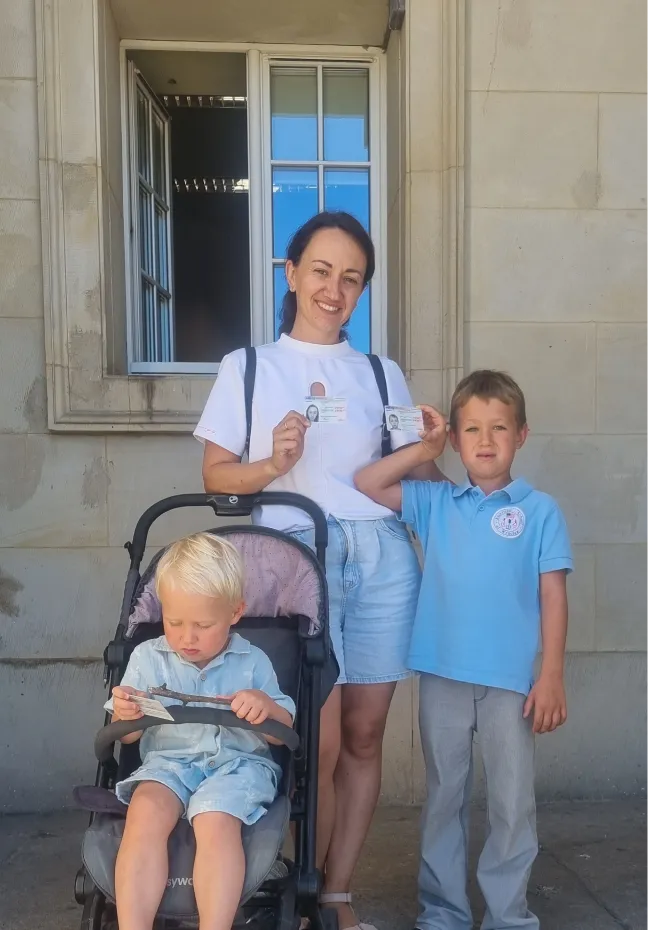
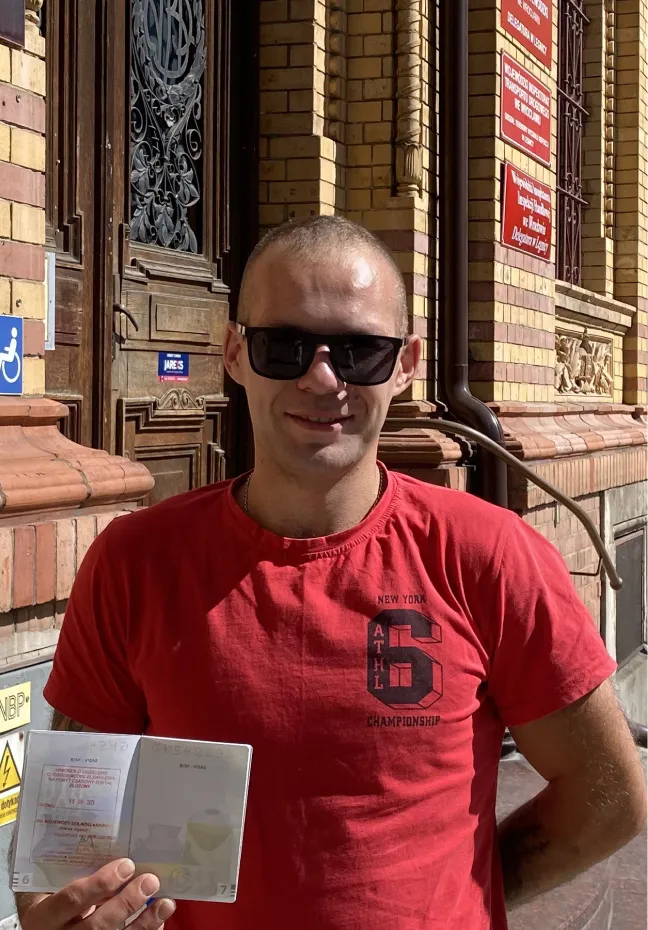
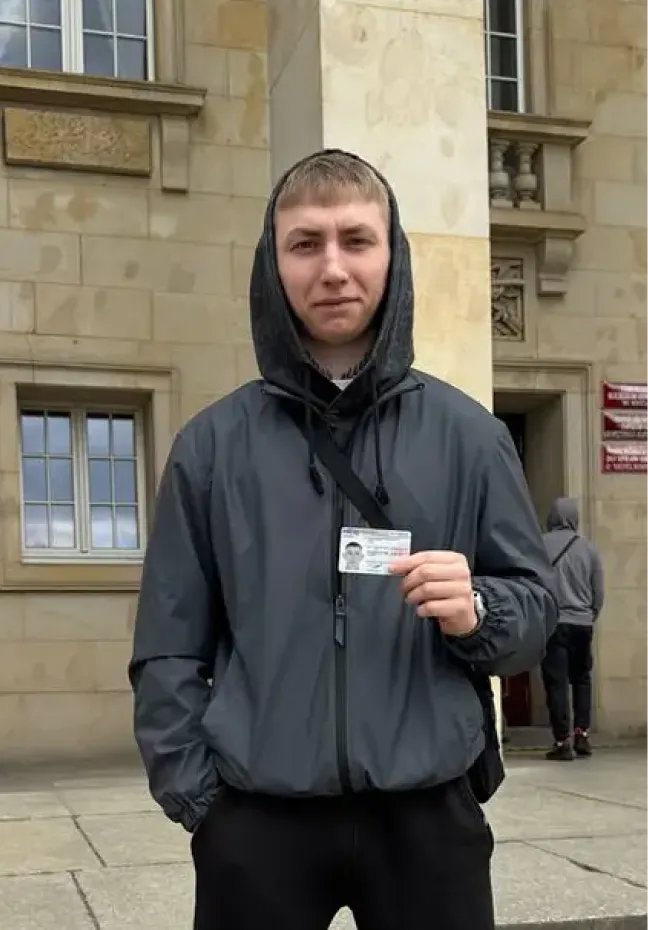
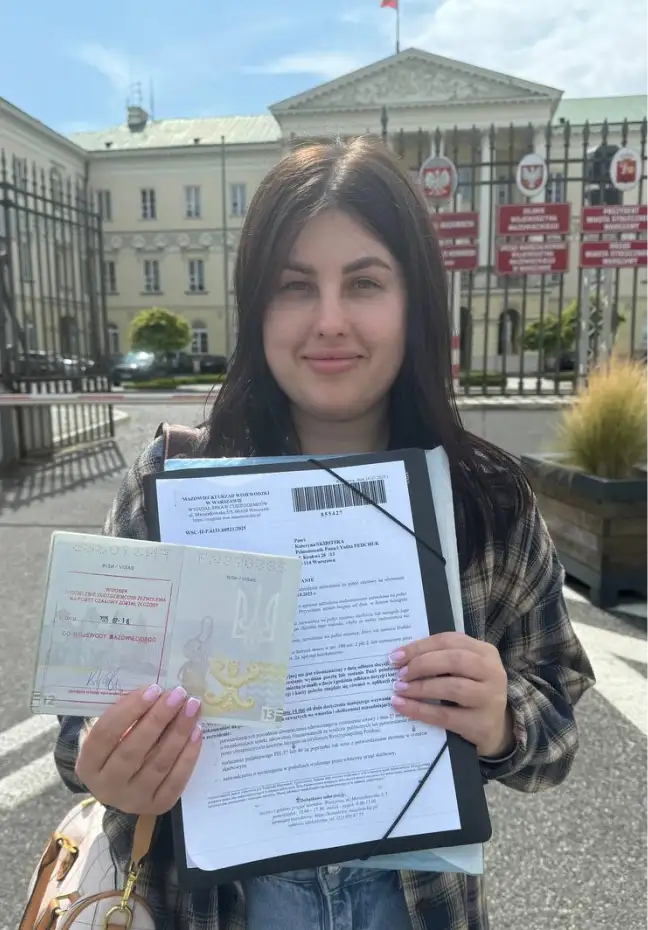
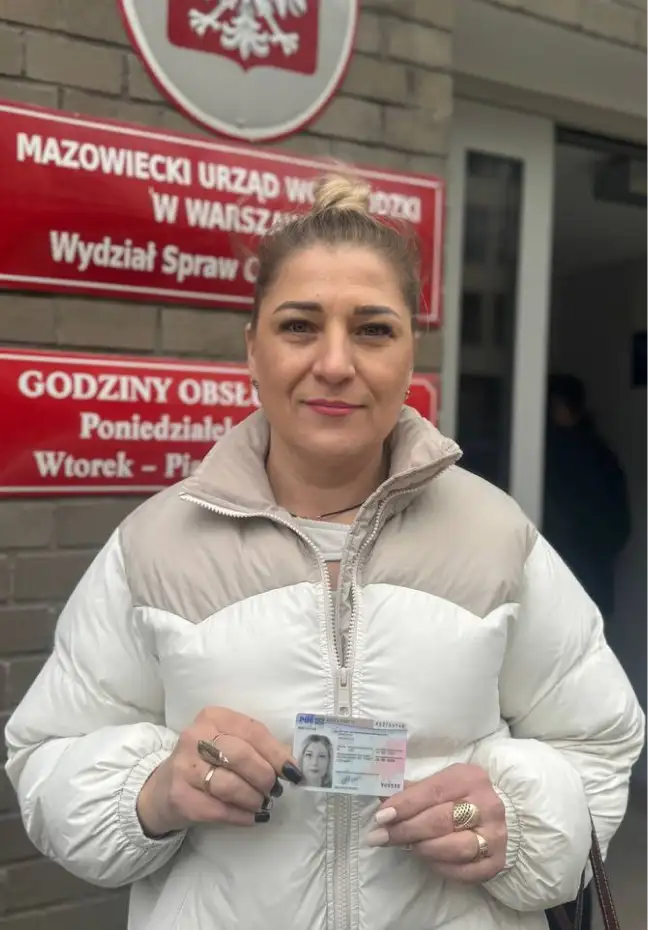
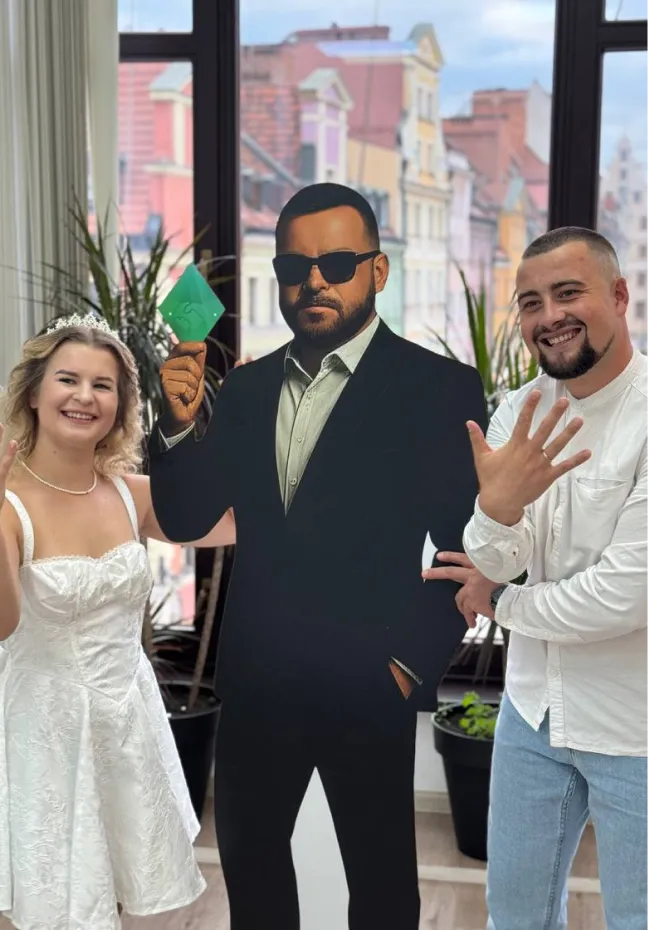
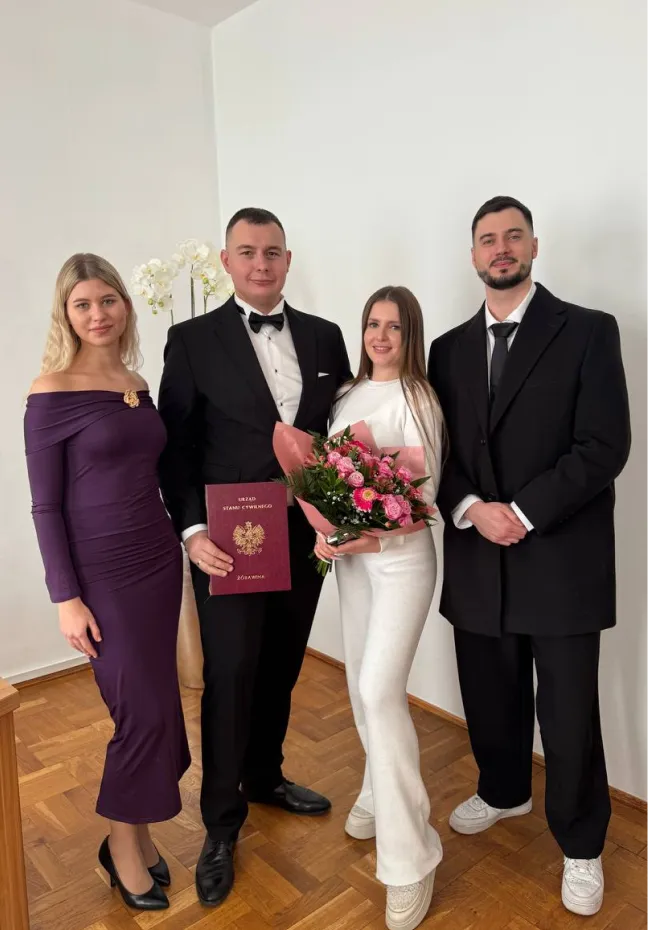
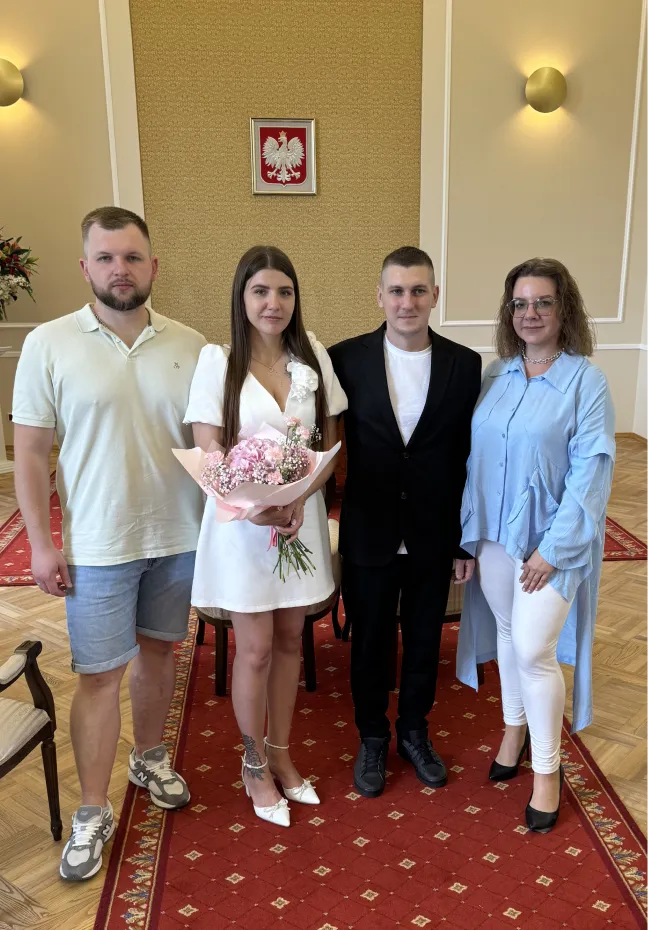
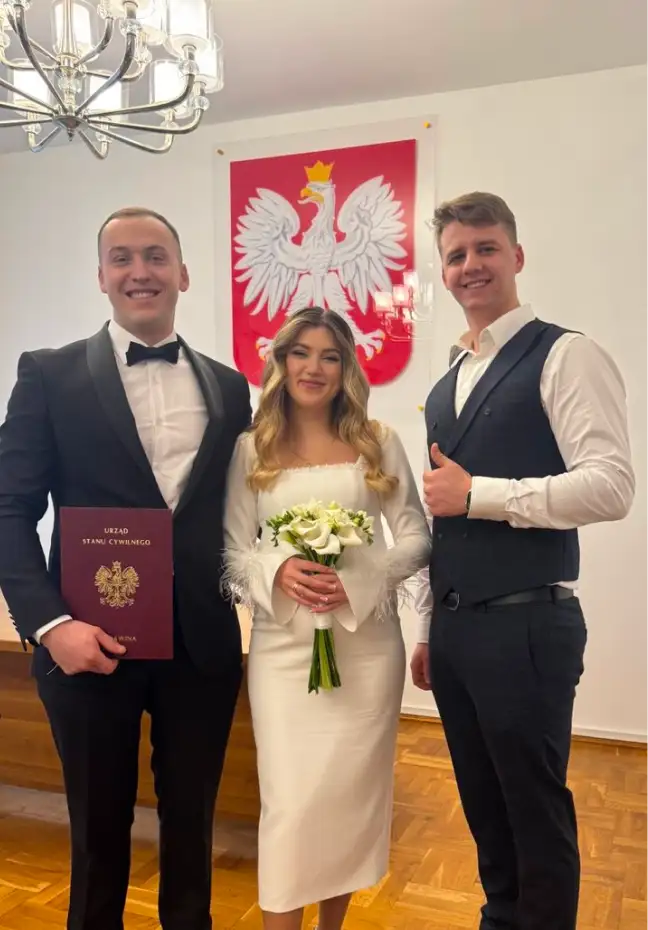
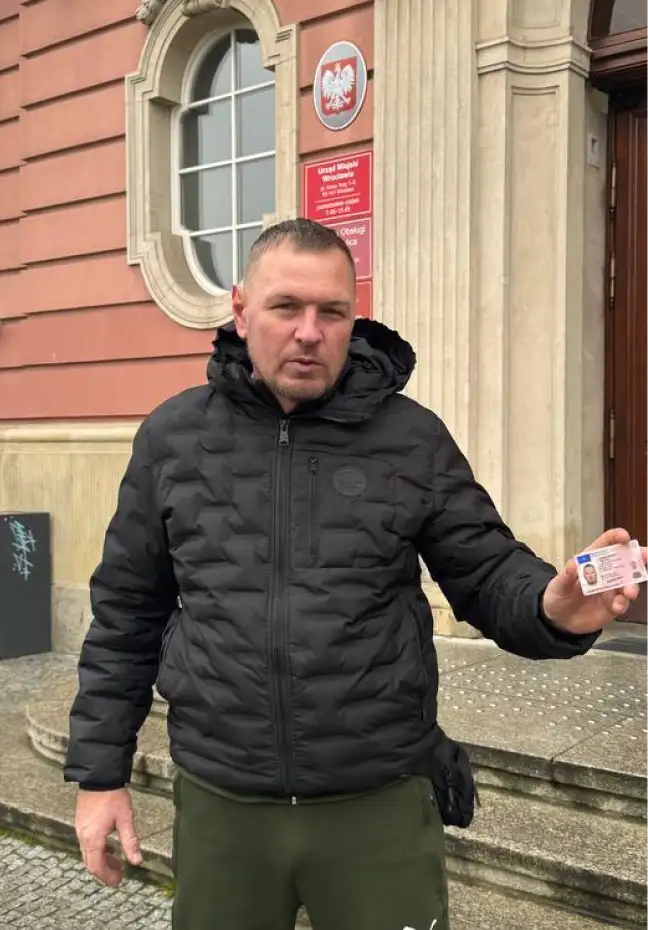
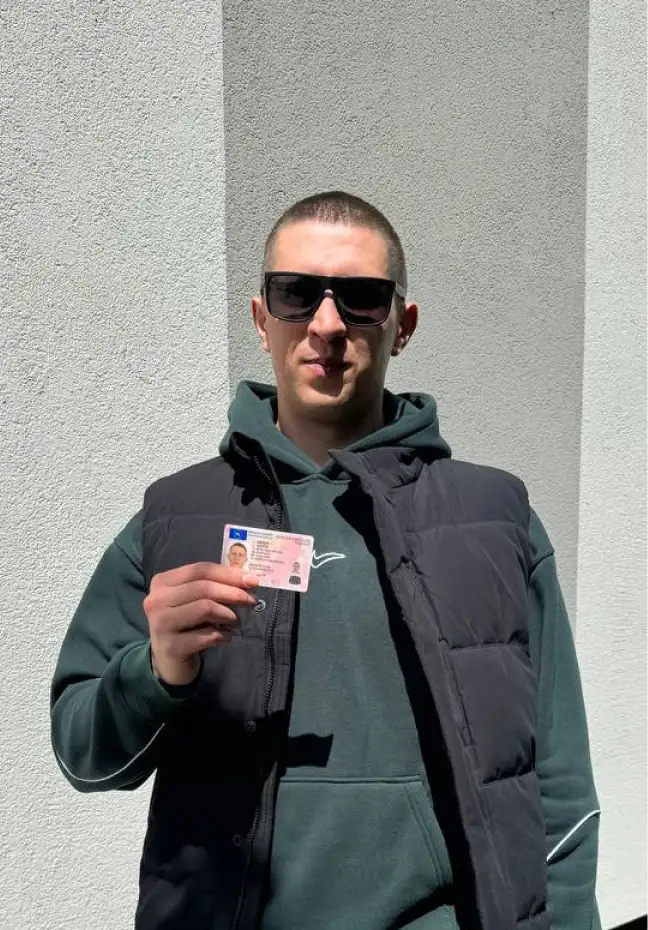
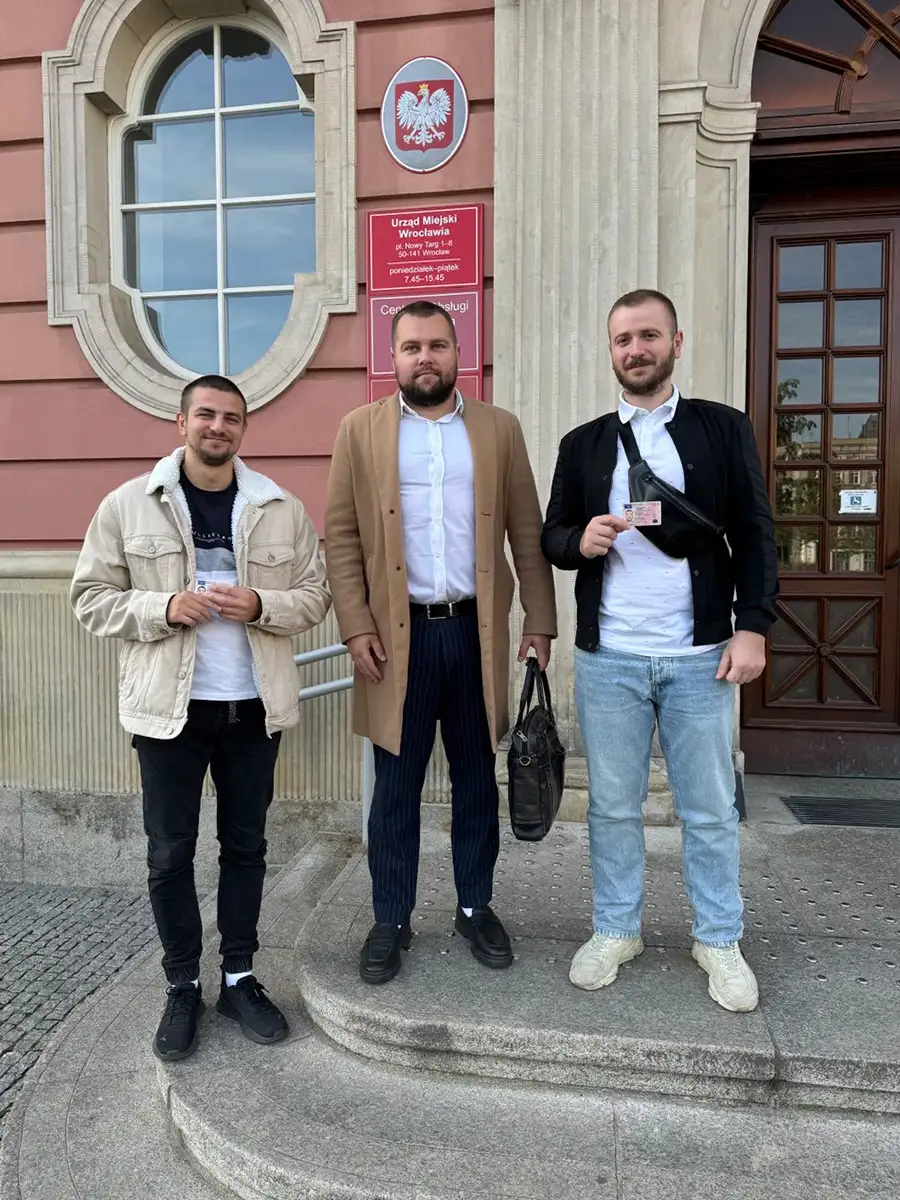
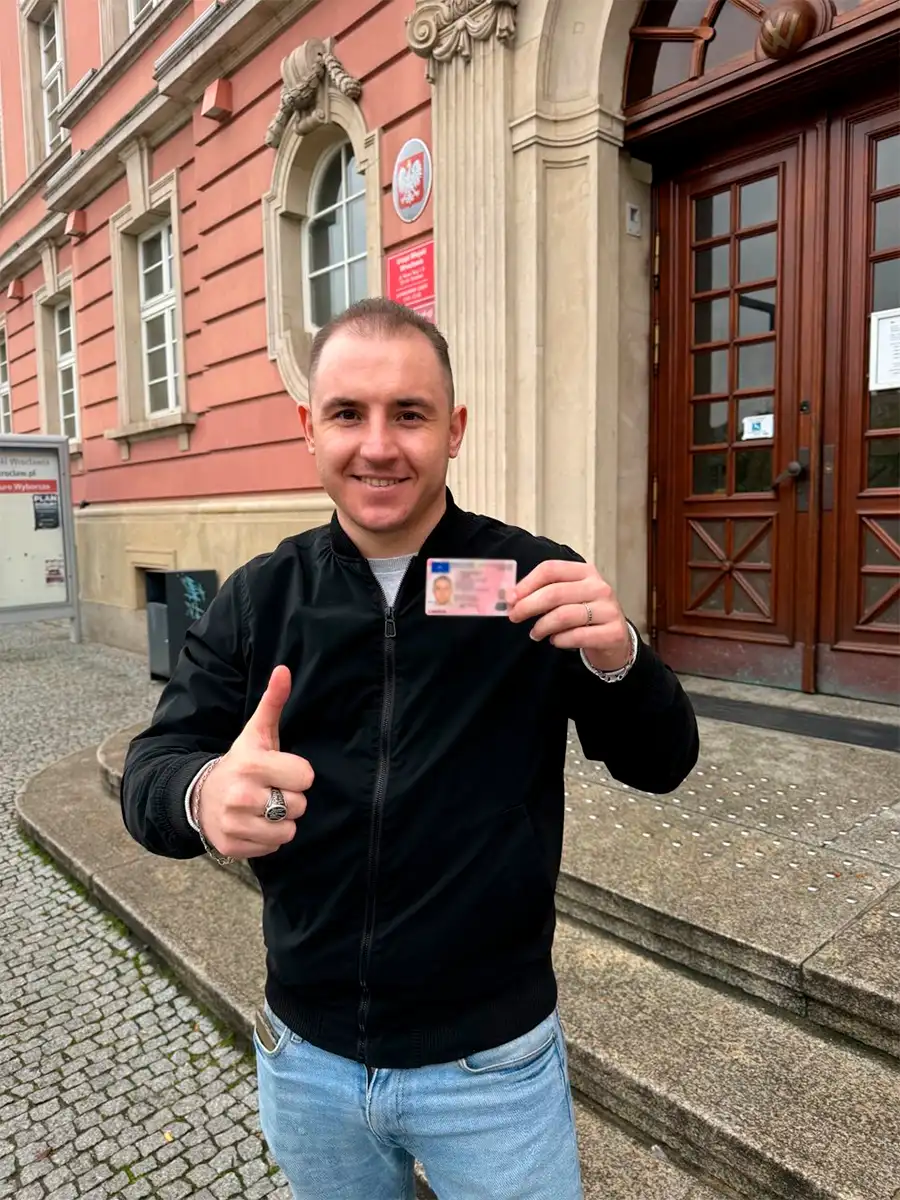
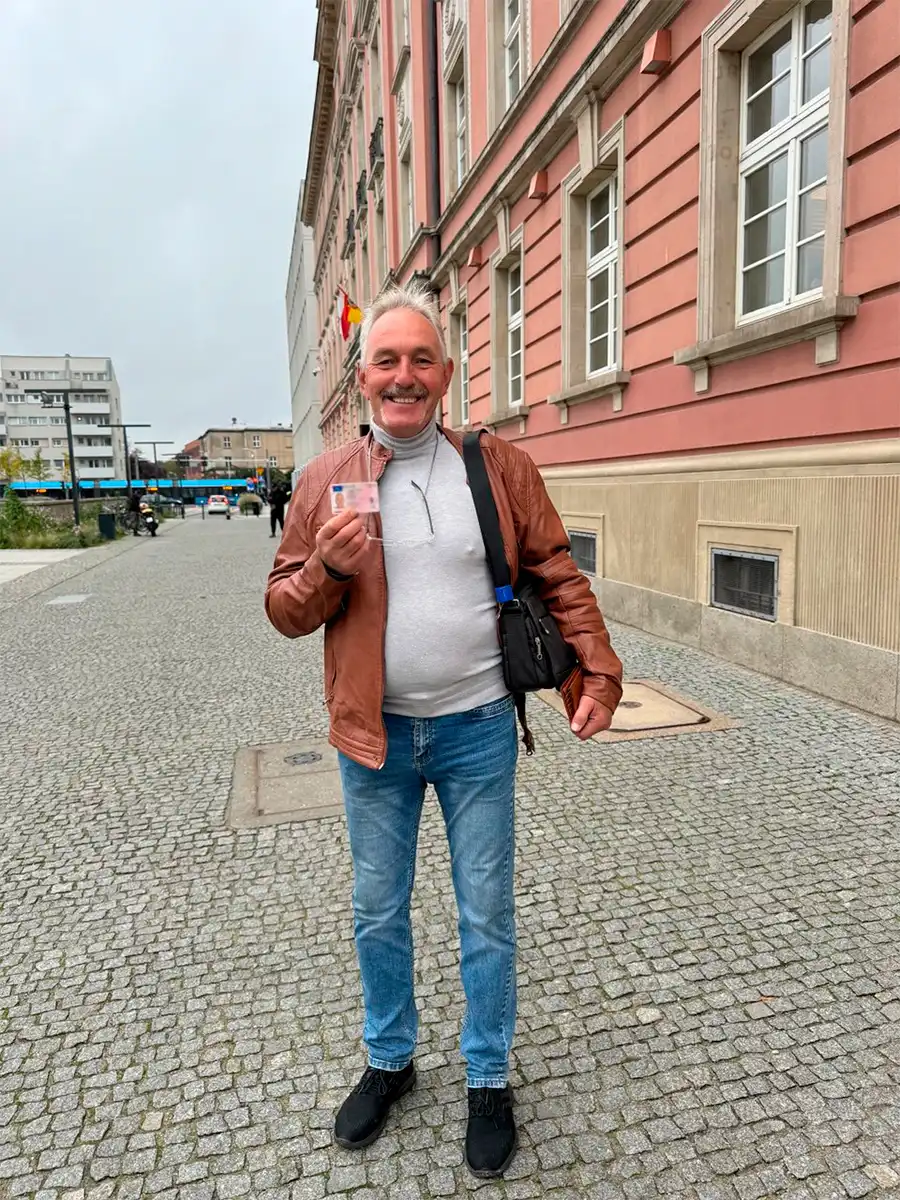
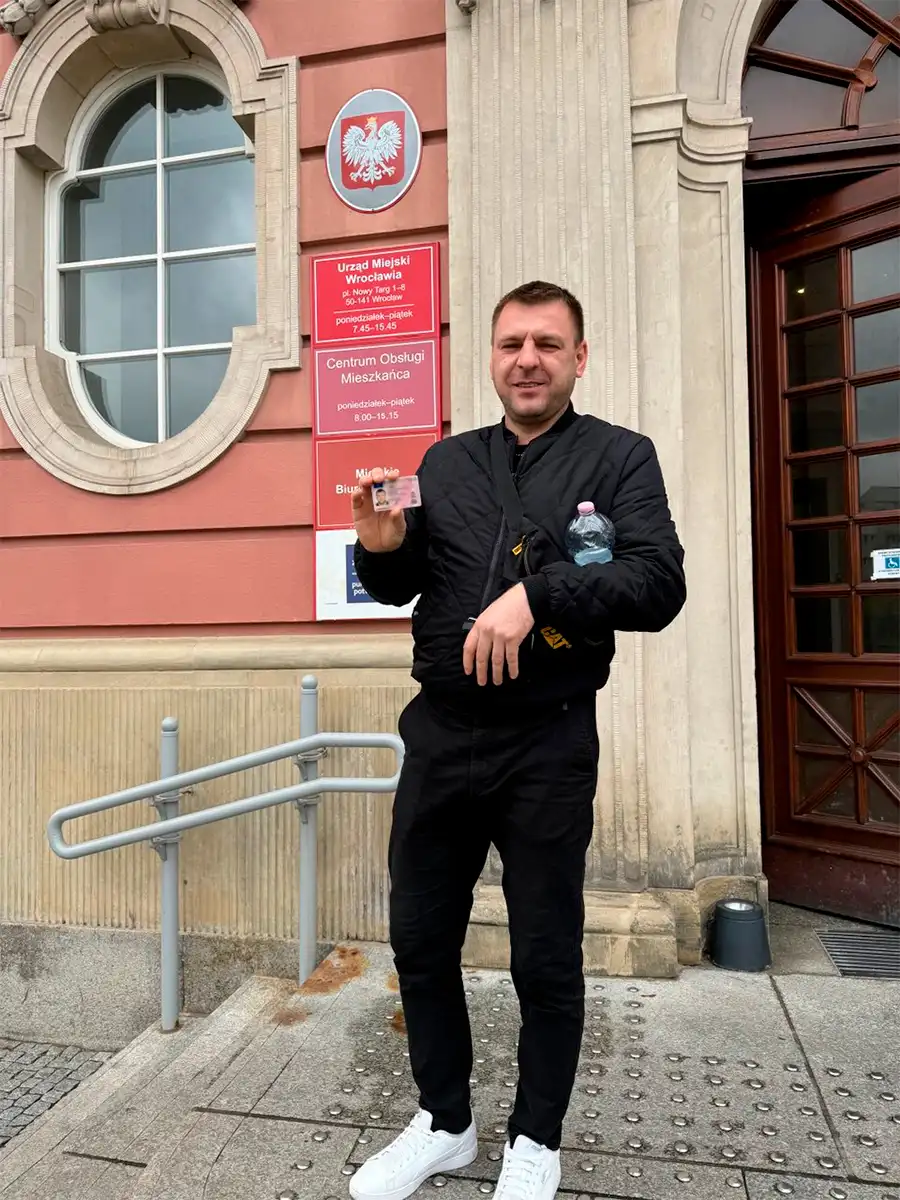
Client Photo Reviews












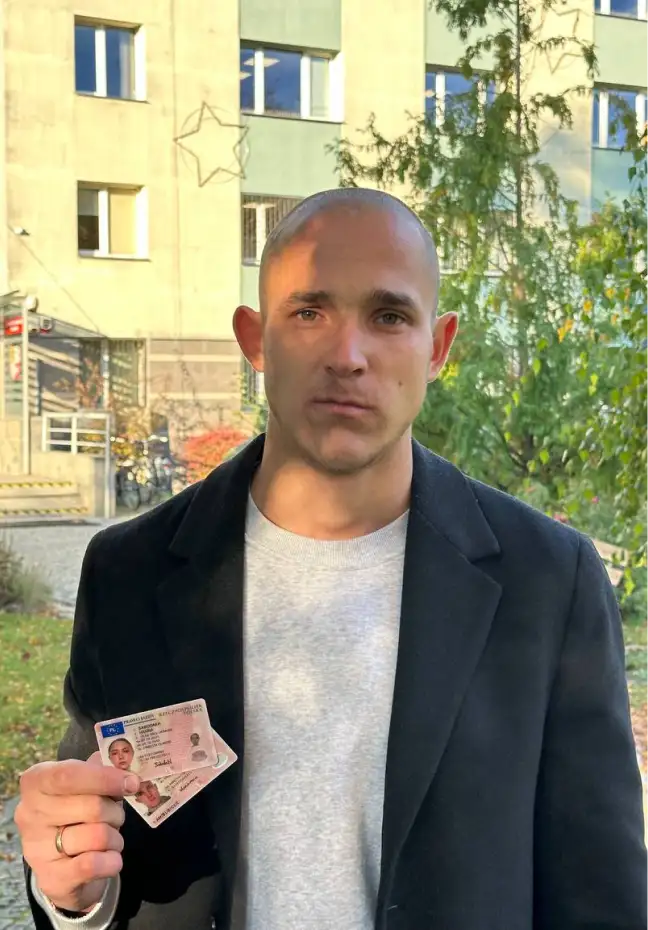
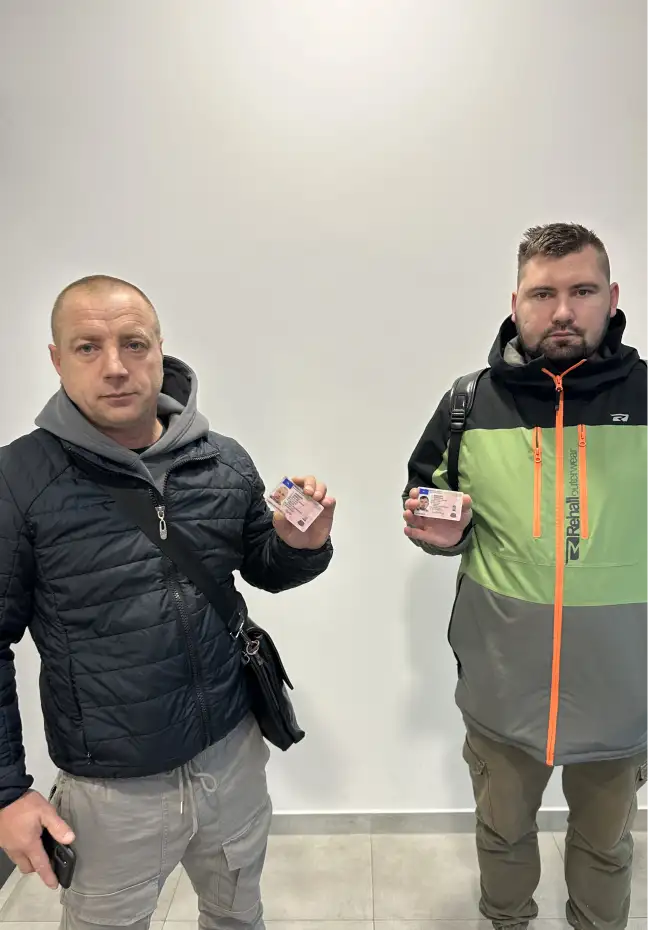
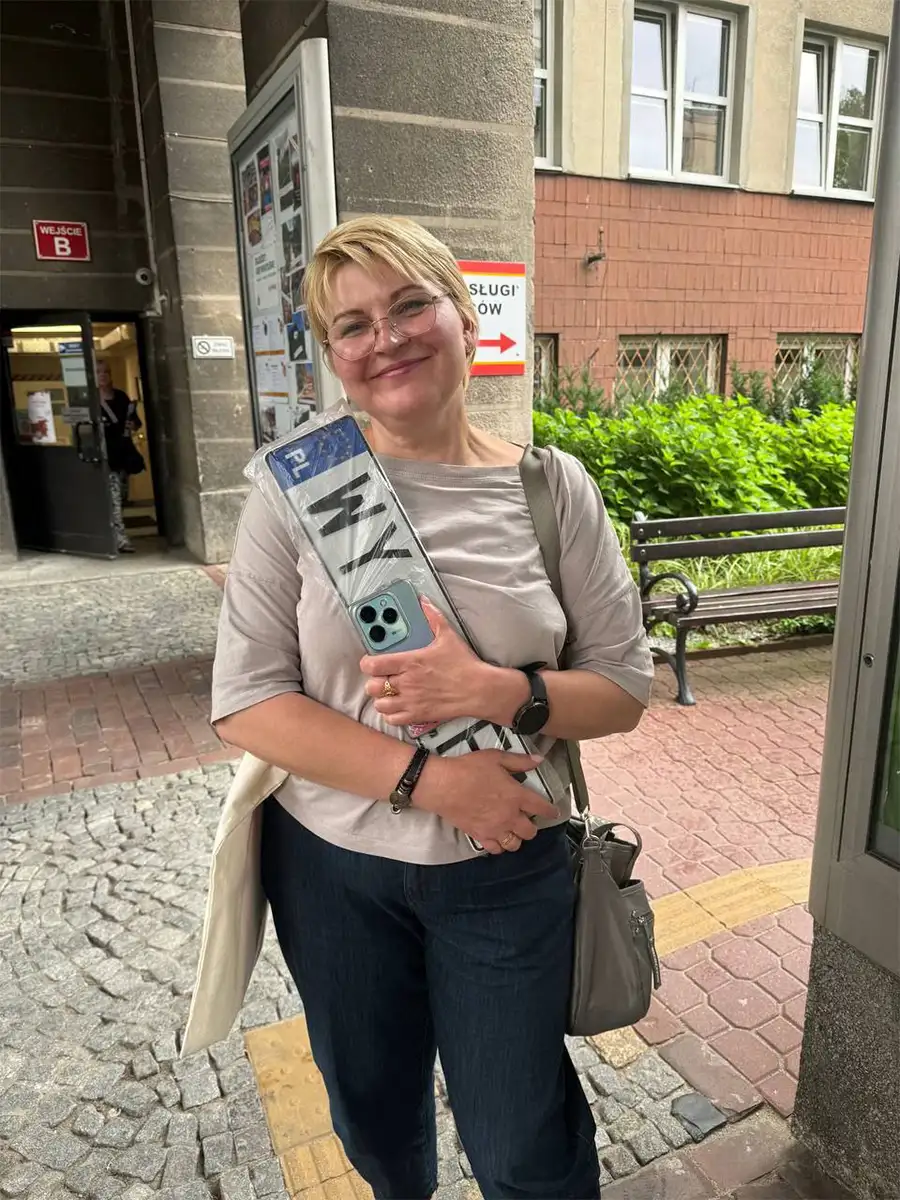
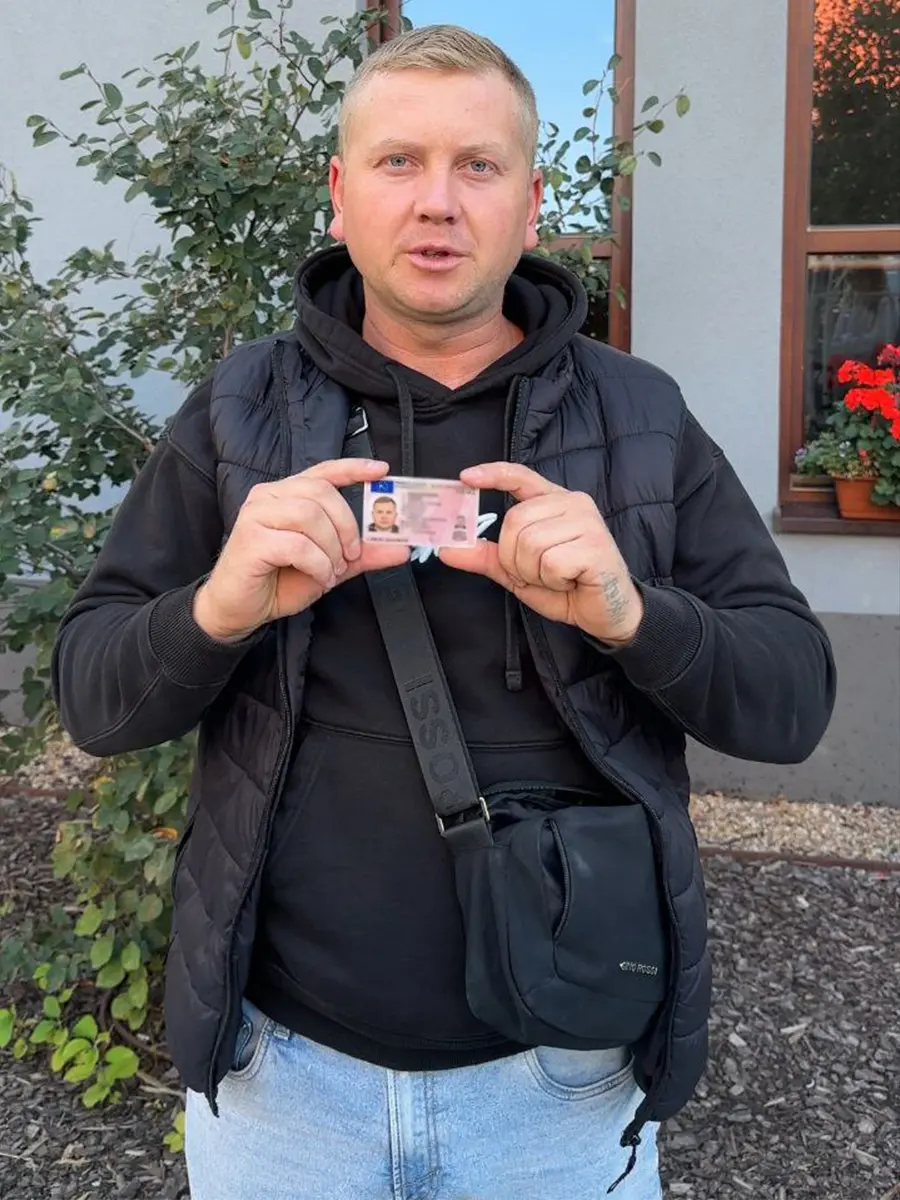
Frequently Asked Questions
To obtain a residence card, you need to have a legal basis for staying: work, studies, marriage, business, etc. You gather the required documents, submit an application to the voivodeship office, and wait for the decision.
The cost depends on the basis for obtaining the card. Based on origin: 640 PLN + 100 PLN for the production of the card (for children under 16 — 50 PLN). For holders of the Pole’s Card: no government fees are charged. Translation services, apostille, or legal assistance are paid separately.
On average — from 3 to 8 months, depending on the voivodeship. During the entire waiting period, you are allowed to stay in Poland legally.
A temporary residence card cannot be extended. After the current card expires, you need to submit a new set of documents “from scratch.” You can apply no earlier than 6 months before the card’s expiration date and no later than the last day of your legal stay in Poland.
A residence card based on Polish origin is issued to individuals of confirmed Polish descent, while a residence card based on marriage is granted to those married to a Polish citizen. Both options can lead to obtaining a permanent residence card.
Yes, you can leave Poland, but doing so may complicate the procedure or even lead to a refusal if your trip is too long or not justified. It is recommended to get a stamp in your passport confirming the submission of your application, and to carry documents proving your legal stay in Poland. Always consult a lawyer before traveling.
Ukrainians who are legally residing in Poland can apply for a residence card based on employment, studies, marriage, or for humanitarian reasons (e.g., Ukrainian refugees).
If the parents have a temporary or permanent residence permit, they can apply for a child’s residence card from birth or after moving to Poland. If the parents have not yet received a decision, the documents can be submitted together with the child’s. In this case, the parents receive the decision first, followed by the child.
You need to have proof of company registration, an extract from CEIDG or KRS, financial statements, and a certificate of stable income.
Yes. If you are a student at a Polish university, a student residence card allows you to legally live and work during your studies.
Yes, you can. However, you must notify the Voivodeship Office (Urząd) about the change of employer and submit new documents. This applies to residence cards based on employment. From the date of dismissal, you have up to 15 days to notify the Voivodeship Office. After that, you have another 30 days to submit documents from the new employer.
It depends on the type of card — temporary, permanent, or long-term — as the requirements may vary. For example, employment is not required for residence cards based on marriage, studies, or Polish origin. However, to obtain a card based on employment, you must have a valid employment contract with an employer.