In 2026, temporary protection for Ukrainians in Europe formally remains in place, but its substance is changing significantly. While in 2022–2024 the key focus was providing refuge, most countries are now shifting to a model of controlled support: assistance continues, but it is increasingly linked to employment, integration, and actual residence.
As a result, Ukrainians with the same status may face completely different conditions in different countries — from the level of financial benefits and access to housing to the risk of losing support due to unemployment. Below is a structured and practical overview of how temporary protection in Europe looks in 2026.
We will explain the differences between countries, the risks of losing status, and alternatives to temporary protection.
What Is Temporary Protection in 2026 and Why It Is No Longer “The Same” Everywhere
Temporary protection is a special legal regime that allows Ukrainians to legally reside in European countries, work without additional permits, access healthcare, and ensure their children have access to education.
However, in 2026, a clear EU-wide trend is visible: the status no longer guarantees automatic and unconditional support.
- social benefits are being reduced or limited in time;
- without employment or active integration, assistance may be reduced;
- without proof of residence, the status may be suspended;
- more frequently, individuals are encouraged to transition to other forms of legal stay.
Documents Typically Required for Obtaining or Extending Status
The required documents vary by country, but in most cases the basic requirements are similar:
- a valid international passport or other identity document;
- for children — a birth certificate;
- proof of residence or address confirmation;
- passport-sized photographs;
- in some countries — online registration or annual status confirmation.
In 2026, particular attention is paid to actual residence. If a person formally holds the status but spends extended periods in another country or fails to confirm their address, this may become grounds for losing benefits.
Germany: Support with a Strong Focus on Employment
In Germany, temporary protection remains in 2026, but the social model is becoming increasingly demanding. Financial assistance depends on family composition and employment status, and lack of work without a valid reason may lead to reduced or terminated payments.
There is also stricter housing control: employed individuals may qualify for housing subsidies, but these depend on income and require regular reapplication. Free language and integration programs are gradually being reduced.
Poland: The End of PESEL UKR and the Search for New Grounds
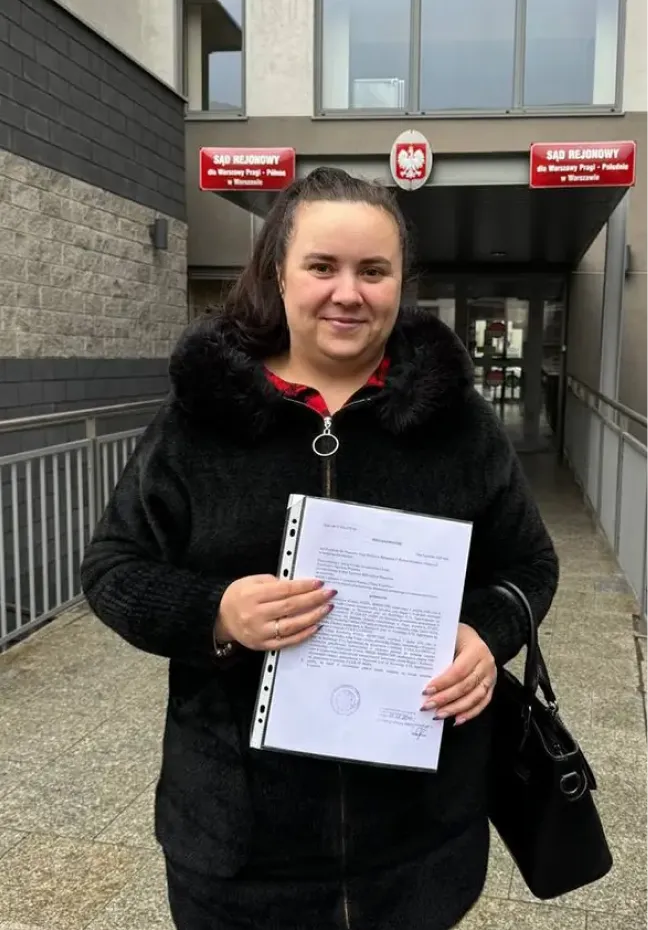
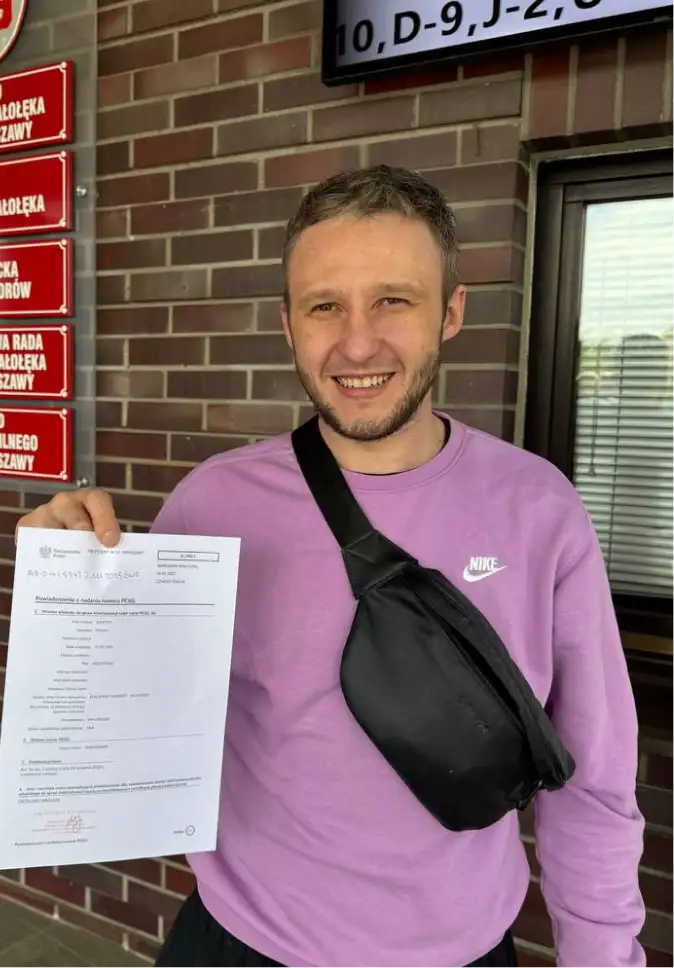
In Poland, temporary protection is valid only until March 4, 2026. After this date, the PESEL UKR mechanism ceases to exist and no longer grants the right to stay or work.
For Ukrainians wishing to remain, relevant alternatives include:
- employment with a residence permit (karta pobytu);
- education;
- family reunification;
- business activity or self-employment.

Czech Republic: Extension Until 2027 with Mandatory Confirmation
The Czech Republic has extended temporary protection until 2027, but a key feature is that it must be confirmed annually.
Humanitarian assistance continues, but after several months of residence the amounts decrease, especially if the person is not employed and does not belong to vulnerable categories.
Spain and Italy: Status Exists, but Financial Support Is Limited
In Spain, temporary protection has been extended until 2027, but financial assistance for Ukrainians has effectively been discontinued. The focus is on the opportunity to work legally and rent housing independently.
In Italy, support is primarily aimed at newcomers: financial assistance is provided only during the first months, after which individuals are expected to integrate into the labor market.
Scandinavian Countries: Protection with Individual Assessment
In Finland, Norway, and Ireland, temporary protection has formally been extended, but support largely depends on individual circumstances: income, housing situation, and family status.
Which Countries Have Extended Protection Until 2027
Most EU countries have confirmed the validity of temporary protection until March 2027, including Germany, France, Italy, Spain, Finland, Sweden, Belgium, the Netherlands, Romania, and others.
At the same time, certain countries have received the right to limit the acceptance of new applications, and actual practice may vary at regional and municipal levels.
What Ukrainians Should Do Now
- check the validity period of your status and extension rules;
- clarify whether benefits remain available without employment;
- plan a transition to another type of legal stay if necessary;
- keep all documents confirming residence and income.
We will help you choose a country or an alternative to temporary protection without losing your rights.