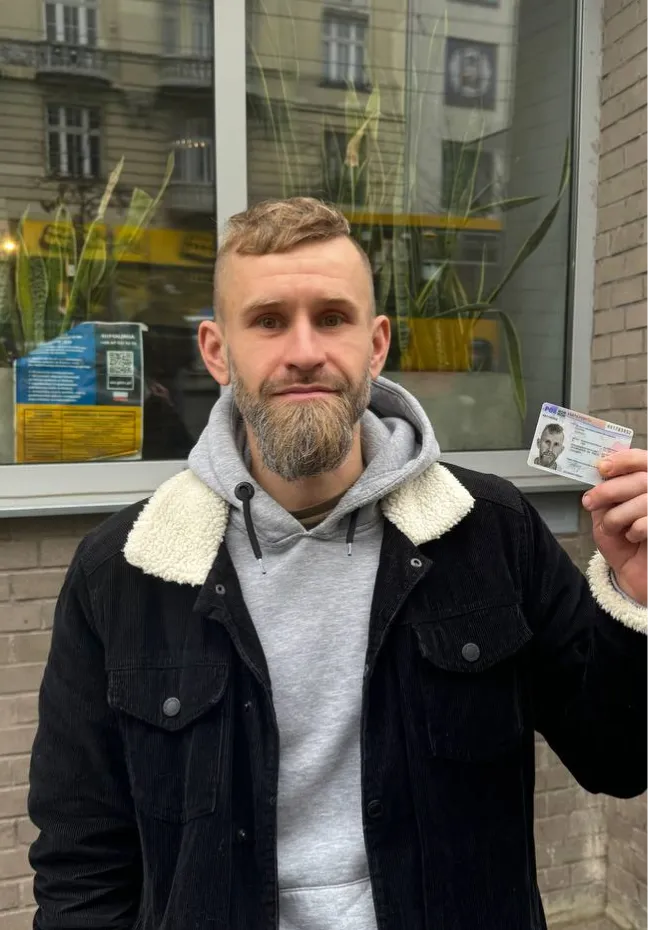
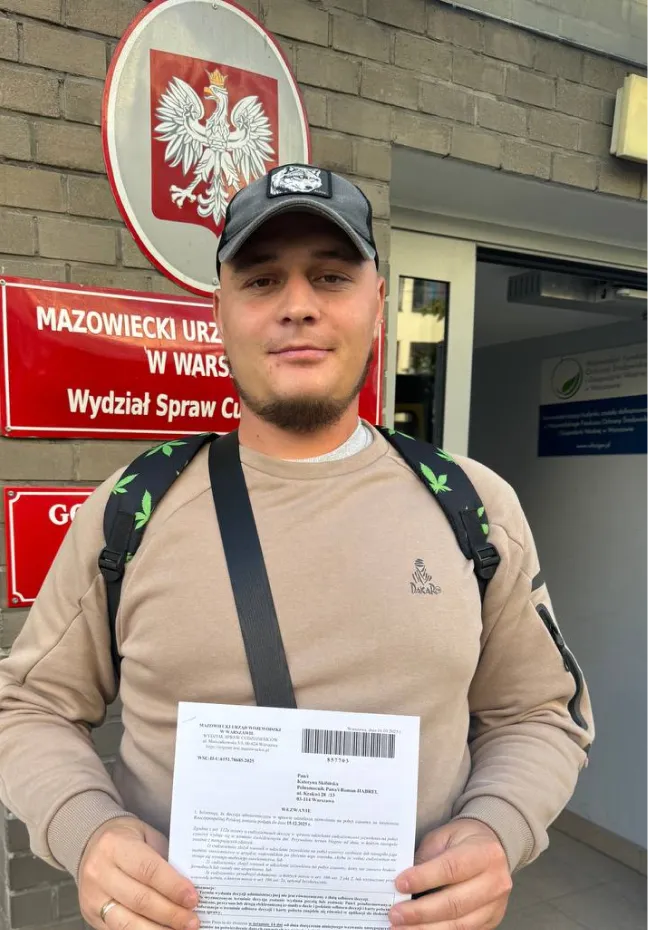
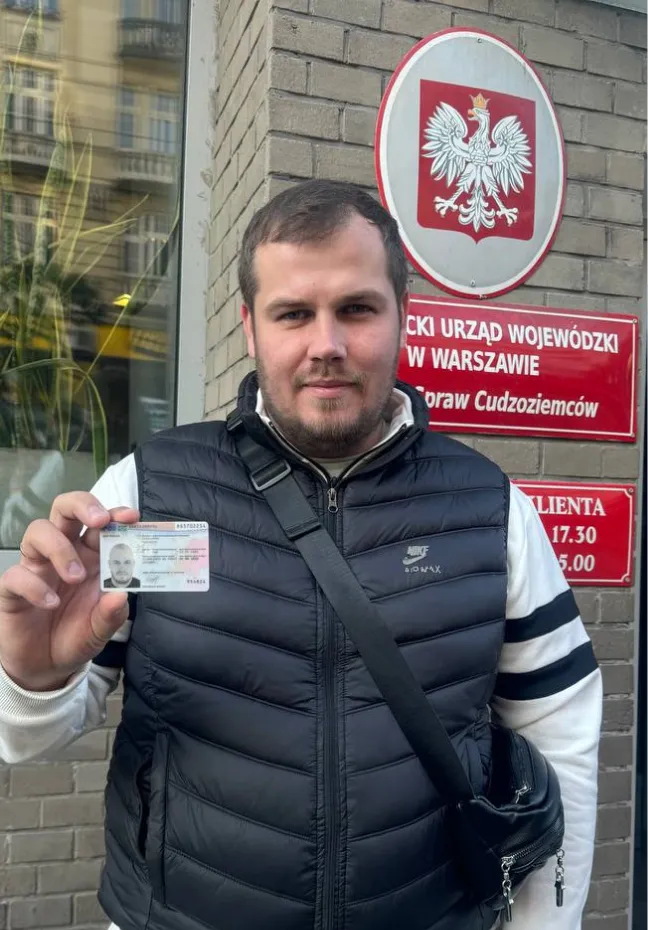
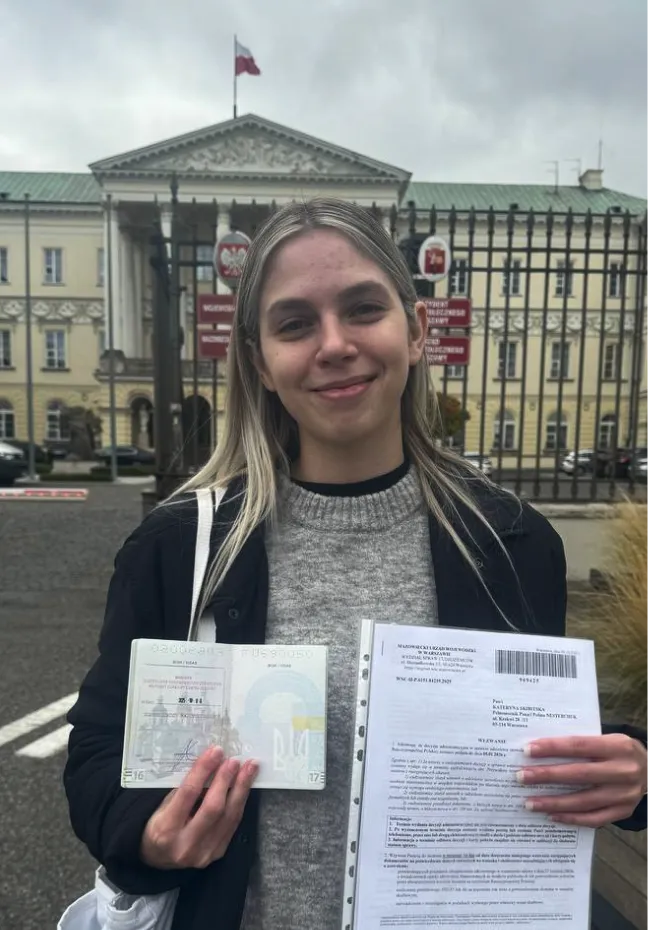
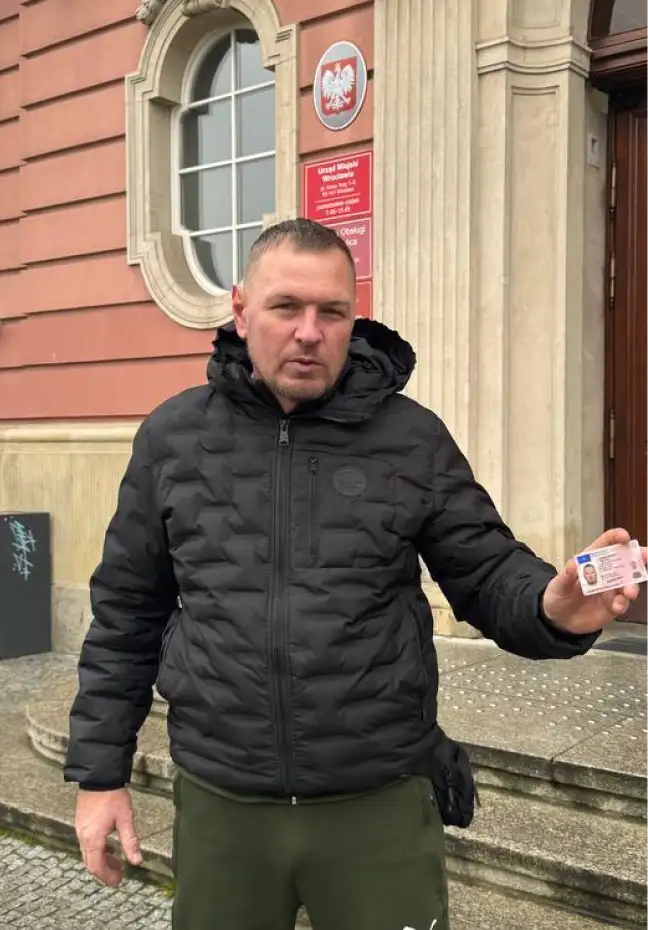
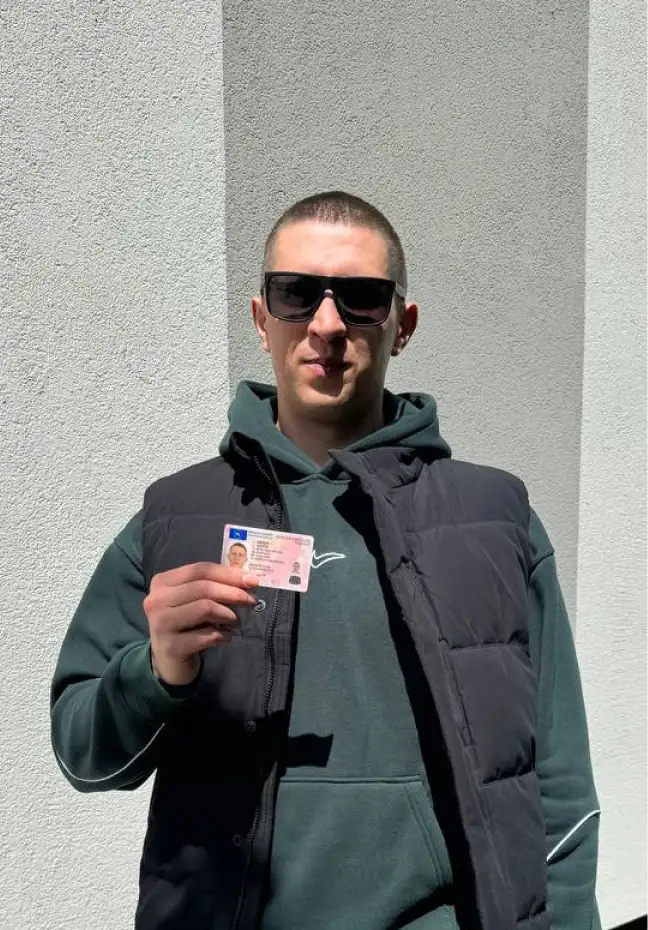
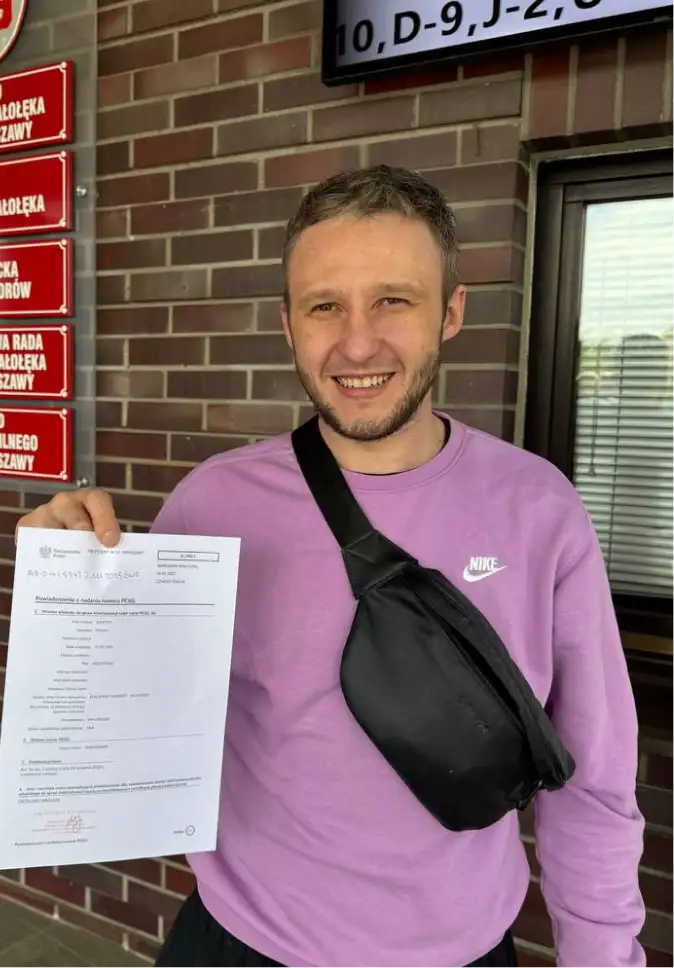
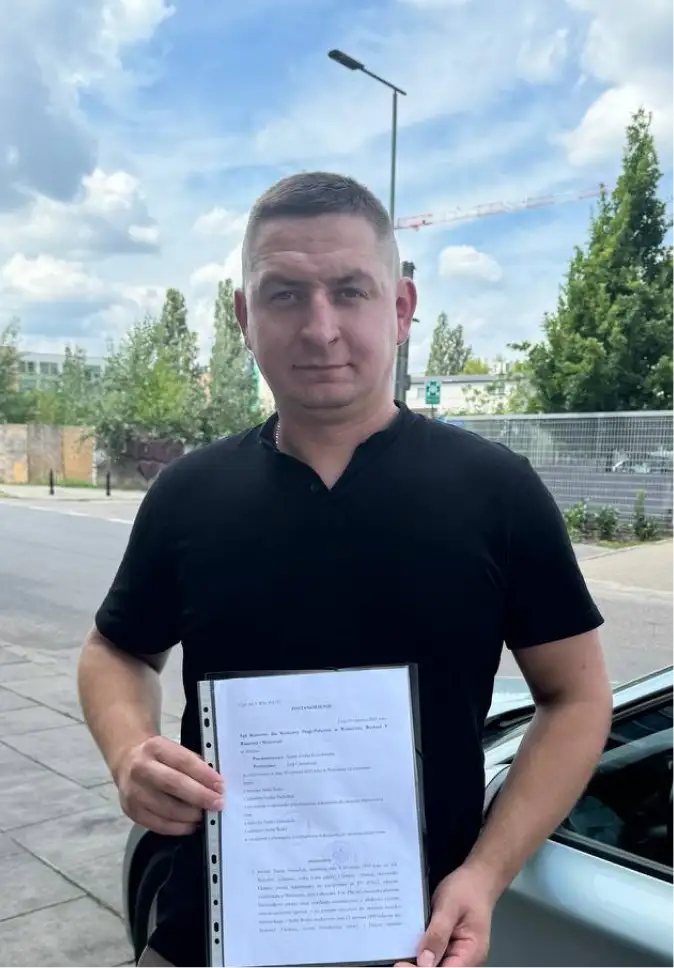
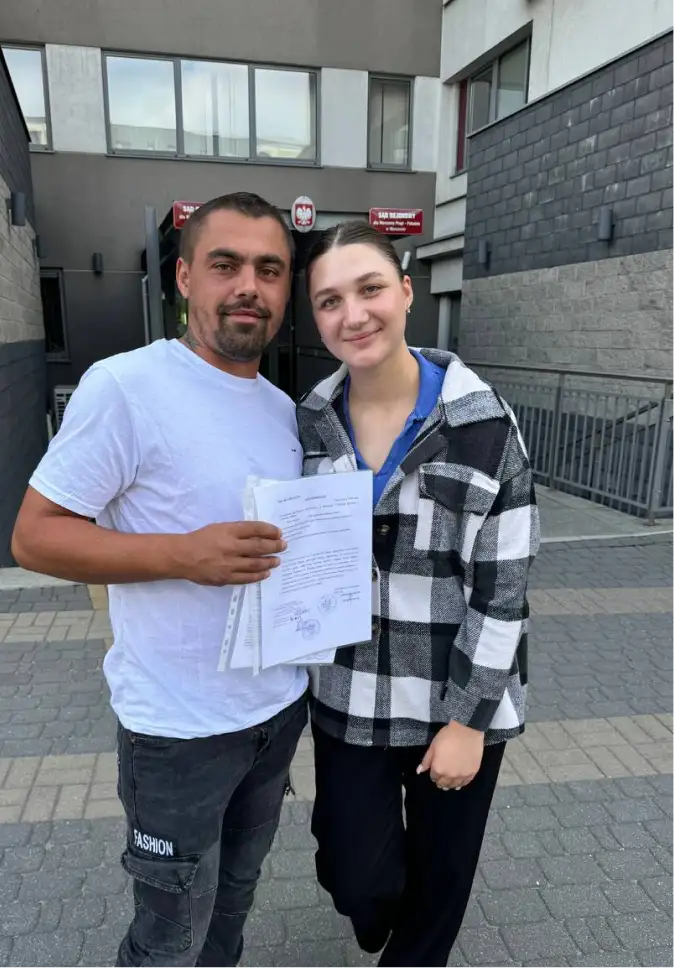
Temporary residence card is one of the key documents for a foreigner who wants to live in Poland longer than a visa or visa-free stay allows. It is this document that confirms that a person has been granted a temporary residence permit on a specific basis: work, studies, business, family, or other circumstances. In practice, this is not just a “plastic card,” but a document that often determines the right to live in Poland peacefully, work, study, rent housing, open bank accounts, and plan further legalization in Poland. The Law on Foreigners provides that a temporary residence permit may be granted for a maximum of 3 years, and the procedure itself is handled by the voivode according to the foreigner’s place of residence.
Many people look for a simple answer: what documents are required, how much does it cost, and whether everything can be done without mistakes. But in reality, a temporary residence card is not one universal procedure — it is a whole group of different grounds, where the document package and the logic of the case differ. That is why the most common mistake is taking someone else’s list from a forum or an old article and submitting it without checking whether it fits your specific situation. Since the end of 2025, a new application form for temporary residence has been in effect in Poland, and the MOS system is officially used to complete the application online before printing and submitting it to the voivode.
What Is a Temporary Residence Card and Why Is It Important
Pobyt czasowy is an administrative permit to stay in Poland for a specified period and for a specific purpose. Simply put, the state allows you to remain in the country longer than would be possible on the basis of a visa or visa-free entry alone, but only on the basis that you have confirmed with documents. For example, this may be employment with a Polish company, studies at a university, running a business, marriage, or family reunification. MOS and official government instructions clearly structure procedures according to these separate grounds.
For many foreigners, the advantage of this card is that it provides stability. A person stops living under the pressure of a short permitted period of stay and gains the opportunity to build a longer-term plan in Poland. But it is important to understand: a temporary residence card is not an automatic pass to any job or any type of activity. Everything depends on what type of permit you have been granted and what is stated in the decision. One set of rules applies to a work-based card, another to a study-based card, and yet another to family residence.
Who Can Apply for a Temporary Residence Card
Most often, this permit is requested by foreigners who are already lawfully staying in Poland and have a genuine reason to remain longer. In practice, there are several main categories. The first is people who work in Poland and want to obtain a single permit for residence and work. The second is students studying at Polish universities. The third is entrepreneurs who run or plan to run a business in Poland. The fourth is family members applying for reunification or residence with a husband, wife, or children. All of these groups are described separately on the official MOS platform.
It is also worth paying special attention to Ukrainian citizens. After March 5, 2026, as directly stated by the Office for Foreigners (Urząd do Spraw Cudzoziemców), the general requirements and grounds for refusal regarding temporary residence once again fully apply to Ukrainian citizens in accordance with the Law on Foreigners. This means that you should not rely on outdated materials describing simplified wartime rules as if they were still valid in all cases.
The Most Common Grounds for a Temporary Residence Card
Work-Based Card
This is the most common option. If a foreigner works in Poland, they may apply for a zezwolenie na pobyt czasowy i pracę. For this, in addition to the application itself, Appendix No. 1 completed by the employer is required, along with a package of documents confirming employment conditions, income, and other requirements. The official portal biznes.gov.pl specifically emphasizes that such an application must always be submitted personally by the foreigner, not by the employer.
Study-Based Card
For students, the logic is different: the key is to confirm the fact of studies, the availability of funds for living expenses, health insurance, and accommodation. MOS explicitly states that a student permit is issued for the period of study extended by 3 months, but for no longer than 3 years. Separate rules apply to those who are already continuing their studies when it comes to obtaining the next permit.
Business-Based Card
Foreigners who conduct business activities in Poland may apply for a permit in connection with entrepreneurial activity. But here, it is important not only to have a registered business, but also to confirm the economic rationale, actual business activity, documents, and compliance with the requirements of this ground. MOS explicitly выделяет this procedure as a separate block, which once again shows that a “business-based” card is a separate route, not just an add-on to an opened JDG or spółka.
Family-Based Card
A separate category is family reunification or residence with a spouse. In such cases, the authorities verify the authenticity of family relations, income, insurance, accommodation, and other criteria. For some categories of family members, MOS explicitly sets out additional requirements regarding financial means for maintenance and accommodation.

What Documents Are Usually Required
The basic package almost always includes: a properly completed application, photographs, copies of the foreign passport, proof of fee payment, and documents supporting your specific ground. If it is work, an appendix from the employer is added; if studies, documents from the university; if family, documents confirming family ties; if business, a package related to business activity. In MOS, each category has separate lists of required evidence, and since December 1, 2025, a new application form and appendices have been in force.
It is also important to remember the language of the documents. If a document is issued in a language other than Polish, the procedure often requires a translation prepared by a sworn translator. This applies to certificates, statements, confirmations, and many other foreign documents. It is precisely because of incorrect translations or the absence of translations that many cases receive formal deficiencies at the very start.
How to Submit the Application Correctly
Today, the standard and recommended route is to complete the application through MOS, after which it must be printed, signed, and submitted together with the appendices to the voivode according to your place of residence in Poland. It is very important to understand: simply completing the form in MOS does not mean that you have already submitted the documents. The voivodeship authorities specifically point this out — if your appointment date at the office falls after the end of your lawful stay, you cannot simply wait for the visit; you must physically submit the application or send it in the proper manner within the deadline.
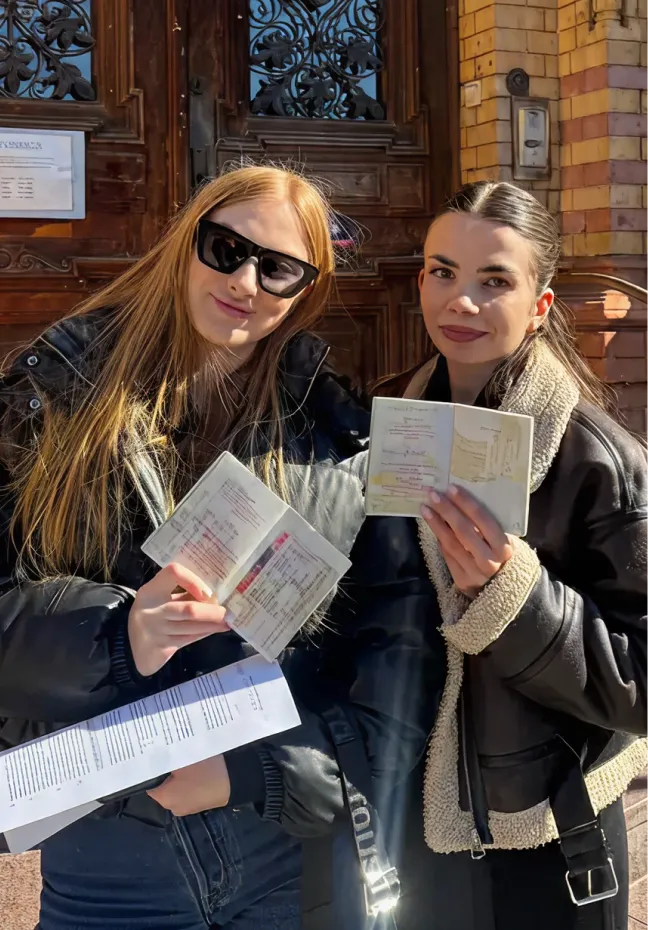
Another important point is personal attendance. For many types of temporary residence, the foreigner submits the application in person because biometric data are collected during the procedure. If the application is submitted on time and without formal deficiencies, or if they are corrected within the deadline, the voivode places a stamp in the passport confirming lawful stay during the examination of the case. However, this stamp does not grant the right to cross the border. Official voivodeship sources emphasize this separately.
How Much Does a Temporary Residence Card Cost
Everything depends on the basis. According to official data from voivodeship authorities, the stamp duty for a standard zezwolenie na pobyt czasowy is 340 PLN, while for a single residence-and-work permit it is 440 PLN. In addition, after a positive decision, the production of the card itself must be paid for separately. So it is better to understand from the outset that there are two separate payments: one for the examination of the case and one for the plastic card itself after a positive decision.
We deliberately advise against relying on old checklists from random blogs, because the fee amounts, forms, and certain technical requirements may change. If you want to avoid mistakes from the very beginning, it is better to verify everything specifically for your ground right away.
How Long Does It Take to Receive a Decision on a Temporary Residence Permit
Theoretical timeframes and actual practice are two different things. Formally, public services often refer to 60 days for some procedures, but the countdown usually starts not from the day when you “filled something out somewhere,” but from the moment the case is considered complete. If the office requests additional documents, the timeframe effectively starts later. That is why, for the client, what matters most is not the mythical figure of “how many months to wait,” but a strong submission without gaps.
It is also necessary to take into account the current context for Ukrainian citizens: after March 5, 2026, the general requirements for temporary residence once again fully apply. In other words, you should no longer count on automatic simplifications that may have been in force before.
Typical Reasons for Refusal of a Temporary Residence Card
A refusal does not always mean that a person “had no right” to residence. Very often, the problem lies elsewhere: a weak basis, missing key documents, contradictions in the application form, errors in translations, unproven income, lack of insurance, or flawed overall case logic. Following the changes of recent years, government services have specifically pointed out that both work-related and residence-related procedures now involve new grounds for refusal or stricter control over the legalization of work and stay.
Sometimes a refusal occurs not because the situation is hopeless, but because the case was assembled as a “set of papers” rather than as a convincing legal case. That is why it is better to review the structure of the case before submission rather than deal with the consequences later.
What to Do If You Have Already Received a Refusal
A refusal is not always the end of the road. Polish procedure provides the right to appeal a refusal to grant a temporary residence card, and for certain categories of permits, MOS contains separate “Odwołanie” stages. But before rushing anywhere, you need to understand the actual reason for the refusal: is it a formal issue, a weak basis, or an error in the evidence? Only after that can you decide whether it makes sense to file an appeal or whether it is better to prepare a new, stronger submission.
In practice, the worst scenario is acting blindly: filing an appeal without analysis or, on the contrary, immediately making a new submission without correcting the previous mistake. If the case is already problematic, the right strategy saves far more time than a formal “quick response.”
Conclusion on a Temporary Residence Permit in Poland
Temporary residence card is not just a formality, but an important step toward a stable life in Poland. It allows you to live in the country legally for a longer period, but only when the basis is chosen correctly and the documents are prepared properly. Today, it is especially important not to rely on outdated approaches: new application forms are in force, the MOS system is operating, and for Ukrainian citizens the general rules of the Law on Foreigners once again fully apply.
If you want to go through this procedure calmly and without unnecessary risks, it is better to build your strategy not blindly, but based on your real situation. This is exactly where the VisaV.pl team can help: we explain complex things in simple language, review documents, and help you go through the entire route from choosing the basis to receiving the decision.