A voivodeship invitation to Poland is one of the most common topics among foreigners planning to work legally in the country. But this is also where people most often confuse the terms: some think it is a “visa,” others believe it is a universal entry permit, and some even assume the document can simply be “bought” without being tied to a real employer.
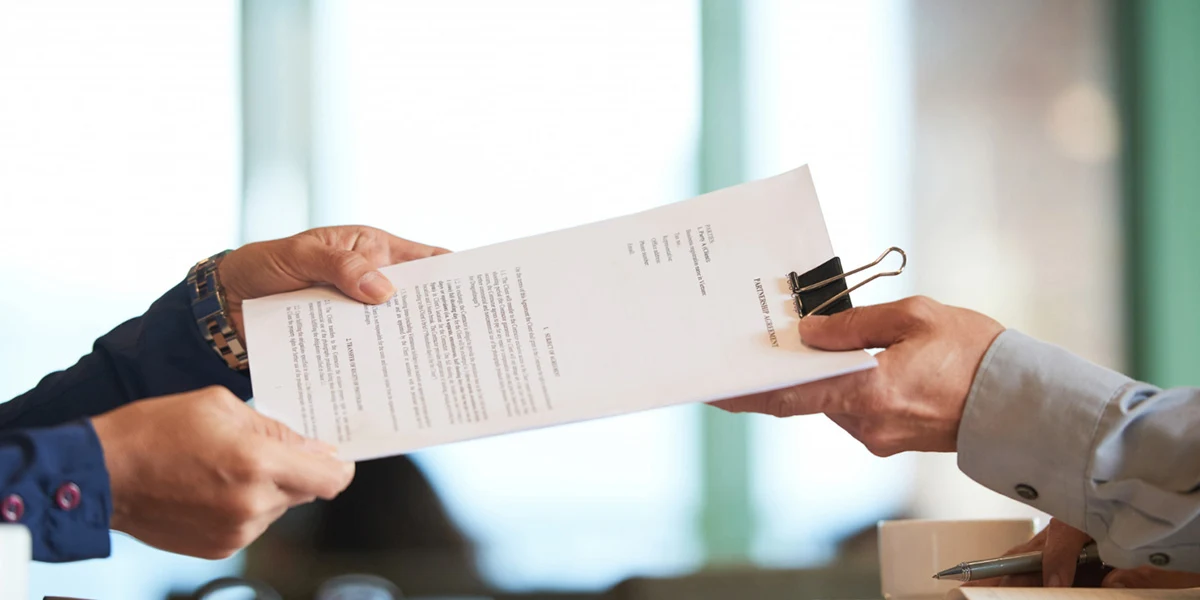
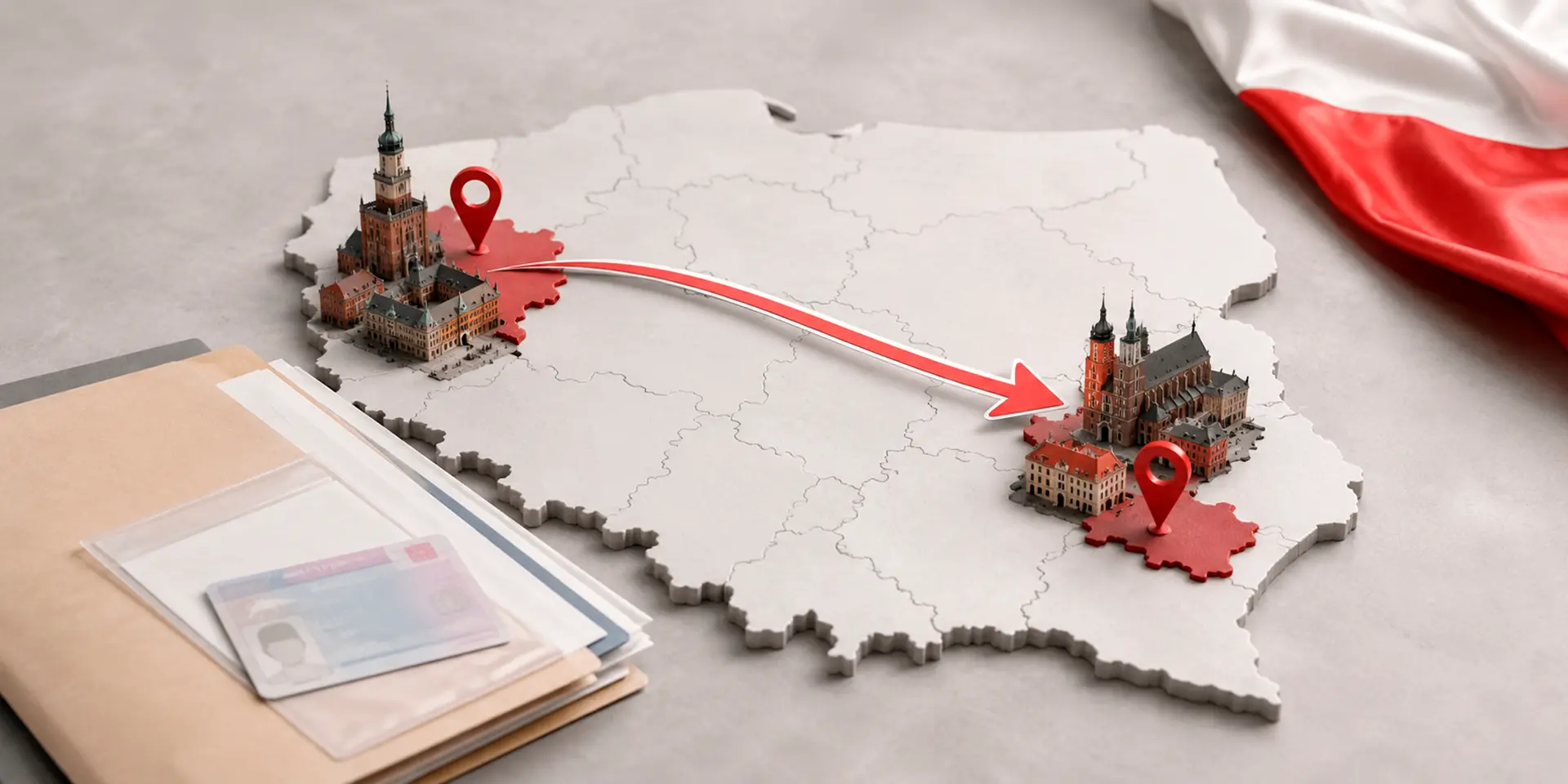
In reality, zezwolenie na pracę typu A is a work permit for a foreigner who performs work in Poland on the basis of a contract with a Polish employer. It is issued by the voivode based on the registered office or place of residence of the entity assigning the work, and the party to the procedure is the employer, not the employee. It is also important to understand that a work permit itself does not replace a lawful basis for stay. To work legally, you need both a work authorization document and a lawful residence status that allows you to work.
In this article, we will cover everything that matters: what a voivodeship invitation is, who it is suitable for, how it is processed in 2026, what documents are required, how much the procedure costs, which common mistakes can derail the case, and what to do after receiving the permit.
What Is a Voivodeship Invitation and What Does a Type A Work Permit Mean
In everyday language, the phrases “voivodeship invitation,” “voivodeship permit,” and “Type A permit” are often used as synonyms. In essence, this refers to a work permit for a foreigner who will work in Poland on the basis of a contract with a Polish entity — a company, sole proprietor, branch, or another form of organized activity operating in Poland.
The key idea is simple: this document legalizes work under specific conditions. What matters in it is the employer, the position or type of work, the salary, the term, and the other conditions under which the foreigner will be employed. That is why a Type A work permit is not a “free” document that can be transferred to any job or used without real employment.
What This Document Gives You — and What It Does Not
A Type A work permit gives you the right to work in Poland under the conditions specified in the permit, but it does not automatically grant the right to enter, live, and work in Poland without any other formalities. If a person is outside Poland, they will usually still need an appropriate basis for entry and stay. If a person is already lawfully staying in Poland, it must be checked separately whether their current status allows them to work.
This is exactly where most misunderstandings arise. A person receives a document from the employer and assumes that is enough. But if, for example, their basis for stay does not allow them to work or has been arranged incorrectly, the Type A permit alone does not solve the problem.
Who Must Submit the Documents for a Type A Work Permit
This is one of the most important points. The application for a voivodeship invitation cannot be submitted by the employee, but by the Polish employer or the employer’s authorized representative. The employer is the party to the administrative procedure concerning the issuance or revocation of the work permit.
For the employee, this means two things. First, if someone promises to “arrange a voivodeship permit without an employer,” that is already a red flag. Second, if the employer applies only formally but does not control the process, does not respond to government requests, or fails to send the required documents, the case may stall or end in a refusal.

What Conditions Must Be Met
The voivode issues a Type A permit subject to certain conditions being met. In particular, the salary stated in the contract with the foreigner cannot be lower than the pay of employees in comparable positions and cannot be lower than the minimum wage established in Poland.
In practice, this means that a “token” salary offered only to push the paperwork through is a bad strategy. If the conditions look artificial, do not match the real market, or do not align with the company’s profile, this may raise additional questions during the review.
How a Voivodeship Invitation Is Processed in 2026
Following the changes that took effect on June 1, 2025, the procedures related to the legalization of foreign employment were significantly digitized. For work permits, documents are submitted through the praca.gov.pl system, and before the start of work, the employer must provide the authority with a copy of the contract with the foreigner in Polish through the telecommunications system.
In other words, the procedure today is more digital than before: not “paperwork running around” in the traditional sense, but a proper electronic submission, a set of scans, signatures, and monitoring of the case. That is why technical mistakes in documents, file names, signatures, or attachments also matter now.
Basic Logic of the Procedure
- The employer determines that the specific foreigner needs a Type A work permit.
- The employer prepares the set of documents and submits the application via praca.gov.pl.
- The employer waits for the voivode’s review and, if necessary, supplements the document package.
- After a positive decision, the employer passes the document to the employee for the next steps related to the lawful start of work and/or entry into Poland.
- Before the actual start of work, the employer sends a copy of the contract to the relevant authority.
What Documents Are Usually Prepared
The exact list depends on the specific case, but as a rule, the employer prepares the application, company data and documents, a copy of the foreigner’s passport, proof of payment of the fee, and other attachments confirming the employment conditions. In the case of an extension, the documents required under the extension procedure must be submitted.
If there are discrepancies in the documents — different spellings of the name, different dates, inconsistencies in the position or salary — these are not “small details.” For a voivodeship invitation, even a minor inaccuracy can lead to delays, a request for corrections, or further problems at the stage of using the document.
How Much a Voivodeship Invitation Costs
Under the rules currently in force after the changes introduced at the end of 2025, the fee for a work permit is PLN 200 if the work is to last no more than 3 months, and PLN 400 if the term exceeds 3 months. In most standard Type A cases, where the period of employment is longer, the relevant amount is usually PLN 400.
But for the employee, something else is even more important: you need to clearly understand what exactly you are being asked to pay for. There are many situations on the market where a person is paying not for the official state procedure, but for “intermediary services” that do not guarantee any real result. That is why you should distinguish the official fee from commercial services and always check who is actually handling the case.
How Long It Takes to Obtain a Type A Work Permit
There is one thing that is better to accept right away: a voivodeship invitation is not a fast procedure. Formal timeframes do exist, but the actual duration depends on the voivodeship, the workload of the authority, the quality of the submitted document package, and whether there are requests for additional documents.
That is why the strategy of “I’ll quit today and in two weeks I’ll already be going to Poland on a voivodeship permit” often turns out to be unrealistic. If a quick start is critical for a person, it is always necessary to calculate the entire route of legalization in Poland separately, rather than relying only on the employer’s optimistic promises.
Why This Procedure Should Now Be Viewed More Broadly Than Simply “Working on an Invitation”
After the 2025–2026 changes, the Polish system for legalizing employment became more digital, more controlled, and less forgiving of documentary chaos. Certain categories of foreigners may work without a classic work permit, while in other cases it is more appropriate to look not only at Type A, but also at other available grounds — depending on citizenship, residence status, family situation, and whether the person is already in Poland.
For example, some foreigners may fall under exemptions from the obligation to hold a work permit, and for those who are already lawfully staying in Poland, it may sometimes be strategically more important to think not only about the invitation itself, but also about their future residence status. That is why the template solution of “we arrange a voivodeship permit for everyone” often turns out to be simply weak advice.
Typical Mistakes That Cause Problems
- A person assumes that a work permit automatically means the right to stay in Poland.
- The employee does not verify whether the employer is truly the party to the case and has actually submitted the documents.
- The documents contain errors in the name, dates, position, salary, or company name.
- Expectations regarding the timeline are completely unrealistic and do not take the actual duration of the procedure into account.
- After receiving the permit, the next step has not been thought through: entry, basis for stay, start of work, and a future residence card.
Can a Type A Permit Be Extended
Yes, an extension is possible, but the employer must meet the statutory deadlines: the application must be submitted no earlier than 90 days and no later than 30 days before the current permit expires. Missing the deadline or planning chaotically can be costly here, so keeping track of the timeline is not a formality, but a critically important part of the process.
When a Voivodeship Invitation Is Truly a Good Solution
This option is usually suitable when there is a real Polish employer, a longer-term horizon of cooperation, clear working conditions, and a need to build a stable employment legalization strategy. But if a person is already in Poland, is changing their basis for stay, has family-based grounds, or holds a special status, the right solution may be entirely different.
That is why a professional approach is not just about “obtaining the document,” but about determining whether this document is actually the right one in your situation. Sometimes a Type A work permit is the optimal path. Sometimes it is not.