Business relocation to Europe has long ceased to be a solution only for a “last resort.” In 2025–2026, it is already a strategic step for entrepreneurs who want to operate within a stable legal framework, gain access to European clients and banks, and protect their assets.
Most often, entrepreneurs consider four countries: Poland, the Czech Republic, Germany, and Estonia. All of them are different — in terms of taxes, the government’s approach to business, requirements for entrepreneurs, and actual costs. In this article, we take an in-depth look at each country, without marketing myths, and show where and for whom it is truly beneficial to start or relocate a business.
We will help you assess countries, tax risks, and select the optimal jurisdiction for your business.
What to Consider Before Relocating a Business
Before comparing countries, it is important to understand that there is no “best jurisdiction for everyone.” There is a country that fits your specific business model.
Key selection criteria:
- taxes and contributions;
- cost of business maintenance;
- ease of registration and administration;
- banking system;
- attitude of tax authorities toward small and medium-sized businesses;
- possibility of legalization through business (residence permit);
- language, labor market, access to clients.
Poland: a Universal Entry Point to the EU
The Polish market is large, domestic consumption is active, the state is interested in entrepreneurs, and the legal environment is clear and predictable.
Main advantages of Poland
- fast and inexpensive business registration (JDG or Sp. z o.o.);
- clear tax system;
- a real opportunity to obtain a residence permit through business;
- large local market + access to the EU;
- reasonable attitude of tax authorities toward small businesses;
- ability to work with both the EU and third countries.
Tax logic
Poland allows you to choose a taxation model that fits your business: flat tax, progressive scale, or fixed rates. For entrepreneurs, this means flexibility rather than a one-size-fits-all approach.
Who Poland is best suited for
- freelancers and IT specialists;
- marketing, consulting, services;
- small and medium-sized businesses;
- trade and e-commerce;
- early-stage startups.

Czech Republic: Stability, but a Higher Entry Threshold
The Czech Republic often appears attractive due to its stability and “European image.” In practice, however, it is a country with a more formalized approach to business.
The state clearly distinguishes “serious business” from small self-employment, and bureaucracy is noticeably stricter than in Poland.
Pros of the Czech Republic
- stable economy;
- transparent rules of the game;
- trust from banks;
- convenient for local business.
Cons
- harder to open a bank account;
- less flexible tax system;
- more accounting requirements;
- residence permit through business is more difficult than in Poland.
Germany: Prestige and Maximum Responsibility
Germany is the largest economy in Europe and a dream for many entrepreneurs. At the same time, it is the most expensive and demanding jurisdiction among those considered.
Here, business is not an experiment. The state expects clear plans, financial discipline, and readiness to operate strictly by the rules.
Advantages of Germany
- huge market;
- high level of client trust;
- access to investments;
- strong legal protection.
Disadvantages
- high taxes and contributions;
- expensive company maintenance;
- complex accounting;
- residence permit through business is usually possible only with significant investments or job creation.
Estonia: Digital Business and a Remote Model
Estonia has become a symbol of e-residency and online business. It is ideal for entrepreneurs who do not plan to live in the country physically.
A company can be opened remotely, but it is important to understand: this does not mean the absence of taxes or control.
Advantages of Estonia
- online administration;
- corporate tax only upon profit distribution;
- minimal bureaucracy;
- ideal for IT and SaaS.
Limitations
- does not automatically grant a residence permit;
- tax residency must be proven;
- not suitable for local service businesses.
Comparative Logic: Where It Works Best
- Poland — balance, real business, residence permit, fast start;
- Czech Republic — stability and local business;
- Germany — scale and large budgets;
- Estonia — online business without relocation.
Why We Recommend Starting with Poland
In practice, Poland remains the best entry point for most entrepreneurs who want to:
- relocate a business to the EU;
- obtain a residence permit;
- operate legally and predictably;
- avoid being overwhelmed by taxes and bureaucracy.
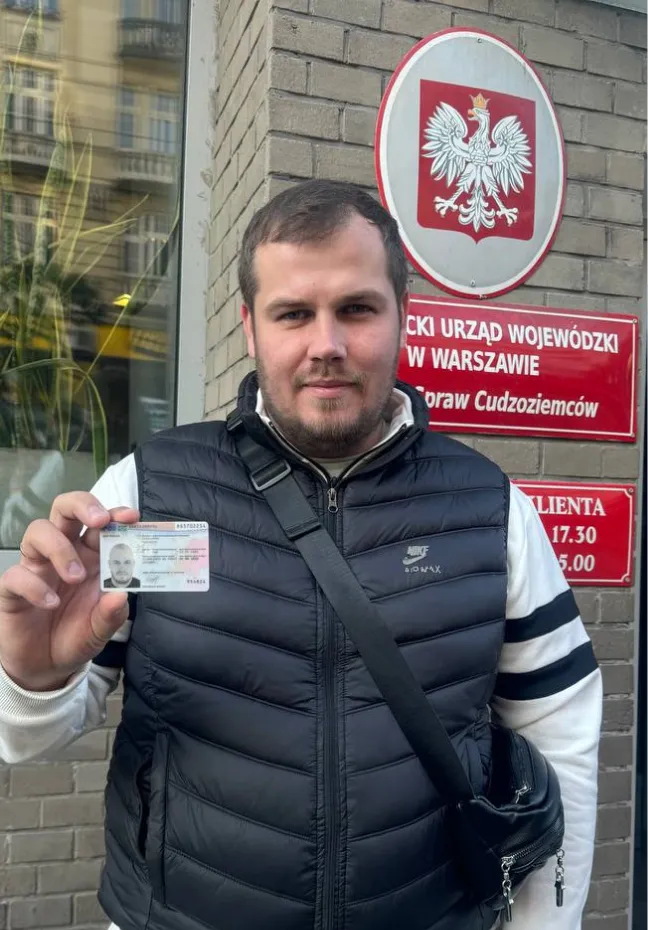
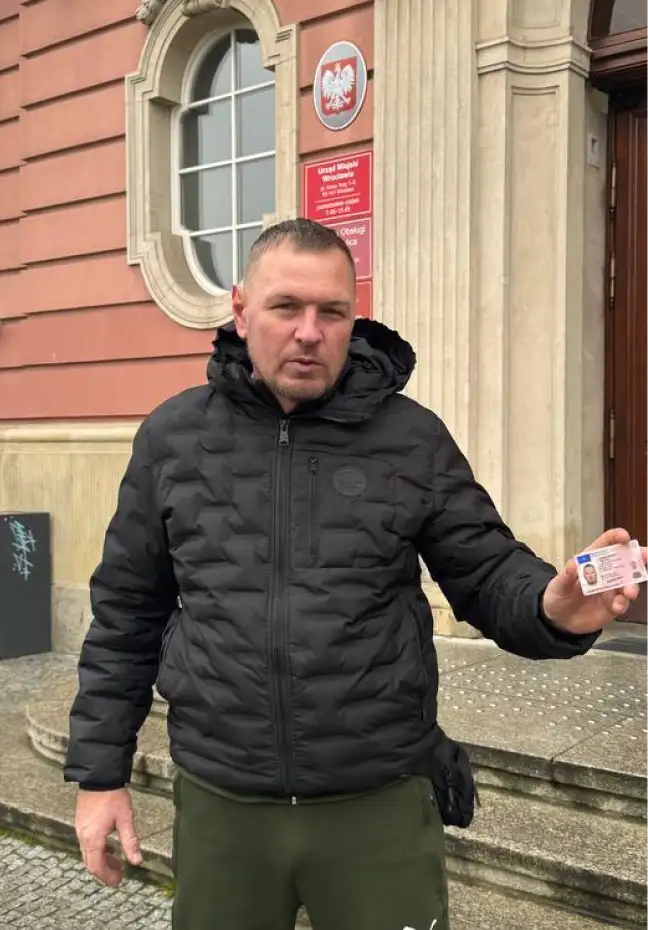
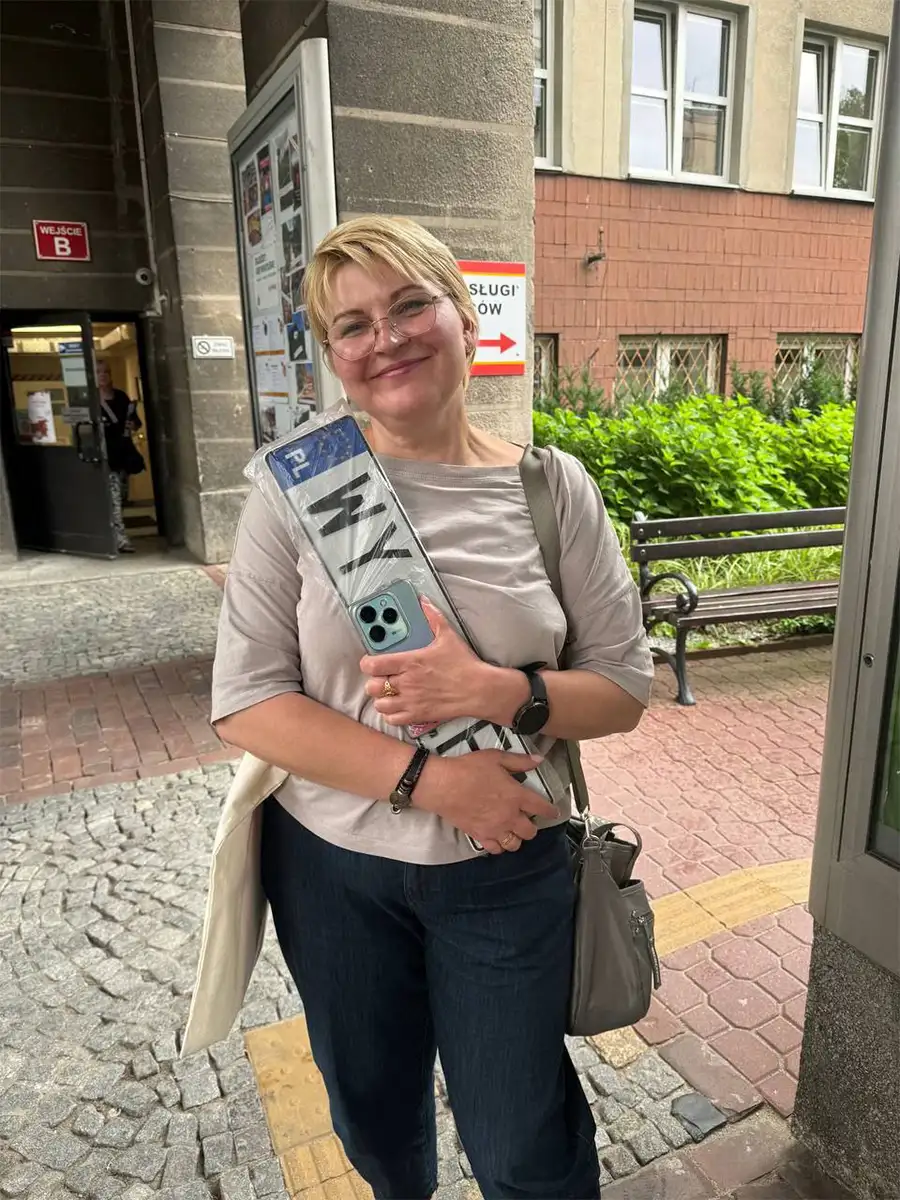
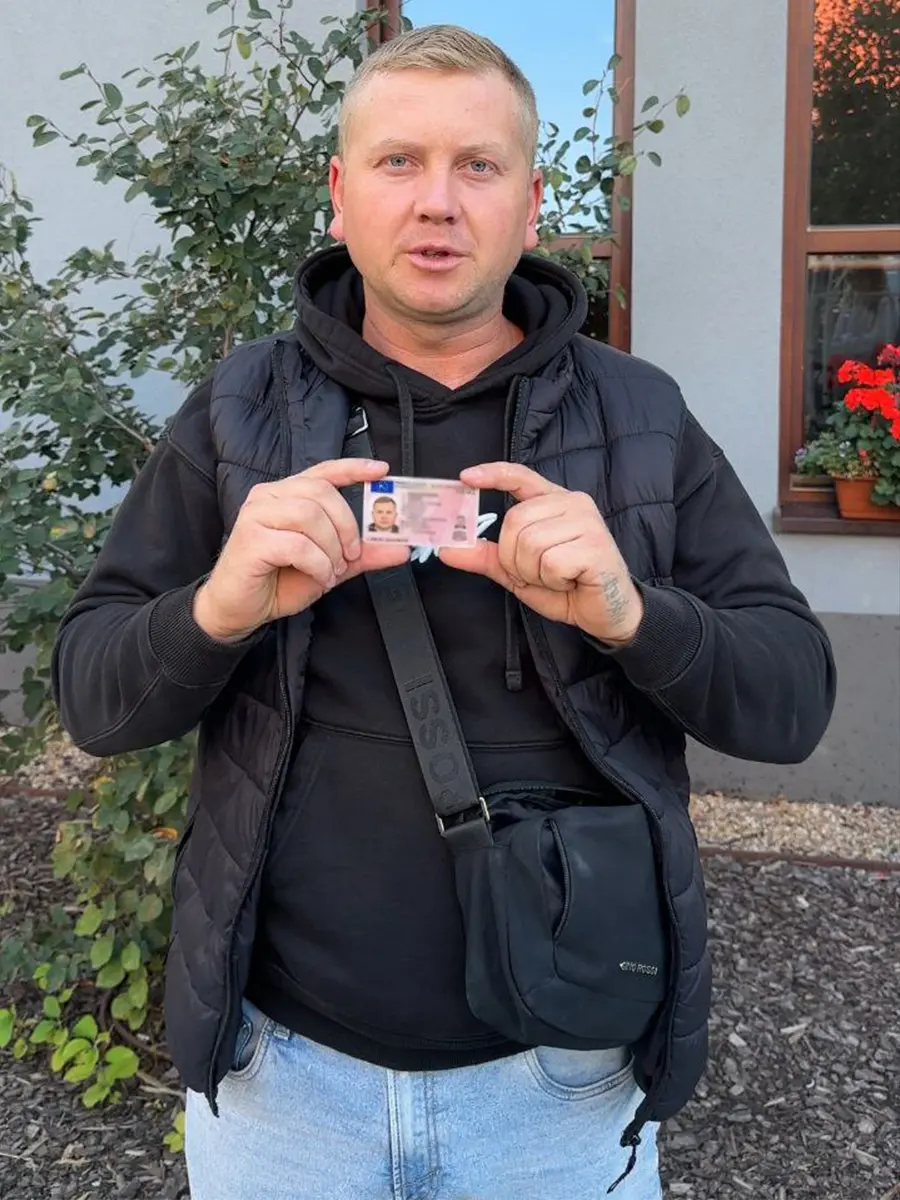
That is why we specialize in business relocation to Poland: from choosing the company form to accounting, taxes, and residence permit support.
We will explain whether Poland is right for you and guide you through the entire process turnkey.
Conclusion
The key is not to start with registration, but to start with strategy.