After several years of living in Poland, many Ukrainians reach a natural stage — transitioning from temporary status to stable legal residence. It is at this point that the question of applying for a residence card arises.
A residence card is not just a document. It is the foundation of your life in Poland: work, business, healthcare, family, and your future. One of the most common mistakes, however, is choosing the wrong legal basis.
In this article, we will carefully review all available legal grounds for a residence card for Ukrainians, explain the differences between them, and help you choose the option that will truly work in your situation.
What is a Residence Card and Why Is It Needed?
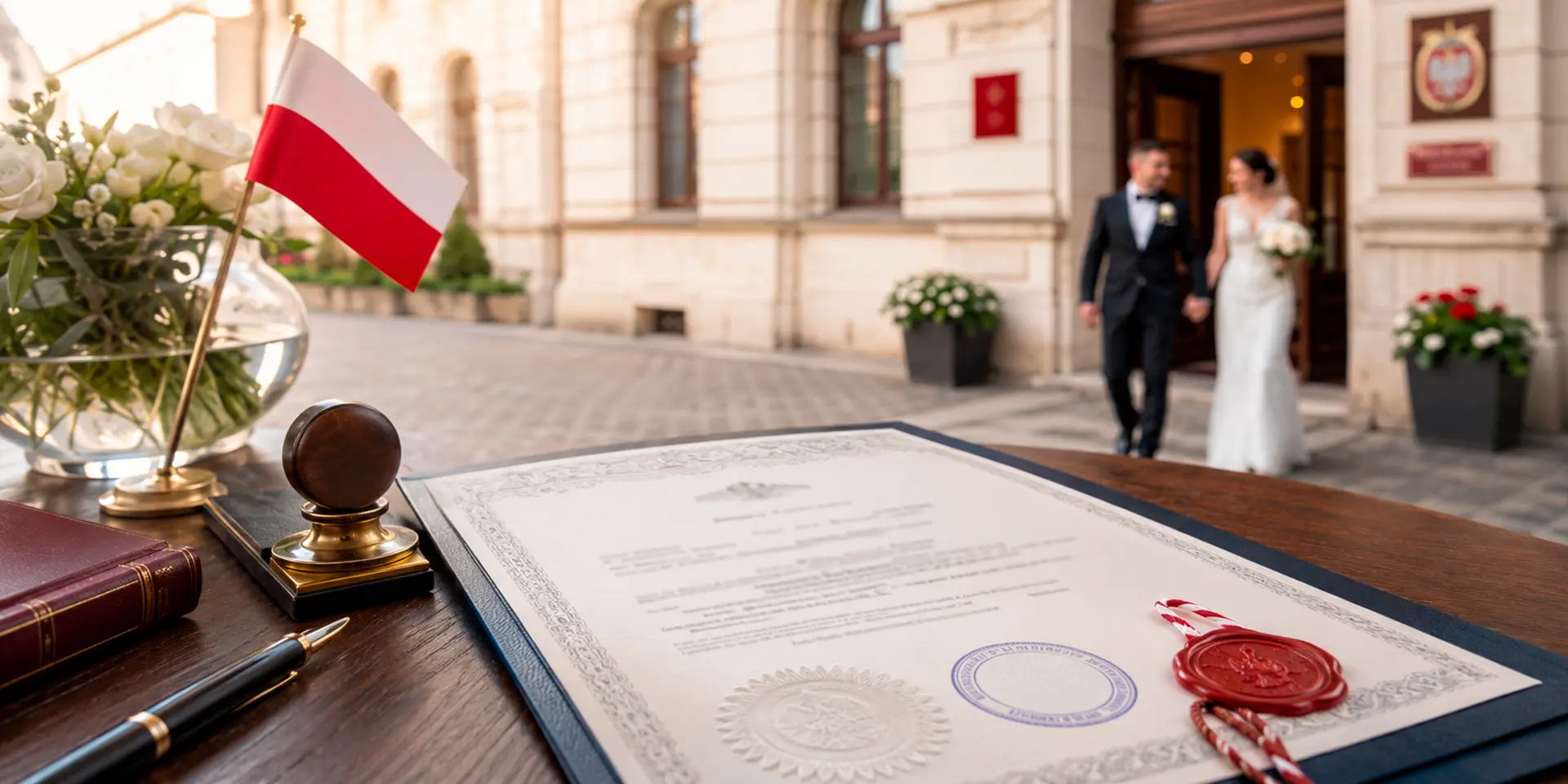
A residence card (karta pobytu) is a permit for temporary or permanent residence in Poland. For most Ukrainians, this means a temporary residence card issued for a period of 1 to 3 years.
Unlike temporary protection or a visa, a residence card:
- provides stable legal residence in Poland;
- allows you to plan your future for several years;
- serves as a basis for permanent residence and citizenship;
- is less dependent on political decisions.
Who Should Apply for a Residence Card?
Applying for a residence card is relevant if you:
- are officially employed in Poland;
- run or plan to start a business;
- study at a Polish educational institution;
- have family-based grounds for residence;
- plan to remain in Poland after 2026.
It is especially important for PESEL UKR holders to consider applying, as temporary protection is not a long-term solution.
Main Legal Grounds for a Residence Card
Polish law provides several key grounds. The choice should depend on your real activity, not just preference.
Residence Card Based on Employment
This is the most common option among Ukrainians.
Suitable if you:
- work under an umowa o pracę or umowa zlecenie contract;
- have stable income;
- pay ZUS contributions;
- actually perform work under the contract.
The card is usually issued for the duration of the employment contract (up to 3 years).
Residence Card Through Business: JDG
JDG (Jednoosobowa Działalność Gospodarcza) is one of the strongest legal grounds for legalization of Ukrainians in Poland.
Suitable if you:
- are a freelancer, IT specialist, or consultant;
- work with clients in Poland or the EU;
- are ready to conduct real business activity and pay taxes.
The advantage of JDG is that no work permit is required, and it offers flexibility in business operations.
Residence Card Through Business: Spółka z o.o.
A Spółka z ograniczoną odpowiedzialnością (limited liability company) is suitable for those who:
- plan to scale their business;
- work in partnership;
- want to limit personal liability.
A residence card may be granted to the director or owner, provided the company conducts active business operations.
Residence Card Based on Studies
Issued to students of Polish universities.
- confirmation of enrollment;
- proof of sufficient funds for living expenses;
- health insurance.
Allows students to work up to 20 hours per week.
Residence Card Through Family
Suitable if you:
- are married to a Polish citizen or legal resident;
- have close relatives with a residence card;
- are applying for family reunification.
This ground is often the first step toward permanent residence.
How to Choose the Right Legal Ground?
The right choice is not about “what is easier,” but about “what is more stable.”
We recommend evaluating:
- your real income and source of funds;
- your prospects for the next 2–3 years;
- the possibility of extending the card;
- the risk of refusal or inspections.

Common Mistakes When Applying for a Residence Card
- choosing a legal ground “on paper” rather than in real life;
- insufficient income or business turnover;
- incomplete document package;
- applying at the last moment.
These mistakes most often lead to refusals or delays in processing.
The VisaV.pl team helps Ukrainians not just submit documents, but build a proper legalization strategy.
Leave a request — we will analyze your situation and recommend the optimal legal ground for your residence card.