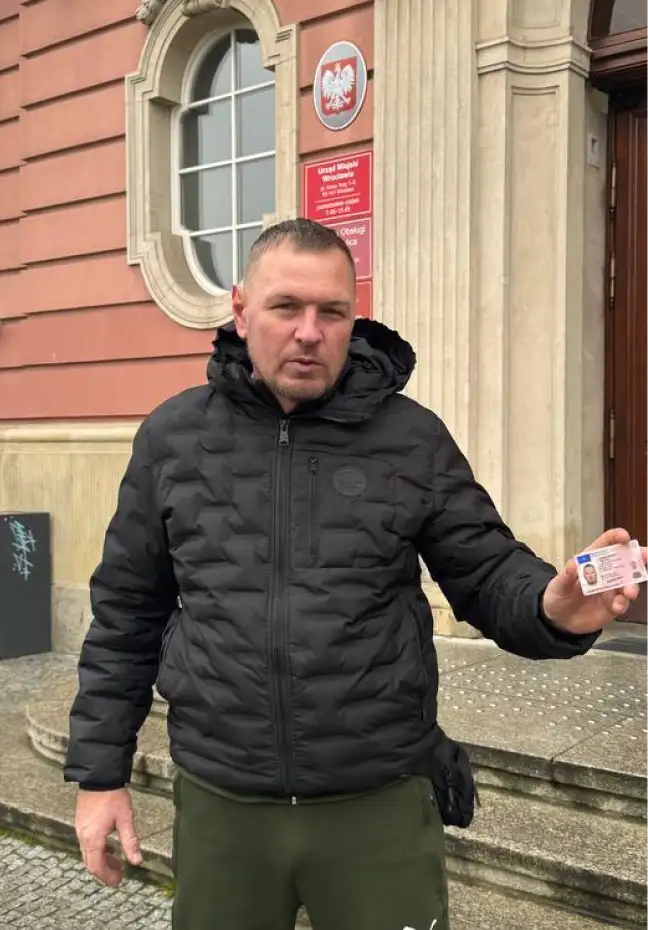
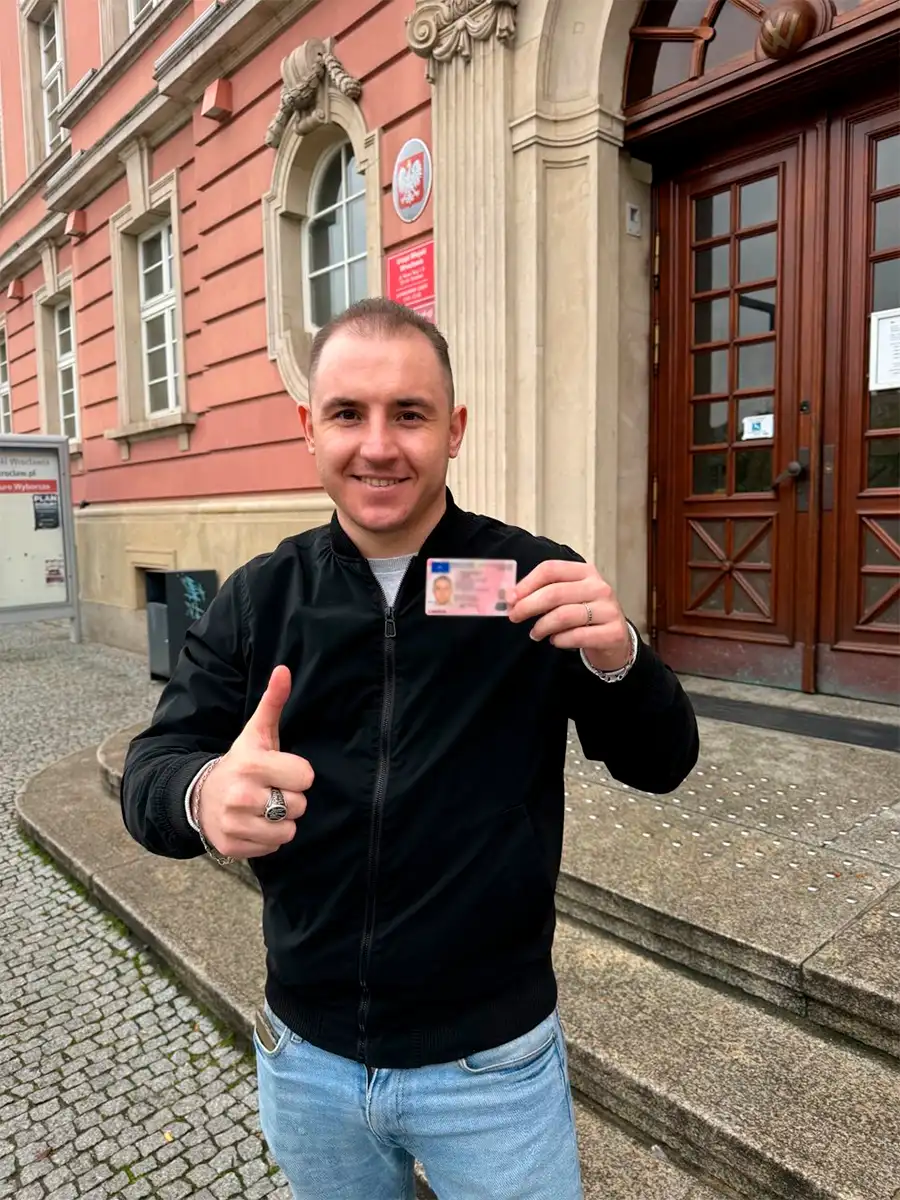
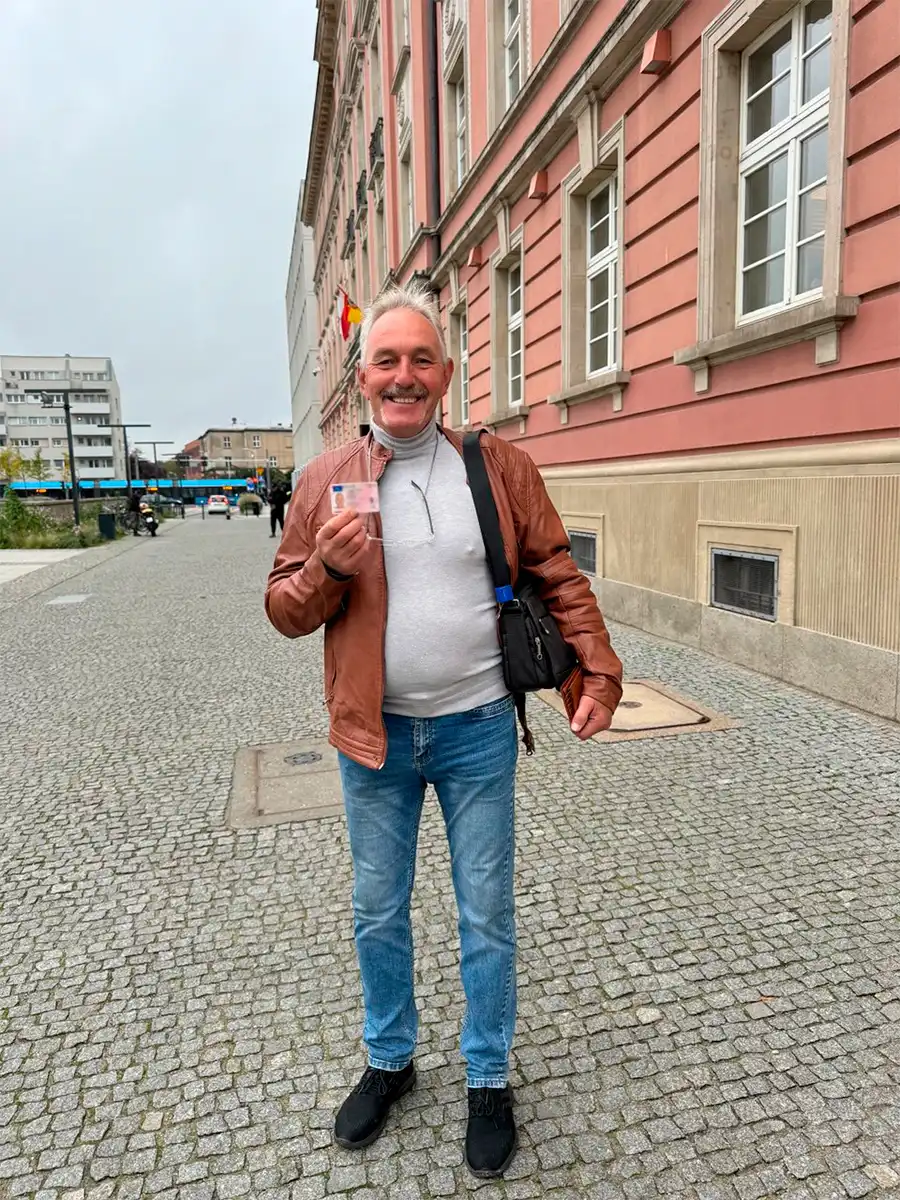
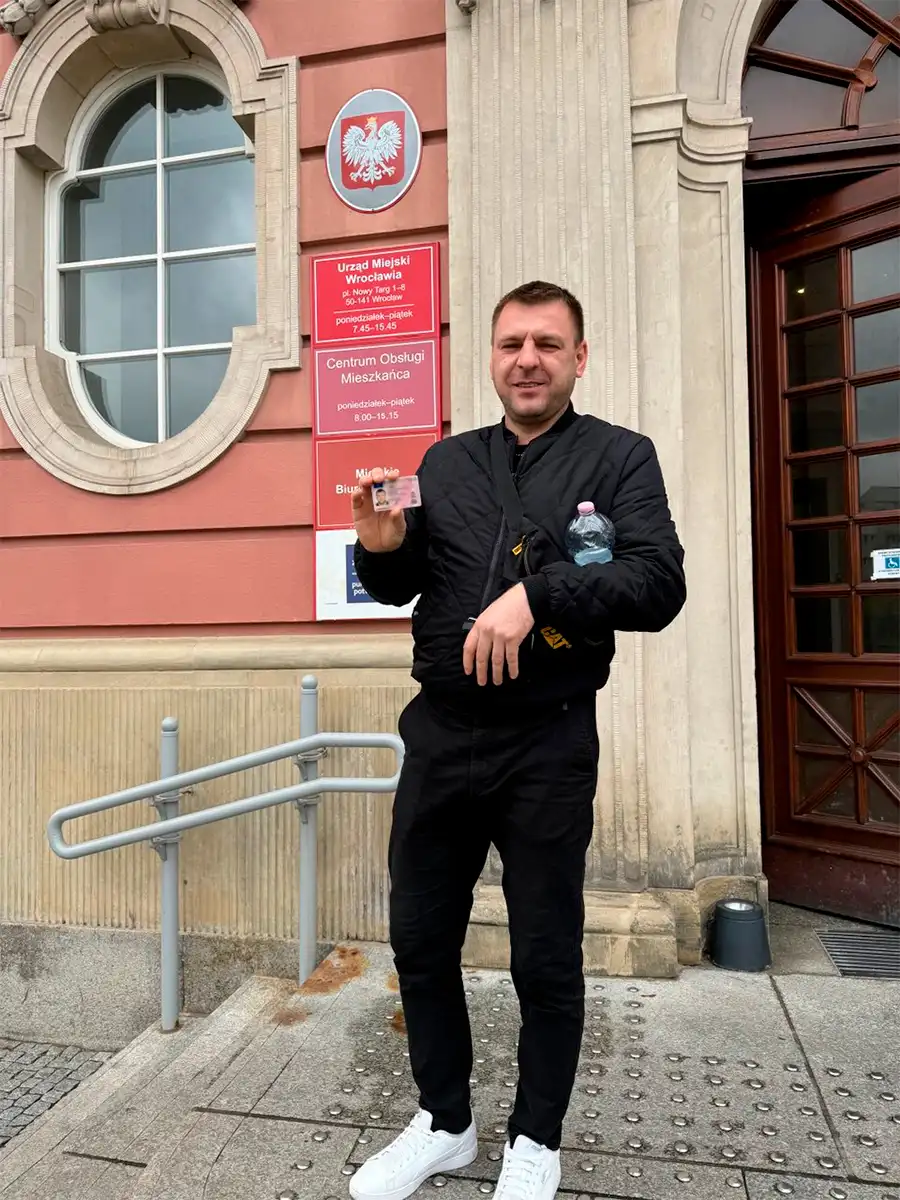
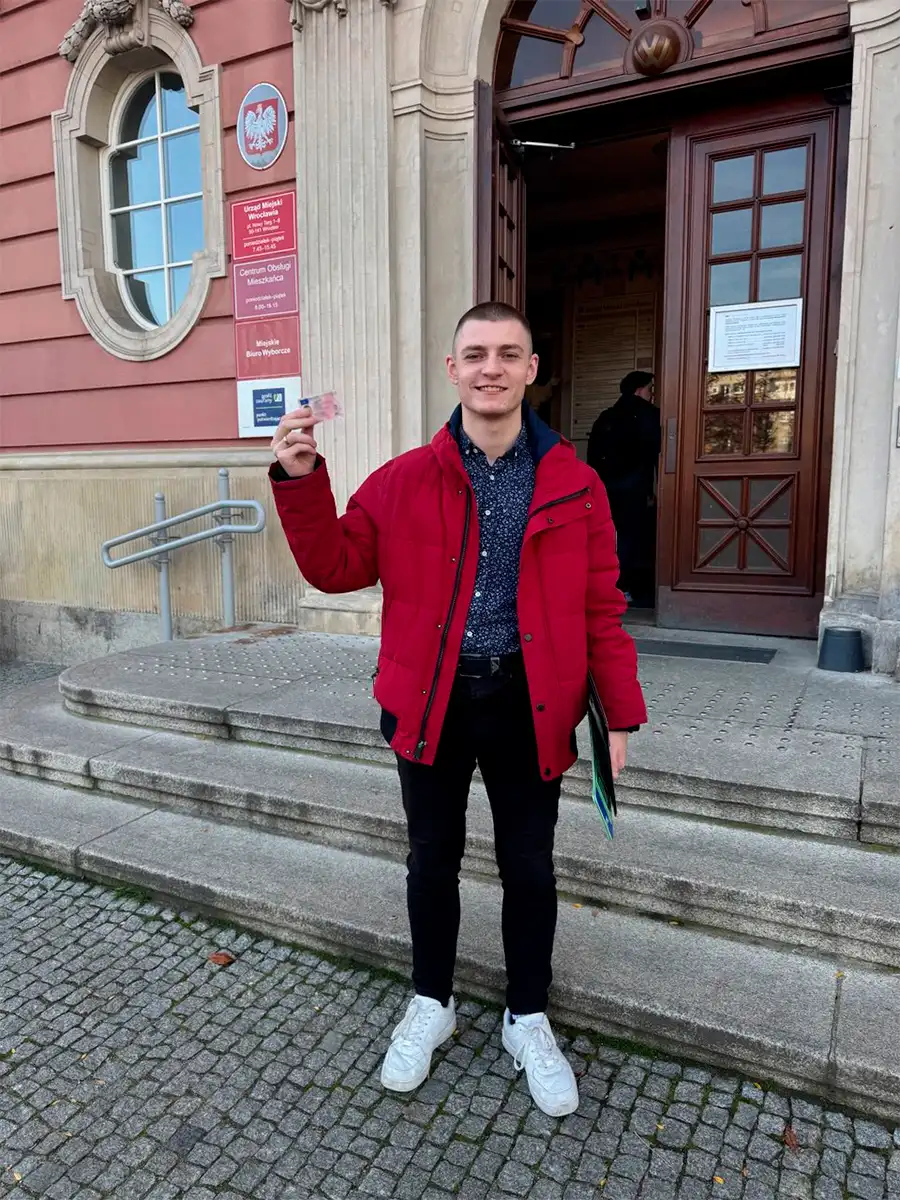
When a person first encounters legalization in Poland, almost the same question always arises: what documents are needed for a residence card, and how to collect them in a way that prevents the urząd from sending endless requests. In words, everything sounds simple: there is a basis — work, studies, business, marriage, or family — so you submit an application and wait for a decision. But in practice, it is the preparation of documents that most often determines whether the case will move forward smoothly or “hang” for months.
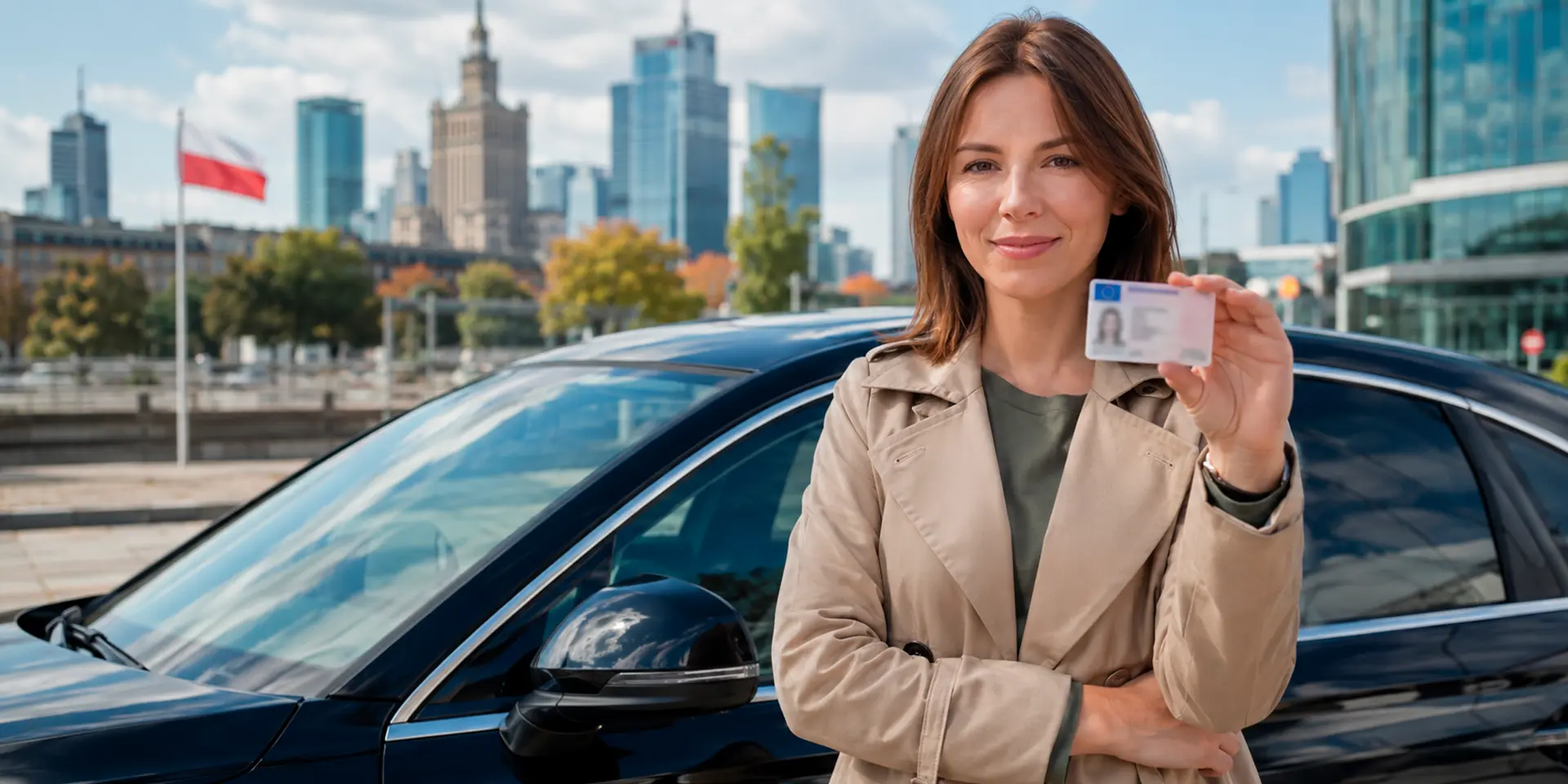
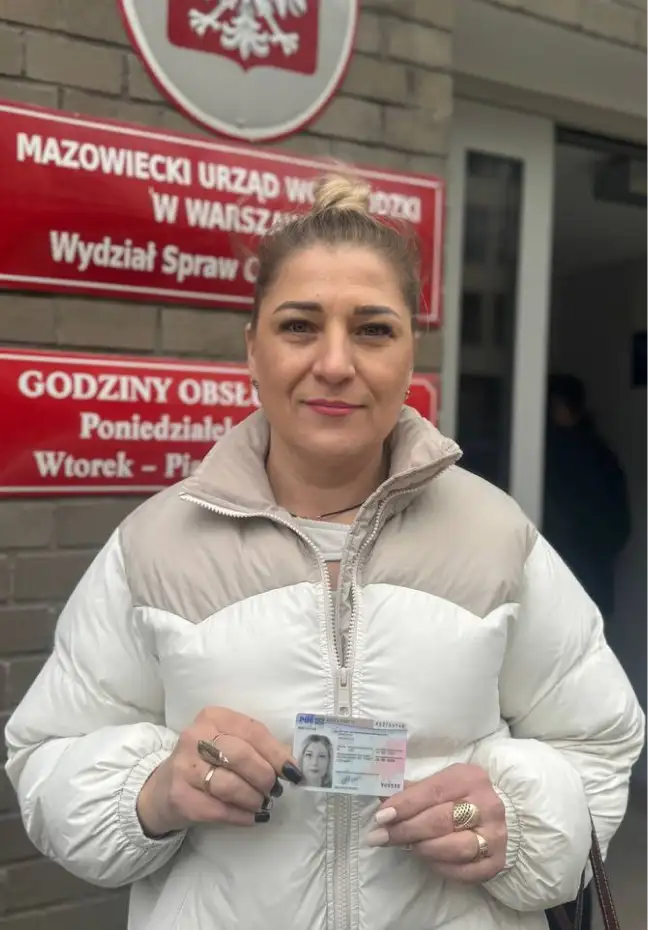
A residence card is a document that confirms a foreigner’s right to live in Poland legally. In everyday speech, it is often called a residence permit, although legally everything is a bit more precise: depending on the basis, it may be a temporary residence permit, a permanent residence permit, or EU long-term resident status. But for a person collecting a package of documents, the main thing is something else: to understand what exactly must be submitted, which documents are added for a specific basis, and what to do if, during the review, the urząd asks for additional papers.
What Is a Residence Card and What Types of Cards Exist
Before talking about the documents, it is worth briefly understanding the logic of the Polish system itself. A residence card is not “one universal plastic card for everyone,” but a document issued for a specific type of stay. That is why the list of documents always consists of two parts: a general package and proof of your basis.
Most often, foreigners deal with the following types of cards:
- Temporary residence card (pobyt czasowy) — usually issued for up to 3 years. This is the most common type of card: work, studies, business, family, marriage, or certain humanitarian circumstances.
- Permanent residence card (pobyt stały) — an indefinite status, although the physical card itself must still be renewed. It provides a much more stable format of stay.
- EU long-term resident card — a separate status for people who have lived in Poland legally for a long time and meet the established requirements.
It is important to understand that the benefits of a residence card are not limited to the mere fact of staying in the country. It is also an opportunity to build a long-term strategy: work, studies, renting housing, banking matters, travel within the Schengen rules, and later — moving on to permanent residence or citizenship.
What Package of Documents Is Required in Almost All Cases
Despite the different grounds, there is a basic set of documents submitted by almost all applicants. This is what creates the “framework” of your case. If there are already problems with this framework at the start, even a strong basis may lose its credibility.
The general package usually includes:
- An application form for the residence card, completed in accordance with the requirements of the voivodeship urząd.
- Current photographs in the required format.
- A passport for international travel — the original for inspection and copies of the pages required by the urząd.
- Proof of payment of the stamp duty for consideration of the case.
- Medical insurance — depending on the basis and the situation.
- Biometric data — fingerprints, which must be submitted in person.
Sometimes people mistakenly think that “only the application form” is enough, and everything else can somehow be brought later. Theoretically, the urząd may indeed accept the basic submission and give time to supplement it, but in practice this increases the risk of chaos, missed deadlines, and unnecessary letters with additional requirements. It is much safer to enter the process from the start with a strong and максимально full package.

Documents for a Residence Card Based on Employment
One of the most common grounds is employment. But here it is important to immediately reject a dangerous oversimplification: the mere fact of having a job does not automatically mean the right to a residence card. For the urząd, it is important that the employment is real, legally formalized, and well supported by documents.
Usually, an employment-based package includes:
- an employment contract or another document confirming employment;
- documents granting the right to work, if they are required specifically in your situation;
- an appendix to the application, completed by the employer;
- proof of income, if needed to assess financial stability;
- insurance and other supporting documents arising from your status.
Particular care is needed for those who changed employers, had breaks in employment, or worked under different types of contracts. In such cases, the urząd often wants to see not only the contract itself, but also the logic of your employment path. This is exactly where the weak points of a case most often “surface.”
Another important point: a residence card based on employment is often tied to specific conditions — the employer, position, and salary. If any of this changes, it must be reported. Ignoring such changes is one of the reasons why people face problems even after submitting their application.
Documents For a Residence Card Based on Studies
A student residence card has its own logic. For the urząd, it is not enough simply to say that you are studying. You must confirm that your studies are real and official, and that you have sufficient resources to stay in Poland.
Usually, the following are required:
- a certificate of enrollment or confirmation of studies at an educational institution;
- proof of financial means — this may be a bank statement, sponsorship, a contract, a scholarship, or other legal sources of funding;
- insurance and documents related to accommodation.
In student cases, it is very important that the financial part does not look merely formal. If the money appeared in the account “just for the application” and is not backed up by anything, the urząd may have additional questions. It is also important to take into account that different universities and voivodeships may have their own procedural nuances, although the general logic is the same.
Documents for a Residence Card Based on Family, Reunification, and Marriage
Family-based grounds are one of the most sensitive categories. Here, it is important not only to show the family connection, but also to confirm that the circumstances are real rather than merely formal. If this is reunification with a husband/wife, child, or another family member, the urząd assesses not only the document itself, but the overall picture.
Most often, they require:
- a document confirming the family relationship or marriage;
- documents confirming the status of the person you are joining (residence card, citizenship, etc.);
- proof of the family’s financial means, if required for your type of basis;
- in the case of children — additional documents, consent from the other parent, or proof of guardianship if the situation is non-standard.
Family cases often seem “simple” to people, but they are exactly the cases where many additional questions arise: joint residence, documents concerning children, border crossings, translations, apostille on certain civil status records. If there is even the slightest non-standard element, it is better to think through the case in advance.
Documents for a Residence Card Based on Business
For entrepreneurs and people who legalize their stay through business, the list of documents depends not only on the form of activity, but also on how real and viable the business looks. The logic “I opened a sole proprietorship, so the card is almost in my pocket” does not work here.
Usually, in a business case, the following are important:
- business registration documents;
- financial proof of activity;
- contracts, invoices, bills, or other traces of real economic activity;
- documents related to taxes, accounting, and cash flow — depending on the structure of your case.
In such cases, the urząd always looks at the business critically: is it a real operating business, or only a formal registration without substance? That is why a business residence card is one of those categories where the right strategy, accounting logic, and timely prepared documents are crucial.
What Additional Documents May Also Be Requested
Even if you already have the “main package,” that does not mean everything ends there. Many voivodeships routinely request additional papers. Some of them are not formally mandatory in every case, but in real life they are requested very often.
Such documents may include:
- a birth certificate (sometimes with a sworn translation, and sometimes also with an apostille — depending on the case);
- a housing rental agreement, proof of accommodation, or a dormitory certificate;
- a power of attorney, if a representative is acting on your behalf;
- translations by a sworn translator of all documents not in Polish;
- proof of living together or additional explanations — in family cases;
- an apostille on certain documents, if required by the procedure or the institution.
This is exactly where the topic of apostille often appears. It is not automatically required for every document, but when it comes to foreign civil status records, notarized papers, or certain certificates, it is better to check in advance whether this procedure will also be necessary. At VisaV.pl, we always explain when an apostille is really needed, and when people are simply wasting money on it.
Where to Submit Documents For a Residence Card
Documents for a residence card are submitted to the voivodeship urząd according to the applicant’s place of residence. This is where the departments dealing with foreign nationals are located. Formally, the procedure is clear, but in practice everything becomes more complicated because different voivodeships have different appointment systems, different waiting times, different workloads, and even different habits as to which documents they ask for at the start and which they request later.
In most cases, documents can be submitted:
- in person — after booking an appointment or according to the rules of the specific voivodeship;
- through a representative — in cases where the procedure allows it, although biometric data must still be submitted in person;
- by post — as an alternative way to start the case if in-person submission is difficult or there are no available slots in the system.
Postal submission may seem like an “emergency” option to many people, but in reality it is sometimes a very useful tool, especially when the period of legal stay is coming to an end and it is important to start the case in time.
What Happens After the Documents are Submitted
After the case is submitted, the review stage begins. This is exactly where many applicants mistakenly relax, as if “everything has already been done.” In reality, submission is only the beginning. The urząd may:
- accept the package without comments and move the case forward;
- send a request for additional documents;
- call you in for biometrics, if this has not yet been done;
- ask for explanations regarding changes in your situation.
After proper submission, your stay in Poland generally remains legal during the review period. Separately, people often ask about the stamp in the passport. Yes, it is important and convenient, but in many cases the legality of stay arises not “because of the stamp itself,” but because of the fact that the case has been properly accepted for processing.
How to Submit Missing Documents and Why This Is Critical
One of the most dangerous stages in the entire procedure is the stage of additional requests. The urząd sends a letter listing what is missing and sets a deadline for providing it. If you miss this deadline, the consequences can be very serious: from delays in the case to its effective closure.
Here, it is important to remember several rules:
- Read the letters very carefully. Sometimes they ask not simply for “a certificate,” but for a specific format — a translation, an apostille, a more recent date, an additional page, proof of payment.
- Do not wait until the last day. If a document is difficult to obtain, it is better to immediately prepare a written request for an extension, rather than rely on verbal arrangements.
- Control the communication channel. Regular mail may arrive late, the letter may get lost, and you may move. That is why it is important to have a backup channel and keep your address up to date.
And one more point that is often underestimated: if the urząd asks you to provide additional documents, this does not mean that “the case is already bad.” Very often, this is a normal part of the procedure. But it is precisely how you react that determines whether the case will continue calmly or start to fall apart.
A request from the urząd is not a catastrophe. The catastrophe is missing the deadline, failing to understand exactly what is being requested, or bringing a document that is “almost the right one, but not quite.”
What to Do If Circumstances Change During the Review
A residence card case is always about your current reality. If something important changes during the review, you need to inform the urząd. Typical examples include:
- a change of job or dismissal;
- expulsion from an educational institution;
- a change of residential address;
- new contact details;
- a change in marital status or other key circumstances.
Many people are afraid to report changes, hoping that “maybe they won’t notice.” This is one of the worst strategies. If the basis has ceased to exist or has changed significantly, the urząd will sooner or later see it — and silence in such a situation works against the applicant.
A Premium Approach to Preparation: How to Build a Strong Case, Not Just a Stack of Papers
The best results in legalization are achieved not by those who submit “everything they have,” but by those who build their documents like a story. In this story, everything must be logical:
- why you are staying in Poland;
- on what basis you are applying;
- where you live;
- what supports your living expenses;
- why the documents confirm this;
- why there are no contradictions in the case.
This is exactly how we work at VisaV.pl. We do not simply “list documents,” but look at the case through the eyes of the urząd: where questions may arise, which document is weak, where a sworn translation is needed, and where it may be worth arranging an apostille in advance. This approach is what makes the difference between “submitting blindly” and “entering the process systematically.”
Conclusion
The list of documents for a residence card in Poland depends on the basis, but the logic is the same in all cases: there is a general package, there is proof of the basis, and there are additional documents that may be needed specifically in your case. And the most valuable thing here is not simply to “find a list on the internet,” but to apply it correctly to your own situation.
If you want to go through this path without chaos, missed letters, weak certificates, and endless revisions — contact VisaV.pl. We will help prepare the package for your case, explain where a translation or apostille is needed, and make sure your case is not just “submitted,” but truly ready for consideration.