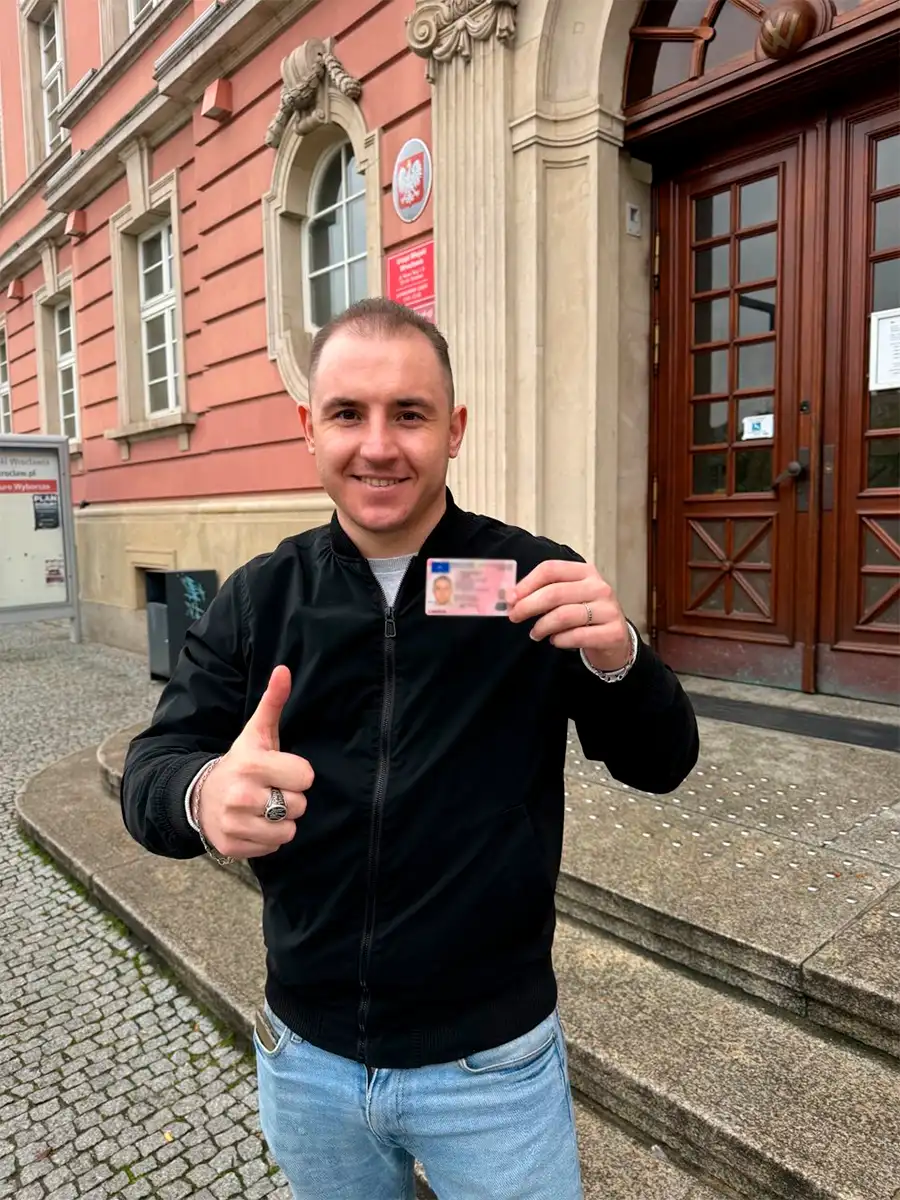
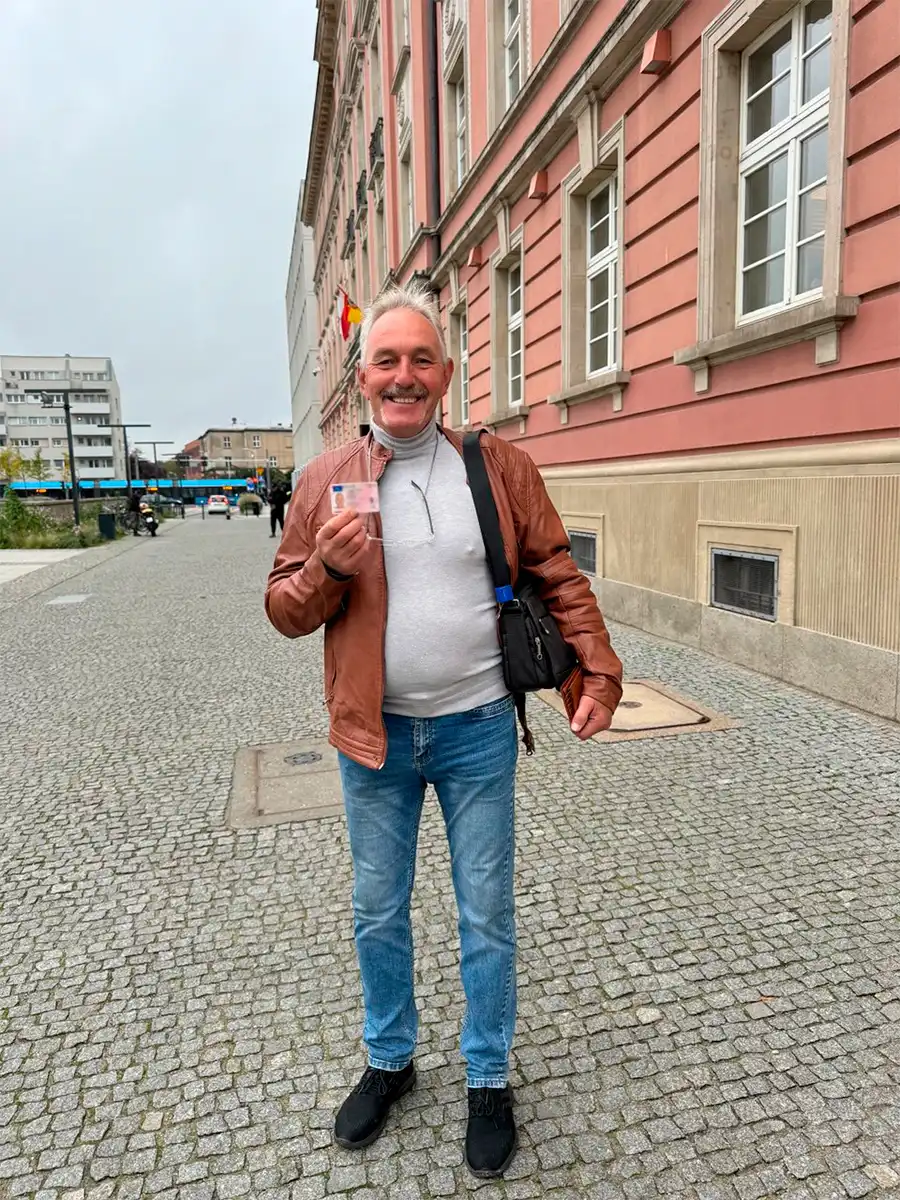
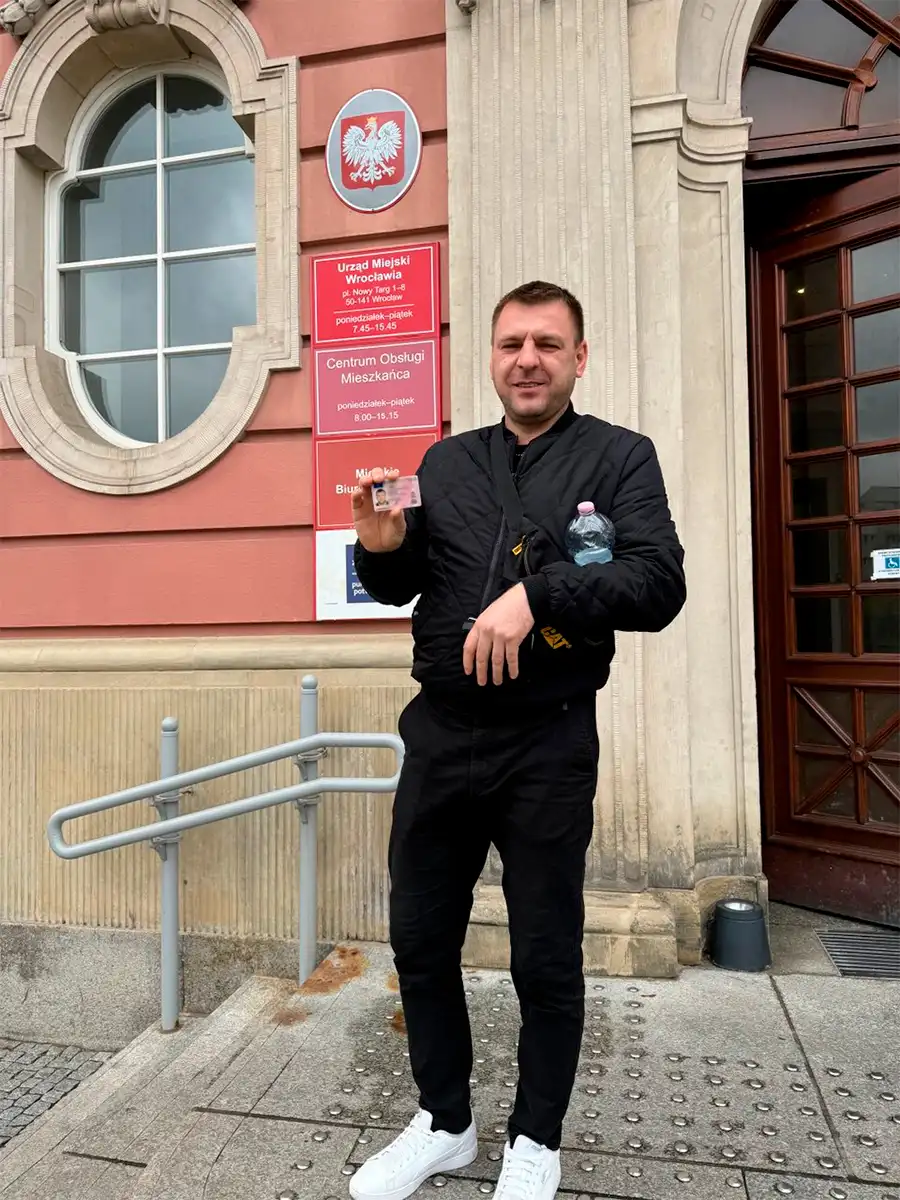
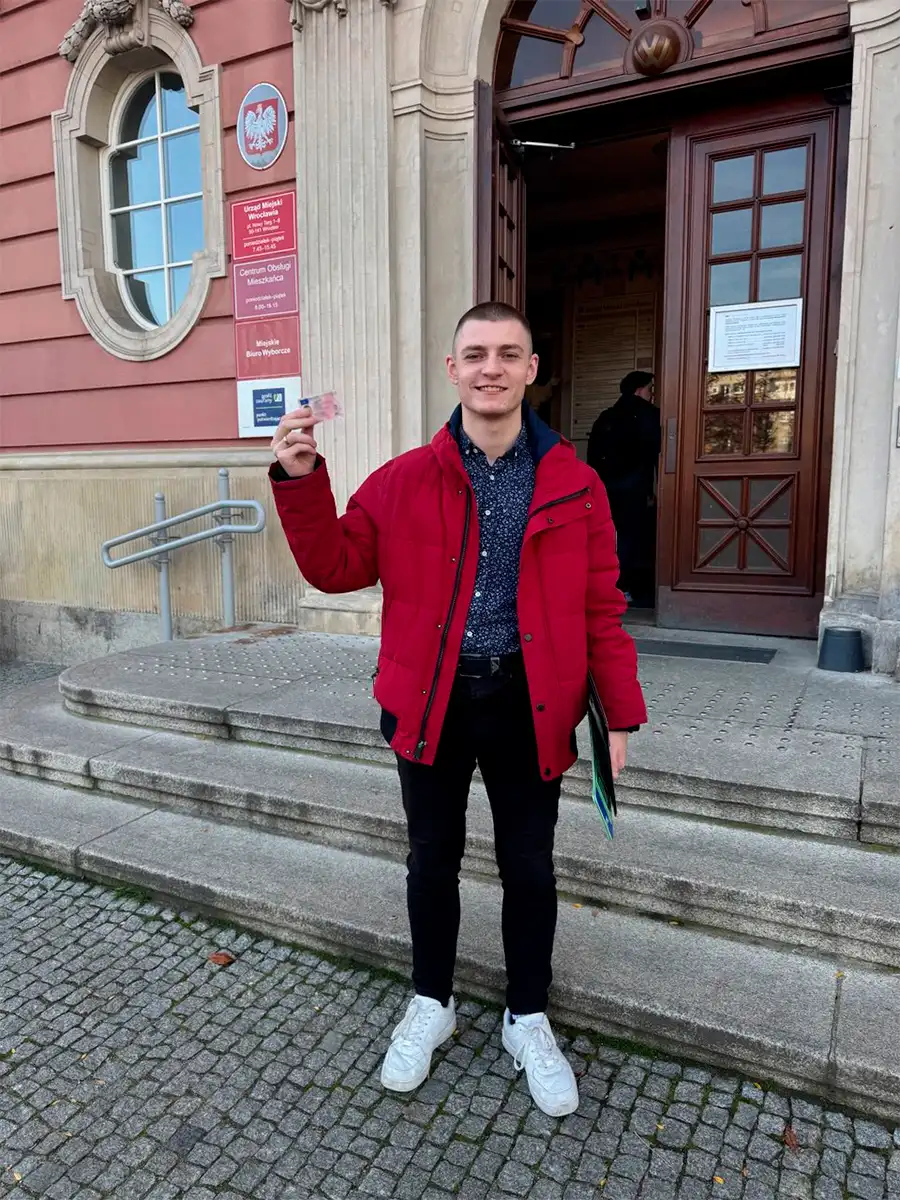
Most foreigners in Poland know the standard routes to a residence card: employment, study, family reunification, the Pole’s Card. But there’s an entire category of people who don’t fit any of those boxes — and for them, Polish law contains a separate chapter known as inne okoliczności: other circumstances.
This tool is far less well-known than the standard grounds but is used heavily in practice. The VisaV.pl team encounters it every day — and most often in exactly the situations where a client has already concluded that legalization simply isn’t possible for them.
What a Residence Card Based on Other Circumstances Is?
A residence card based on other circumstances (karta pobytu inne okoliczności) confirms that a foreigner holds a temporary residence permit issued for reasons other than the standard conditions — employment, study, family reunification, the Pole’s Card, or EU long-term residency.
The legal foundation sits in Chapter 11 of the Law on Foreigners — a separate section that originally covered only a handful of narrow cases but has grown into a full list of grounds that now rivals the standard conditions in scope.
What Rights This Card Gives You?
A holder of a residence card za inne okoliczności is entitled to:
- Stay in Poland for the full duration of the permit
- Cross the Polish border an unlimited number of times within the card’s validity period
- Stay in other Schengen countries under the 90/180 rule for non-commercial purposes
Rights take effect from the moment status is granted. During the period between filing and receiving the card, the stay remains legal — confirmed by the zaświadczenie from the MOS 2.0 system, which from 27 April 2026 legally replaces the passport stamp.
Can You Work With a Card Based on Other Circumstances?
The card itself doesn’t grant access to the labour market. But it doesn’t prohibit work either — if a separate document legalizing employment is obtained (oświadczenie, zezwolenie, or a seasonal permit).
The card gives the right to be in the country; work requires a separate authorization. The two facts don’t conflict.

Obligations of the Card Holder
Beyond the general obligations of anyone staying in Poland, there’s one specific requirement: within 15 working days, notify the voivode if the circumstances on which the card was based have changed or ceased to exist.
Notification goes to the voivode who made the decision to grant the card. If the card was obtained through an appeal to the Head of the Office for Foreigners — the original voivode who refused the status is notified.
Mandatory Grounds: When the Voivode Must Issue the Card
Mandatory grounds are listed in Article 186 of the Law on Foreigners. When these are present and all formalities are met, the voivode is obligated to grant the card. Refusal is only possible if required documents aren’t submitted or the foreigner has committed serious violations.
Family Members of a Working Migrant
This is one of the most common grounds the VisaV.pl team works with. If a foreigner legally works or runs a business in Poland with sufficient income, their family members — spouse and minor children — are entitled to a residence card za inne okoliczności.
The distinction from family reunification is important. Reunification is a powerful tool with broad privileges including free labour market access — but it requires meeting a detailed set of additional conditions: years of marriage, duration of the primary migrant’s status, and so on. Legalization through inne okoliczności is considerably simpler and available to nearly any foreigner with the appropriate income level.
A client from Szczecin came to VisaV.pl after being refused under the family reunification programme — they were one year short of the required residence period. Through inne okoliczności, the entire family received cards within four months, with no additional conditions.
Foreign Children Born in Poland Without Guardians
This covers rare cases where newborns have no parents or guardians after birth in Poland — for example, if a single mother died during childbirth. The card is needed to legalize the child’s presence and determine their status going forward.
Don’t confuse this with legalizing foreign children born in Poland to living parents — that’s handled through separate procedures.
EU Long-Term Residents With Cards Issued by Other Countries
EU long-term residency is a pan-European instrument, but each country applies it with its own variations. Poland recognizes the status granted by other EU countries but requires separate legalization — specifically through inne okoliczności.
This is only available if the long-term resident plans to and can confirm they will be in Poland for one of these purposes:
- Employed work
- Business activity
- Study
- Professional training
- Other substantiated reasons for staying in Poland
If the foreigner qualifies for this status, their family members can also receive a card za inne okoliczności.
Polish University Graduates
A foreigner who has completed a degree at a Polish higher education institution is entitled to a one-time residence card za inne okoliczności for the purpose of looking for work or starting a business. The card’s validity is capped at 9 months.
Worth noting: Polish university graduates are entitled to work in Poland without additional work permits. Finding employment during this period opens the door to legalizing on employment grounds for the next card.
Those Who Have Completed Research Activity
This ground applies to foreigners who, prior to filing under inne okoliczności, held Polish residence cards issued for scientific research or research and development work. The card is likewise issued for the purpose of finding work or starting a business, for a maximum of 9 months.
Discretionary Grounds: When the Decision Rests With the Voivode
Discretionary grounds are listed in Article 187 of the Law on Foreigners. Here, the official analyses all submitted information and makes a decision based on both direct and indirect evidence. The law doesn’t specify evaluation criteria, which means a degree of official subjectivity is unavoidable.
Continuing Education or Professional Training
This covers educational processes or vocational training that don’t fall under other residence card grounds. The duration must be at least 3 months, and the status is granted for the confirmed study period, up to a maximum of 1 year.
In practice, this ground frequently applies to adults studying at postsecondary vocational schools (szkoły policealne). Some offices issue cards za inne okoliczności for these cases — the stay is legal, but without labour market access.
Clergy and Members of Religious Organizations
A specific ground for persons officially representing religious structures or holding certain rights under Poland’s bilateral treaties with other states. Governed by separate provisions and requires individual assessment.
Foreigners Owed Unpaid Wages
One of the most unusual but significant cases. If a foreigner wasn’t paid wages for work performed (including under a civil contract) and criminal proceedings have been initiated, they may be granted a residence card za inne okoliczności as a victim or witness.
Moreover, even after the criminal case closes, the foreigner can continue to hold the card until the outstanding wages are paid. This also covers situations where employer misconduct resulted in the foreigner losing legal status — the card can prevent deportation in such cases.
The Right to Family Life and Children’s Rights
Two separate provisions — parts 6 and 7 of Article 187 — that are frequently applied together: legalizing family members when other grounds aren’t available, or when a foreigner is already in Poland without legal status.
In practice, this applies to situations where the rest of the family is legally present but the individual ended up in violation due to changing circumstances. Or where young children have integrated into Polish society — attending school, building a life — but their parents face expulsion. Subjectivity is significant here, but the tool genuinely works in crisis situations.
Other Circumstances
The broadest and least defined provision. It means one thing: the voivode may grant a card if the circumstances present — not falling under any of the described grounds — appear significant enough. The law sets no specific criteria.
Step-by-Step Guide: How To Get a Residence Card Za Inne Okoliczności
Step 1: identify the ground and prepare a strategy
The first step is clearly identifying which ground your situation falls under. This determines the entire document package. Choosing the wrong ground at this stage is the most expensive mistake in the entire procedure.
Step 2: fill in the application
The application is completed through MOS 2.0 using the standard form. The key difference from other card types: in Section C, where the ground is selected, you choose item 16 — inne okoliczności — and then describe your actual circumstances in the free-text fields. The quality of that description frequently determines the voivode’s decision.
Step 3: pay the fees
Payment is made through MOS 2.0 at the time of filing — the stamp duty (340 PLN) and the card production fee (100 PLN) are paid simultaneously. If the online payment fails, funds are transferred using the office’s bank details, and the payment confirmation is attached to the document package.
Step 4: gather documents
The standard package includes:
- Application through MOS 2.0 with inne okoliczności selected as the ground
- A current digital photo in JPEG format uploaded through MOS 2.0
- Passport scan in PDF — all pages including blank ones in a single file
- Health insurance — either a commercial policy or confirmation of ZUS coverage through a working family member
- Proof of sufficient funds — an employment contract, business income confirmation, or income of a family member the applicant lives with
- Proof of residence — meldowanie registration, lease agreement, or property ownership
- Documents confirming the specific circumstances — degree for graduates, family relationship documents for family members, criminal case materials for wage theft victims, etc.
- Fee payment confirmation
Step 5: file through MOS 2.0
From 27 April 2026, all residence card applications including inne okoliczności are submitted exclusively online through the MOS 2.0 portal. Paper applications filed after this date are not reviewed. Original documents are presented in person during the office visit for fingerprint collection.
Step 6: wait for a decision
The law allows 60 days for review. In practice, in busy voivodeships, the timeline can stretch to several months. Throughout the entire review period, the foreigner’s stay is legal — regardless of whether they have other grounds or not.
Step 7: receive the decision and collect the card
The voivodeship office communicates its decision in writing through the MOS 2.0 personal dashboard. A positive decision (decyzja) specifies all status parameters including the card’s validity period and collection procedure. After fee payment and biometrics, the card is produced and becomes available for collection.
How Long the Card Za Inne Okoliczności Is Valid?
Duration depends on the specific ground under Article 190 of the Law on Foreigners:
- Family members on another foreigner’s card — no longer than the primary migrant’s permit
- Study or vocational training (discretionary case) — up to 1 year
- University graduates or former researchers — up to 9 months
- In other cases — the voivode decides; minimum period is 3 months