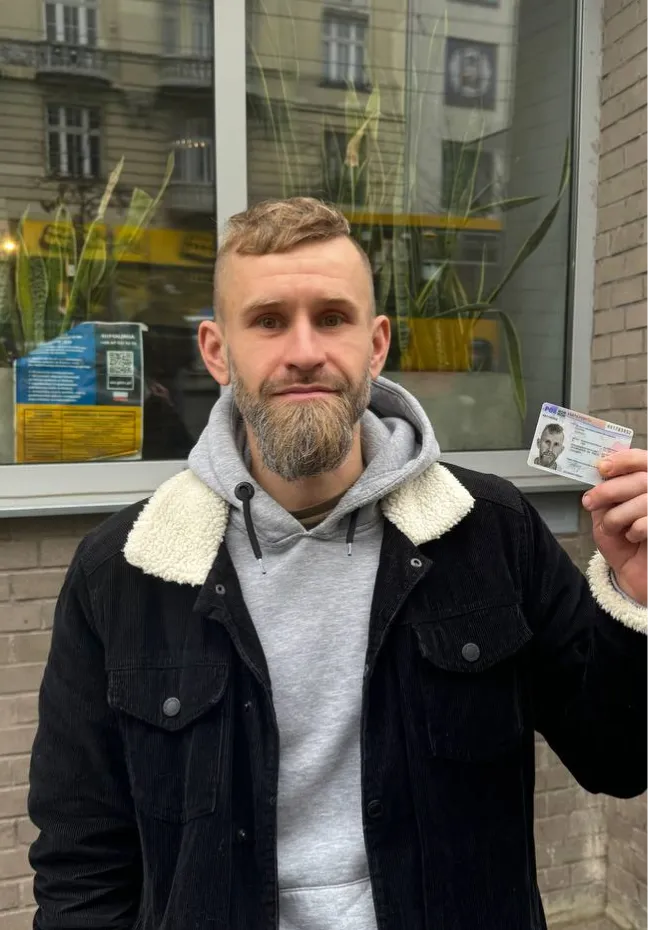
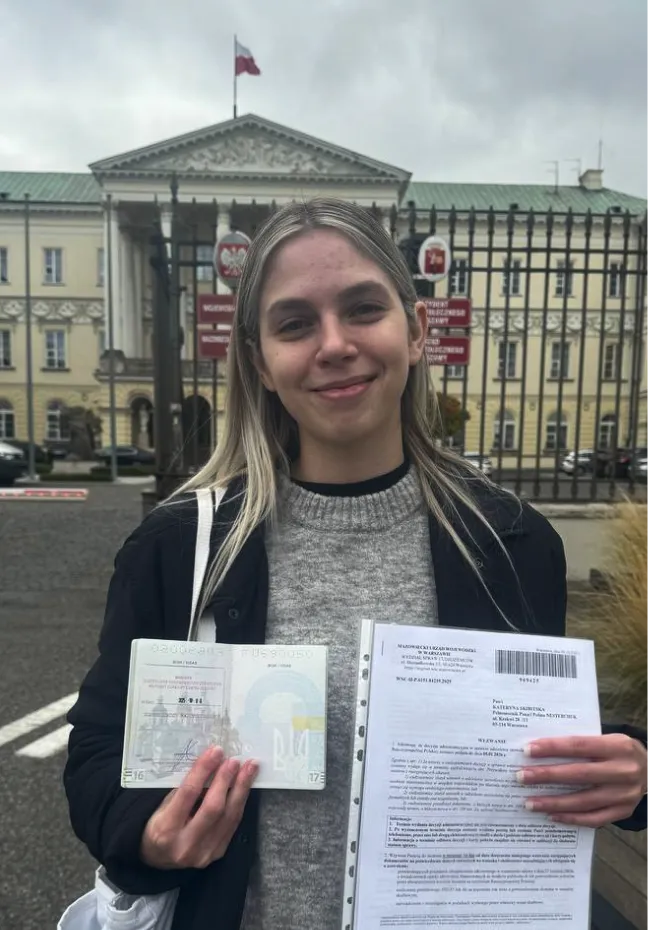
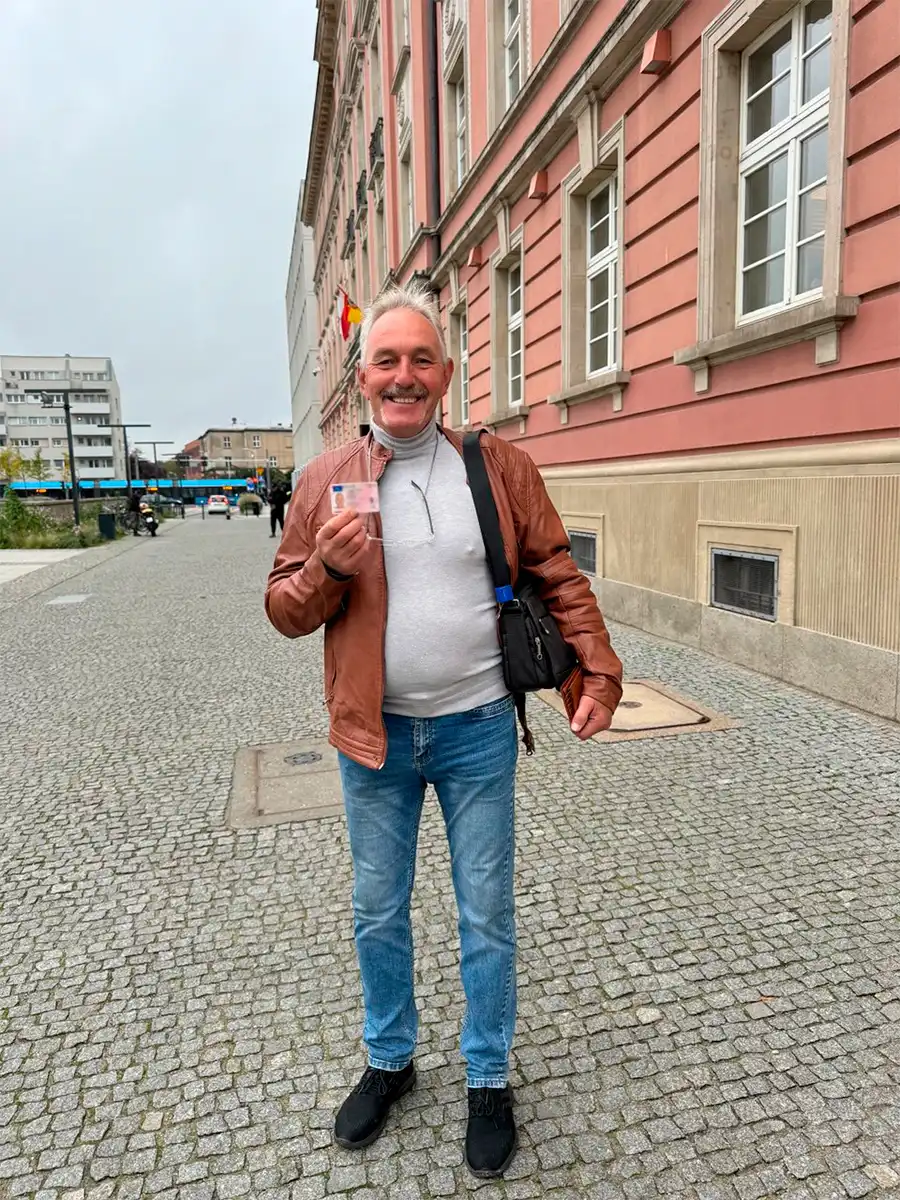
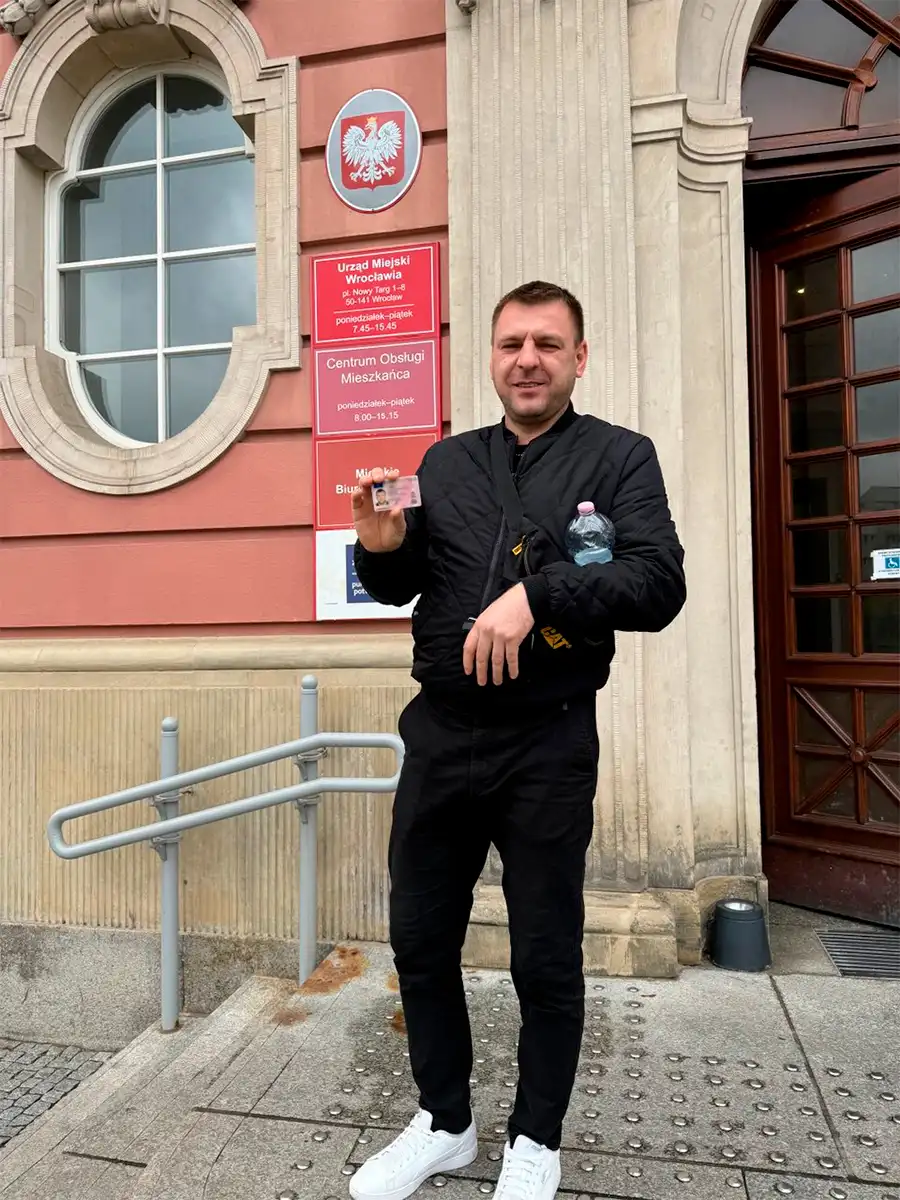
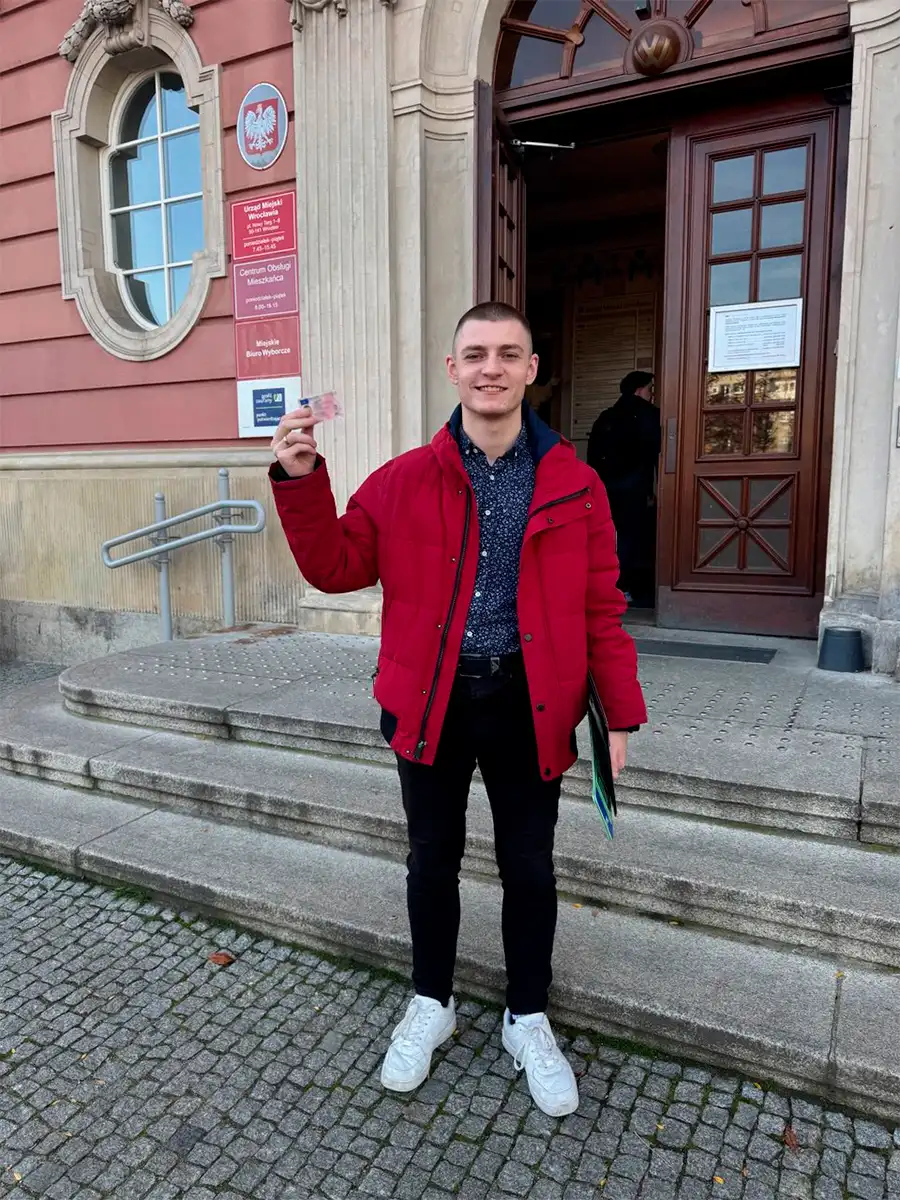
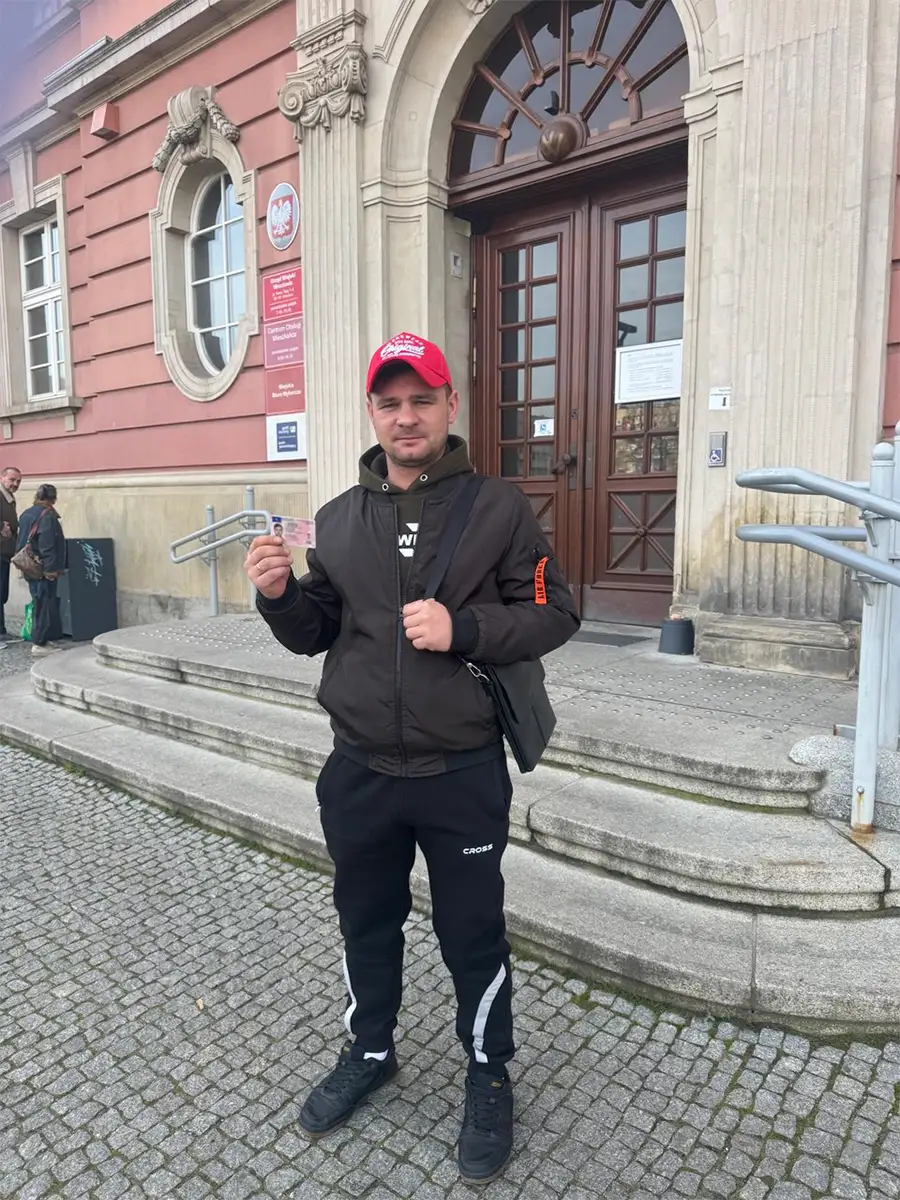
A client from Košice filed her residence permit application through business activity with what looked like a flawless file. The rejection came down to one detail — her bank statement was older than the 90-day limit. Three months lost, a new apostille, a new sworn translation, another slot in the queue at the Cudzinecká polícia.
Here’s the thing — this mistake shows up in VisaV.pl’s practice far more often than any serious legal problem. The Slovak residence card (prechodný pobyt) follows clear rules, but it’s the small details that decide whether you get the status in one attempt or spend a year redoing it.
What a Residence Card Is and Why It Matters?
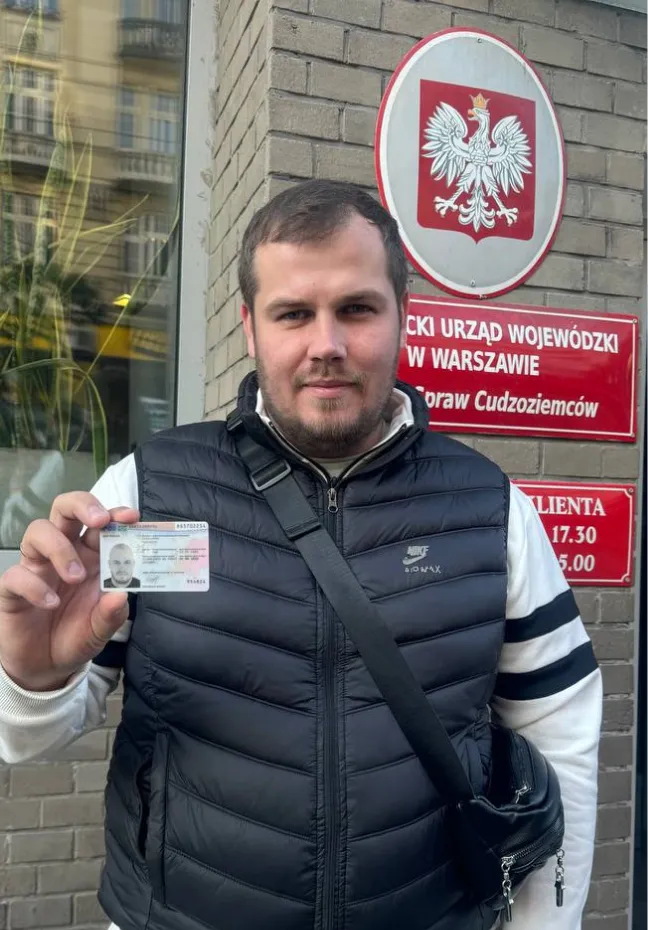
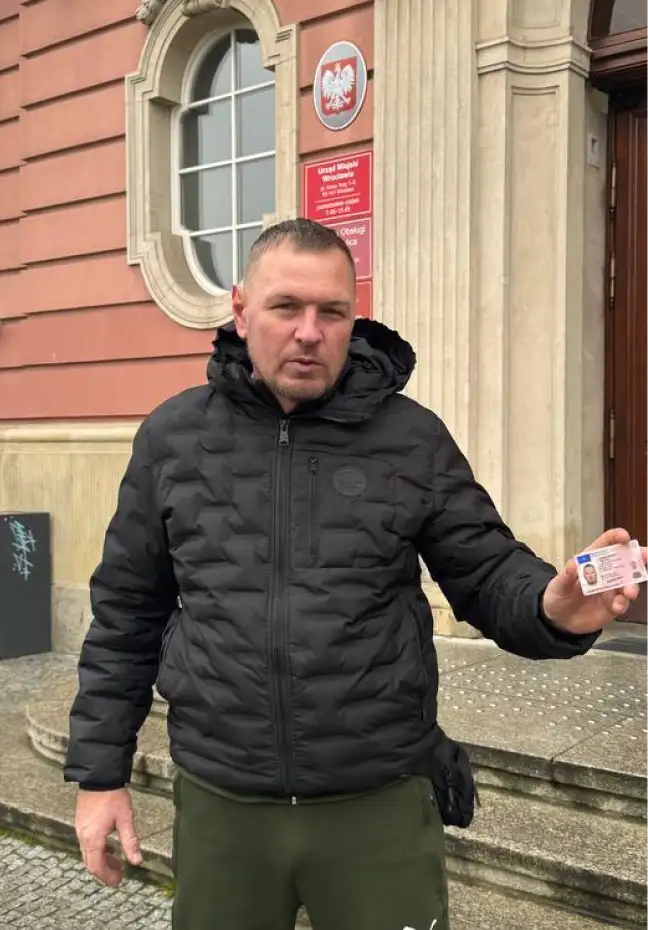
A residence card is a plastic ID with an embedded chip confirming your legal right to live in Slovakia for one to three years, with the option to renew. It’s not a visa or a single-event permit — it’s a full legal status.
The whole framework runs on Act No. 404/2011 Z. z. on the Residence of Foreigners (Zákon č. 404/2011 Z. z. o pobyte cudzincov), which sets out every ground, deadline, and requirement the VisaV.pl team works with daily.
After five years of continuous legal residence, you gain the right to apply for permanent residence (trvalý pobyt) — a direct path toward citizenship.
Which Grounds Qualify You for a Residence Card?
The law sets out five main routes. In our practice, Ukrainians most often choose two of them — employment and business.
- Employment — based on a contract with an employer holding labor office approval
- Business activity — registering as a sole trader (živnosť) or setting up a company (s.r.o.)
- Study — for full-time students at Slovak universities or accredited language courses
- Family reunification — for spouses, minor children, or dependent parents of a status holder
- Special activities — sports, culture, volunteering, or internships with international organizations

What Documents You Need to File?
The exact list depends on your ground for applying, but there’s a base package required in every case.
- A valid passport with at least 90 days of validity beyond your intended residence period
- A criminal record certificate from Ukraine and your current country of residence — valid for only 90 days, with an apostille
- A bank statement showing funds at or above the subsistence minimum (indexed yearly)
- A lease agreement or a notarized property owner’s consent
- Proof of your ground for applying — an employment contract, business registry extract, or university enrollment letter
Every document issued in Ukraine needs an apostille and must go through a licensed Slovak sworn translator — a standard notarized translation won’t be accepted.
How the Application Process Works Step by Step
The process runs through six stages, each with its own logic and pitfalls.
- Legal review and document collection — choosing the right ground, building the file, getting apostilles
- Sworn translation through a licensed Slovak court translator
- Booking an appointment in the online system with the Cudzinecká polícia — one of the hardest steps due to limited slots
- Filing the application and biometrics — fingerprints, photos, and the state fee
- Waiting for the decision — 30 to 90 days depending on the ground and how busy the regional office is
- Medical check and health insurance within 30 days of receiving the card
From our experience, clients lose the most time at the third stage — not because of red tape, but simply because of how scarce open slots are.
Why You Should Bring a Lawyer Into the Process?
Many foreigners try to handle the procedure alone, relying on forums and other people’s experiences. The VisaV.pl team sees the fallout from this regularly — rejections over expired certificates, badly handled translations, or bank balances that fall short.
A client from Bratislava came to us after his first rejection — he’d filed without an apostille on his criminal record certificate. With our support, the refiled application took 45 days instead of the three months he’d already lost.
Legal support covers choosing the most favorable ground, preparing the full document package, helping book appointments, and having a lawyer physically present at your police visit.
If you’re planning to legalize through business activity, it’s worth figuring out which business form actually fits your situation before you file — not after a rejection forces the question.