The short answer is no. You cannot apply for a residence card simply because you want to stay in Poland. A specific legal ground is always required: work, studies, business, family circumstances, Polish origin, humanitarian reasons, or another form of legalization provided for by law. If there is no clear ground, the case almost always ends in a refusal, and sometimes it also creates additional risks for your further stay.
The problem is that many people ask the wrong question. They ask, “Can I apply without legal grounds?” when the real question should be different: “What legal ground can I lawfully use in my situation without unnecessary risk?” This is where a proper strategy begins. Not by looking for loopholes, but by finding a real option that can be supported with documents.
Why a Residence Card Is Not Issued Without Legal Grounds
A temporary residence card is not a universal document that simply allows someone to live in Poland. It is a decision issued for a specific purpose of stay in the country. The authority does not look only at a person’s wish to remain in Poland. It checks why exactly this person has the right to stay longer and what evidence confirms that right.
- a legal ground is required, not just an intention to stay;
- documents confirming that ground are required;
- the ground must be real, not merely formal;
- the case must look logical and coherent;
- the absence of legal grounds almost automatically makes the application weak.
That is why applying without legal grounds is not a bold experiment, but usually a waste of time, money, and the chance to legalize your stay properly later.
What Grounds for a Residence Card Are the Most Common
In most cases, people legalize their stay in Poland through several basic routes. These are the options worth analyzing first if you do not currently understand how to apply properly.
1. Work
- official employment;
- an employment contract or another proper form of work arrangement;
- documents from the employer;
- proof of income and working conditions;
- no contradictions in the submitted documents.
2. Studies
- admission to an educational institution;
- documents confirming studies;
- financial means for the period of stay;
- insurance;
- proof of accommodation.
3. Business
- registration of a company or another permitted form of business activity;
- real business operations, not just a company on paper;
- financial logic and supporting documents;
- a convincing justification of the legal ground;
- a coherent structure of the entire case.
4. Family Circumstances
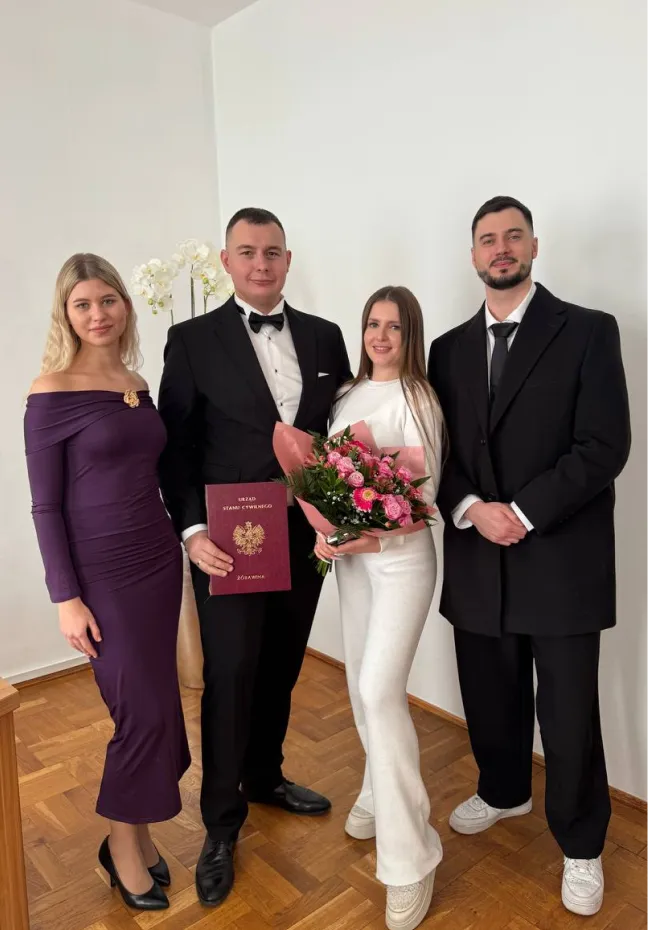
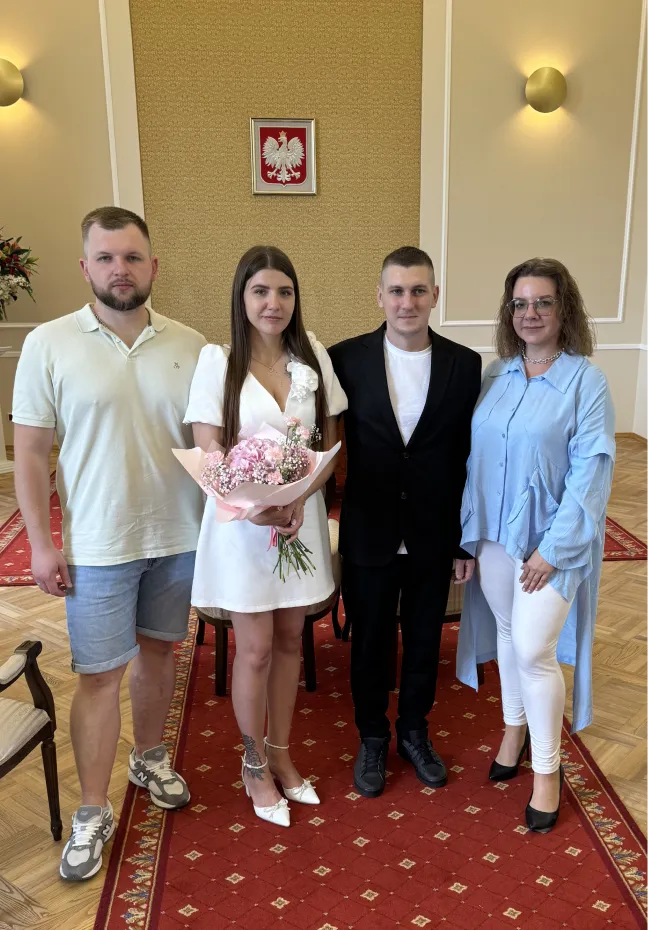
- marriage in Poland;
- family reunification;
- other lawful family-based grounds;
- documents confirming the relationship and shared life;
- compliance with the requirements of the specific procedure.
5. Polish Origin, Pole’s Card, Humanitarian Grounds
- Polish origin;
- Pole’s Card;
- international protection or subsidiary protection;
- exceptional humanitarian circumstances;
- other special situations that must be analyzed separately.

What to Do If You Do Not Currently Have Legal Grounds
If at this moment you do not have legal grounds ready, that does not necessarily mean the situation is hopeless. But it does mean that you should not rush into applying. First, you need to build a foundation for legalization rather than submit documents just to try.
In most cases, the following options are considered:
- Find official employment that genuinely fits legalization requirements.
- Consider studies, if that suits your situation.
- Assess the possibility of legalization through business.
- Check whether you have family-based grounds or grounds based on origin.
- In more complicated situations, analyze humanitarian circumstances separately.
So the goal is not to apply with nothing, but to first create a lawful and solid ground that can later be supported with documents.
When You Need to Apply for a Residence Card
A very important point is not only to have legal grounds, but also to use them in time. If a person waits until the last days or goes beyond the period of legal stay, even strong grounds may not save the situation. The competitor’s text also rightly emphasizes that temporary residence is processed during a period of legal stay, while filing after the allowed period has expired creates a serious risk of refusal.
- do not wait until your visa or visa-free stay is about to end;
- the document package should be checked in advance;
- the legal ground must already exist at the time of application, not just be planned for the future;
- it is important to have time to fix weak points in the case;
- a late application often creates unnecessary legal problems.
What Most Often Leads to a Refusal
Even when legal grounds formally exist, that still does not mean the decision will be positive. Refusals often happen not because of the idea of applying itself, but because the case is poorly prepared.
- absence of real legal grounds;
- an incomplete set of documents;
- documents that do not properly confirm the legal ground;
- filing after the end of legal stay;
- contradictions between the application, the documents, and the actual situation;
- an overly formal or poorly thought-out approach to the case.
That is why the right question is not “Can I apply without legal grounds?” but rather “How do I avoid ruining my case if my grounds are weak or not yet fully formed?”
How a Lawyer or Migration Specialist Can Help
The competitor’s text correctly notes that specialist assistance is especially useful when the situation is unclear: when it is necessary to identify possible legal grounds, properly collect the documents, or understand what to do after a refusal. But in reality, the value of good support is even broader: it is not just about pointing to the right article of the law, but about building the entire logic of the case so that it does not collapse at the verification stage.
- assess whether you already have real legal grounds now;
- advise which legal ground is better to choose;
- identify weak points before the application is filed;
- help with documents and explanations;
- support the case if it is non-standard;
- step in if there has already been a refusal or there is a risk of refusal.
When It Is Not Worth Risking a Self-Filed Application
There are situations in which people often overestimate their abilities or underestimate the risks. That is when filing on your own can become especially costly.
- when you do not have obvious legal grounds;
- when your lawful stay is already close to ending;
- when the legal ground is non-standard or borderline;
- when the case involves business or humanitarian circumstances;
- when there has already been a refusal before;
- when it is important not just to apply, but to do it correctly the first time.
How VisaV.pl Helps in Cases Without Obvious Legal Grounds
At VisaV.pl, we often work precisely with situations where a person does not understand where to begin. In such cases, the most important thing is not to promise the impossible, but to honestly assess the situation and find a real legalization option if one exists.
- we analyze whether you already have legal grounds now;
- we explain what can be prepared for a future application;
- we help you choose between work, studies, business, or other options;
- we warn you about the risks of a weak or premature application;
- we help with documents and the logic of the case;
- we step in if an appeal is needed or the situation must be corrected after a refusal.