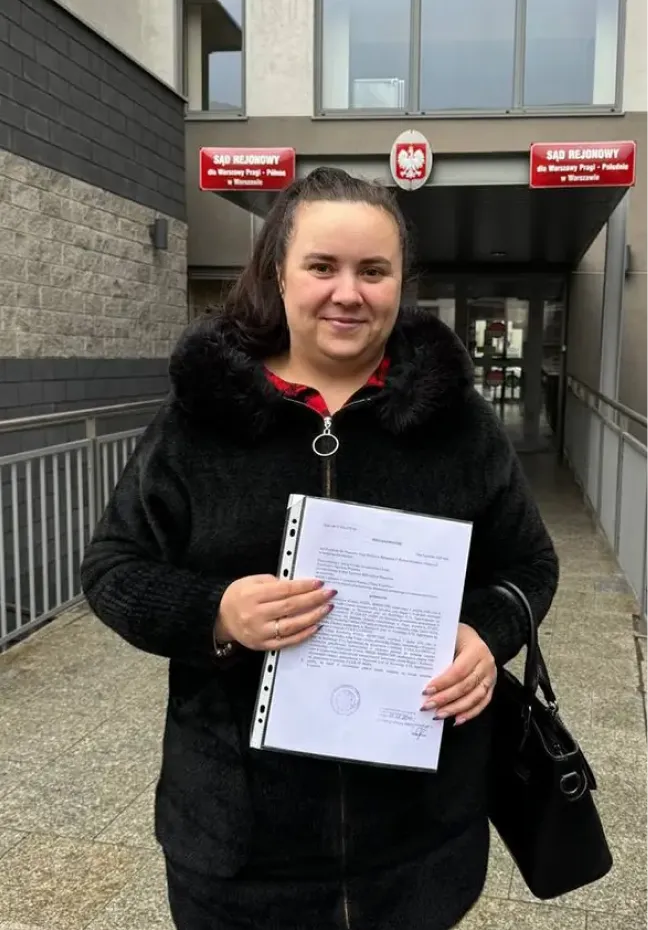
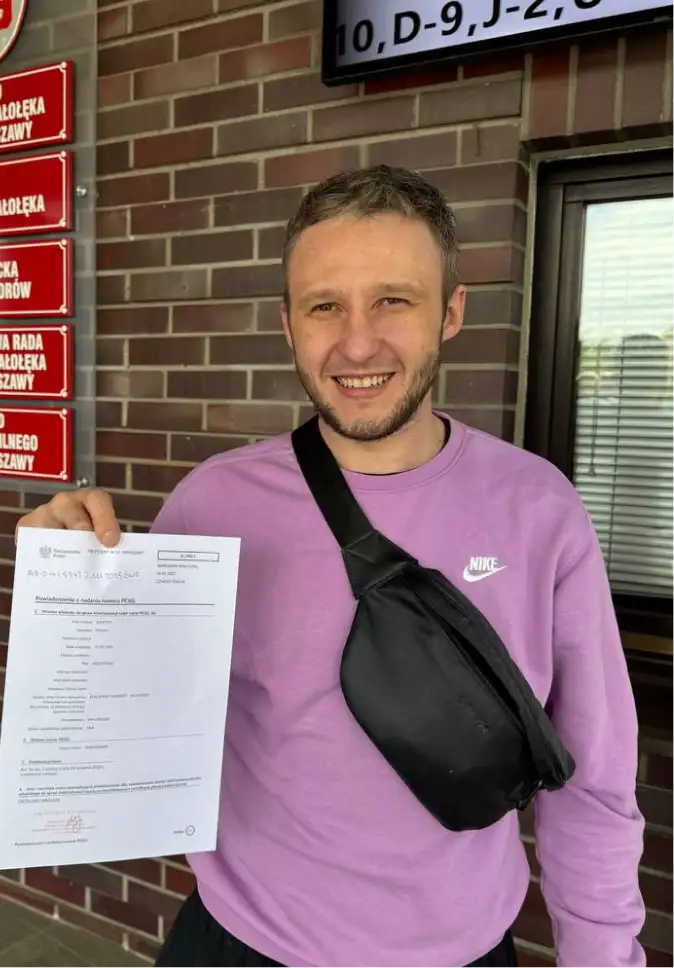
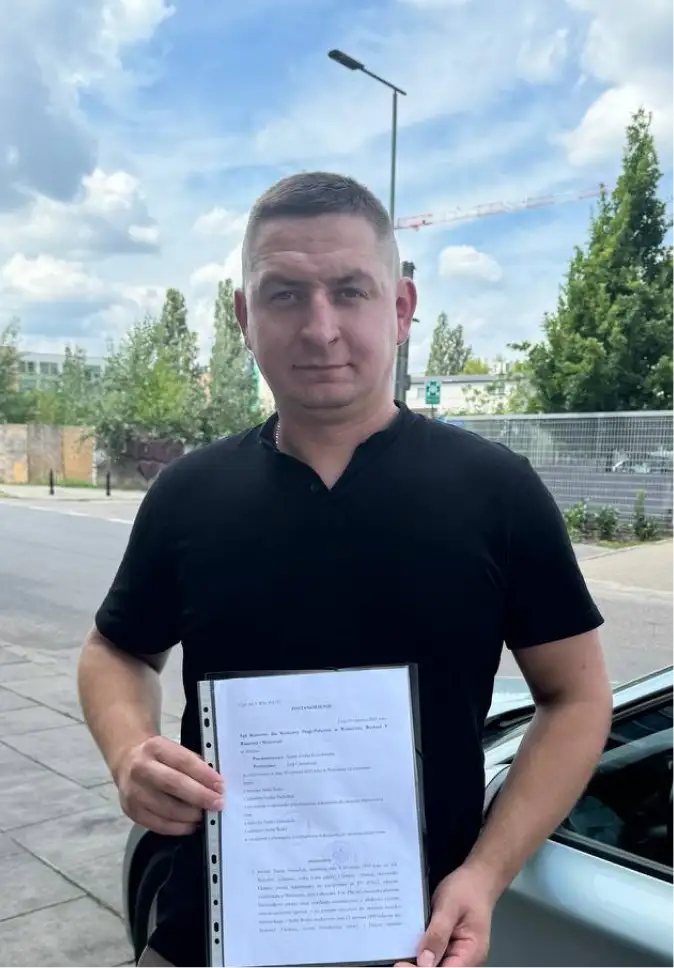
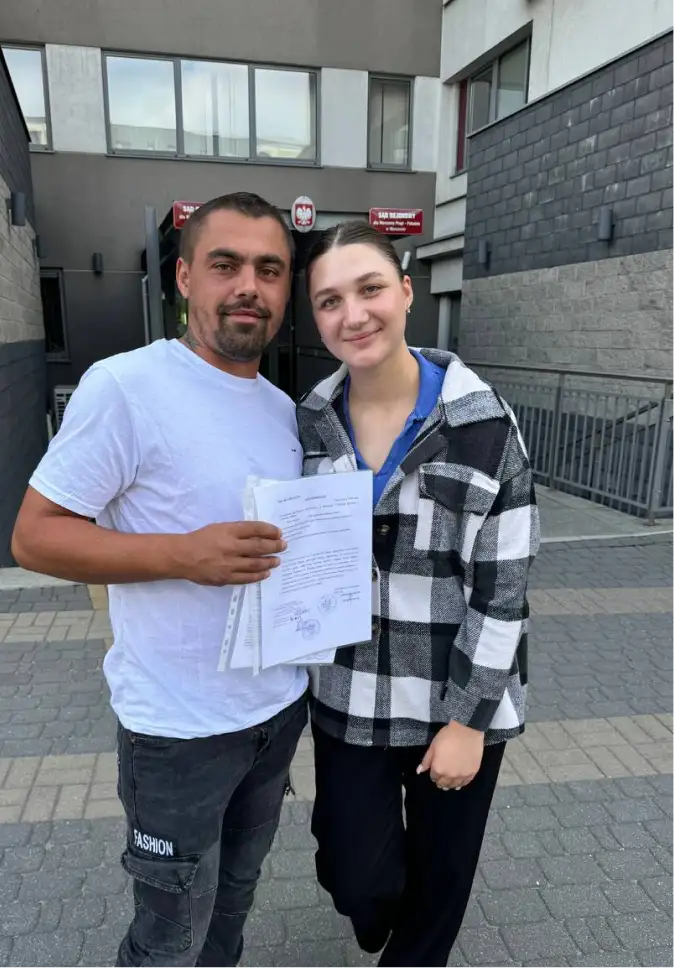
When people get married, they usually think about a shared future — plans, support, family. But sometimes life turns out differently: relocation, war, separation, conflict, changing priorities, or simply a loss of mutual understanding. In such situations, divorce is not an “emotional decision” but a legal process that must be handled correctly to avoid problems with documents, children, property, and legal status in Poland.
Ukrainians often ask: how can Ukrainians get divorced in Poland if the marriage was registered in Ukraine? Is it possible to get divorced in Poland as Ukrainian spouses if one spouse remains in Ukraine? Where should you apply, how long does it take, will the decision be recognized in Ukraine, and what should you do after the court ruling? In this guide, we break the topic down step by step — as practical as possible, without unnecessary theory, but with all critical nuances.
Which Law and Which Country “Leads” the Case: Why It Matters
In divorce matters, not only your personal circumstances matter, but also jurisdiction: in which country you can file for divorce and which rules will apply. This depends on the spouses’ citizenship, place of residence, and where the “center of life” is located in practice.
For Ukrainians living in Poland, there are usually two practical options: initiate the divorce in Ukraine or in Poland. In certain cases, Ukraine allows divorce through the civil registry office (ZAGS) — by mutual consent and if there are no minor children. Poland, however, handles divorce exclusively through court — even if both parties agree and there is no conflict.
This matters because it affects timelines, costs, and documentation. In Poland, the court assesses a “complete and permanent breakdown of marital life” and may also consider fault, alimony/maintenance, custody, child contact arrangements, and sometimes the right to use the family home.
Where to Start: Preparing for Divorce Without Chaos
Even if you have already made the decision, don’t start by “looking for a template statement of claim”. First, it’s worth doing a quick situation audit. This helps you avoid filing in the wrong court, missing key documents, and escalating conflict where it could be avoided.
A practical start looks like this: determine whether there is a dispute about children, whether there is a dispute about property, whether you still live together, and whether you can agree on the main issues (custody/contact/maintenance). Then check whether you have grounds to file in a Polish court: the parties’ residence in Poland, the duration of stay, where the respondent lives, etc.
Only after that should you prepare the claim. If you want a “quiet and faster” divorce, in practice the best approach is for the parties to agree on the basics before the first hearing: for example, asking the court not to determine fault, agreeing a parenting plan, and confirming realistic child support terms.

Where to File: Ukraine or Poland
Option A: Divorce Through Ukraine
Ukraine provides two routes: the civil registry office (ZAGS) — if there is full mutual consent, no minor children, and no property claims — or court (in all other cases). For couples who can quickly agree and meet the ZAGS criteria, this can sometimes be the simplest option.
However, if you are physically in Poland, logistical issues arise: powers of attorney, legalization of documents, delivering decisions, and updating registers. So the “simple route” in theory may become slow in practice if the spouses are in different countries or there are additional nuances.
Option B: Divorce in Poland
If you live in Poland, it is often logical to dissolve the marriage in Poland through a Polish court. The key rule is that the court must have jurisdiction to accept the case (residence/stay of the parties, etc.). If the respondent is in Poland, this usually makes things easier. If the respondent is in Ukraine, the procedure is still possible, but often longer and more expensive, because the court must properly notify the other party.
Which Court Handles Divorce in Poland and How to Choose the Right One
Divorce cases in Poland are heard by the Sąd Okręgowy (Regional Court). As a rule, the claim is filed with the court of the spouses’ last common place of residence (if at least one spouse still lives in that area). If that does not apply — at the respondent’s place of residence; and if it is unknown or the respondent is outside Poland — at the claimant’s place of residence.
In practice, choosing the correct court helps avoid “return of documents” or delays due to procedural mistakes. Court workload and available hearing dates can also vary by region.
If you are unsure where exactly to file, it is better to get a short consultation first and collect proof of residence/stay (meldunek, lease agreement, employment confirmation, etc.) — these documents may be important for the court.
Court Fee and Related Costs: What to Realistically Budget for
In Poland, divorce is a court procedure, so there is a mandatory court fee. Additional costs may include sworn translations, copies, postal deliveries, powers of attorney, and in complex cases — expert opinions or legal representation.
It is also important to understand: “cheap” most often happens when the parties agree. If there is a dispute about children or property, the financial and time costs usually increase.
What Documents do Ukrainians Need for Divorce in Poland
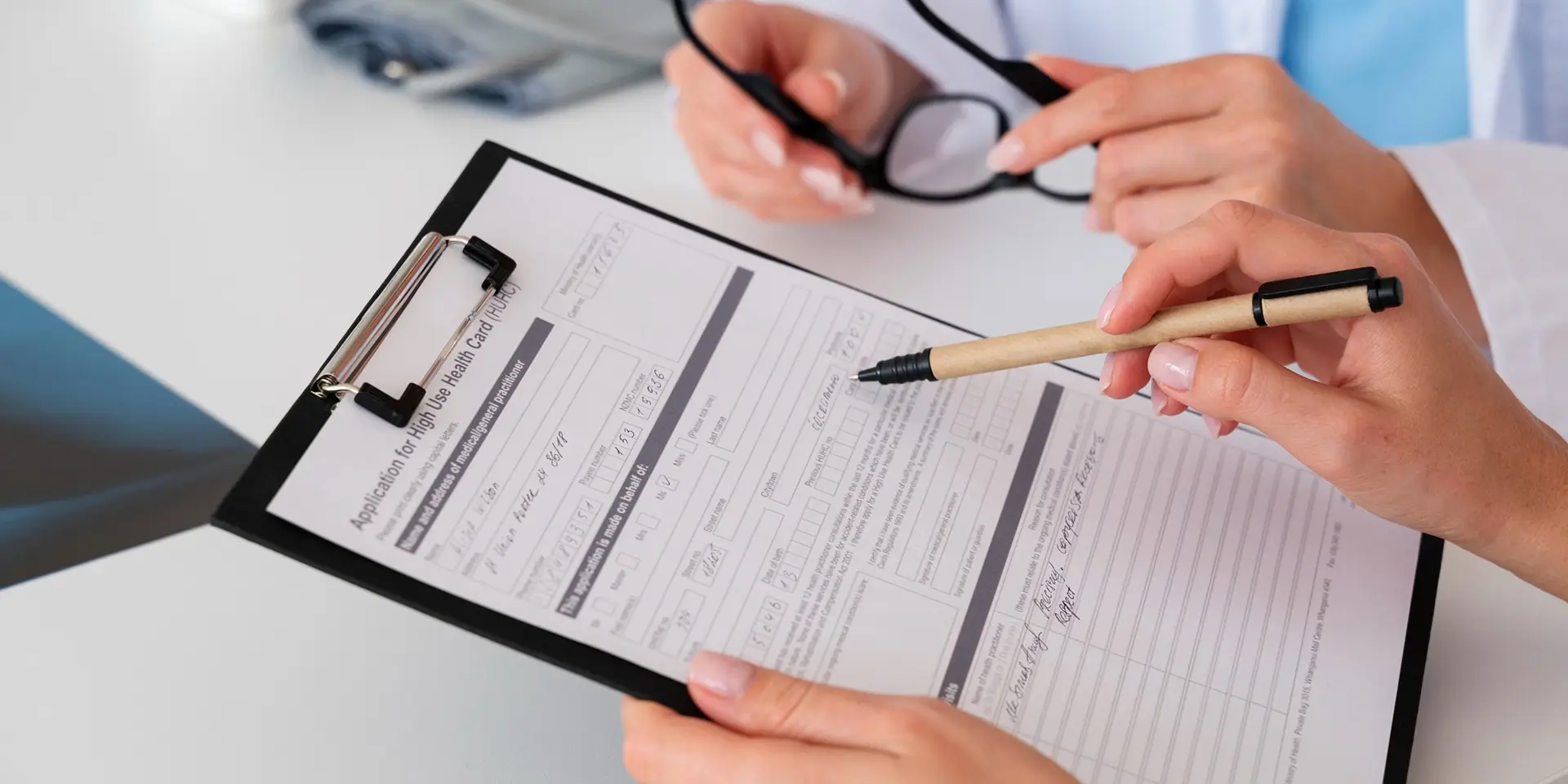
The basic document package depends on the situation, but there is a list that appears most often. Important: documents not in Polish require a sworn translation. Also, copies are typically submitted for the court and for the other party.
- Marriage certificate (if the marriage was registered in Ukraine — with a translation);
- Children’s documents (birth certificates, if there are minors);
- Proof of residence/stay in Poland (if needed to establish jurisdiction);
- Proof of payment of the court fee;
- Evidence of the breakdown of the marriage (if needed: separate living arrangements, separate finances, correspondence, etc.).
If there are children, a separate section should include proposals regarding custody, contact arrangements, and child support. If there is property, it is worth preparing a list of assets and your position on division.
The VisaV.pl team helps with all types of certificates, sworn translations, preparation of the full document package, and case support so that the process is predictable.
How the Court Process Works: What the Court Decides and What to Expect
Divorce proceedings in Poland involving Ukrainian citizens usually take place in closed session because private matters may be discussed. However, under certain conditions the court may allow an open hearing — this is less common and depends on the circumstances.
The court assesses whether there has been a “complete and permanent breakdown of marital life”. The court may also determine fault of one spouse or both. At the same time, if both parties ask the court not to determine fault, this often simplifies and speeds up the process.
If there are children, the court must decide parental responsibility issues: with whom the child lives, how contact with the other parent is arranged, and financial participation (child support). The court may take a “parenting agreement/plan” into account if it serves the child’s best interests.
How Long Does Divorce Take?
Timelines vary greatly: from a single hearing (when there is agreement, no disputes, and the court has sufficient evidence) to a lengthy process if there is conflict regarding children, child support, or property. Delays also often occur when one party lives outside Poland, making service of documents and attendance harder.
It is important to understand that the court may grant time for reconciliation if it sees a chance to preserve the family. In practice, this means a pause and longer timelines. If reconciliation is impossible, a well-prepared position and evidence base help avoid unnecessary adjournments.
Can You Divorce If the Other Spouse Is not in Poland?
Yes, sometimes — but it is almost always more complicated. The key issues are the Polish court’s jurisdiction and proper notification of the other party. If the respondent is in Ukraine and has no representative, the process may become longer due to international service procedures and the need to confirm delivery of documents.
Before starting the case, it is important to assess alternatives: whether it is possible to initiate the procedure in Ukraine (and what would be faster), whether the other party can issue a power of attorney to a representative, and whether an agreement without disputes is realistic.
Appeal: When Decisions are Challenged and How It Works
If you are not satisfied with the judgment, the law provides a possibility to appeal. An appeal is not about “rewriting the story” — it is a legal instrument where you must clearly show what the court assessed incorrectly or which legal provisions were applied wrongly.
In practice, appeals often concern fault, maintenance/child support, child contact arrangements, or procedural issues. But keep in mind: an appeal means more time and costs, so sometimes it is wiser to try to reach agreement at first instance.
What to Do After Divorce: Poland, Ukraine, Documents, and Future Plans
After the court decision, living in Poland usually requires only the divorce judgment itself. But if you plan to use this fact in Ukraine (for example, to update marital status in registers, obtain documents, or remarry), additional steps are often needed: proper issuance of the judgment, translation, and updating the relevant authorities.
After divorce, your migration “plan” may also change. If your legal stay in Poland was tied to marriage, it is important to check whether you need to change the basis of stay to avoid risks to your status.
One more practical point: some people after divorce plan new relationships and want to formalize a marriage without long procedures. In such cases, we often advise on a modern format — fast online marriage through the USA, which is recognized and can be convenient without travel and complex logistics.