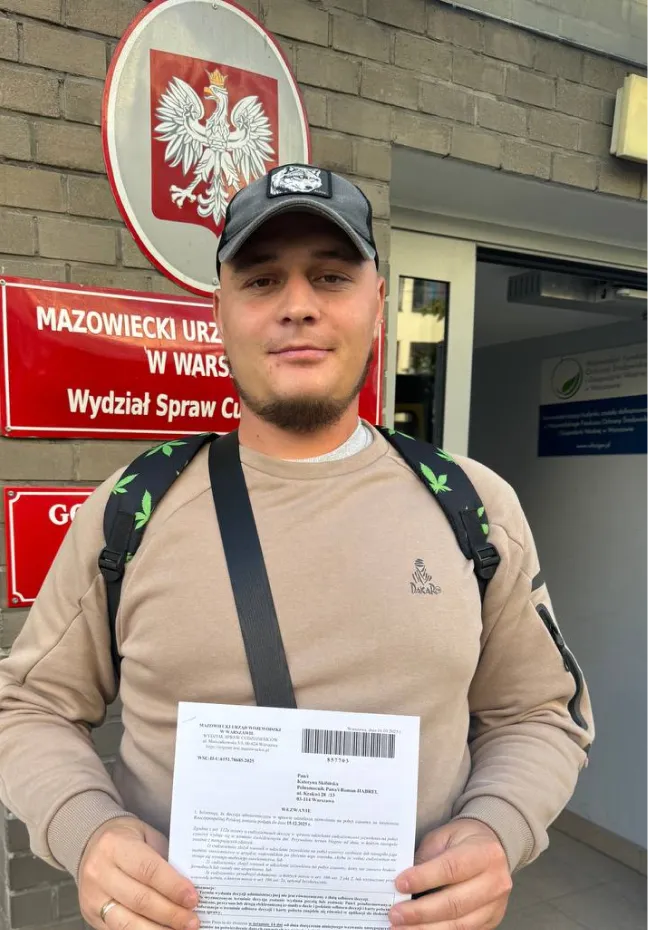
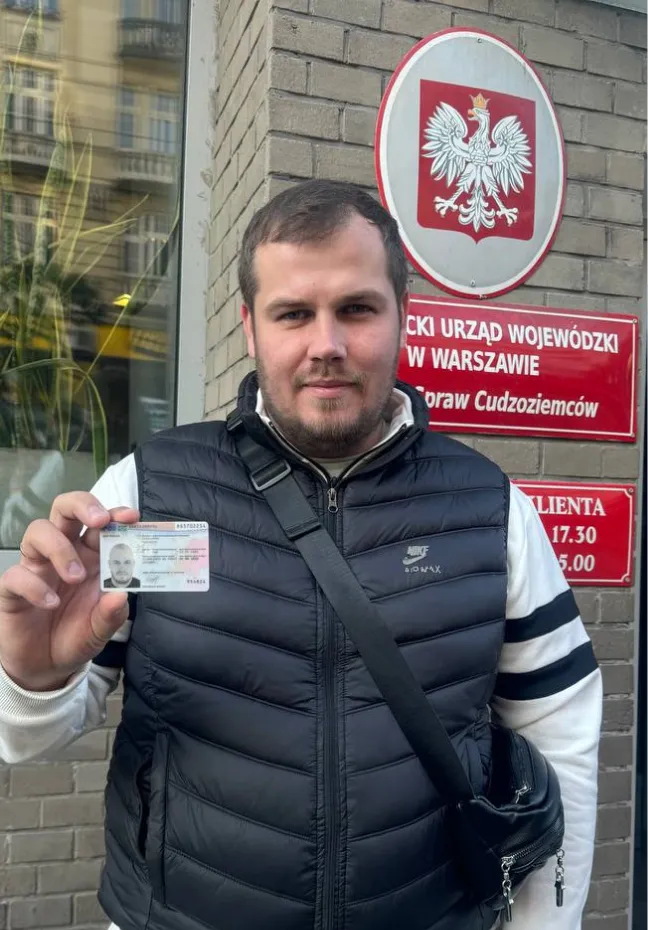
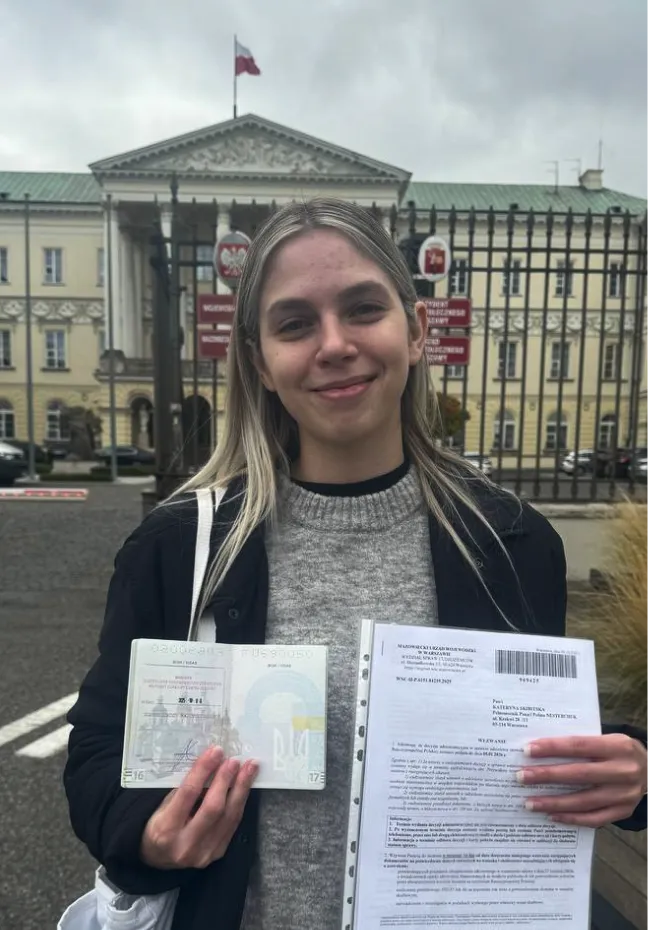
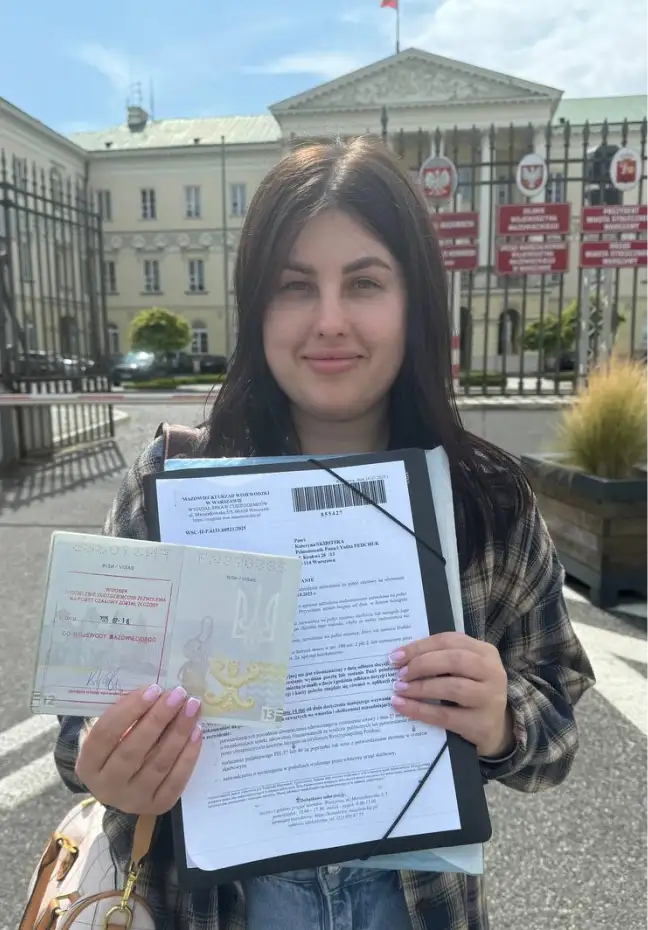
For several years now, Europe has been actively attracting qualified specialists from outside the EU. Engineers, IT professionals, doctors, financiers, analysts, technical experts — the labor market needs talent. That is why the topic of a European residence permit for qualified specialists has become one of the most relevant for those who are planning a long-term career and life in the EU.
However, a “European residence permit” is not one universal program. There are different formats: the EU Blue Card, national residence permits for specialists, startup visas, and research and innovation programs. Each country has its own nuances, salary thresholds, and criteria.
In this article, we will explain what a European residence permit for specialists is, what requirements apply, how the EU Blue Card differs from a national residence permit, which EU countries are the most attractive, and how to build a path toward permanent status and citizenship.
What “a European Residence Permit for Qualified Specialists” Means
This term usually refers to a temporary residence permit in an EU country, issued on the basis of high qualifications and an employment contract. The best-known format is the EU Blue Card, but it is not the only option.
A European residence permit for specialists is based on several key criteria: a higher-education degree or confirmed professional experience, an official employment contract, a minimum salary level, and a match between the position and your qualifications.
Unlike standard work permits, specialist programs are designed to attract talent for the long term and often provide a simplified route to permanent residence.
The EU Blue Card: a Key Tool for Highly Qualified Specialists
The EU Blue Card is a European-format residence permit for specialists with higher education or confirmed professional experience. It applies in most EU countries (with certain exceptions) and offers special conditions.
Main requirements for obtaining an EU Blue Card:
- higher education or proven work experience;
- an employment contract with an employer in an EU country;
- a salary above the established threshold (different in each country);
- the position must match your qualifications.
Benefits of the EU Blue Card:
- faster access to permanent residence;
- the option to bring your family;
- potential mobility within the EU after a certain period;
- a high level of trust from public authorities.

National Residence Permit Programs for Specialists
In addition to the EU Blue Card, many EU countries have their own national programs to attract qualified professionals. For example, Germany, Poland, Czechia, the Netherlands, France, and other states offer special permits for IT professionals, engineers, medical workers, and researchers.
Such programs may be more flexible in terms of salary thresholds or may have different education requirements. In some countries, not only a diploma is considered, but also many years of experience in international companies.
The choice between the EU Blue Card and a national residence permit depends on the country, the employer, and your long-term plans.
Which EU Countries are the Most Popular for Specialists Seeking Residence Permits
Among the most in-demand destinations are Germany, Poland, the Netherlands, Spain, France, and the Baltic states. The choice depends on your industry, salary level, language requirements, and career prospects.
For example:
- Germany — strong demand for engineers and IT professionals.
- Poland — rapid growth in IT, logistics, and manufacturing.
- The Netherlands — technology and financial sectors.
- France — startups, R&D, and international companies.
Each country has its own processing times, application procedures, and document requirements.
Documents and Steps to Obtain a European Residence Permit
The procedure usually consists of several stages:
- Signing an employment contract.
- Preparing a document package (diploma, CV, proof of experience).
- Submitting the residence permit application.
- Receiving the permit and registering your residence.
The list of documents may include:
- employment contract;
- proof of education;
- criminal record certificate;
- health insurance;
- proof of accommodation.
Mistakes in the documents or failing to meet the salary threshold may lead to a refusal or delays.
A professional document audit before submission is the key to minimizing the risk of refusal.
The Path to Permanent Residence and Citizenship
Most residence permit programs for qualified specialists provide the possibility of moving to permanent residence after 3–5 years of legal stay. Next comes the option to apply for citizenship, provided the requirements are met.
It is important to maintain continuous residence, pay taxes, and avoid violations of immigration law. Any “gap” in status may complicate the transition to permanent residence.
Common Mistakes When Applying for a Residence Permit for Specialists
- submitting without checking compliance with the salary threshold;
- unverified education or missing translations;
- choosing the wrong program;
- ignoring work-experience requirements.
These mistakes can cost time and money. That is why it’s worth conducting a preliminary case assessment before applying.
How We help Specialists Obtain a European Residence Permit
The VisaV.pl team advises specialists on obtaining residence permits in EU countries, including the EU Blue Card and national programs. We analyze your profile, contract, compliance with salary requirements, and help you prepare a complete set of documents.
- profile analysis and country selection;
- contract review and salary-threshold verification;
- document preparation and audit;
- consultations on a long-term strategy (permanent residence, citizenship).