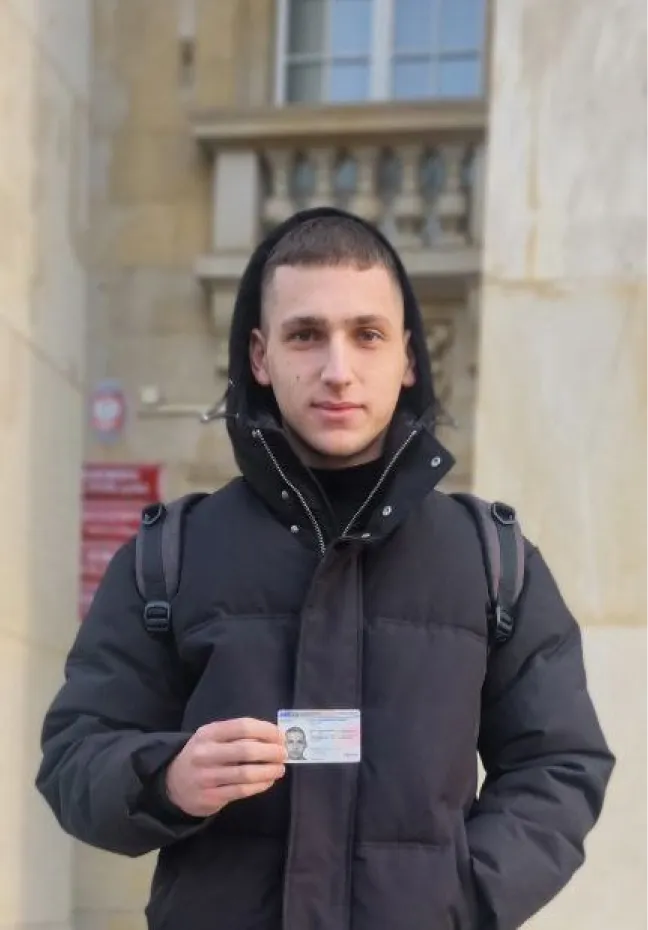
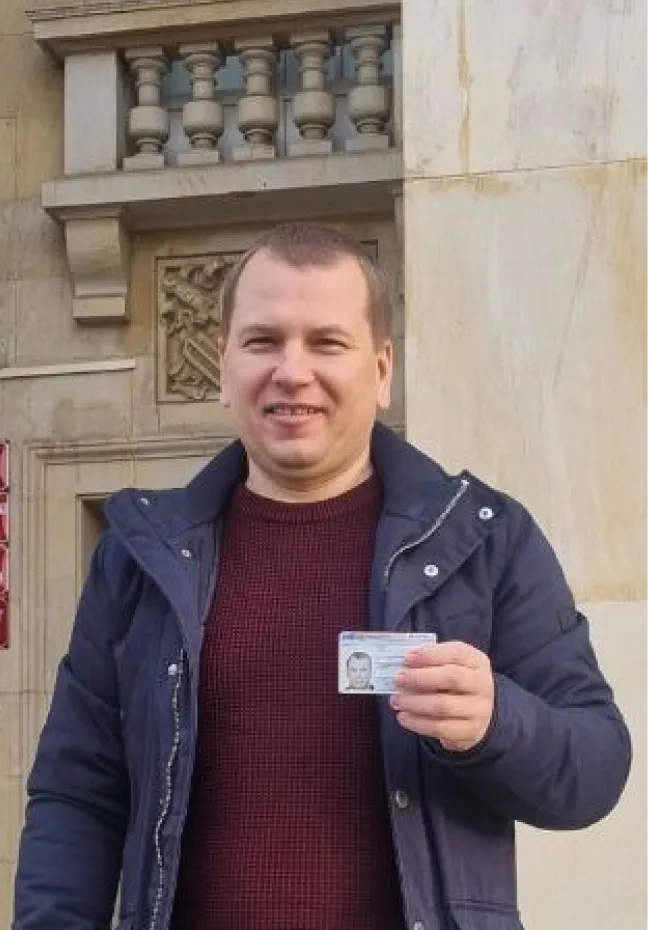
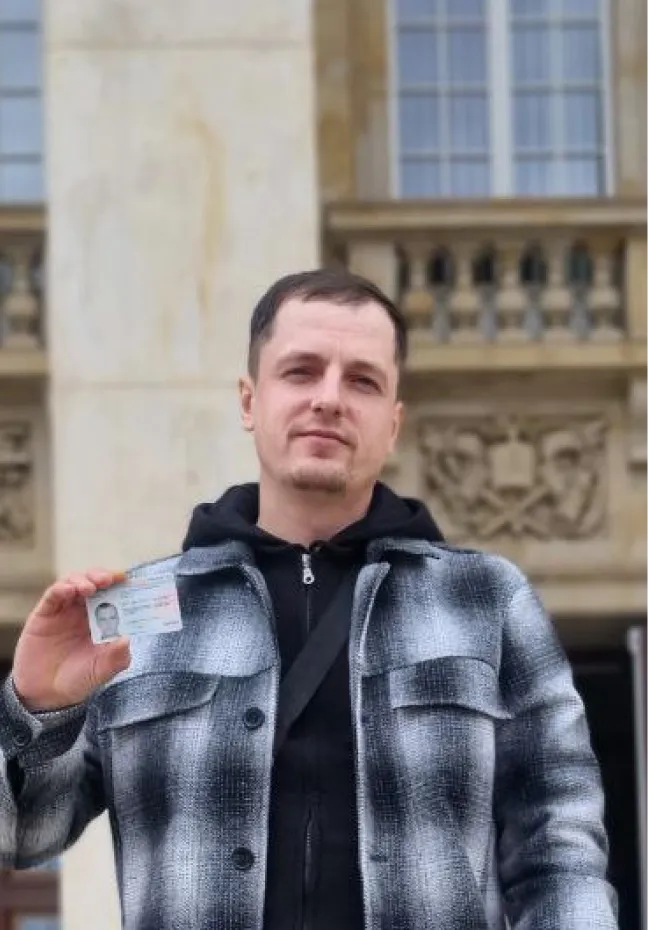
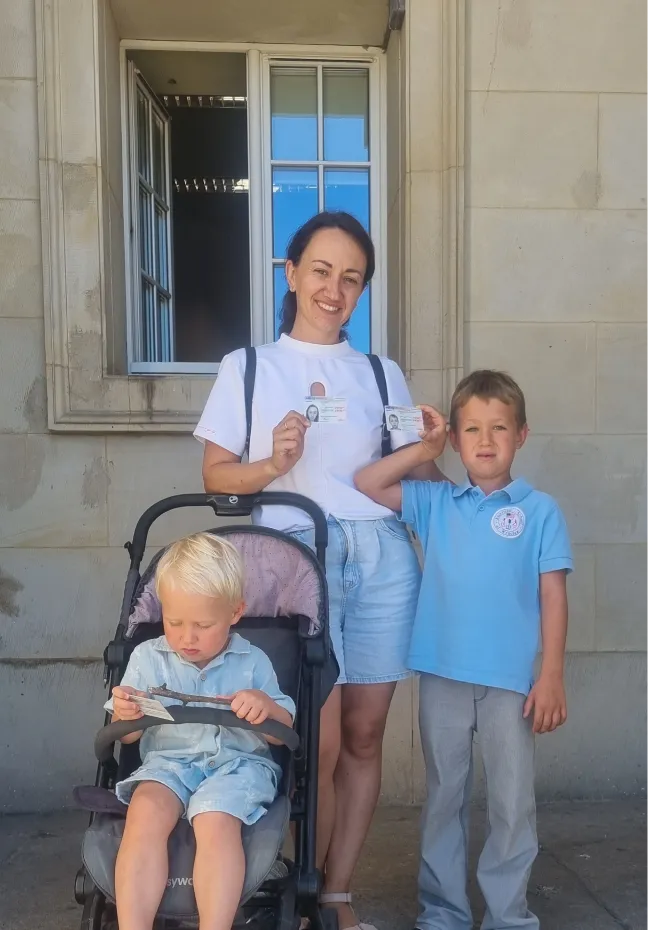
Immigration to Poland from Belarus has long stopped being an abstract dream for many families. For some, it is a step toward a more stable life; for others, it is a way to legalize employment, open a business, give their children a calm environment for studying, or simply begin a new chapter without constant uncertainty. But in practice, relocation is rarely just about buying a ticket and finding a place to live.
In reality, the main difficulty begins where visas, the grounds for entry, documents for a residence card, questions of income, rent, PESEL, schooling for a child, and the choice of the right legalization strategy come into play. That is why, even before moving, it is important to understand not only how to enter Poland but also how to remain in the country legally for a longer period, without making mistakes that later cost months of waiting, stress, and unnecessary expenses.
In this article, we will look at which grounds for immigration to Poland from Belarus are relevant today, what the legalization process looks like after entry, what nuances apply to family, children, housing, and adaptation, and which outdated advice from the internet is no longer worth relying on.
What Relocating to Poland Actually Starts With
The first correct step is to define your main purpose of stay. Polish immigration procedures depend heavily on this. For some people, the key basis is employment; for others, it is education, running a business, family reunification, or special humanitarian mechanisms.
A national type D visa allows you to stay in Poland for more than 90 days, but no longer than 1 year. At the same time, a visa in itself does not guarantee entry: the final decision at the border is made by the border service. After arriving in Poland, if you plan to stay longer, you will usually need to submit an application for temporary residence on time.
That is why the strategy of “I’ll somehow get in first and figure it out later” is often the weakest one. It is much safer to understand before the trip:
- on what basis you are entering;
- which documents confirm the purpose of your stay;
- whether you will be able to apply for a residence card while already in Poland;
- how to legalize your income, housing rental, your child’s education, and the stay of your family members.

Main Grounds for Immigration to Poland From Belarus
1. Work in Poland
This is one of the most common grounds for relocation. If you have a real employer, an official contract, and documented working conditions, employment often becomes the basis for longer-term legalization. After entry, a foreign national usually applies for temporary residence and work if they plan to stay longer than 3 months. The documents must be submitted in person and before the current lawful stay expires.
This path is suitable for those who:
- have a job offer from a Polish employer;
- plan to work officially under an employment contract or a civil-law contract;
- want to obtain a residence card based on employment later on;
- need a clear and traditional legalization model.
It is important to understand that employment as a legal basis must be genuine and supported by documents. In immigration matters, weak or artificial arrangements are always a risk zone.
2. Studying in Poland
Study is another common relocation mechanism. It may be relevant not only for prospective students, but also for people who want to change professions, improve their language skills, obtain a Polish diploma, and then move on to work or business once they are already there.
For students in Poland, there is temporary residence on the basis of study. According to official information, the first permit is usually issued for 15 months, and then it can be extended for a longer period—but not longer than the duration of the studies. Graduates of Polish universities may also qualify for a separate temporary permit to look for work or plan their further stay.
Studying works especially well in cases where a person wants to:
- enter legally and integrate into the Polish environment;
- obtain a diploma or a new qualification;
- gradually move from study to employment;
- establish themselves in Poland for a longer period through a clear legal basis.
3. Business and Entrepreneurial Activity
For some Belarusians, immigration to Poland is connected not with looking for a job, but with relocating their business activity, launching their own business, or legalizing an existing source of income. Here, it is critical not to act according to a template, but to assess the real business model: who your clients are, where the income is generated, whether you need JDG, or whether it makes more sense to open a Spółka z o.o. right away, and what tax and immigration consequences each option will bring.
In 2026, it is no longer worth building a relocation plan around the Poland.Business Harbour program as the “main current solution.” Official information from the Polish state business portal indicates that the program has been suspended: new visas and recommendations under it are no longer being issued, although previously issued documents have remained valid.
That is why, for entrepreneurs and specialists with remote income, it is far more important to assess not old promotional promises from the internet, but the real tools available today:
- whether legalization through business is possible;
- whether there are grounds for a residence card based on business;
- how to confirm income correctly;
- how to structure a business model so that it works both for tax purposes and for immigration.
4. Humanitarian Visa and Special Solutions for Citizens of Belarus
There is also a separate humanitarian mechanism specifically for citizens of Belarus. This refers to the national D21 visa, which is issued for humanitarian reasons, in the interest of the state, or due to international obligations. Such a visa may be issued for up to 1 year. For Belarusians in Poland, there is also a simplified mechanism for further legalization of temporary residence on the basis of a humanitarian visa, introduced in 2022.
This is not a “general visa for everyone,” but a separate tool that requires a proper assessment of your situation. If the basis truly meets the criteria, it can become an important entry point for safe legalization in Poland.
What a Well-Planned Relocation Includes Beyond the Visa
The mistake many people make is reducing immigration to a single question: “how do I get a visa?” But in practice, relocating to Poland is a chain of interconnected decisions. And if one link falls out, delays, stress, and unnecessary costs begin.
Usually, several areas need to be thought through at once:
- The basis for entry and stay. Work, study, business, family circumstances, or special humanitarian solutions.
- Documents before departure. Passport, proof of the purpose of travel, financial documents, applications, contracts, certificates, and translations.
- Everyday life after arrival. Housing, meldunek, PESEL, a bank account, communication, and transport.
- Longer-term legalization. Preparing documents for a residence card, confirming income, insurance, address of residence, and the legal basis for stay.
- Family adaptation. School or kindergarten for children, language adaptation, medical issues, and building a new daily routine.
Residence Card After Arrival: What Is Important to Know
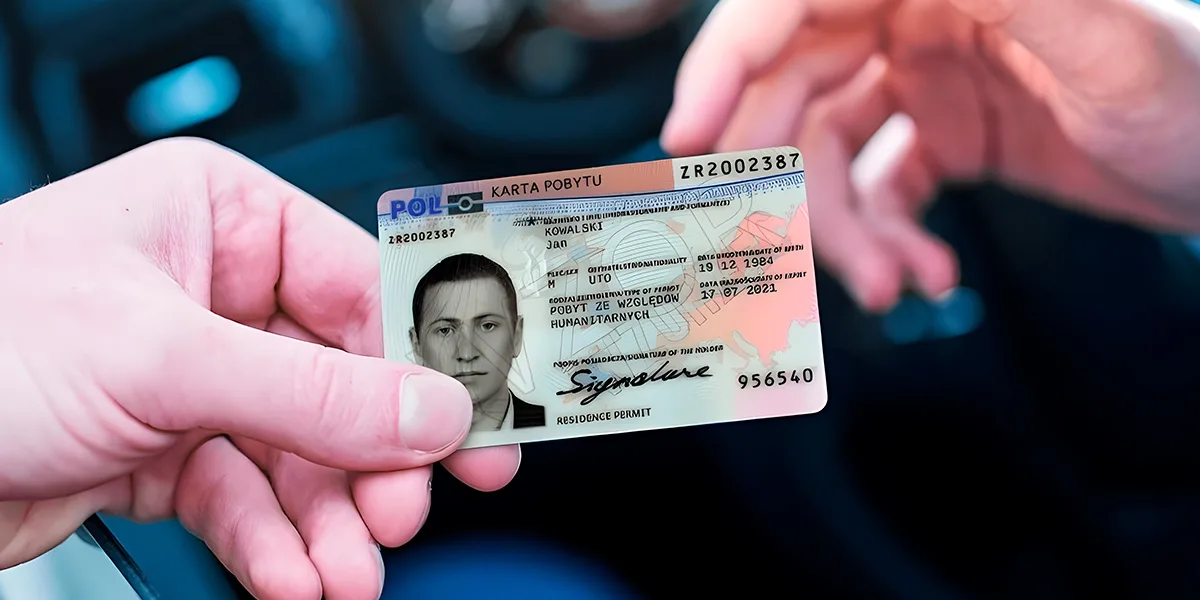
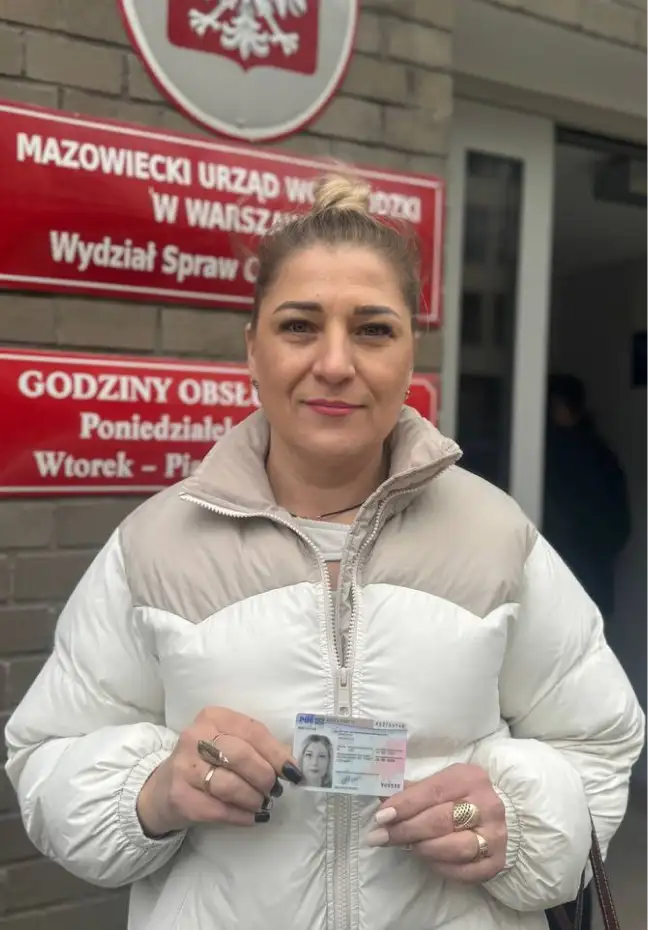
If you entered legally and plan to remain in Poland longer, the next key stage is applying for temporary residence. This may be a residence card based on family circumstances, work, study, business, or other grounds provided by law.
The documents must be submitted before your lawful stay expires. If the application is submitted on time and without formal deficiencies, or if any deficiencies are corrected within the required time, your stay in Poland is considered legal until a final decision is made in the case. But there is an important nuance: the stamp in your passport after submission does not give you the right to travel freely within the Schengen Area and does not guarantee re-entry to Poland after departure.
Immigration With Family: Children, School, Housing, and Adaptation
When not just one person but the entire family moves to Poland, priorities change. At that point, not only documents matter, but also everyday stability. Where will you live? How do you find an address you are not embarrassed to put in official documents? How do you enroll your child in school? How do you get through the first months without the feeling of total chaos?
For families with children, it is usually important to plan:
- the area of residence and the real logistics of daily life;
- the availability of schools, kindergartens, transport, and medical facilities;
- the child’s language adaptation;
- legalization of stay for each family member separately;
- the financial model of life in Poland after relocation.
Children usually adapt faster than adults, but a lot depends on how calmly the start is organized. If adults are constantly putting out fires with documents, looking for an apartment at the last minute, and not understanding how to legalize their stay further, this inevitably affects the child as well. That is why family comfort begins not with the “right neighborhood,” but with a well-planned move.
Can You Count on Permanent Residence in the Future?
For many people, immigration to Poland from Belarus is not only about the coming year, but about establishing themselves for the long term. In that case, it is important to think ahead: not simply “how to get the first document,” but how to build a lawful history of residence in the country.
One of the key long-term statuses is the EU long-term resident permit. The general rule requires at least 5 years of continuous stay in Poland, but not every period and not every legal basis is counted in the same way. That is why a long-term route needs to be planned with the person’s specific status in mind.
What Mistakes Are Most Common When Moving From Belarus to Poland?
- Choosing a legal basis at random. For example, relying on old schemes that no longer work or now work differently.
- Not thinking through the stage after entry. A person knows how to enter, but does not know how to apply for a residence card afterward.
- Ignoring the family’s documents. All attention is focused only on the main applicant, while issues concerning children or a partner are postponed.
- Overestimating “advice from forums.” Someone else’s experience can almost never be mechanically applied to your case.
- Confusing everyday life with legalization. Even a good apartment and a job do not replace properly formalized legal status.
Who Should Prepare for Relocation Especially Carefully?
There are categories of applicants for whom it is especially important not to act hastily:
- families with school-age children;
- entrepreneurs and freelancers with income from outside Poland;
- people who want not only to relocate, but also to qualify for a longer-term stable status in the future;
- those who have already had refusals, complicated immigration histories, or are not fully confident in their current basis of stay.
In such situations, proper advice at the start often saves more than any “attempt to figure it out on your own” after mistakes have already been made.
Conclusion
Immigration to Poland from Belarus is not a single service and not a single document. It is an entire system of decisions: from the basis for entry to a residence card, from housing to a child’s school, from an agreement with an employer to a long-term strategy for lawful stay. That is why the best approach is not “to sort out one separate piece of paperwork,” but to follow a complete route where each step strengthens the next one.
If everything is done correctly, Poland can become not a temporary compromise, but a solid foundation for life, work, business development, and your family’s future.