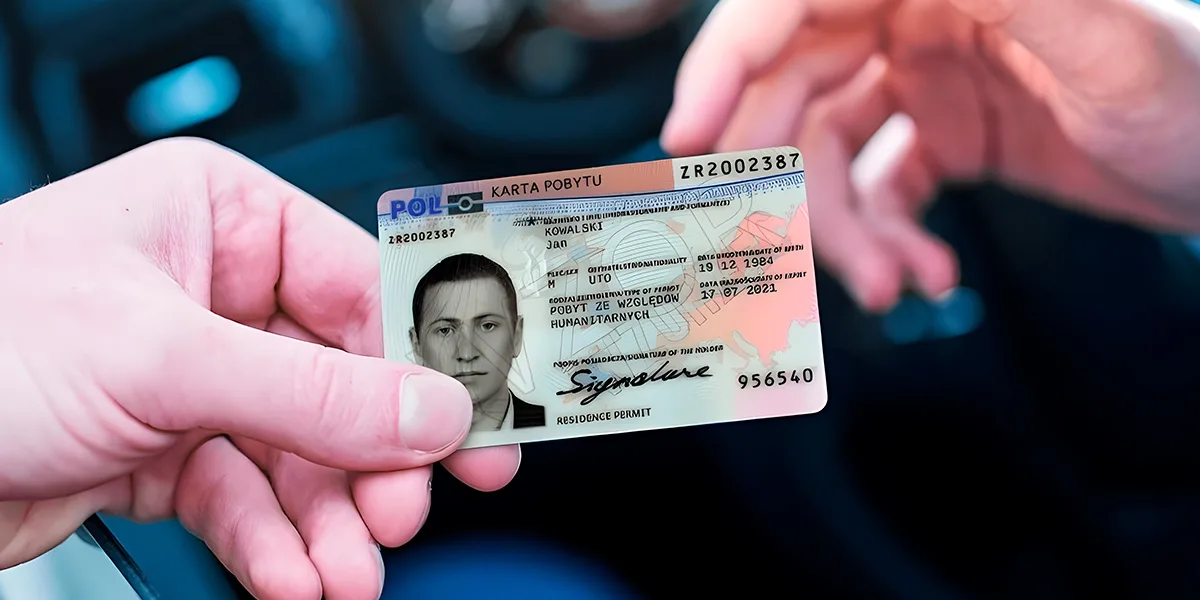
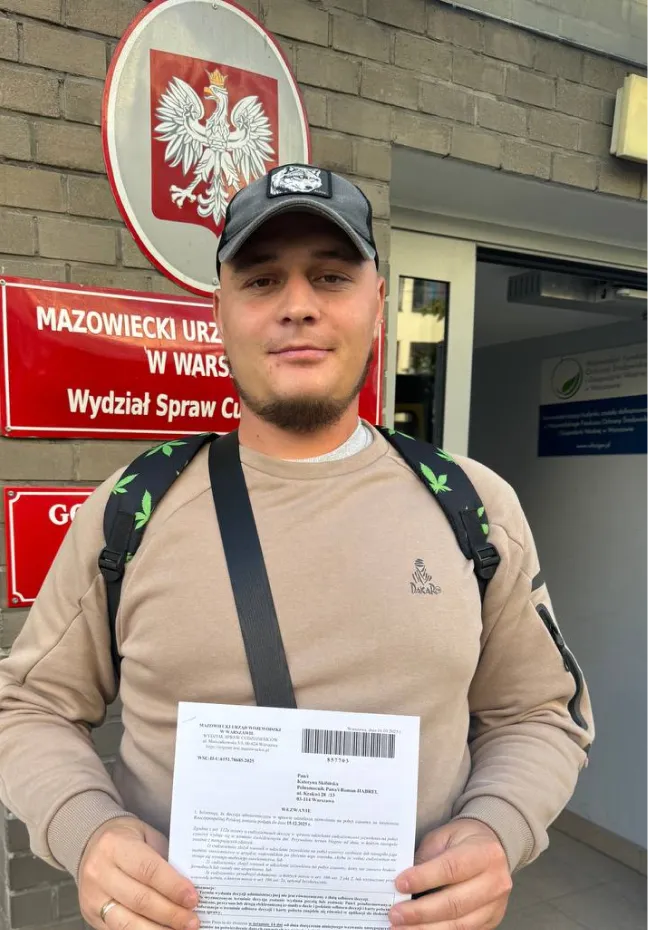
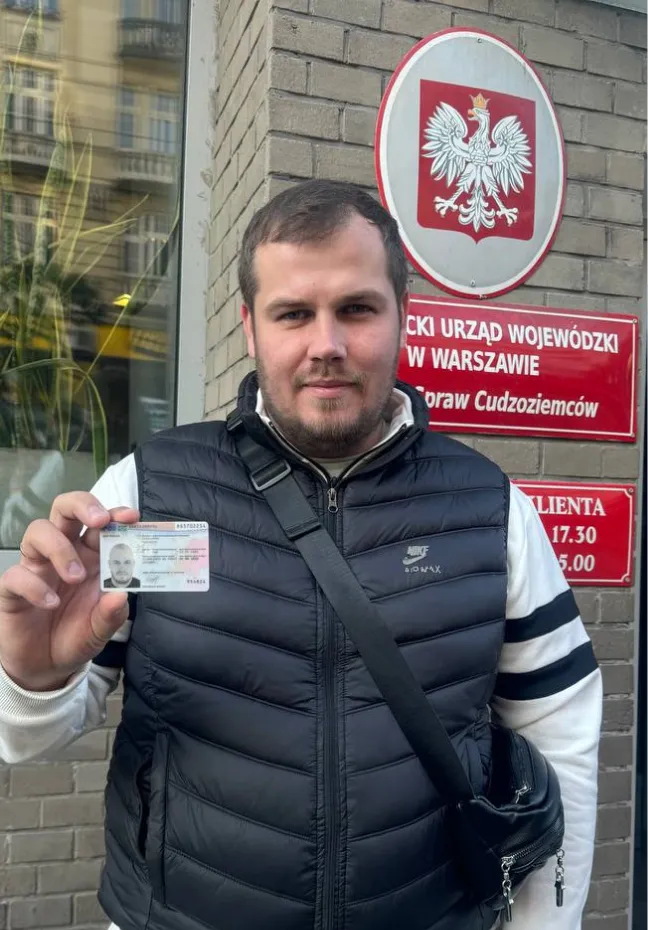
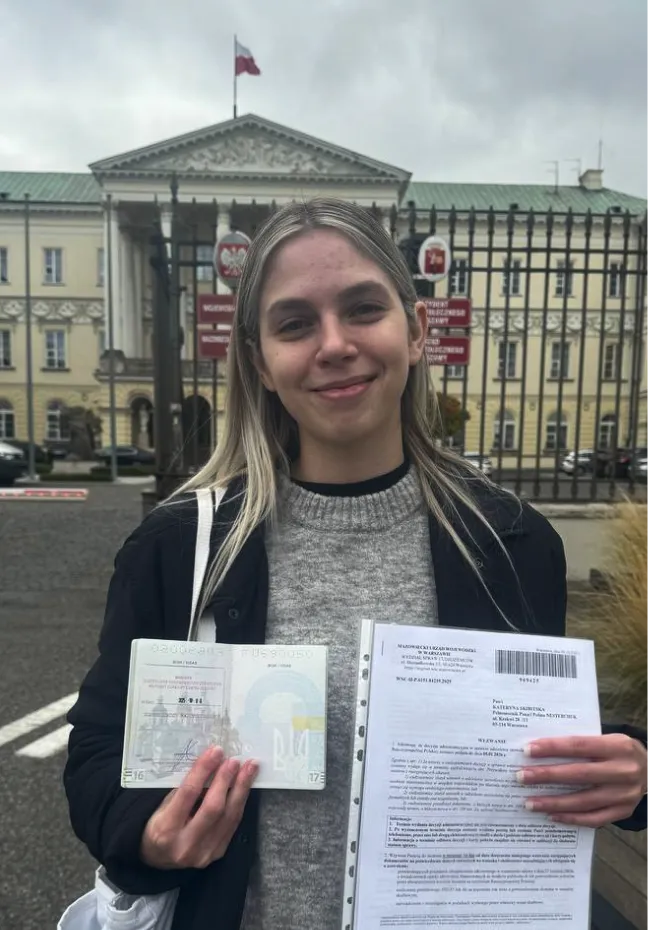
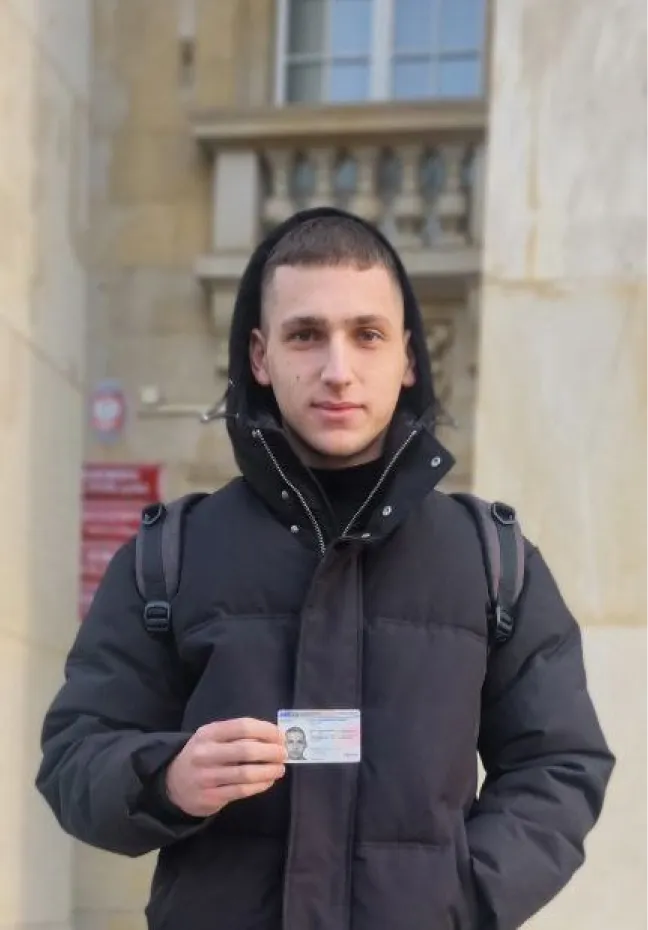
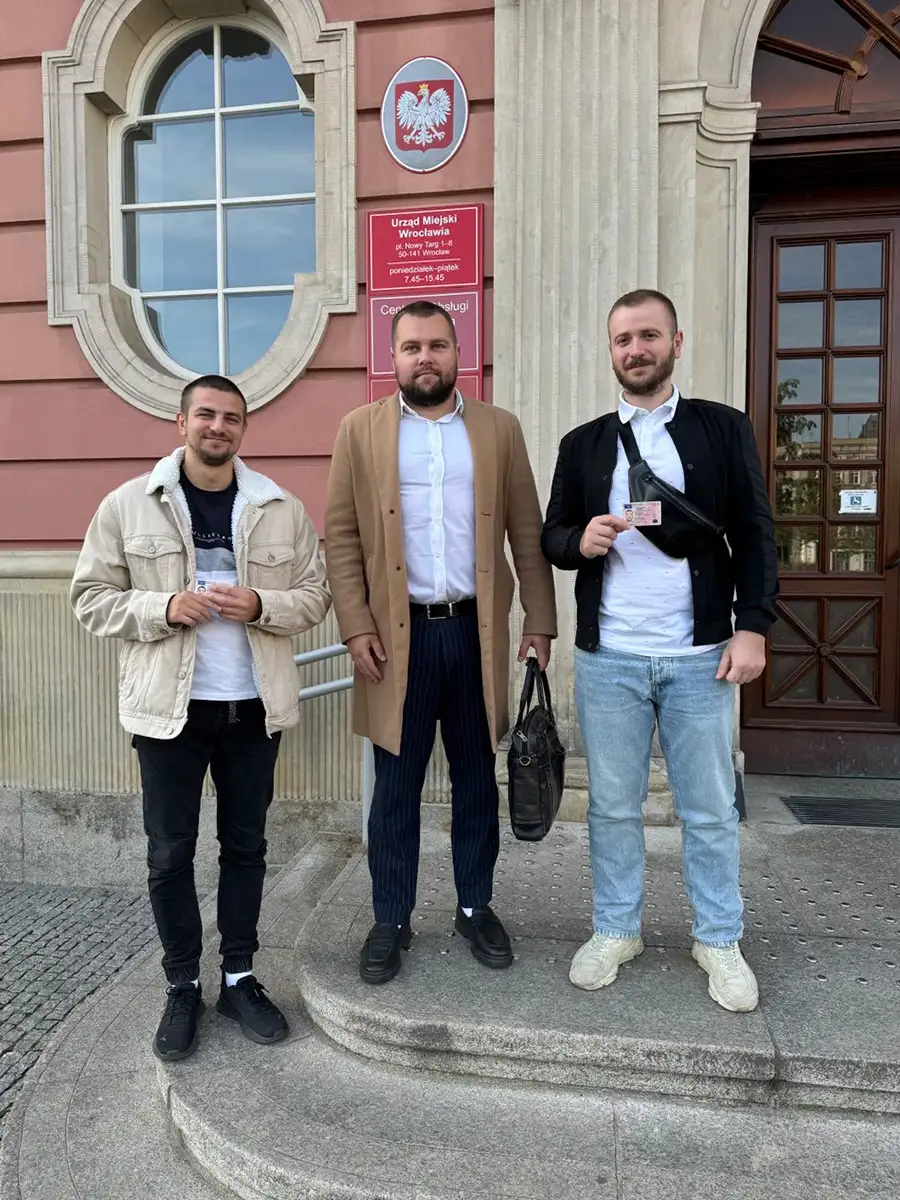
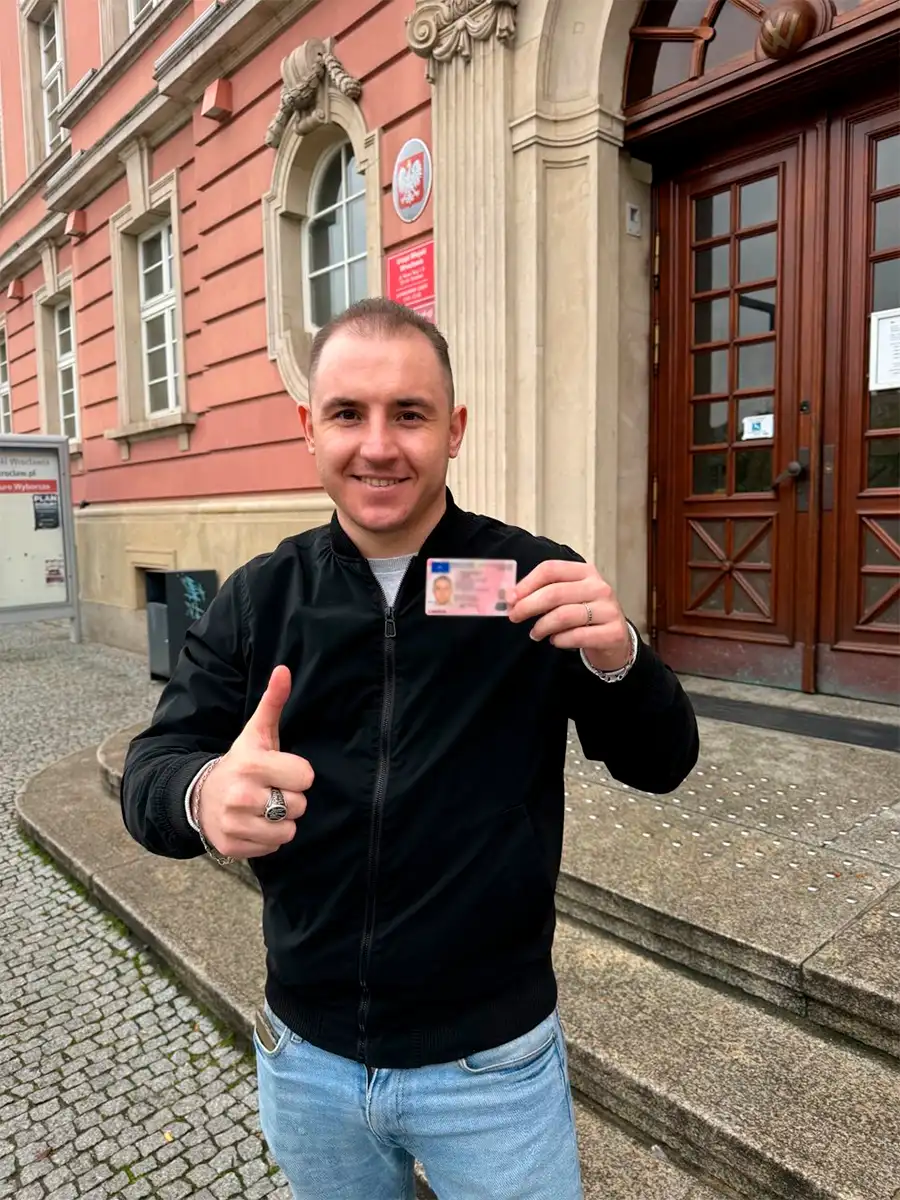
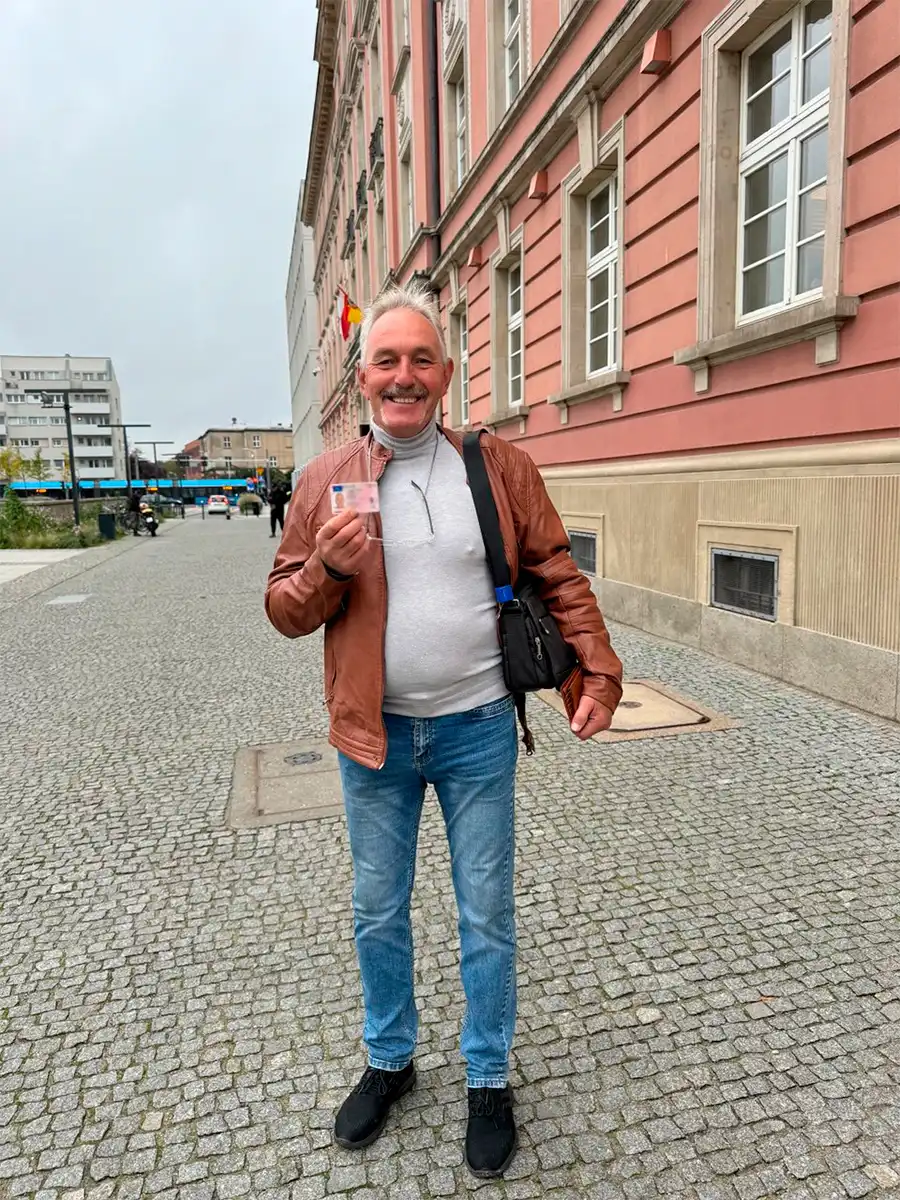
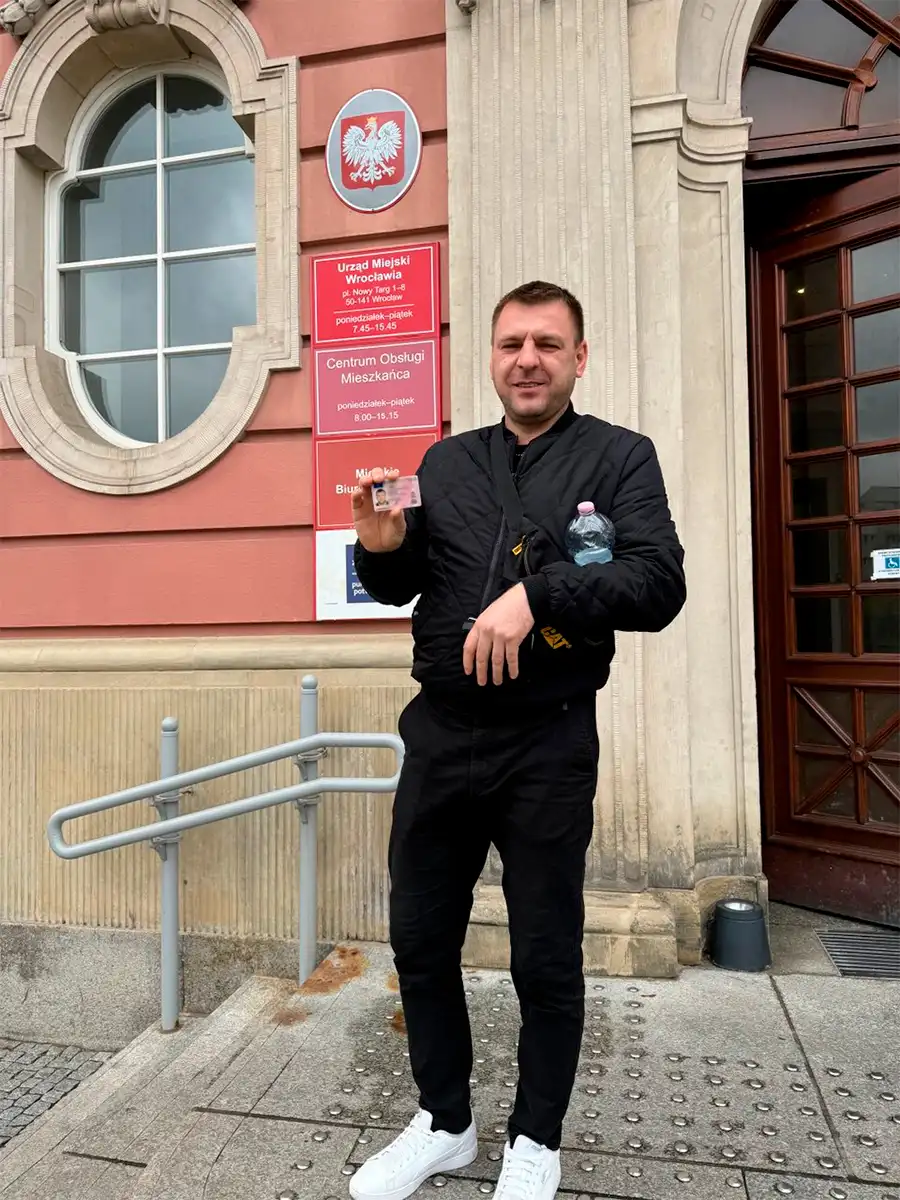
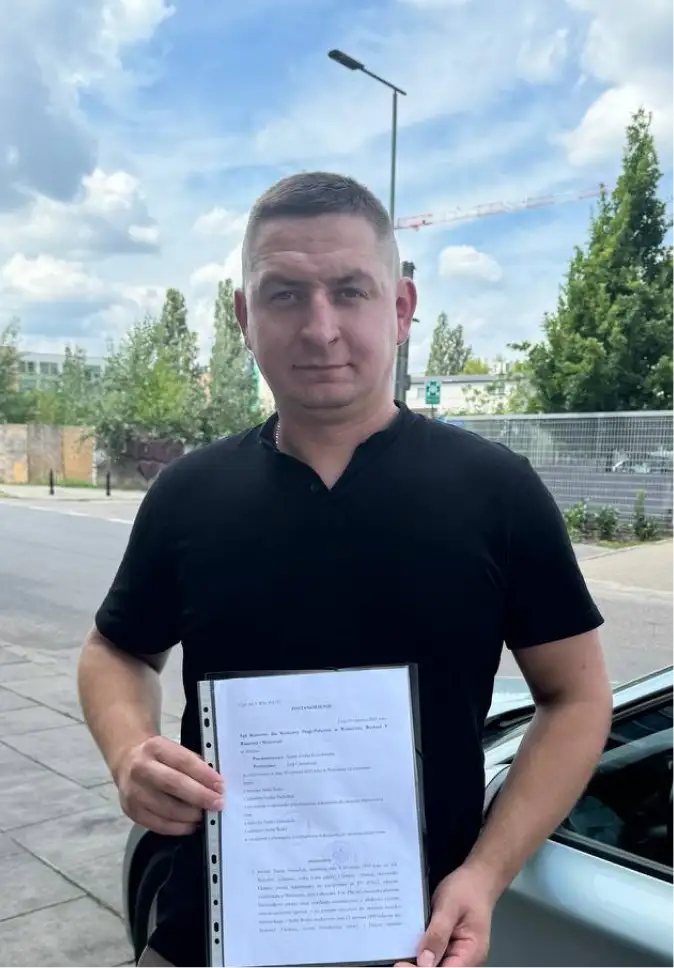
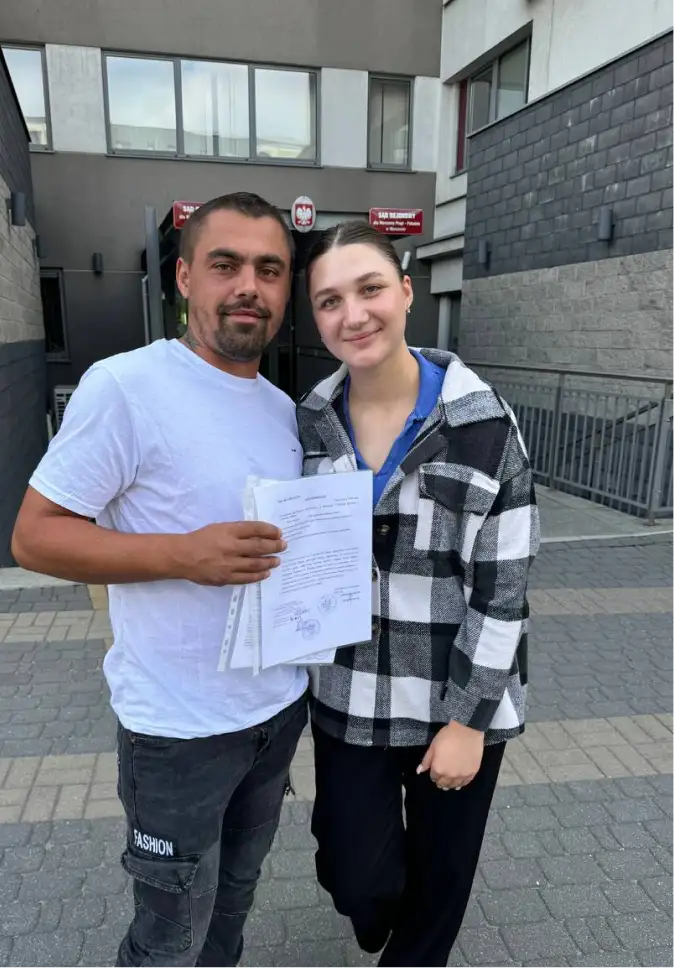
A client came to us after spending four months trying to resolve a residence card rejection on their own. The original issue was straightforward — a missed employer change notification. By the time they reached us, the appeal window had nearly closed. The case was salvageable, but only just. It didn’t have to go that far. Most immigration problems in Poland don’t require a courtroom — they require the right specialist, contacted at the right time.
Immigration Lawyer, Consultant, Agent — What’s the Actual Difference
These terms get used interchangeably — they shouldn’t be. The difference matters when you’re choosing who to call.
An immigration lawyer holds a legal qualification and specialises in migration law. They can represent you in court, file formal appeals against Urząd decisions, and challenge rulings from the Urząd do Spraw Cudzoziemców. You need one for contested cases — refusals, deportation proceedings, card cancellations.
An immigration consultant has deep practical knowledge of Polish immigration procedures. They help determine the right legal ground, prepare and check documents, file applications, and guide clients through the Urząd process. The majority of routine immigration matters — first cards, renewals, family reunification, work permits — are resolved at this level, without a lawyer.
An immigration agent typically handles specific document types or procedures, often with less breadth. Useful for narrow tasks, but rarely provides end-to-end case management.

When a Consultant Is Enough — and When You Need a Lawyer?
Most people either over-invest in legal help they don’t need, or under-invest precisely when they do. Here’s a practical split.
A consultant handles:
- First or second residence card — ground selection, documents, submission
- Change of legal ground
- Residence cards for family members and children
- PESEL registration, work permits, employer changes
- Preparation for Urząd interviews
- Responses to Urząd requests for additional documents
A lawyer is needed when:
- You’ve received a written refusal and want to appeal
- Deportation proceedings have been opened
- The Urząd has issued a card cancellation decision
- The situation involves criminal proceedings or legal violations
- Representation before the Voivodeship Administrative Court is required
What Working With an Immigration Specialist Actually Looks Like
Many people picture it as “hand over documents and wait.” In practice, a good immigration specialist does considerably more.
The first consultation maps the full picture: current status, legal ground, timelines, risks. For immigration to Poland from Ukraine, this is especially important — most people arrive with a combination of PESEL UKR, temporary protection status, and possibly grounds for a residence card already in play. These need to be assessed together, not in isolation.
Next comes ground selection. This isn’t always obvious: sometimes two or three grounds are available, and the choice affects card duration, work rights, and family reunification eligibility. The specialist analyses the options and recommends the most advantageous path.
Then document preparation — not a checklist handed over, but a review of every document: validity, compliance with requirements, translation quality, apostille where needed.
Finally, case follow-through: Urząd appointment booking, responses to queries, status tracking.
Situations That Bring People to an Immigration Specialist
From our caseload at VisaV.pl, most enquiries aren’t first-time applications — they’re problems that developed because specialist advice wasn’t sought earlier.
The most common situations:
- Residence card expiring with no clear plan. People often come 2–3 weeks before expiry, when the process should have started 3–4 months earlier. Full guidance on this is on our residence card expiring in Poland page.
- PESEL UKR lost or cancelled. A stressful situation with no obvious next step. Details on how to handle it are on our PESEL UKR lost page.
- Unexplained Urząd refusal. Decision arrived, reasons unclear, deadline ticking.
- Life circumstances changed — divorce, job loss, employer switch. The original legal ground is gone or has shifted, and a replacement needs to be found quickly.
- Need for in-person legal help in a specific city. For example, legal assistance in Wrocław for foreigners — with direct knowledge of how the local Urząd operates.
How To Choose an Immigration Consultant or Lawyer in Poland?
The market for immigration services in Poland is large — and quality varies significantly. Key things to look for:
- Specialisation. A general lawyer and an immigration lawyer are different professionals. You want someone who works with Polish migration law daily and knows current Urząd practice in specific voivodeships.
- Honesty. A good specialist tells you what’s realistic and what isn’t. “Guaranteed results” is a red flag — no one can guarantee a government decision.
- Communication. You should always know what’s happening with your case. A specialist who doesn’t respond to messages is not an option.
- Relevant experience. General experience is good; specific experience with your type of situation is better. Ask whether they’ve handled similar cases.
- Language. For Ukrainian speakers, working in your own language matters — immigration law involves nuances that are hard to convey through a language barrier.
Why Earlier Is Always Better Than Later?
This comes down to economics — of money, time, and stress. A consultation at the start of the process costs a fraction of what it takes to fix a refused application.
Two scenarios. A person files documents independently, receives a refusal, spends weeks finding a lawyer, files an appeal, waits for the appeal decision — total process: 6–9 months, significantly higher cost. Or: a person books a consultation, gets the right ground and a complete document package, files the application — residence card in hand within 2–3 months.
The difference isn’t that specialists work magic. It’s that knowing current Urząd practice and procedure eliminates the most common failure points before they become problems.