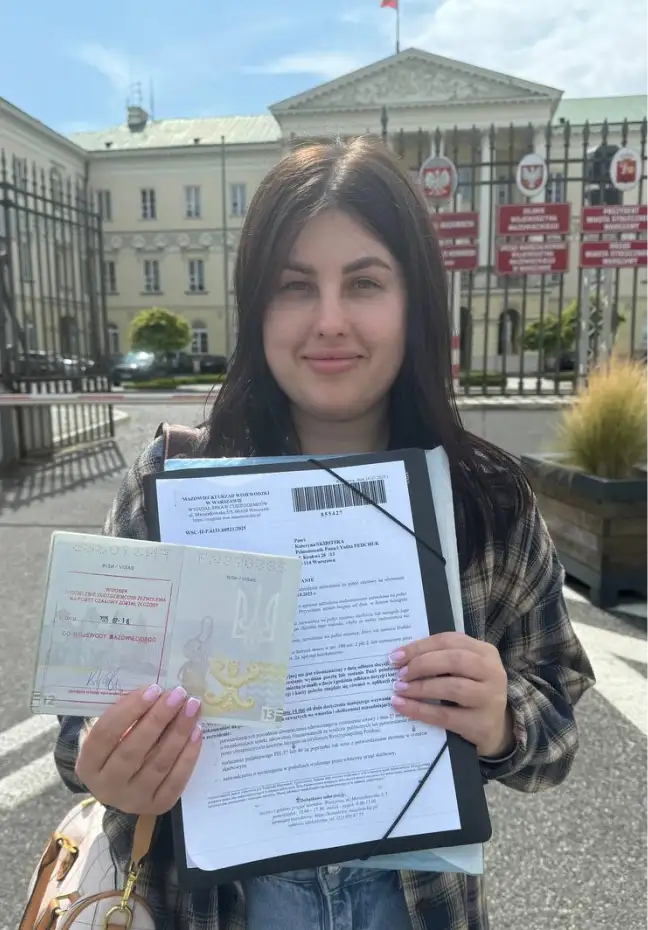
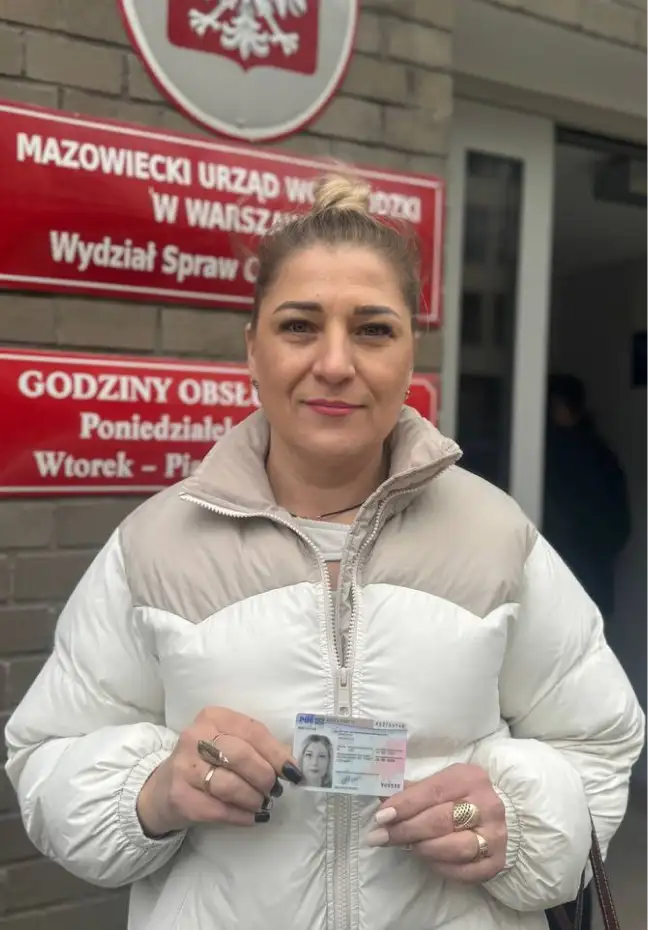
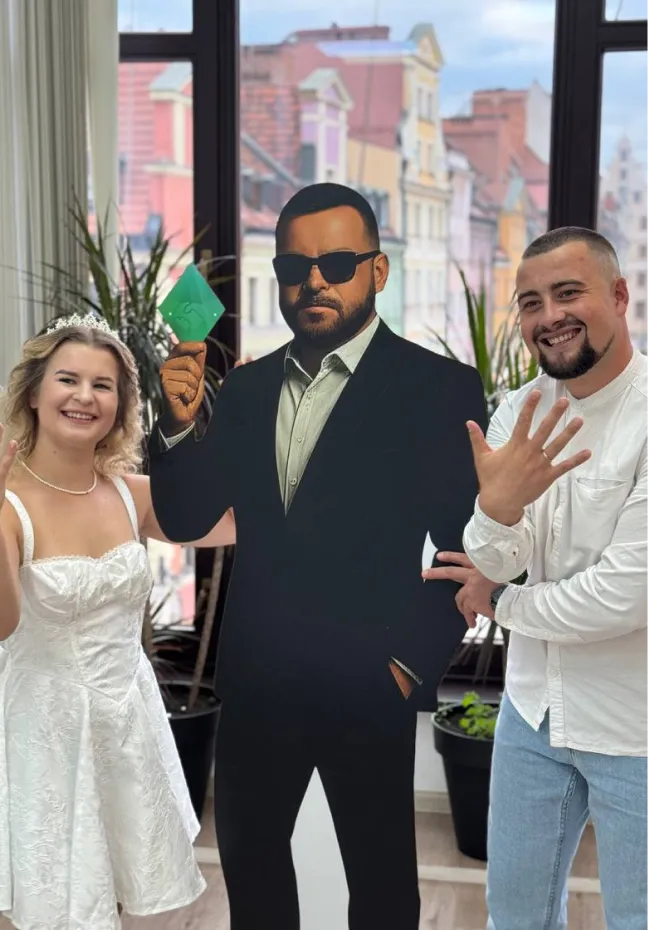
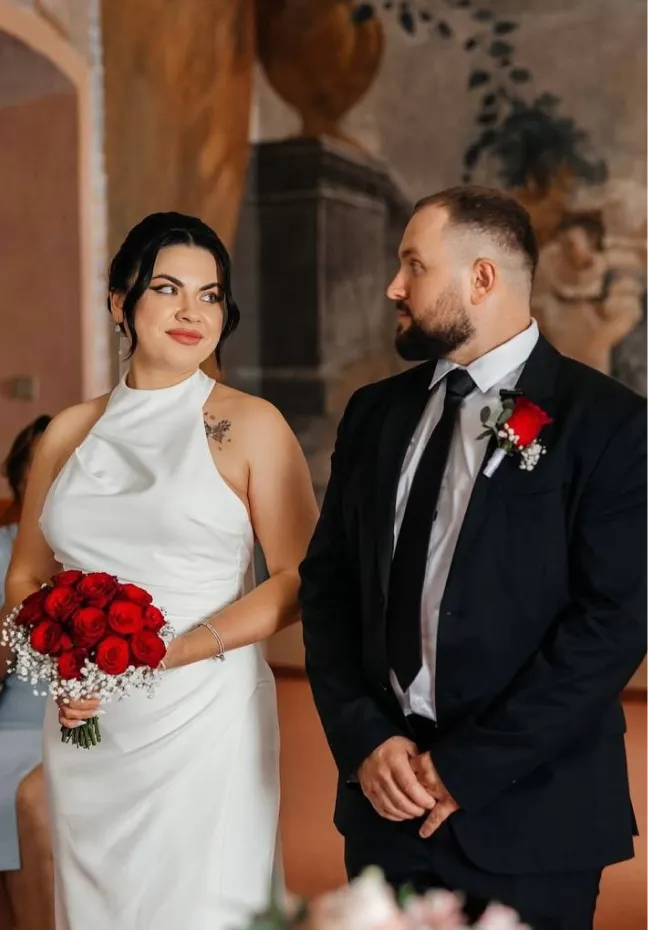
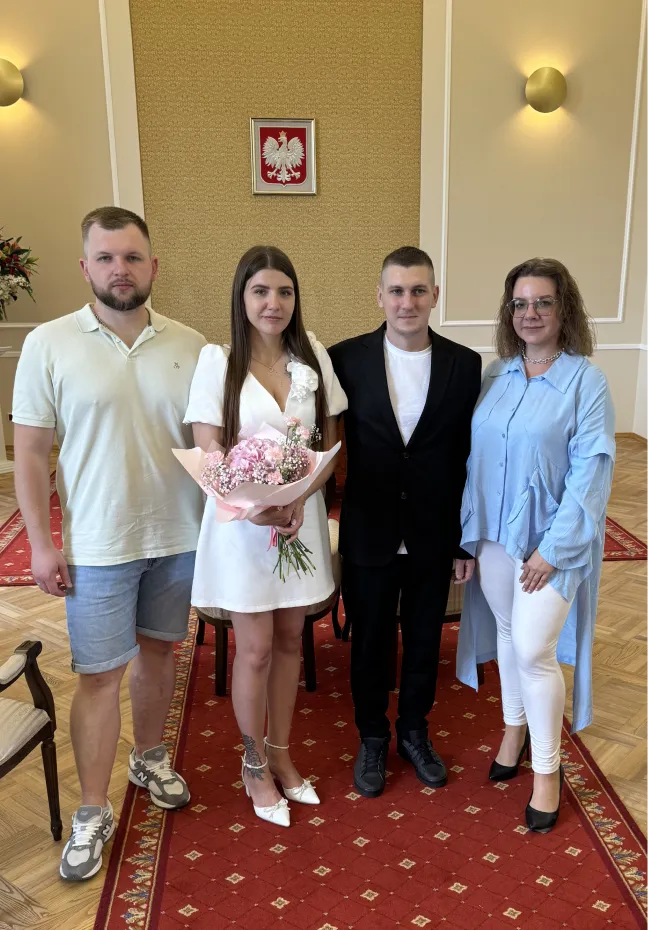
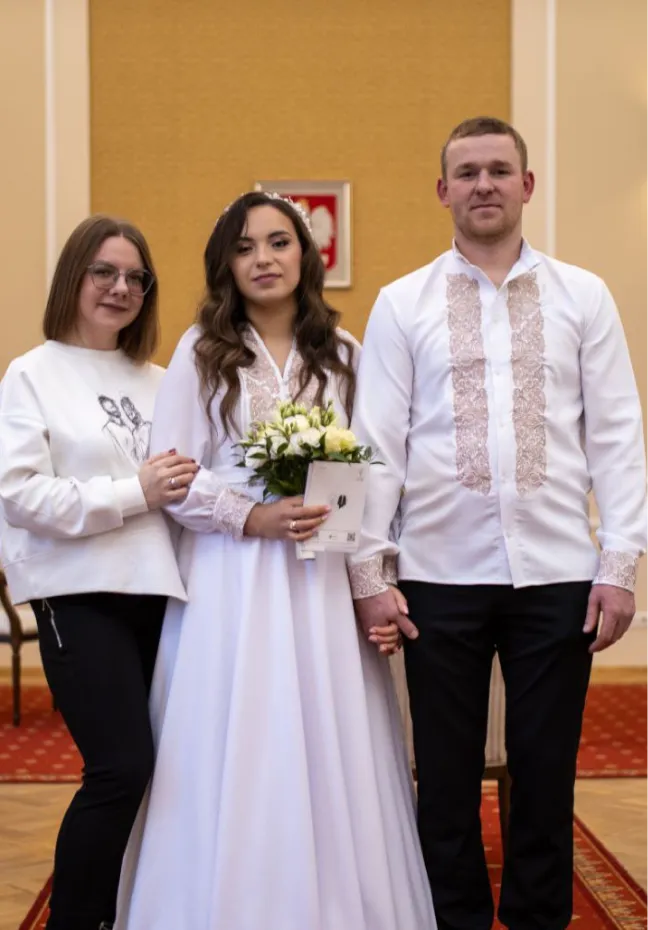
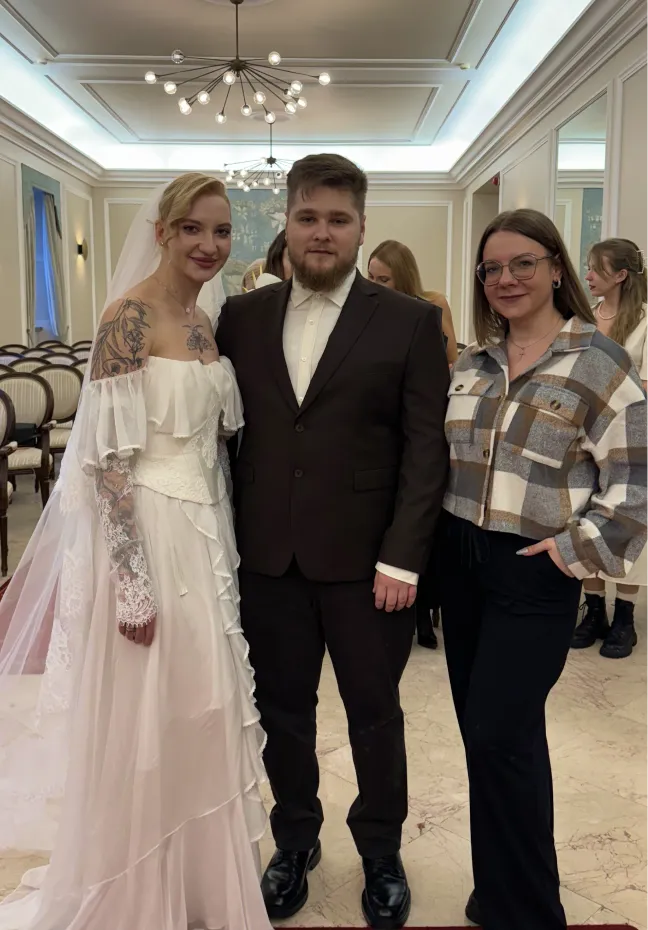
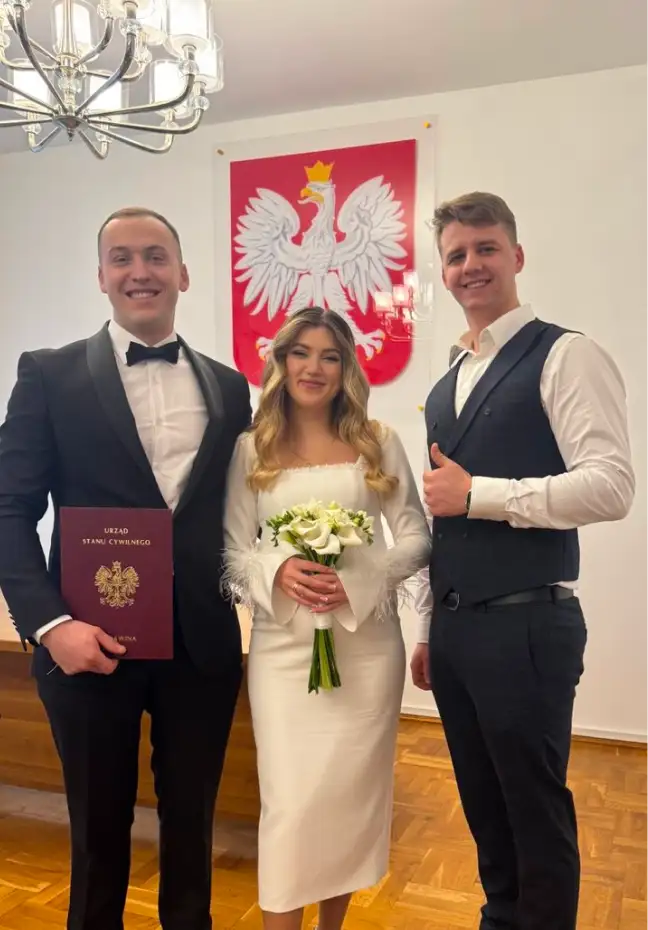
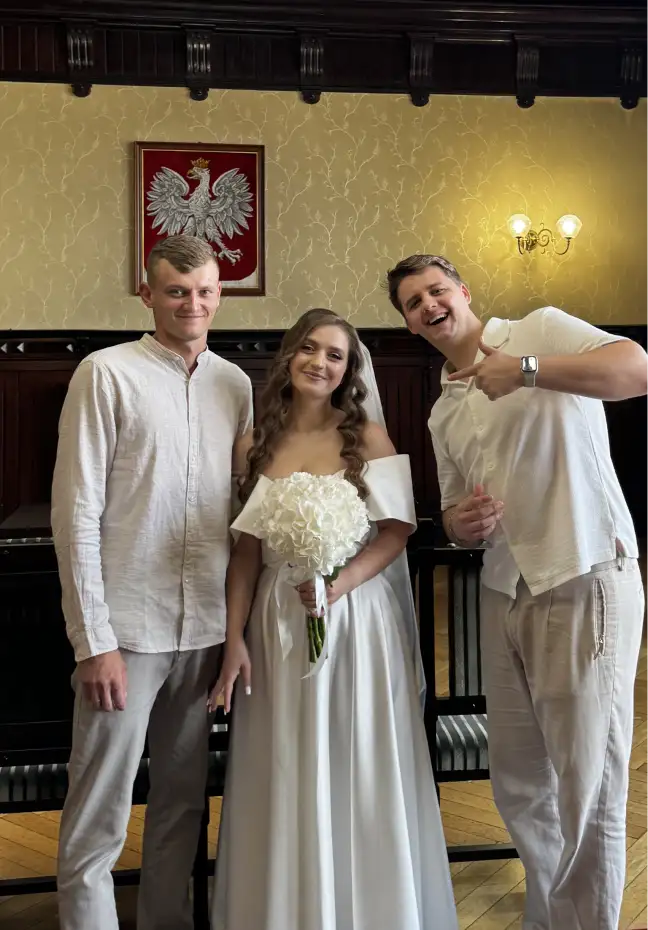
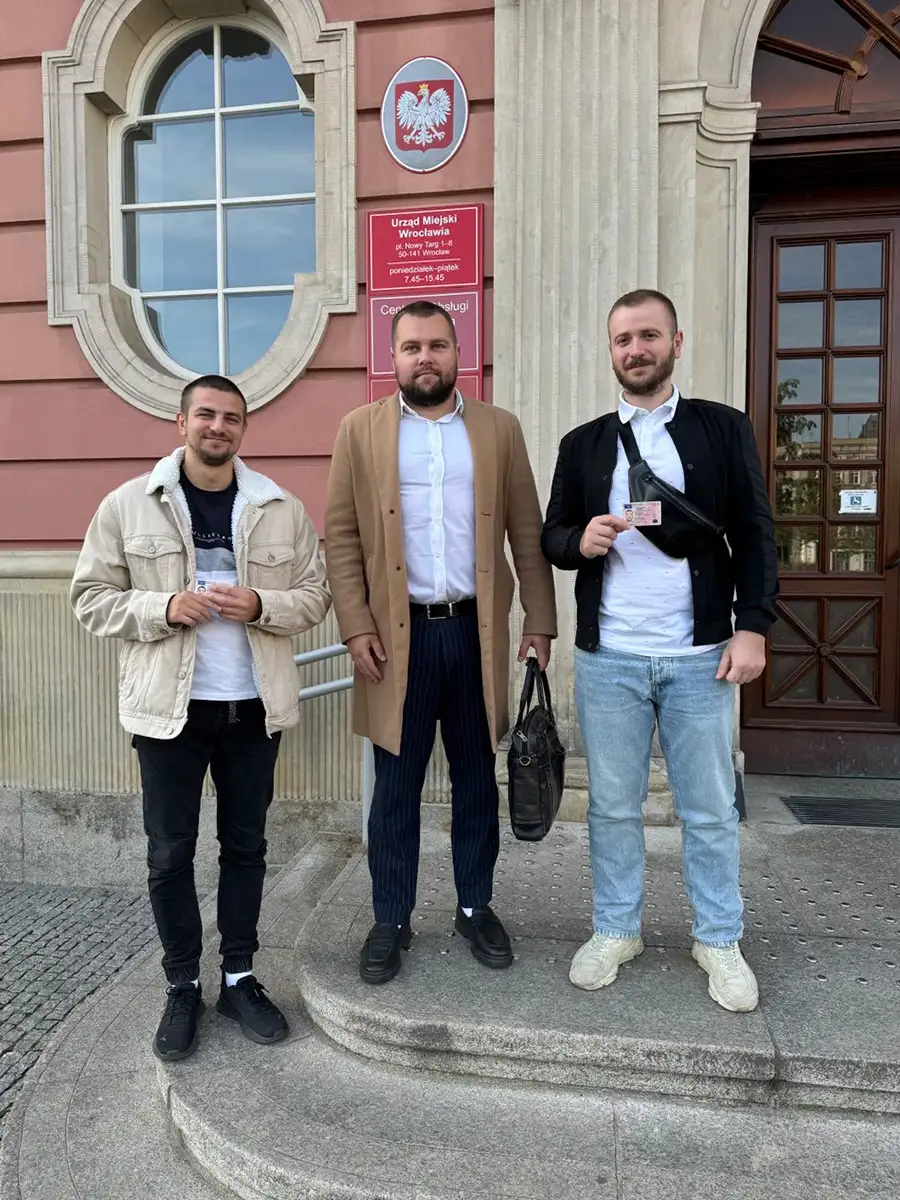
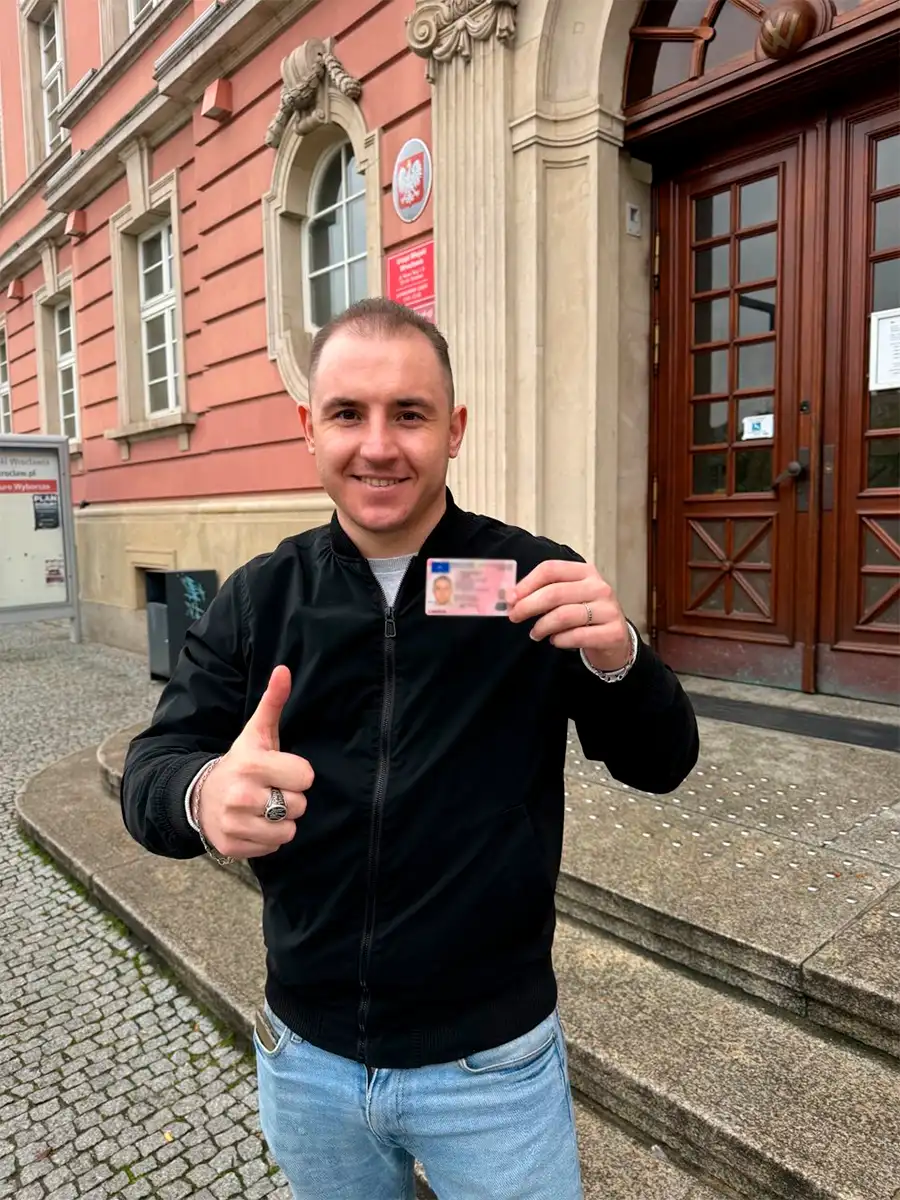
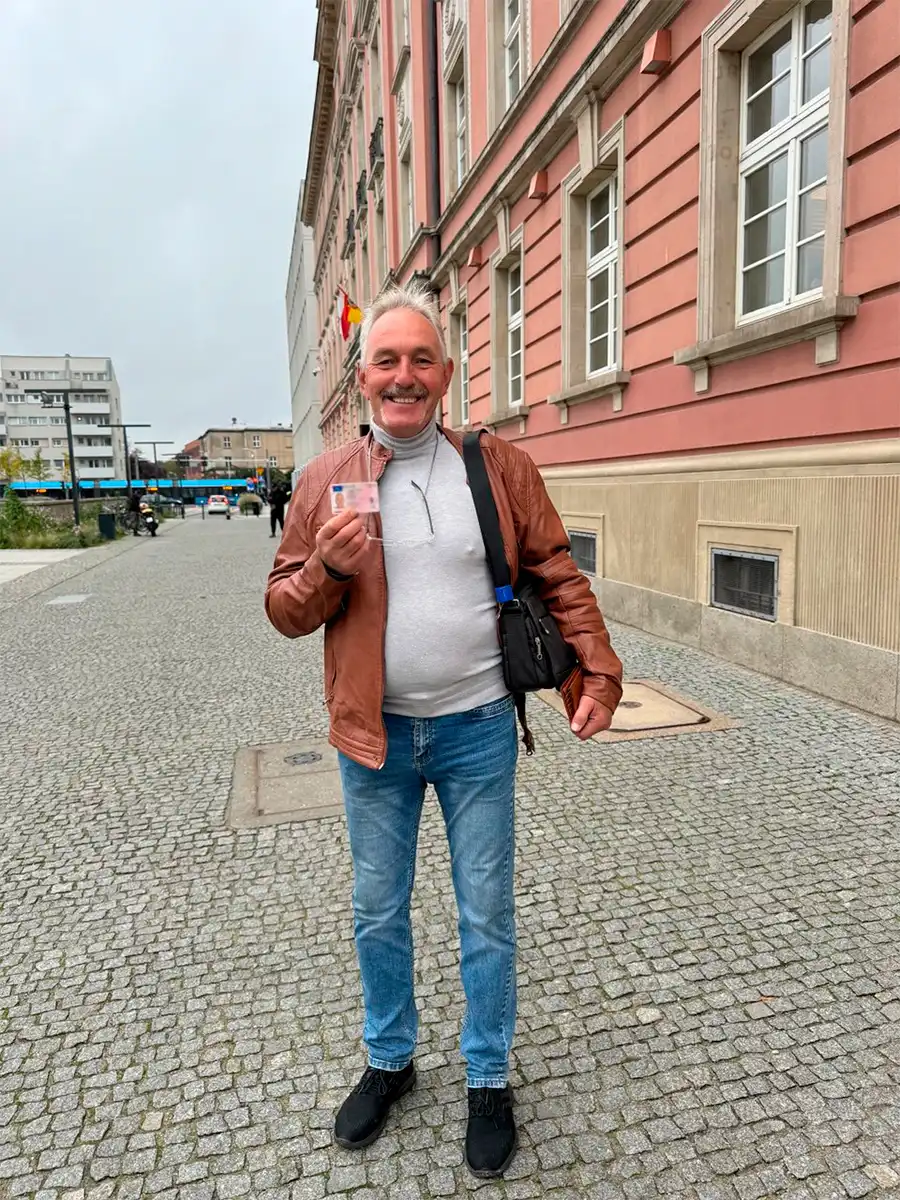
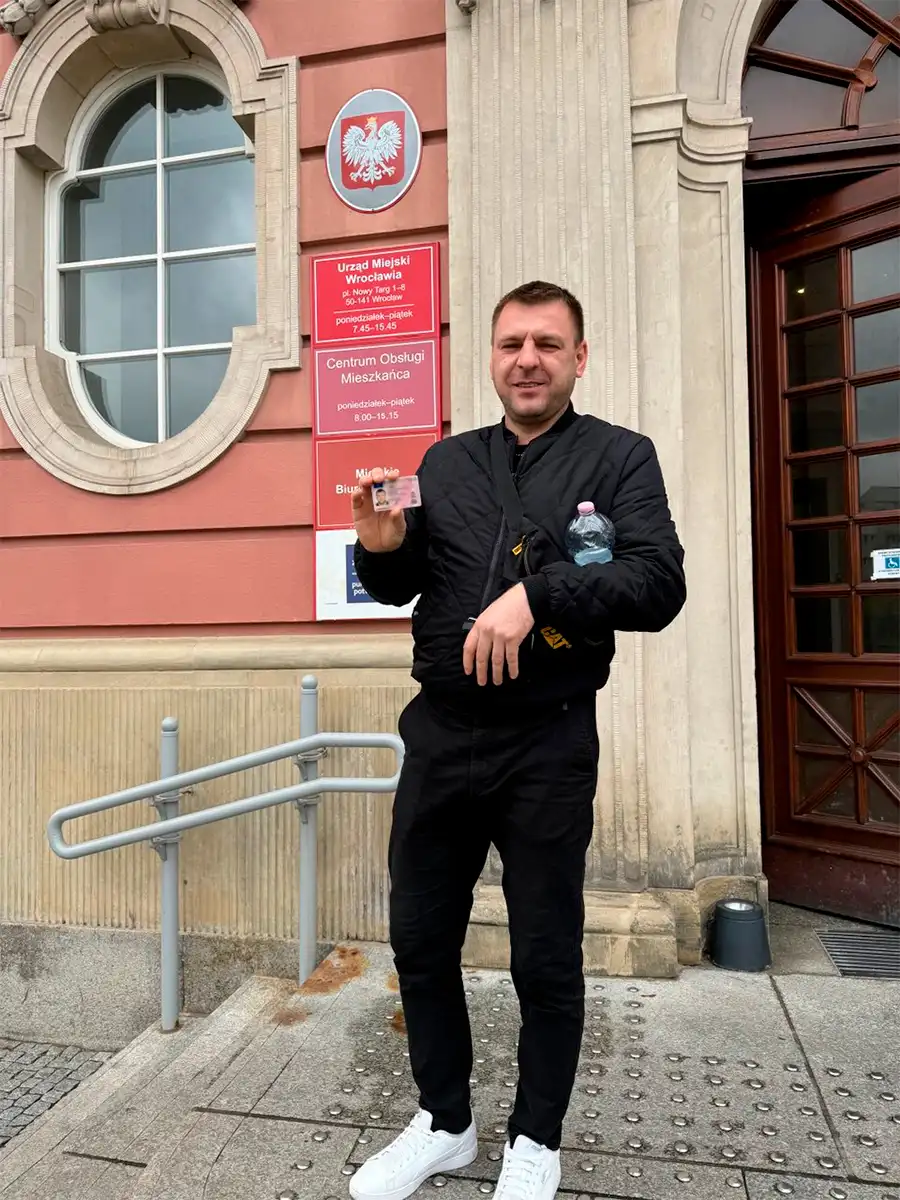
Legalizing the stay of foreigners who marry a Polish citizen is one of the most common topics in requests from Ukrainians and other foreigners. And it’s logical: marriage is not only a family story, but also a legal fact that opens a separate path to a residence card, and over time — to permanent residence and even Polish citizenship.
At the same time, this topic has two “sides.” On the one hand, there are genuine couples who build a family and want to live together in Poland. On the other, there are attempts to use marriage as a quick way to legalize one’s stay without real family life. Polish authorities understand this, so checks in such cases may be much more thorough than in many other legalization routes.
In this article, we explain everything as practically as possible: how legalization based on marriage to a Polish citizen differs from “family reunification,” what stages a foreigner goes through, what documents are needed for a temporary residence card based on marriage, how the “genuineness” of the relationship is proven, when you can apply for a permanent residence card, and under what conditions you can realistically qualify for citizenship later on.
Legal Basics: What You Should Understand Right Away
To avoid confusion, let’s fix a few key points. First, legalization based on marriage to a Polish citizen is a separate route that differs from other ways of obtaining temporary residence (work, study, business, etc.). The logic of evidence is different here, and the voivodeship office often approaches verification differently as well.
Second, you should not mix this route with the łączenie rodzin (family reunification) procedure. Family reunification most often applies when both spouses are foreigners and one already has legal residence in Poland and “brings” the other. Marriage to a Polish citizen is a different legal scenario, and the document package is different too.
Third, we are talking only about a legal marriage that is recognized by the Polish state. A common language trap appears here: in Poland, the term “małżeństwo cywilne” means an officially registered marriage without a church ceremony (i.e., registration at the USC). In many post-Soviet countries, “civil marriage” often refers to living together without registration — this format does not automatically provide grounds for a residence card. For cohabitation (concubinage), there are other approaches, and that is a separate topic.
Legalization Through Marriage to a Polish Citizen: A Complete “Roadmap”
The easiest way to look at legalization is as a sequence of stages. In real life, you may have already completed some steps — for example, you are already married or you are already in Poland. But the structure is still useful: it shows what comes “after what” and where risks most often arise.
- Concluding a marriage that is recognized by Poland.
- Lawful entry into / lawful stay in Poland.
- Applying for a temporary residence card based on marriage.
- Applying for a permanent residence card (permanent residence) under the rules for spouses of Polish citizens.
- If needed — obtaining Polish citizenship (if you meet the requirements).
Next, we will break down each stage separately — with practical nuances that are usually “invisible” at the start.
Stage 1. Marriage to a Polish Citizen: Where You Can Get Married and How Recognition Works
A marriage between a foreigner and a Polish citizen can be concluded either in Poland (through the USC) or abroad. If the marriage was concluded outside Poland, it usually requires entering the marriage record into Polish registers (transcription/registration of the civil status act) — simply put, Poland must “see” your marriage in its system. This is done documentarily and does not mean having a second wedding.
Also consider a practical nuance related to documents when changing a surname. In many situations, after a surname change there is a period when some documents are still issued in the old surname. It is important to plan this correctly so it does not cause problems when applying for residence, dealing with a bank, or crossing the border.
If you are only planning to get married and want to avoid unnecessary bureaucracy and waiting, it can sometimes make sense to first assess the format of marriage that will be easiest to confirm and use for legalization. During a consultation, VisaV.pl will tell you exactly which documents you need for your specific case and how to prepare without extra expenses.
Stage 2. Entry and Lawful Stay: Why a “Marriage Visa” Is Not Always Simple
Many couples think logically: if the marriage already exists, there should be a “direct marriage visa.” In practice, the entry question can indeed be ambiguous, because a consulate’s decision often depends on the grounds, the document package, and an individual assessment.
That is why we almost always advise acting pragmatically: choosing a reliable legal way to enter (if you have visa-free travel — this may be the simplest option; study, work, and other legal grounds may also be possible) and then, once in Poland, properly starting the procedure for a marriage-based residence card.
Why is this important? Because applying for temporary residence in most cases requires submitting documents in person on the territory of Poland. So the strategy “enter legally first — apply after” is often the calmest and least risky.

Stage 3. Temporary Residence Card Based on Marriage to a Polish Citizen: How to Apply and What Documents Are Needed
A marriage recognized by Poland to a Polish citizen is grounds for obtaining a temporary residence permit (karta czasowego pobytu) — usually for up to 3 years. Here is the first critical point: the applicant must submit the documents in person, which means they must already be staying in Poland legally.
If the marriage has not yet been concluded but is planned, and your legal stay expires earlier — in certain situations the submission can be planned properly so you do not end up “without status.” After submitting and receiving a stamp in your passport, you are usually staying in Poland legally while your case is being processed (provided the submission was done correctly). After the marriage is concluded, it is important to provide additional documents so the grounds are officially confirmed.
A typical document package (may vary depending on the voivodeship and the specific case) includes:
- an application form for temporary residence (usually in 2 copies);
- current photos 45×35 mm;
- a passport + copies of pages with stamps/entries;
- proof of payment of the state fee for case processing;
- a marriage certificate (recognized in Poland) and a copy of the Polish spouse’s ID (dowód osobisty);
- evidence of living together and running a common household (one of the key blocks).
An important nuance: documents in a foreign language usually require a sworn translation into Polish, and civil status documents may require an apostille/legalization — depending on the country of issuance.
How the “Genuineness” of a Marriage Is Proven: Checks and Typical Questions
Polish authorities have the right to verify whether a marriage is not fictitious. For genuine couples, this should not sound frightening — but it is important to be prepared that the office may request additional documents, ask clarifying questions, or verify factual circumstances.
Most often, the office pays attention to:
- whether the spouses live together and run a shared household;
- whether both parties know basic information about each other (data, story of how you met, family details);
- whether there are shared financial or бытовые “traces” (lease, bills, shared expenses);
- whether there are “suspicious” factors in the history (for example, repeated marriages with foreigners specifically for legalization).
As evidence, people typically use: a joint lease or ownership rights to housing, joint accounts/transfers, photos from different periods, tickets and trips, shared events with family, medical insurance, subscriptions, correspondence (within reason), documents confirming cohabitation, etc.
VisaV.pl helps you collect evidence systematically so it looks logical and convincing, without chaos and “paper spam.” We also prepare you for typical questions and advise which documents really carry weight in your situation.
Processing Times and What Happens After a Positive Decision
There are formal processing time limits in the law, but in practice, in many voivodeships cases are processed longer. What matters is this: after a correct submission and receiving the stamp, you are usually staying in Poland legally while the procedure is ongoing (provided your entry/stay was legal).
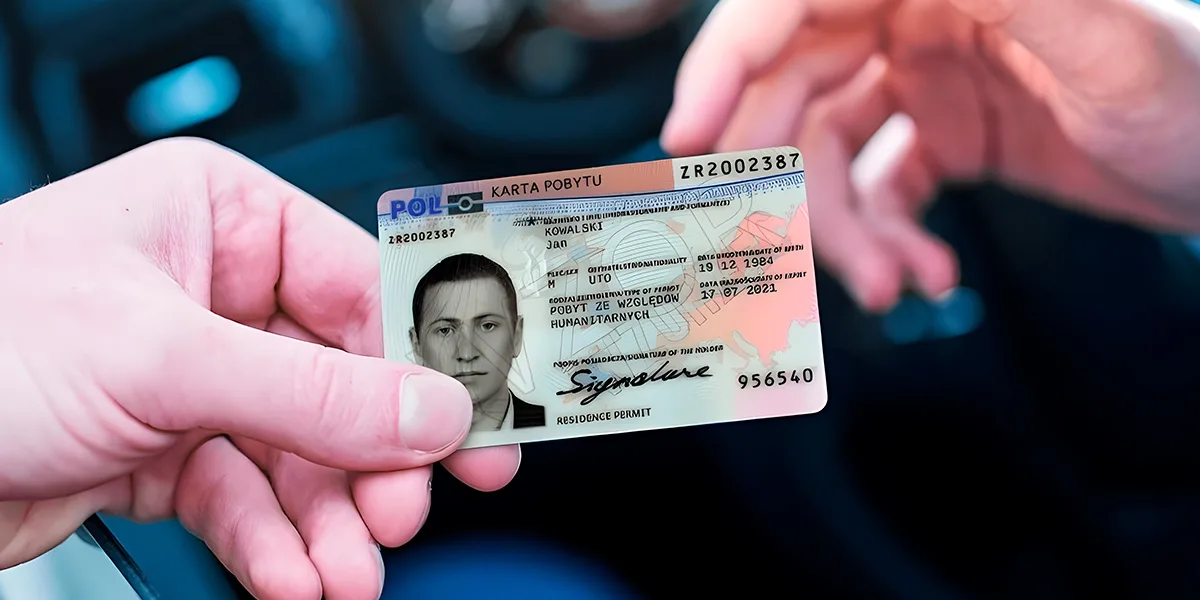
After a positive decision, you pay for producing the plastic card and collect it at the office. The card can be issued for up to 3 years. After that, two paths are possible: extending temporary residence or switching to permanent residence if you already meet the requirements.
Stage 4. Permanent Residence Card Based on Marriage to a Polish Citizen
Permanent residence (karta stałego pobytu) is an indefinite residence status in Poland that, in many rights, is close to citizenship (except, for example, voting rights). There is a separate route for spouses of Polish citizens, but with clear conditions.
Typical key requirements (in general logic):
- the marriage must be recognized in Poland;
- the marriage must last for a certain minimum period before filing (in practice — years, not months);
- at the time of filing, you must have continuous residence in Poland for the required period on the basis of a temporary card obtained specifically through this marriage.
Why it matters: sometimes people have temporary residence on other grounds, then get married and want to “jump” to permanent residence via marriage. Here you need to carefully assess whether the requirement of continuous residence on the right grounds is met. Nuances may differ from case to case.
After obtaining permanent residence, the status is indefinite, but the plastic card itself must be renewed (usually once every 10 years) by submitting a photo and biometrics.
Stage 5. Polish Citizenship After Marriage: What’s Real and What’s a Myth
Marriage to a Polish citizen does not grant citizenship automatically. This is a common myth. But marriage can be part of a route to citizenship if you meet the requirements regarding residence periods, status, and integration.
In general logic, for many cases it is important to:
- be married to a Polish citizen for a certain minimum period;
- have continuous residence in Poland on the appropriate status (often — after obtaining permanent residence);
- confirm knowledge of the Polish language (usually via a certificate) and other requirements applicable to the procedure.
A separate practical nuance: in some situations, for citizenship it is not only the “years” that matter, but also the quality of your residence history — for example, whether you were genuinely integrated, had stable grounds, and whether there were any issues with the law, taxes, etc. That’s why we always recommend building the route in advance, not “when it’s already time to apply.”
Marriage to a Polish Citizen and the Right to Work: What Changes
In many cases, a marriage-based status gives a foreigner broader access to the labor market. But you must always look at the specific document you have (visa, stamp, residence card) and your current rights. For Ukrainian citizens, separate mechanisms apply depending on the grounds of stay, so it is important not to confuse a “general rule” with your specific case.
In practice, this means: if your goal is to work, start a business, or change your form of employment, it’s best to discuss during a consultation how to align your work plans with marriage-based legalization so you don’t create risks for yourself.
Risks of a Fictitious Marriage: Why It’s Almost Always a Bad Idea
We deliberately address this section because many people look for a “simple hack.” In Poland, fictitious marriages are an area of increased attention. Checks may include interviews, analysis of cohabitation, document requests, and sometimes on-site checks.
The worst part here is not even the stress. The worst part is the consequences: refusal of residence, complications in future applications, risks to legal status, and in some situations — legal consequences for the parties. If the goal is legalization, Poland offers many lawful routes (work, study, business, Blue Card, etc.), and it is better to use them than to create a high-risk scenario.
How VisaV.pl Can Help
We provide comprehensive support for marriage-based legalization with a Polish citizen: from analyzing your situation to receiving the card. Our goal is to make the process predictable, with minimal mistakes and maximum logic in the documents.
- grounds analysis and risk assessment (including “marriage verification” risks);
- preparation of the document package, translations, and applications;
- building an evidence base for a genuine marriage without unnecessary “paper noise”;
- support in responding to office requests and case communication;
- route planning: temporary residence → permanent residence → citizenship.