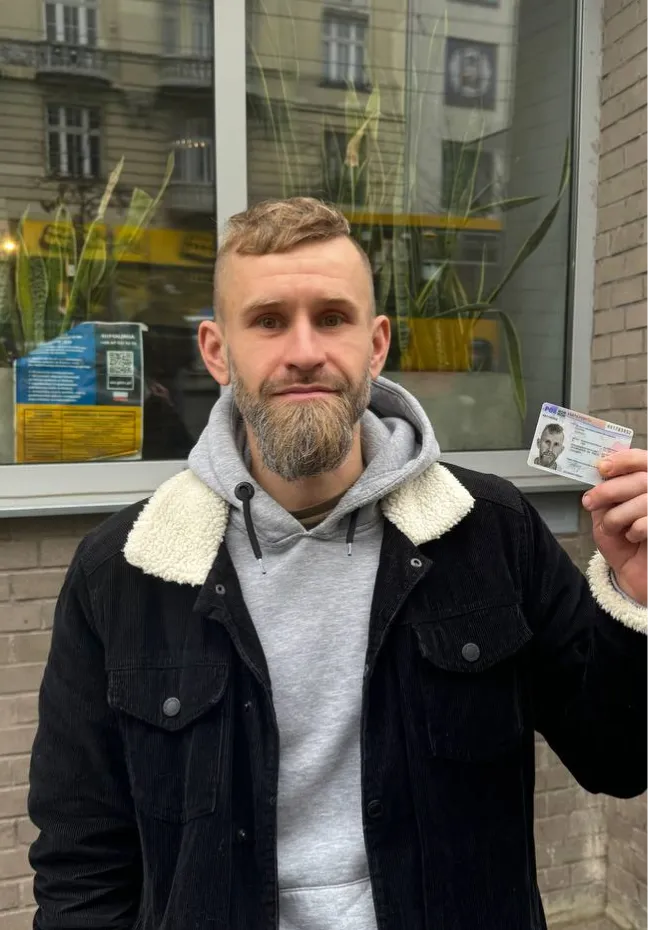
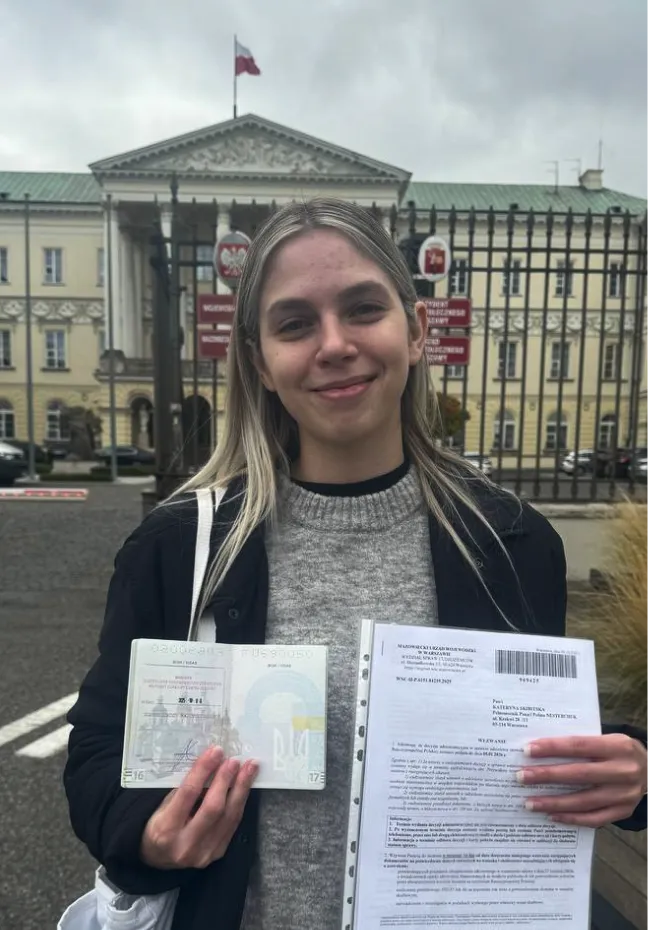
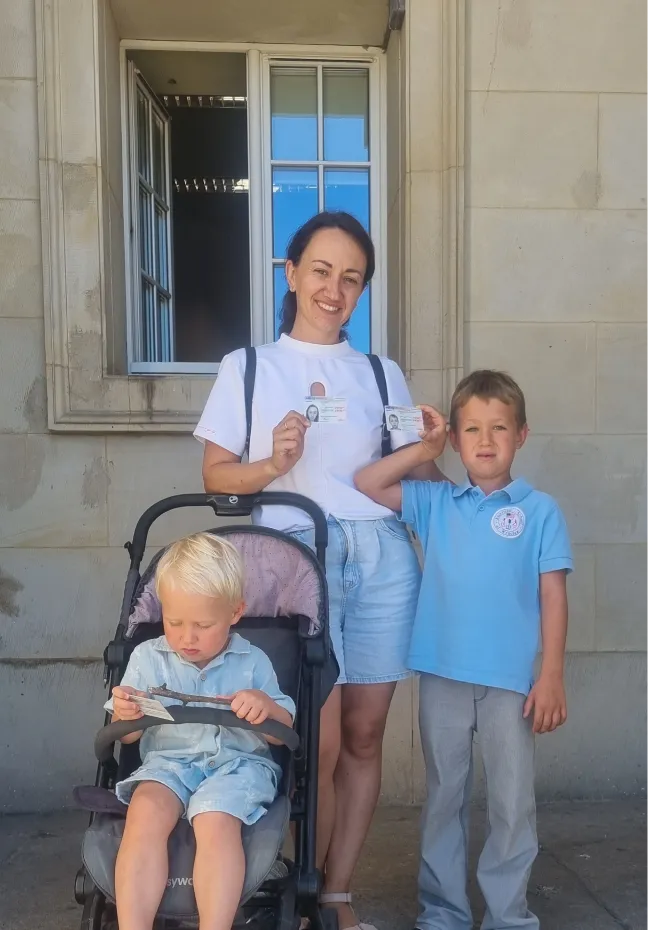
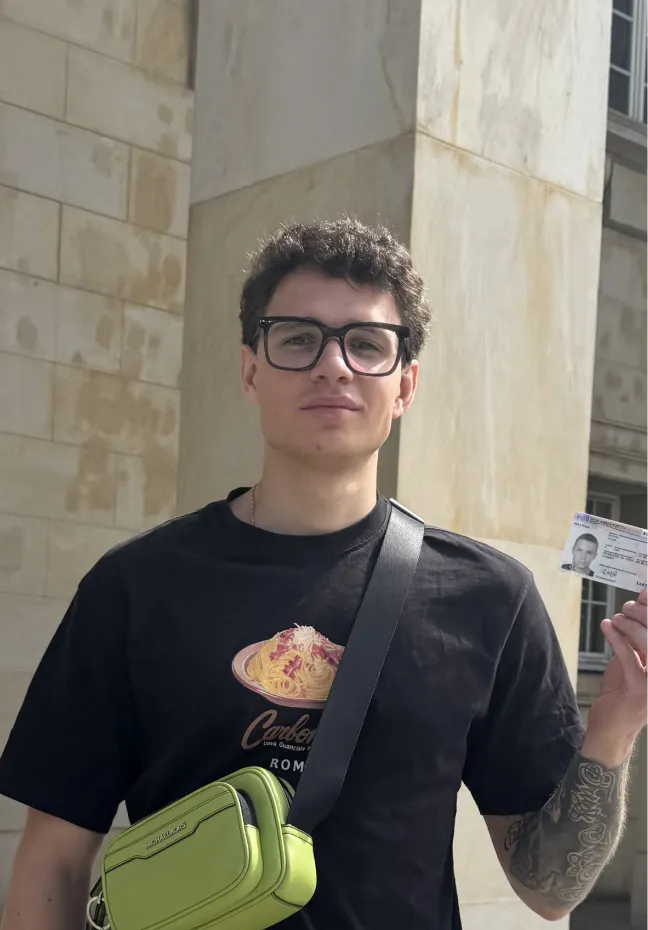
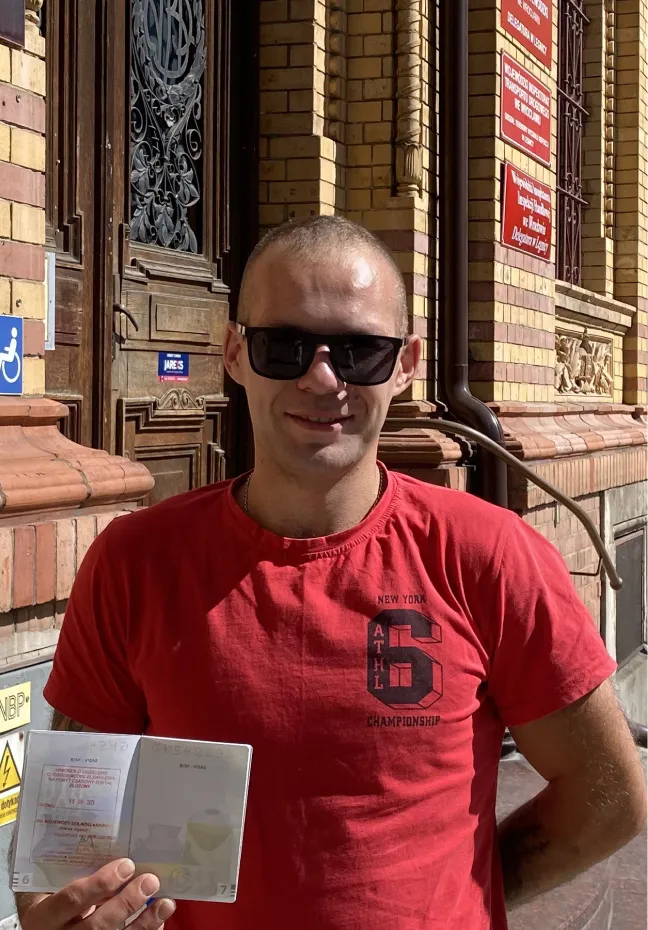
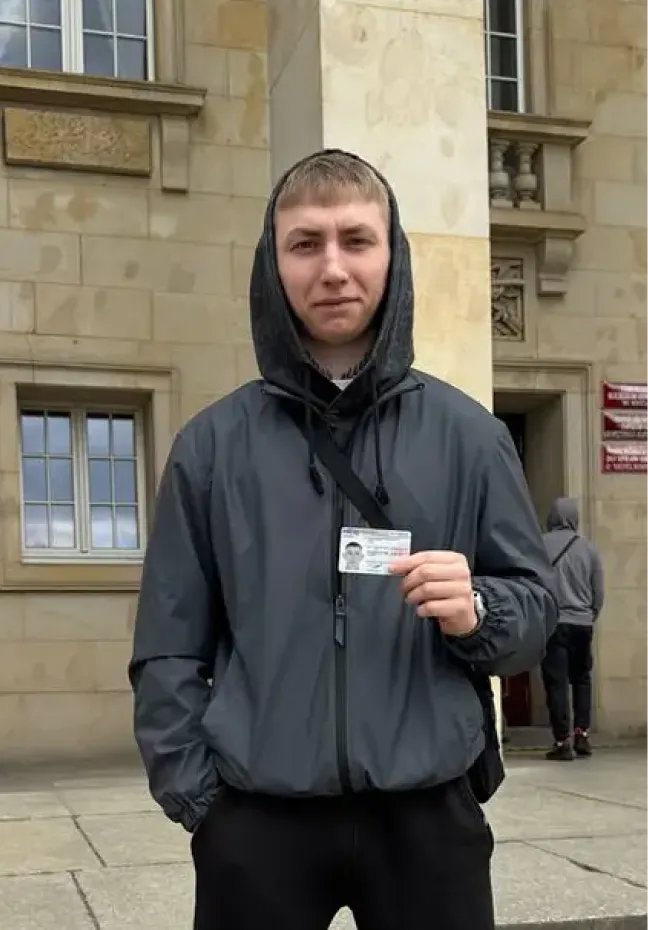
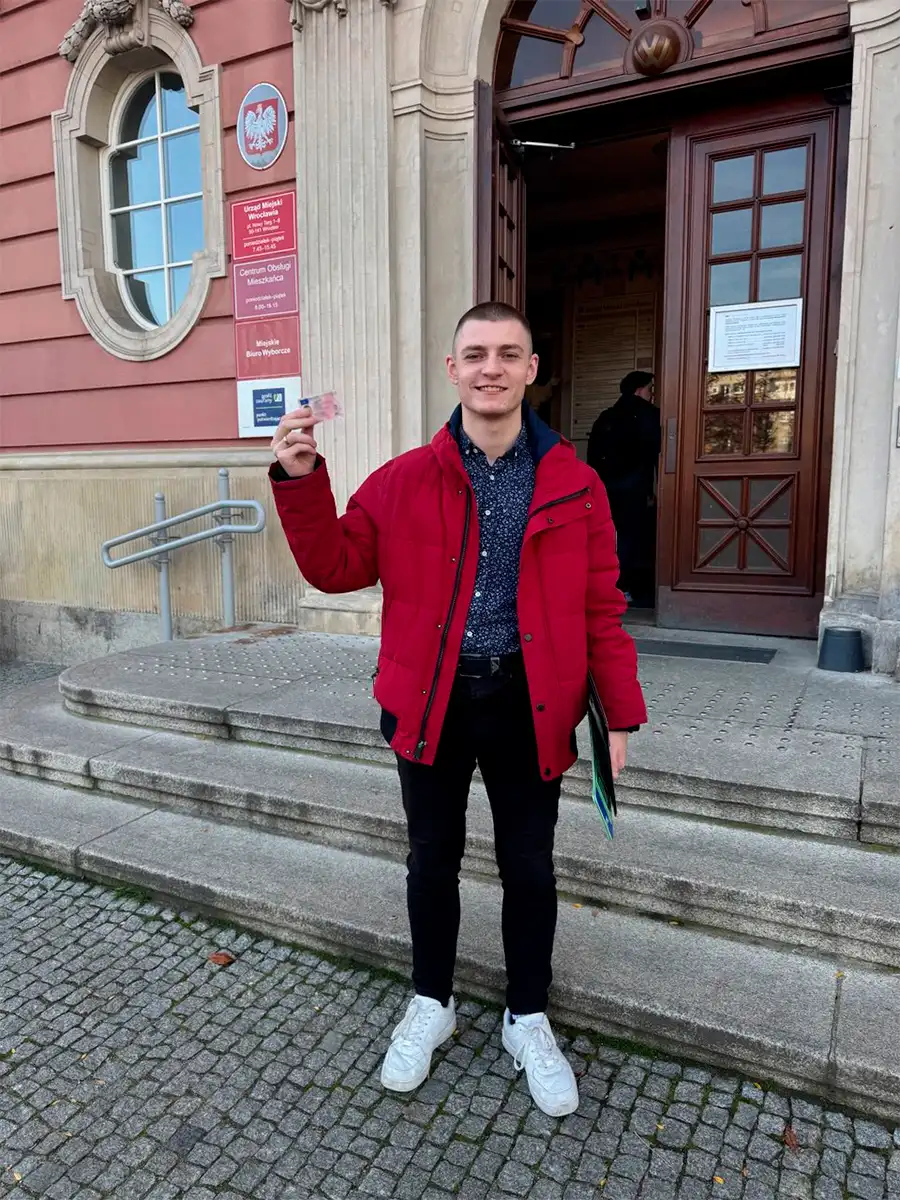
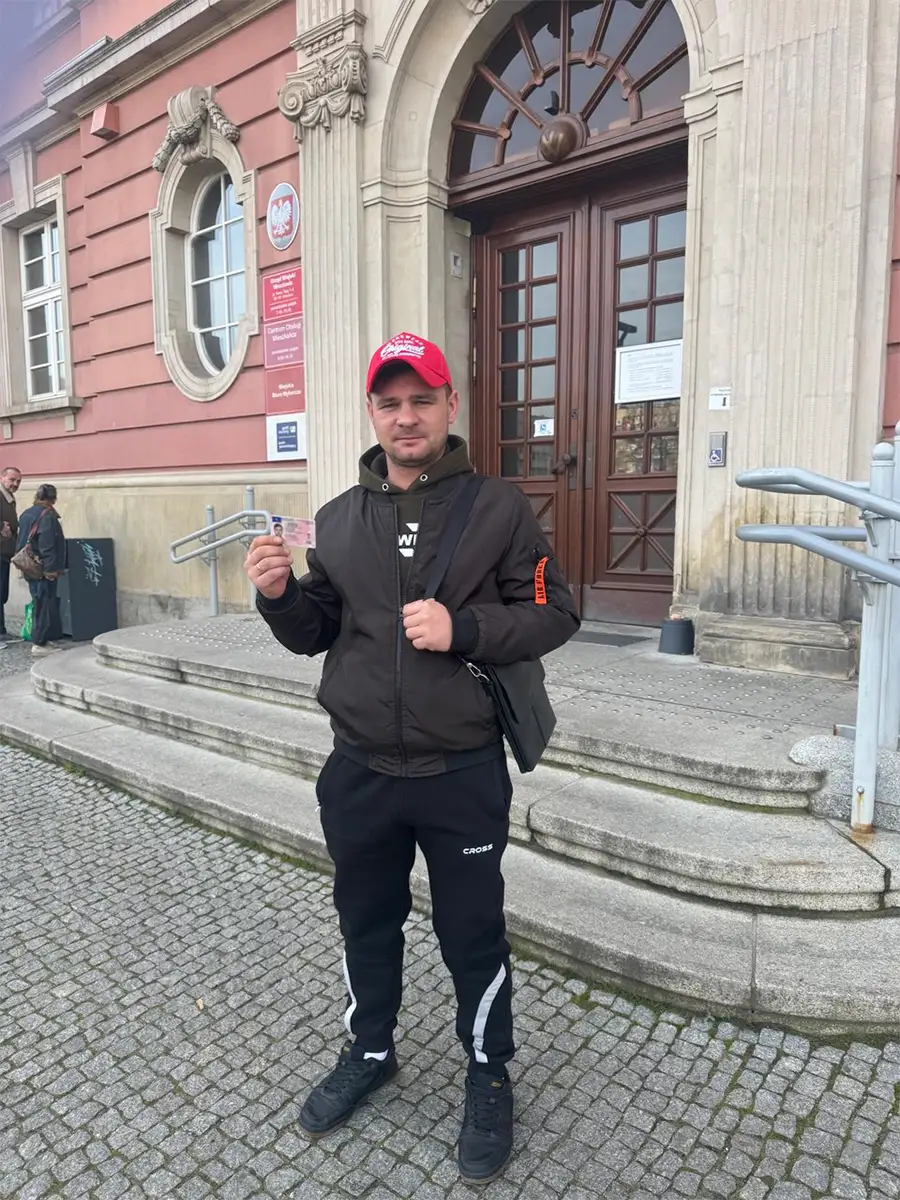
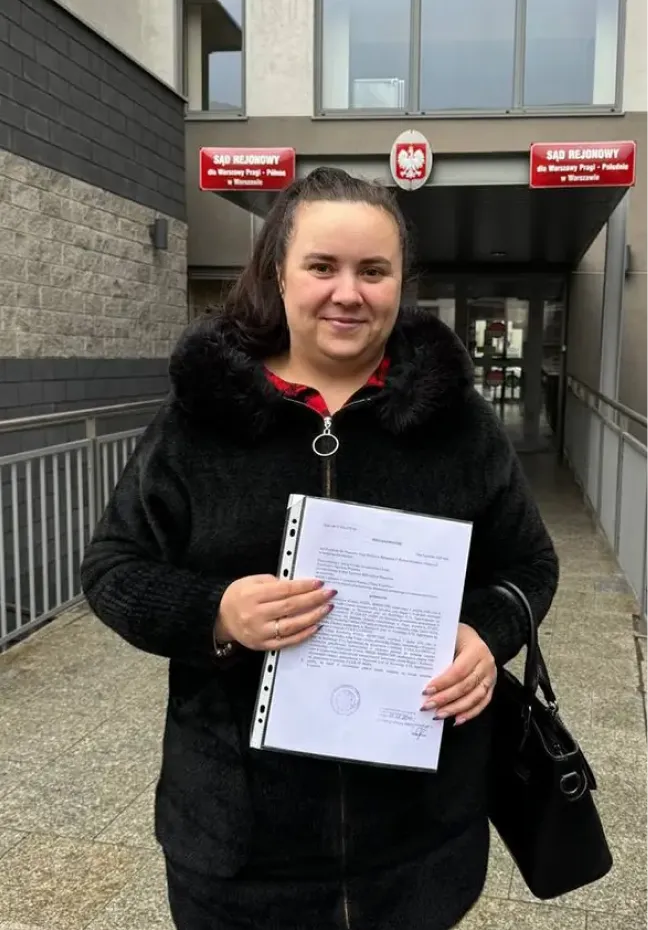
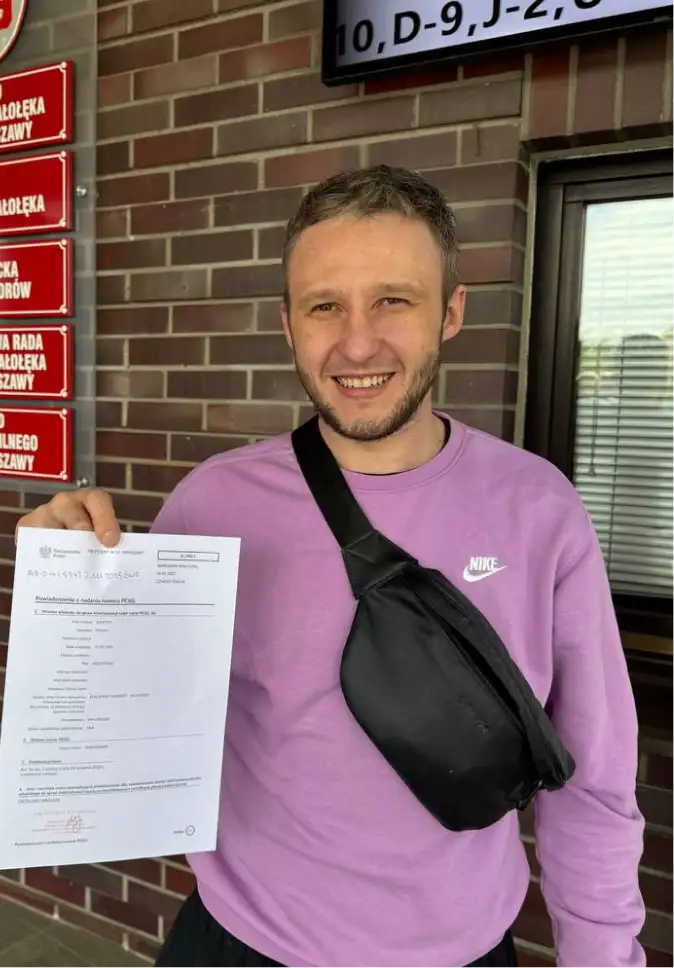
A humanitarian residence card for Belarusians is one of the most important special grounds for legalization in Poland, yet it is also one of the most misunderstood. Some people think it is the same as a D21 humanitarian visa. Others confuse it with permission to stay for humanitarian reasons granted by the Border Guard. And some do not understand at all why there is a separate simplified procedure for Belarusian citizens and why it is more beneficial than a regular temporary residence permit based on work or studies.
In reality, this is a separate type of zezwolenia na pobyt czasowy that can only be obtained by Belarusian citizens if, immediately before submitting the application, they hold a valid national D21 visa. This is not a “standard residence card,” where you need to prove income, housing, or the purpose of stay, or submit a large package of documents. In many cases, this procedure is much simpler, and the outcome is far more advantageous from a practical point of view.
Below, we break the topic down without myths: what exactly a humanitarian residence card for Belarusians means, who is eligible for it, why it is such a strong option, what documents are actually required, how to apply, whether you can change another already submitted case to this ground, and what this card gives you after it is granted.
What Is a Humanitarian Residence Card for Belarusians?
In everyday language, this status is often called a “humanitarian residence card,” but legally it is a temporary residence permit on humanitarian grounds related to holding a D21 visa. It is granted only to Belarusian citizens who, immediately before submitting the application, held a valid national visa marked D21. This permit is issued by the voivode, not by the Border Guard.
It is important not to confuse two different concepts here. The first is a temporary residence permit based on D21. The second is zgoda na pobyt ze względów humanitarnych, which is granted by the Straż Graniczna. These are different legal instruments with different consequences for family members, employment, and further legalization. This confusion is exactly why people sometimes apply without fully understanding what status they are actually relying on.
Who Can Obtain This Type of Residence Permit?
The key condition is very specific: the applicant must be a Belarusian citizen and must be staying in Poland on the basis of a valid national D21 visa immediately before filing the application. This is the central requirement. If a person has lost the continuity of this ground or is already in Poland under a different status before applying, the situation must be assessed separately, because automatic access to this procedure may be lost.
This means that simply having had a D21 visa at some point in the past does not guarantee the right to apply. What matters is not just having such a visa in your history, but actually being in Poland on the basis of that visa immediately before applying to the voivode. That is why it is not worth waiting until the last moment with this type of case: the longer a person postpones the application, the greater the risk of losing this strong ground.
How Long Is a Humanitarian Residence Card Issued For?
This permit is granted once for 3 years. That is exactly what makes it such a strong instrument. While many first residence cards on regular grounds are issued for a shorter period and require proof of income, housing, or other conditions, a humanitarian residence permit for Belarusians with a D21 visa immediately provides a long and stable period of legal stay.
It is also important to understand the word “once.” This means that this special permit is not designed as a cyclical mechanism that can be repeated endlessly. It should be seen as a strong stage of status stabilization, after which you should already be thinking about your next long-term legalization strategy in Poland.
Why Is This Ground So Beneficial?
This card comes with several major advantages at once. First, it is granted immediately for 3 years. Second, there is no stamp duty. Third, for this type of residence permit there is also no fee for the residence card itself. Fourth, the holder of such a permit is exempt from the obligation to have a work permit and has full access to the labor market. In addition, from January 1, 2023, such a person may also apply for a Polish travel document for a foreigner.
For people who were already planning to apply for a temporary residence permit based on work, studies, or other circumstances, this often turns out to be a much stronger alternative. Not because it is “easier in theory,” but because in practice it truly involves fewer formalities and leads to a better result: a longer period of stay, broader access to employment, and lower financial costs.
Does a Humanitarian Residence Card Give the Right to Work Without a Permit?
Yes. Official government and voivodeship materials clearly state that the holder of such a permit is exempt from the obligation to hold a work permit. This is one of the most valuable advantages of this status, because the person is not tied to the classic scheme of “a separate residence permit plus a separate document for employment.” In real life, this means more freedom on the labor market and less bureaucracy when taking a job.

What Documents Are Required for the Application?
One of the reasons why this type of residence permit is so highly valued is the very simplified package of documents. The materials published by the voivodeship offices clearly state that in order to obtain the permit, no additional documents are required other than having a valid D21 visa immediately before filing the application. Of course, the application itself, the passport, biometric data submission, and the standard procedural elements still remain. But compared with ordinary residence permit cases, this really is a minimalistic procedure.
At the same time, the phrase “no additional documents” should not be taken too literally. In practice, the urząd may ask you to clarify, verify, or provide something extra if there are any uncertainties in the case. That is why even in a simple procedure, it is important to submit everything clearly, neatly, and without internal contradictions.
Where Should You Apply, and What Does the Procedure Look Like?
The application is submitted to the voivode for your place of residence. It is the voivode, not the consul and not the border officer, who handles the case and issues the decision. In large voivodeships, appointments are often organized through dedicated foreigner departments, and the technical booking rules may vary depending on the specific urząd.
In basic terms, the procedure looks like this:
- You verify that you are a Belarusian citizen and that immediately before filing you have a valid D21 visa.
- You prepare the application for a temporary residence permit and the standard set of documents for personal submission.
- You submit the documents to the voivodeship office for your place of residence.
- You go through the formal stages of the review and wait for the decision.
- After a positive decyzja, you receive the residence card without a separate fee for its issuance.
In theory, this sounds simple, but the strength of this procedure lies precisely in the fact that it does not need to be complicated with unnecessary steps, “creative” certificates, or pointless explanations. Here, clarity and a correct understanding of the legal ground are what matter most.
Can the Application Be Refused?
Yes, refusal is possible, but this procedure still remains one of the strongest options for Belarusian citizens. In practice, the risks are usually connected not with “lack of income” or a “weak employment basis,” but with security concerns, violations, or problems with the actual condition of being in Poland on the basis of D21 immediately before filing. That is why the main focus here is not on additional certificates, but on proper timing and a clean procedural position. Based on the official descriptions of the procedure, the decisive factors are Belarusian citizenship, a valid D21 visa, and a correctly submitted application to the voivode.
Can You Change Another Already Filed Case to This Ground?
Yes, and this is one of the most valuable nuances. If a Belarusian citizen has already submitted an application in Poland for another type of temporary residence permit but has not yet received a decision, they may change the basis of the pending case to a humanitarian residence permit connected with D21. This is confirmed at the level of official forms used by voivodeship offices, where there is a separate form called oświadczenia o zmianie podstawy rozpatrzenia wniosku w toku postępowania specifically for Belarusian citizens holding a national D21 visa.
Why is this so important? Because a person may already be waiting, for example, for a work-based residence permit or one based on other circumstances, but then realize that a humanitarian card is objectively more advantageous: it lasts longer, is free of charge, and gives access to the labor market without a permit. In such a situation, there is no need to settle for a weaker ground simply because the case has already been filed.
What About Family Members?
This point requires special attention. Voivodeship explanations clearly emphasize that if the main applicant receives this special temporary residence permit through D21, then a family member may apply for a permit “under other circumstances,” but such a permit does not give the family member the right to work without a work permit. This is one of the most important points that is often overlooked in general articles.
In other words, you cannot automatically extend the employment privileges of the main holder of the humanitarian card to a spouse or other close relatives. In family cases, the strategy always needs to be calculated separately rather than based on the assumption that “everyone will get the same thing.”
Can You Obtain a Polish Travel Document with This Card?
Yes. Official government notices clearly state that from January 1, 2023, the holder of such a temporary residence permit may apply for a polski dokument podróży dla cudzoziemca. For some applicants, this is not just an additional bonus, but a truly important instrument if there are problems with national identity or travel documents.
What Should You Do After Receiving the Card?
After a positive decyzja, the case should not be seen as “the final end forever.” Voivodeship explanations indicate that while staying in Poland on this permit, a foreigner may continue to legalize their stay on standard grounds: apply for another temporary residence permit, for permanent residence, or, if the conditions are met, for the status of long-term EU resident. In other words, a humanitarian card for Belarusians is not an isolated island, but a strong step within a broader long-term life strategy in Poland.