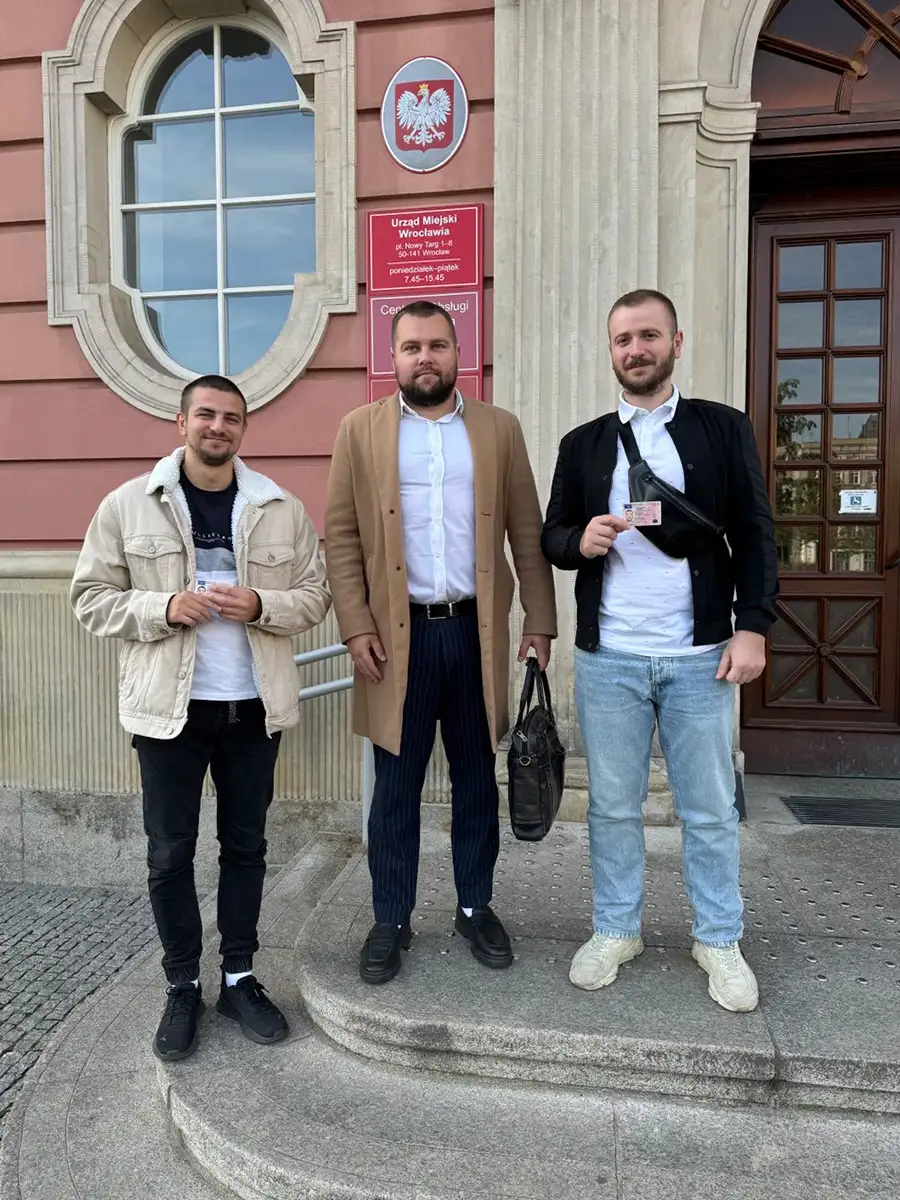
Business relocation to Poland is no longer a temporary “crisis-period” solution, but a strategic step for Ukrainian entrepreneurs seeking stability, access to the EU market, and clear, predictable rules. Poland has become the main destination for Ukrainian businesses due to its geographic proximity, similar mentality, support for Ukrainians, and relatively straightforward procedures.
In this article, we examine business relocation to Poland from a practical perspective: what formats exist, what actually “moves,” which taxes and risks must be considered, how to retain clients, and how business owners should address legalization issues.
IT, services, online business, production — we’ll explain how to properly transfer your business to Poland.
What Business Relocation Really Means
Relocation does not always mean “closing a company in Ukraine and opening a new one in Poland.” In practice, there are several formats, and the choice depends on the scale of the business, clients, tax model, and the owner’s goals.
Business relocation most often includes:
- moving operational activities to Poland;
- opening a new company or JDG in Poland;
- transferring the team or part of the processes;
- changing the company’s tax residency;
- legalizing the owner and key employees.
Why Poland: Key Reasons
Poland became the number one destination for Ukrainian businesses for good reason. The main advantages include:
- EU membership and access to the European market;
- clear corporate and tax regulations;
- the ability for foreigners to open businesses;
- a supportive attitude toward Ukrainians;
- a large Ukrainian business community;
- real opportunities to obtain a residence card through business activity.

Business Relocation Formats in Poland
There is no universal solution. The most common scenarios are:
1. Opening a JDG (similar to sole proprietorship)
Suitable for freelancers, consultants, IT specialists, marketers, designers.
- quick registration;
- relatively simple accounting;
- possibility to apply for a residence card;
- but full personal liability.
2. Registering a Spółka z o.o. (limited liability company)
Optimal for teams, agencies, service companies, and scalable businesses.
- limited liability;
- better perceived by banks and partners;
- possibility to attract partners;
- more complex accounting requirements.
3. Parallel Model (Ukraine + Poland)
The Ukrainian company remains active, while a separate structure is established in Poland for EU operations.
Taxes and Finances: What Changes After Relocation
Poland is not a “tax haven,” but the system is predictable. Key aspects include:
- income tax (depending on the legal form and taxation system);
- mandatory ZUS social contributions;
- VAT upon reaching the threshold or when working within the EU;
- strict monitoring of financial turnover.
Banks, Accounts, and Payments
After relocation, it is essential to properly structure the financial infrastructure:
- opening a bank account in Poland;
- completing KYC and AML procedures;
- explaining the origin of funds;
- integrating banking with accounting systems.
Without properly prepared documentation, banks may refuse to open or may block an account.
Legalization of the Business Owner and Team
Business relocation almost always raises questions about legal stay in Poland:
- residence card through business activity (JDG or Spółka);
- work permits for employees;
- family reunification;
- tax residency of individuals.
Common Mistakes During Relocation
- opening a company “for formality” without real activity;
- lack of accounting from the first month;
- incorrect PKD codes;
- ignoring ZUS and VAT obligations;
- expecting “Ukrainian rules” to apply in Poland.
Who Benefits Most from Relocation
Relocation works best for:
- IT and digital businesses;
- service companies;
- online products and SaaS;
- consulting and agencies;
- manufacturing businesses exporting to the EU.
How We Support Business Relocation
The VisaV.pl team provides comprehensive relocation support:
- business model analysis;
- selection of the optimal legal form (JDG or Spółka);
- company registration “turnkey”;
- accounting and tax planning;
- documents for residence card applications;
- banking integration support.
We will explain all stages, risks, and timelines tailored to your situation.