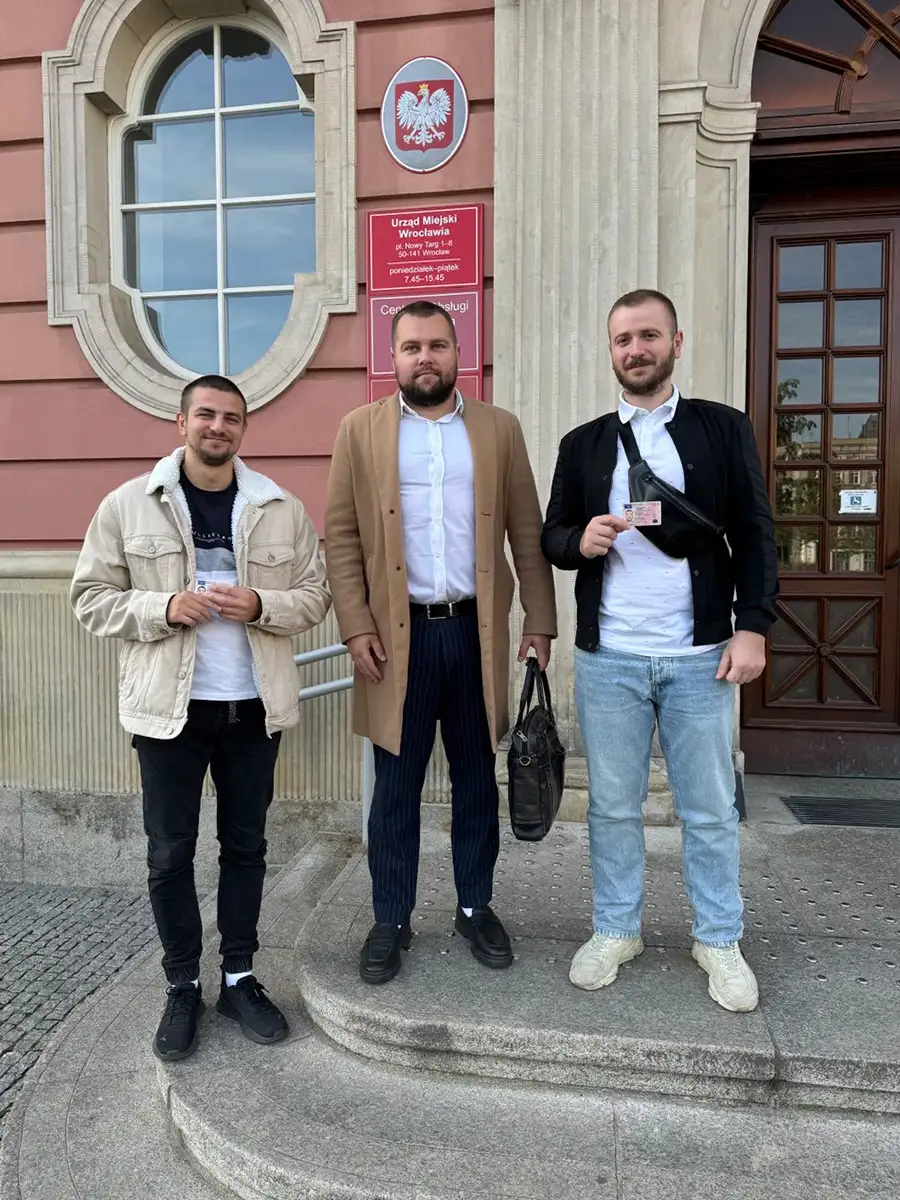
You’ve opened a business in Poland, have clients, have income coming in — and it seems like the residence card is practically in your pocket. But this is exactly where it gets complicated. Business-based legalization in 2026 has become one of Poland’s most demanding migration procedures — with the highest refusal rate among all grounds.
Offices no longer issue cards automatically. They check: is the business real, is there income, is that income sufficient to live on, does the business have genuine prospects. The VisaV.pl team handles these cases every day — and knows exactly where applications fall apart, even for entrepreneurs running genuine operations.
Two Structures — Two Different Paths to Legalization
A business-based residence permit in Poland runs through two different legal structures, and the difference between them isn’t just legal — it determines what the office actually examines when reviewing your application.
JDG — Jednoosobowa Działalność Gospodarcza (sole trader)
The simplest and most transparent route. You are the business — one legal entity, one document set, one income stream to prove. That’s precisely why JDG is often the better choice for freelancers, IT contractors, designers, consultants, and anyone selling services.
Full registration details are in the guide on starting a business in Poland. Everything specific to a residence card through JDG is on the residence permit through JDG page.
What the office checks for JDG:
- Real income — bank statements, invoices, tax declarations
- Sufficient income — at minimum covering the subsistence threshold plus rent and family costs
- Business prospects — active contracts, client base, development plans
- ZUS and tax payments — confirming genuine economic activity
Spółka z o.o. — through the board member role
There’s a trap here that most people don’t know about. Owning 100% of a company’s shares is not grounds for a residence card. What qualifies is performing the function of a board member (Prezes Zarządu / Członek Zarządu). Only that role gives the right to a business-based residence permit through a Spółka.
The office also requires proof of double income:
- Company income — that the business is profitable and has prospects
- Personal income of the board member — official salary or contract, sufficient for personal living costs

What the Office Checks: Reality vs Formality
This is the most important thing to understand before registering a business. Polish voivodeship offices have significantly tightened business-ground verification since 2024–2026. Formal company registration is no longer enough.
What the office specifically analyses:
- Real business activity — invoices, client contracts, proof of services delivered or goods sold
- Financial metrics — bank statements, PIT or CIT declarations, quarterly reports
- ZUS and VAT payments — regular and without arrears
- Business prospects — active contracts, letters of intent from clients, business plan
- Income adequacy — whether it covers rent, food, and family maintenance
Fictitious Business vs Real Business: How the Office Tells the Difference?
Polish offices have learned to identify legalization schemes built around shell companies. Red flags include:
- Company registered but accounts empty or with minimal turnover
- No invoices issued, or all invoices go to a single client connected to the applicant
- ZUS not paid or paid irregularly
- Business activity type in the registry doesn’t match actual transactions
- No evidence of market presence — no advertising, no website, no contracts
Income Requirements: How Much Do You Need to Earn
Polish law sets no fixed minimum income figure for a business-based permit. But the practical benchmarks are:
- Income must cover the subsistence minimum for each family member plus rent costs
- In practice — a realistic minimum threshold for a sole entrepreneur is from PLN 3,000–4,000 net per month
- With family members — the figure increases proportionally
Importantly: the office evaluates not just current income, but stability and trajectory. One strong month followed by several months of no income isn’t a convincing picture. Steady moderate income over 6–12 months is a much stronger argument.
What Documents to Prepare?
There’s no single mandatory list for a business card — the office can request anything. But the standard package looks like this:
- Application through MOS 2.0 with business activity selected as the grounds
- Passport — PDF scan of all pages
- Current digital photo in JPG format
- Business registration documents — CEIDG extract (for JDG) or KRS (for Spółka)
- Financial documents — bank statements, PIT/CIT declarations, ZUS payment confirmation
- Proof of real activity — invoices, client contracts, payment confirmations
- Proof of accommodation — lease agreement
- Health insurance — commercial policy or through ZUS
- Fee payment confirmation — PLN 340 stamp duty and PLN 100 card production fee
For Spółka z o.o., additionally:
- Board member appointment resolution
- Employment contract or umowa o zarządzanie with personal income confirmation
- Company financial statements
Timelines and What Happens After Filing
Applications are filed exclusively online through MOS 2.0. After submitting:
- You receive a UPO — submission confirmation
- Once the office opens the case — a zaświadczenie appears in your dashboard, replacing the old passport stamp
- Waiting for a decision — 4 to 12 months depending on the voivodeship
- Possible request for additional documents — respond within the specified deadline
- Positive decision → biometric appointment → card production in 2–4 weeks
Business Permit and Company Relocation
If you’re moving your business from another country, that’s a separate scenario. Poland is attractive for relocation through EU membership, a developed market, and access to 450 million consumers. Everything about this process is covered in the guide on business relocation to Poland.
Real Cases: When Cards Are Issued and When They’re Refused
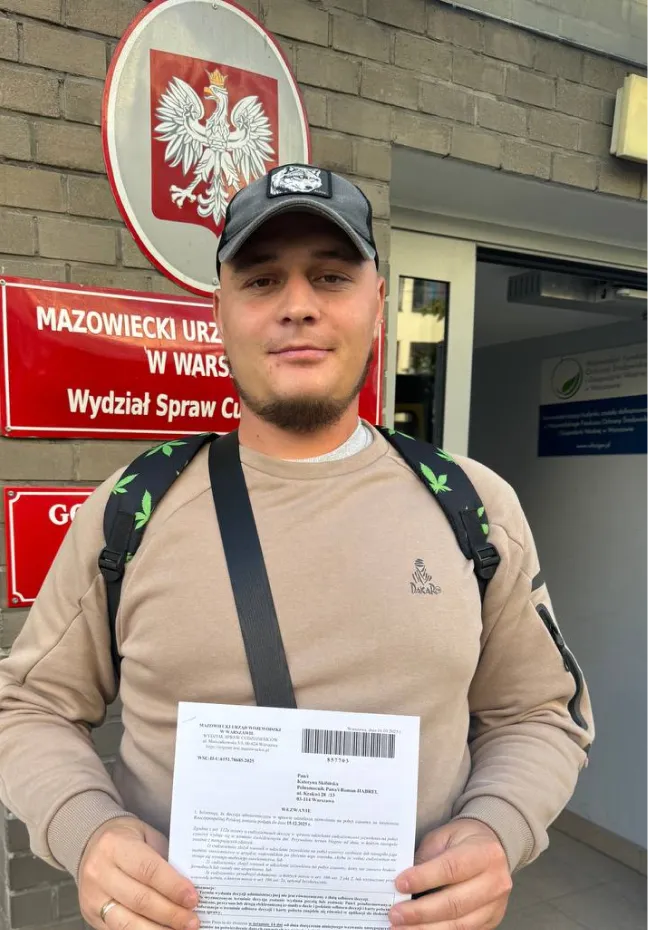
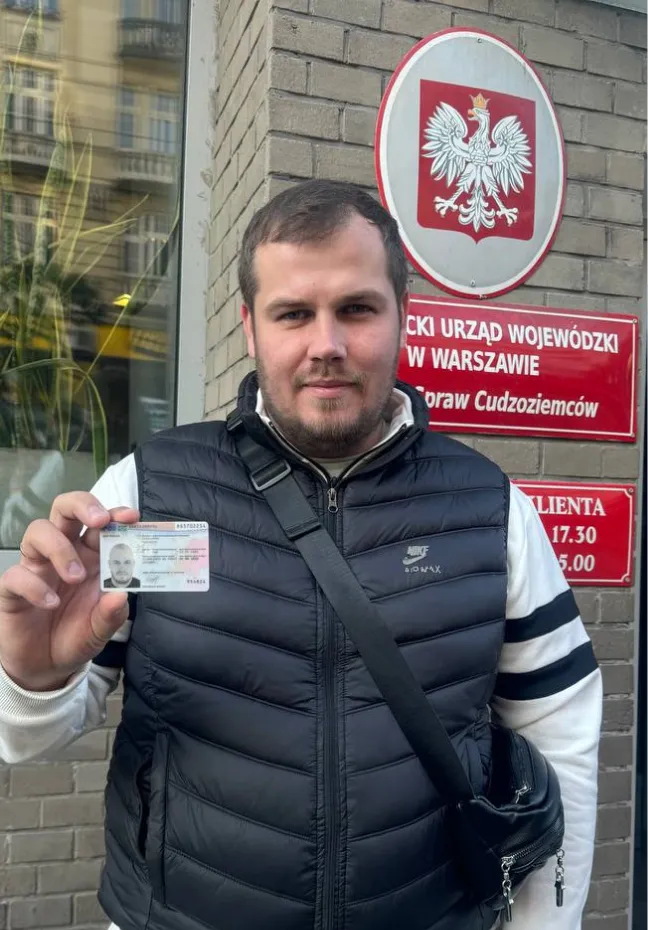
From VisaV.pl’s practice: an IT freelancer in Kraków with two steady international clients and consistent monthly income above PLN 8,000 received a 3-year card within 7 months. The package included 12 months of statements, all invoices, and two active contracts.
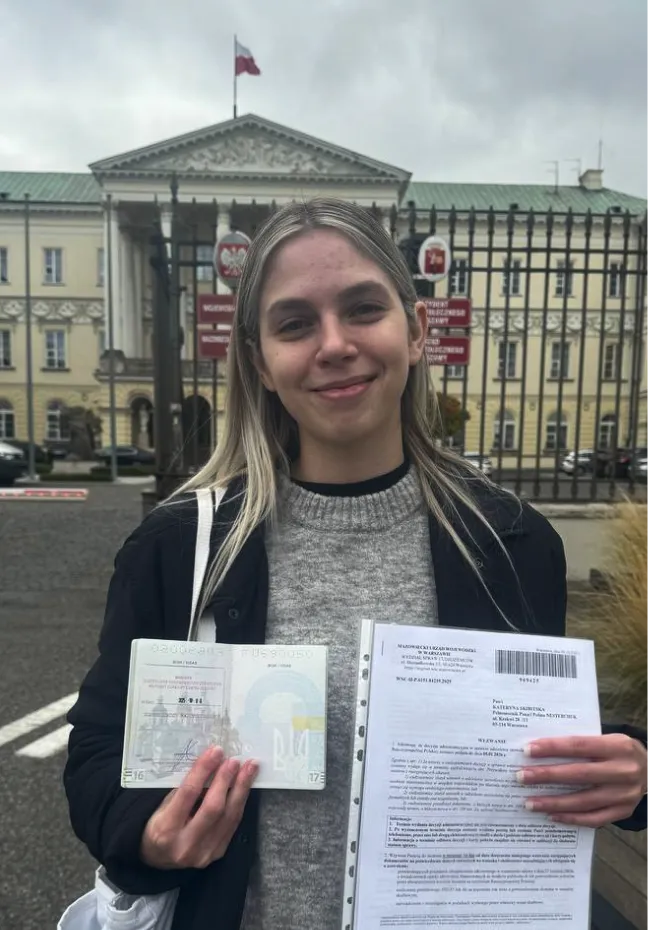
A Spółka z o.o. owner in Warsaw was refused — the company had existed for 4 months, turnover was PLN 3,000, and no personal board member income was documented. Refiled after 6 months of active operations — approved.
More detailed breakdowns of real cases and typical mistakes are in the guide on business as a basis for a residence permit in Poland.