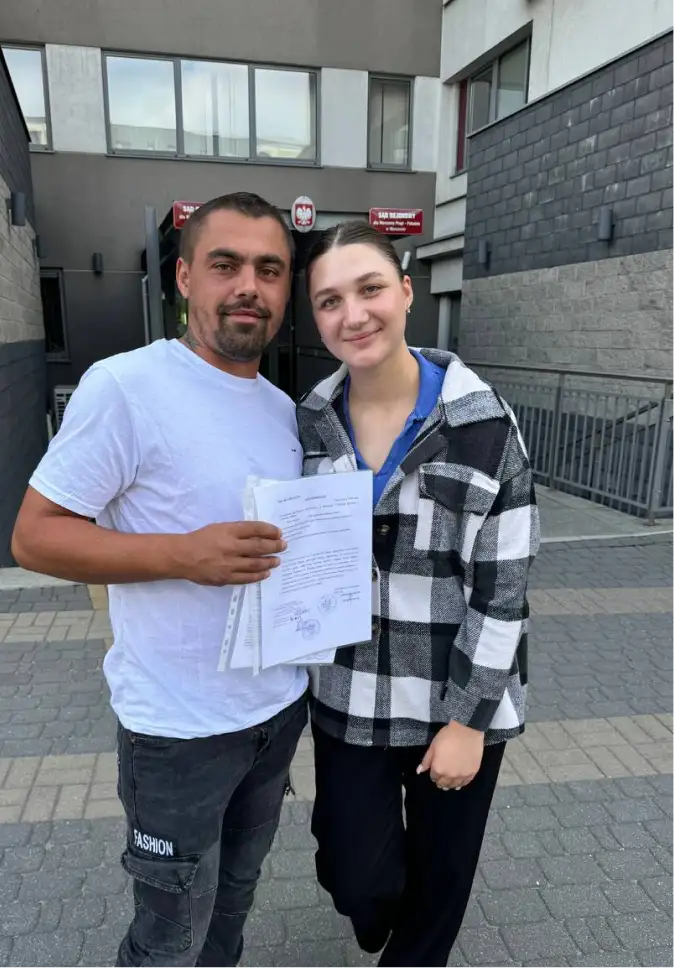
Łódź has transformed. The city that spent decades associated with abandoned textile mills and emigration now actively draws people in rather than pushing them out. Revitalized loft districts, a growing IT sector, one of Poland’s largest shopping destinations, and real estate prices that haven’t yet caught up with Warsaw — all of this has turned Łódź into a genuine draw for foreigners looking for quality of life without the capital’s pace.
VisaV.pl helps foreigners navigate the Łódzki Urząd Wojewódzki and knows this region’s specifics well. This article isn’t a general overview of Polish residence cards — it’s a complete map of every legalization path available in Poland, built specifically for residents of Łódź Voivodeship.
All Cities in Łódź Voivodeship: ŁUW’s Jurisdiction
If you live or plan to live in any city or locality in Łódź Voivodeship, your residence card case falls under the Łódzki Urząd Wojewódzki (ŁUW). The size of your town makes no difference.
Cities and localities in Łódź Voivodeship:
Łódź, Piotrków Trybunalski, Pabianice, Tomaszów Mazowiecki, Bełchatów, Skierniewice, Zgierz, Kutno, Aleksandrów Łódzki, Łowicz, Łask, Sieradz, Wieluń, Zduńska Wola, Leżenice, Opoczno, Koluszki, Brzeziny, Radomsko, Końskie, Turek, Działoszyn, Poddębice, Łęczyca, Ożarów, Rawa Mazowiecka, Żychlin, Kłodawa, Dobra, Stryków, Ozorków, Tuszyn, Dobroń, Brzeźnio.
Why Choosing the Right Card Type Before Filing Matters
The most expensive mistake in legalization is filing on the wrong card type or under a basis that doesn’t match the actual situation. The result isn’t just a refusal — it’s months of waiting wasted, a new application, and new costs.
Poland has several different types and grounds for legalization, and the right choice depends on each person’s specific circumstances. If there’s any doubt, an immigration consultation before document collection begins is the most effective way to avoid this mistake.
Type 1: Temporary Residence Card — The Starting Point
The first and most common step for most foreigners. A temporary residence permit in Poland is issued for between 3 months and 3 years (up to 5 years in some cases) and is the baseline legalization document. It’s tied to a specific basis — if that basis changes, the office must be notified or a new application filed.
Basis 1: employment
The most common basis for foreigners in Łódź Voivodeship. A residence card based on employment is built on a contract with a Polish employer who holds the relevant authorization. Łódź’s industrial and logistics sector generates thousands of these opportunities every year.

Basis 2: study
Łódź is a university city. The University of Łódź, Łódź University of Technology, and the Medical University all enroll international students. A residence card based on studies is issued to full-time students for the duration of their program. After graduation, it doesn’t renew automatically — a new basis is needed to stay.
Basis 3: business through JDG
If you’ve registered a JDG (sole trader business), it can serve as the basis for a residence card. A residence card based on JDG requires proof of actual business activity — ŁUW checks for real income, clients, and genuine operations.
Basis 4: business through a company (Spółka)
For those who have opened or plan to open a company. A business-based residence card through a Spółka suits company owners or board members. Requirements: real business activity, an official company address in Poland, confirmed turnover or registered capital.
Basis 5: family reunification
If your spouse or children already hold legal status in Poland, you’re entitled to a residence card through family reunification. This basis also grants the right to work without additional permits — a meaningful advantage compared to some other types.
Basis 6: EU Blue Card — for highly qualified professionals
The EU Blue Card is a specialized permit for highly qualified specialists with a corresponding salary level. Łódź’s expanding IT sector makes this basis increasingly relevant in the region. The Blue Card provides broader rights within the EU compared to a standard residence card.
Basis 7: Pole’s Card
If you have confirmed Polish heritage and hold a Pole’s Card, a unique route opens up: a residence card based on the Pole’s Card — and under certain conditions, a direct path to permanent residence without first spending years on temporary grounds.
Type 2: Permanent Residence Card — A Different Legal Standing
After 5 years of continuous lawful residence in Poland, permanent status becomes available. The permanent residence card is a fundamentally different level of legal protection:
- Issued indefinitely (the physical card is renewed every 10 years)
- The right to work without any restrictions or permits
- Full access to social services and healthcare
- Freedom to travel without risk of losing status within set time limits
- The ability to apply for citizenship one year after receiving permanent status
Type 3: EU Long-Term Resident Card
An alternative or complement to permanent residence — also after 5 years of continuous lawful residence. The key distinction: the EU long-term resident card gives the right to live and work in any EU country without needing a new permit in each one.
Requirements: 5 years of continuous lawful residence in Poland, confirmed stable income, health insurance, and basic Polish language proficiency confirmed by a certificate or other documentation.
Type 4: Polish Citizenship — The Final Destination
Polish citizenship is the highest level of legal status in the country. Routes to get there:
- Naturalization — after 3 or 5 years of continuous lawful residence depending on the basis
- Through the Pole’s Card — after 1 year with permanent status
- Through a Polish spouse — after 3 years of marriage and 2 years of lawful residence
- Recognition of citizenship — for those with Polish heritage grounds
Mandatory conditions for naturalization: Polish language at B1 level (certificate), no criminal record, stable place of residence and income source.
CUKR Card — A Special Route for Ukrainians
From May 2026, Ukrainians with UKR status can apply for the CUKR card — a special three-year residence card. It’s a voluntary procedure that provides significantly broader rights than UKR status: a physical residence card, the ability to leave Poland for up to 6 months without losing status, and time spent with the CUKR card counts toward the EU long-term resident period.
The Full Legalization Timeline: From First Entry to Citizenship
A realistic summary route for a foreigner planning to stay in Poland long-term:
- First temporary residence card based on employment, study, business, or family
- Renewal or change of basis as needed
- After 5 years — permanent residence card or EU long-term resident card
- One year after permanent status (or sooner through the Pole’s Card) — citizenship application
Total timeline from first entry to a Polish passport: 2 to 8 years depending on basis and path. For Pole’s Card holders, realistically 2 years; via the standard route, 6 to 8 years.