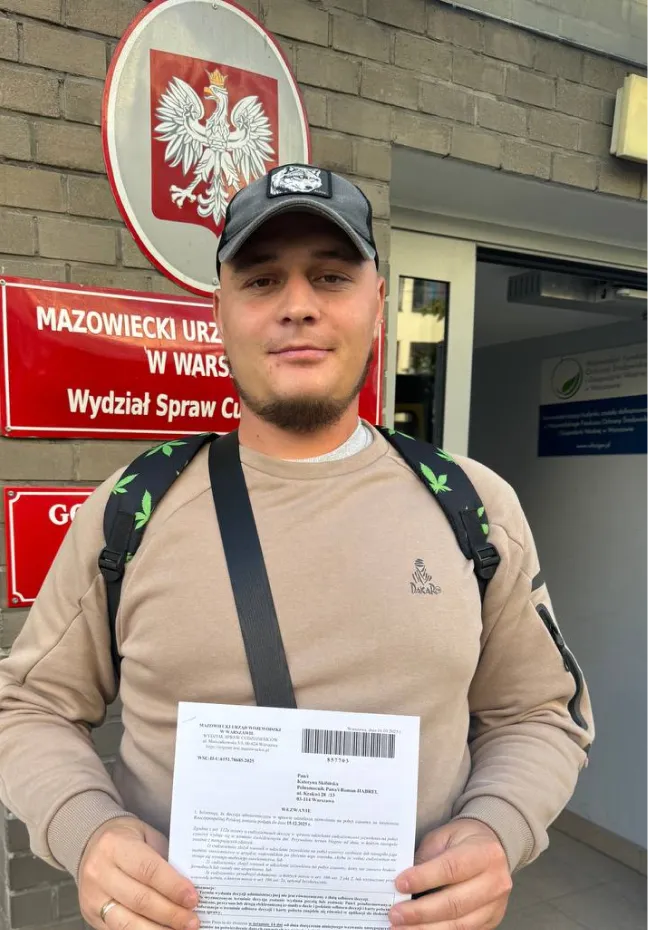
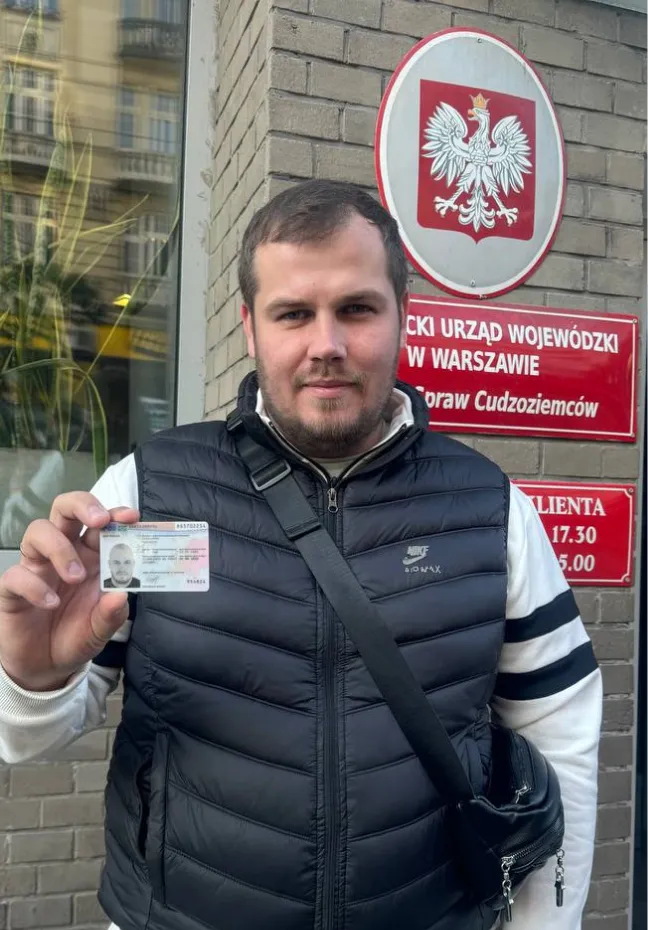
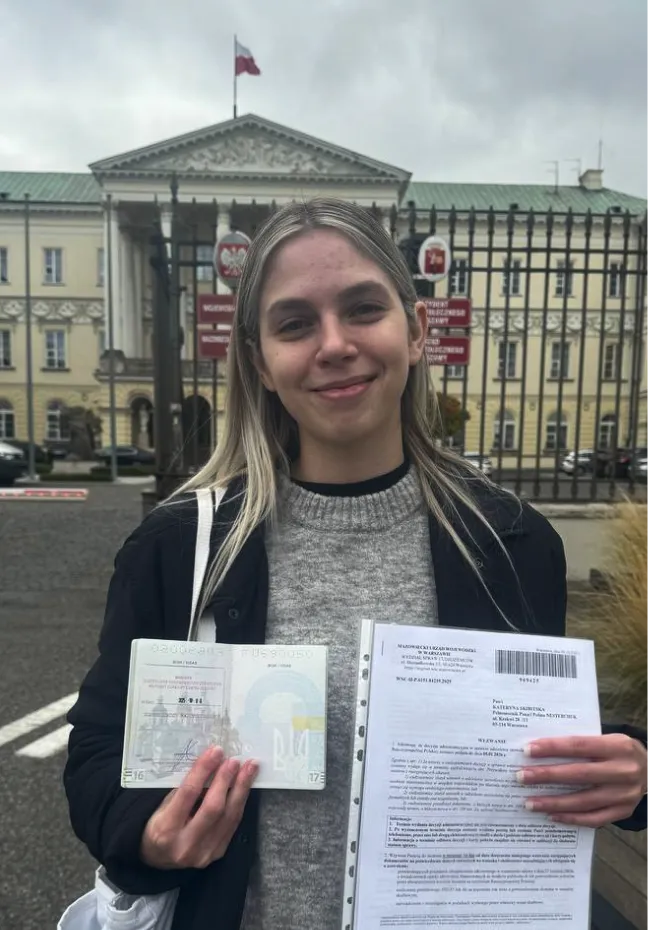
Most immigration mistakes aren’t made by people who didn’t try. They’re made by people who tried hard — read the forums, studied the rules, prepared what seemed like a solid file — and still got it wrong. Because immigration law isn’t a rulebook you can apply yourself. It’s a system where the same situation produces different outcomes depending on details most people don’t know to look for.
An immigration consultation isn’t a general briefing on how the system works. It’s a targeted analysis of your specific situation by someone who’s seen dozens of cases like yours and knows exactly where they tend to fall apart.
What Actually Happens During an Immigration Consultation?
A consultation is a diagnostic, not a lecture. The specialist maps your situation, identifies the risks, and lays out a concrete course of action. The output isn’t general information — it’s a clear plan with steps, deadlines, and a document list built around your specific case.
At VisaV.pl, the most common reasons people reach out include:
- Choosing the right grounds for a first application or renewal
- Assessing the risk before changing employers or moving to a new address
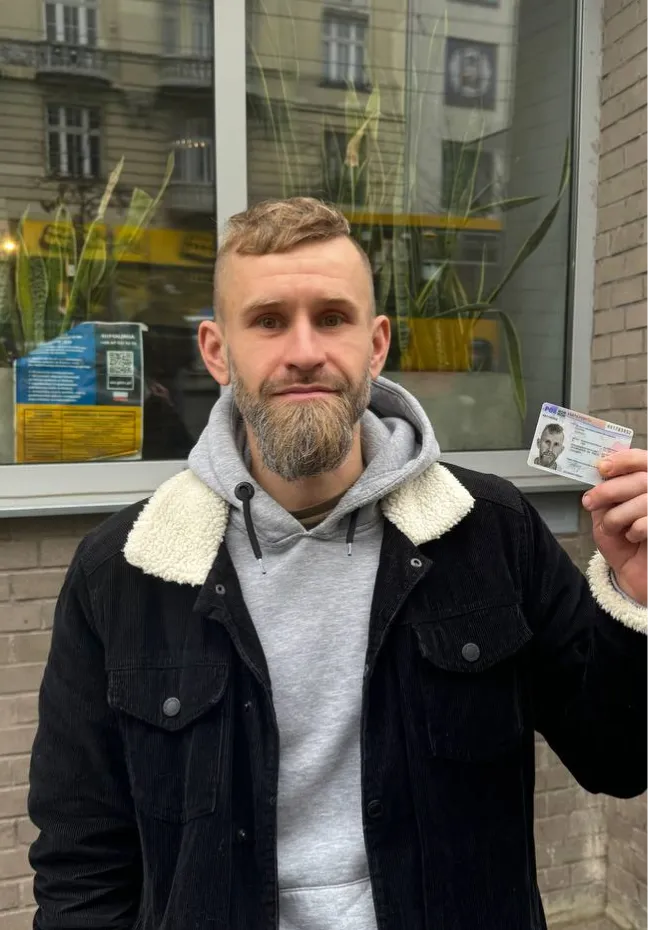
- Figuring out next steps when a residence card is about to expire
- Reviewing a document package before filing to catch hidden problems
- Family reunification questions, including a residence card through a husband in Poland
- Business relocation and choosing the right jurisdiction — where to relocate a business in Europe

When a Consultation Is Non-Negotiable?
Some situations are too risky to navigate alone. Getting it wrong doesn’t mean delays — it can mean losing your status or picking up an entry ban. Don’t wait if any of these apply to you:
- Your residence card expires in less than three months and you haven’t filed yet
- You changed employers or business activity while your current permit is still active
- You received a rejection or a request for additional documents from the Urząd Wojewódzki
- You’re planning to use an intermediary and want to understand the risks of applying through an intermediary
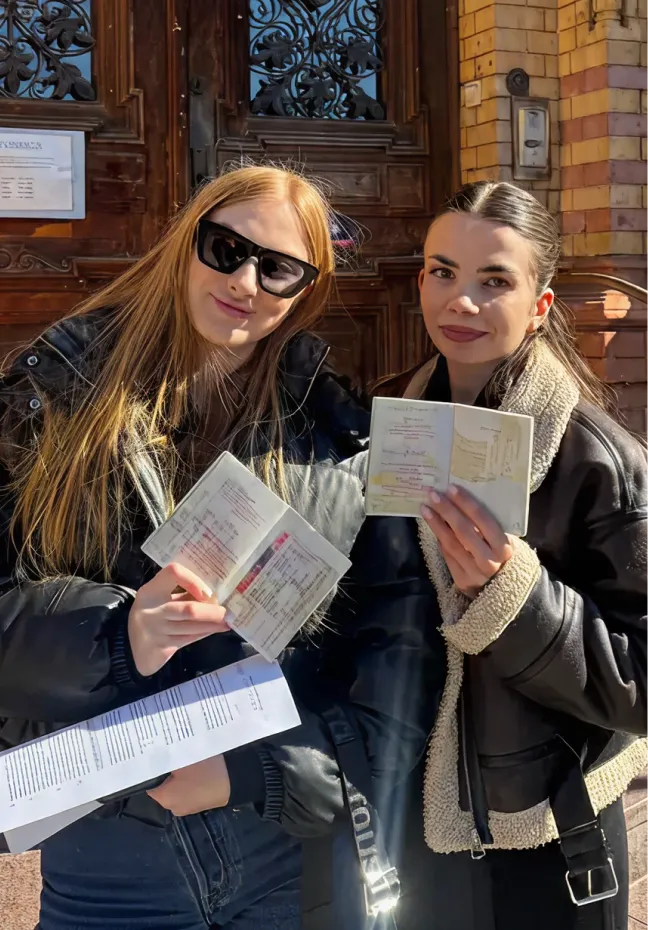
- You have a stamp in your passport but aren’t sure whether it actually covers your stay
- You want to switch from one permit type to another and don’t know if that requires leaving the country
How to Choose an Immigration Specialist?
Poland’s immigration services market is crowded. Experienced lawyers work alongside people with no legal training at all who charge for filling out forms. The difference only becomes obvious after a rejection arrives.
What to look for when choosing an immigration specialist in Poland:
- Legal education or a license — not just “experience working with documents”
- Specific answers to specific questions, not general reassurances that it’ll work out
- Honest communication about timelines and risks — a good specialist tells you when a case is genuinely difficult
- No guarantees of a 100% outcome — in immigration law, those guarantees are a red flag, not a selling point
What to Prepare Before Your Consultation?
The more specific your situation going in, the more useful the consultation coming out. Have these ready:
- The exact expiry date of your current permit or visa
- The grounds you’re currently in the country on — work, family, study, or business
- Whether your employer, address, or marital status changed in the past year
- Any previous rejections or document requests from immigration authorities
- Your plans for the next one to three years — stay long-term, move to another EU country, open a business
In practice, people who arrive with their documents ready and a clear description of their situation walk away with a concrete plan from the first conversation. Those who come to “just ask something” often need a second meeting just to gather the starting information.