Millions of foreigners choose Poland as their new home every year. Some come for a year or two; others plan to stay permanently. The difference between these two scenarios comes down to choosing the right legalization in Poland basis at the very beginning.
This guide isn’t a simple list of residence permit grounds. It’s a step-by-step map of the entire journey — from the first temporary permit to permanent status and citizenship. VisaV.pl lays out the system so every person understands exactly where they stand today and what to do next.
What a Polish Residence Permit Is and What It Looks Like?
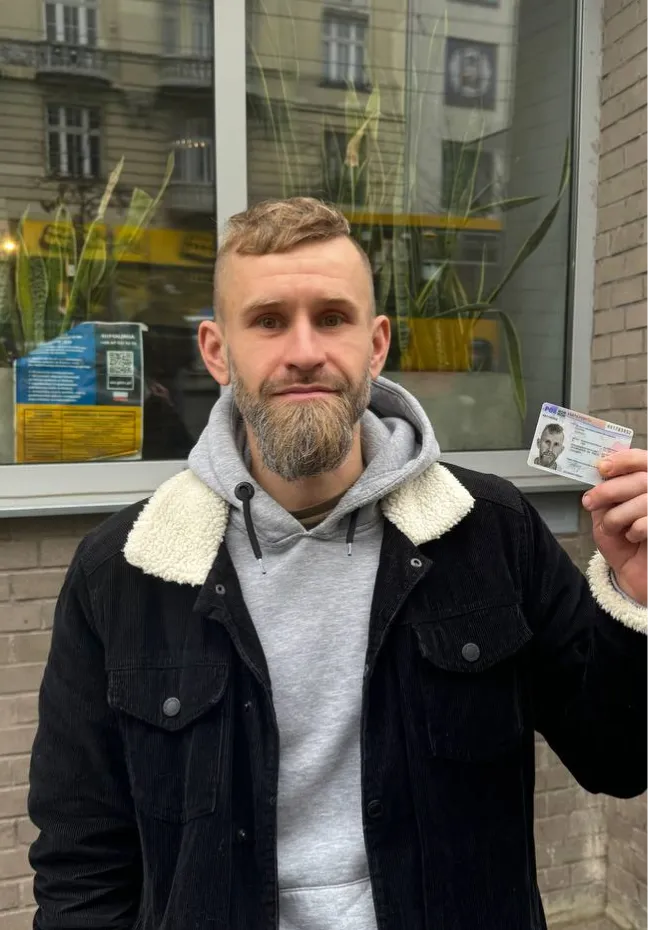
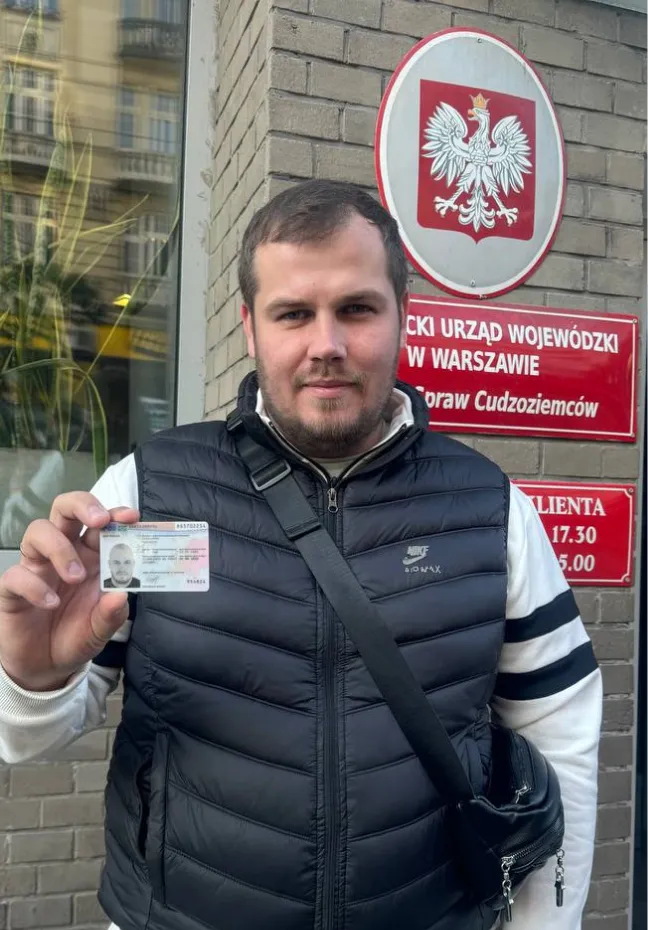
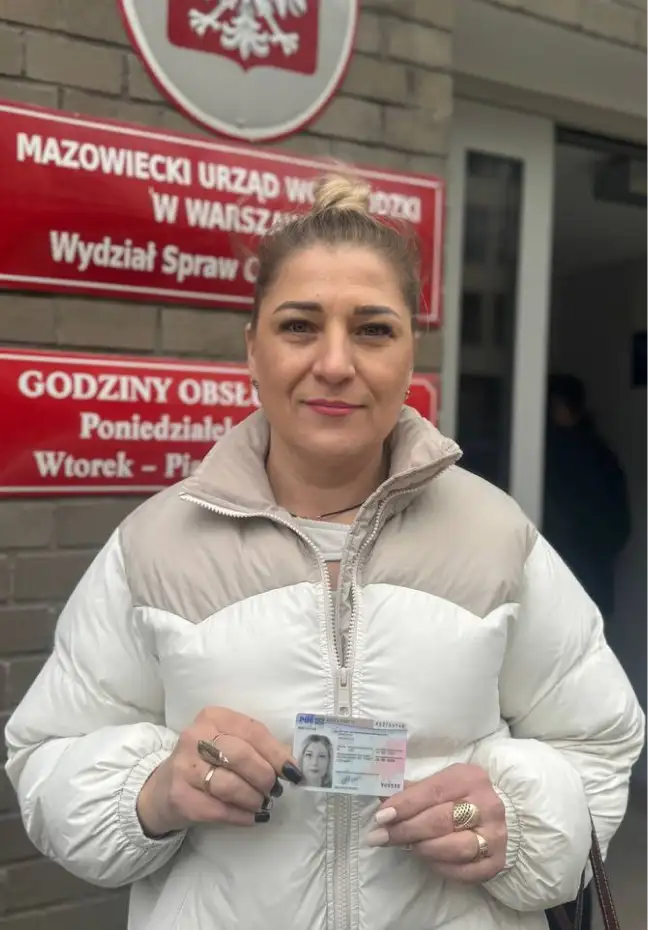
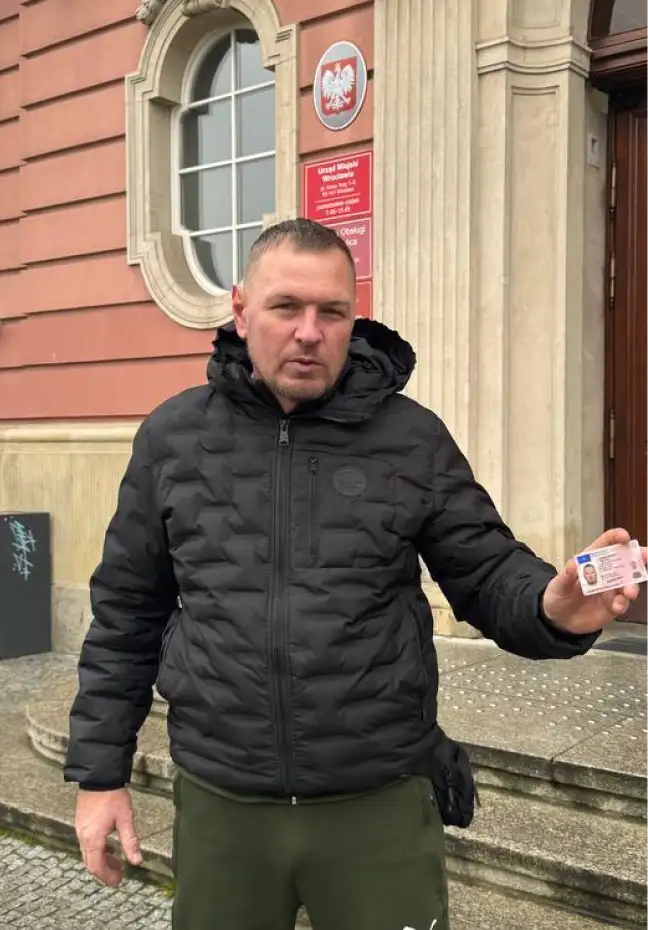
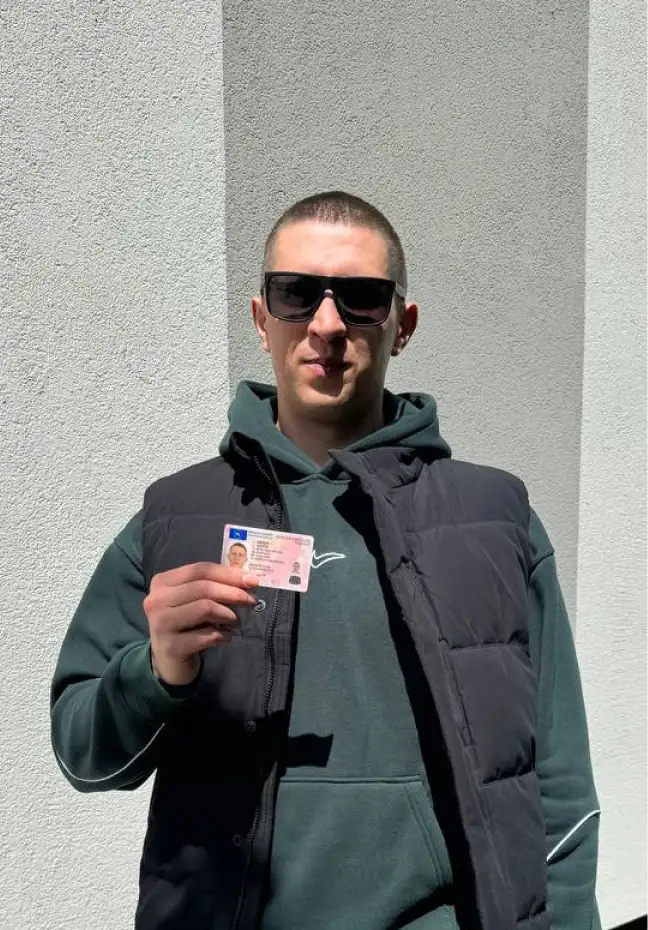
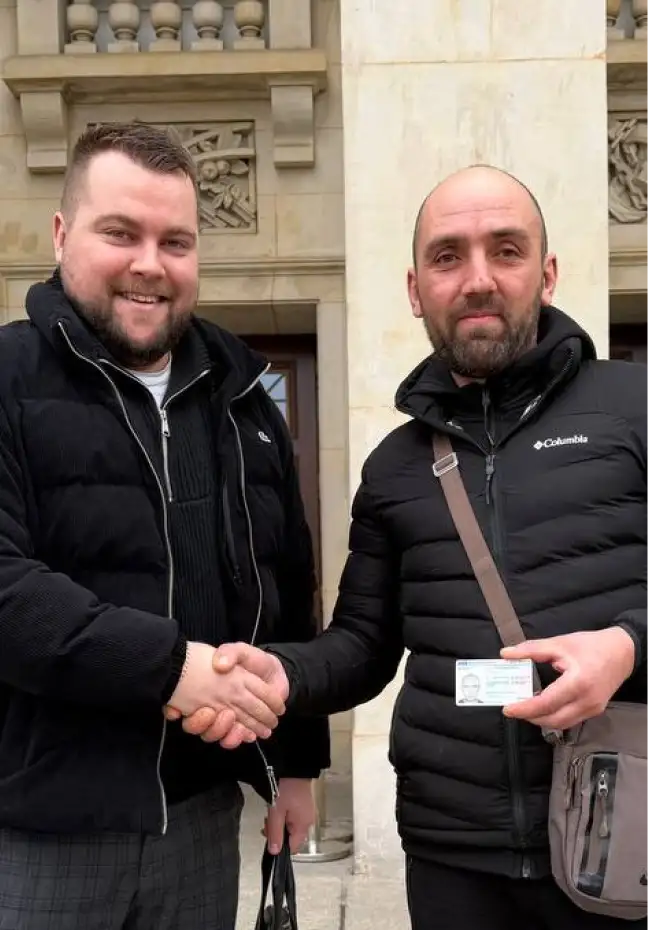
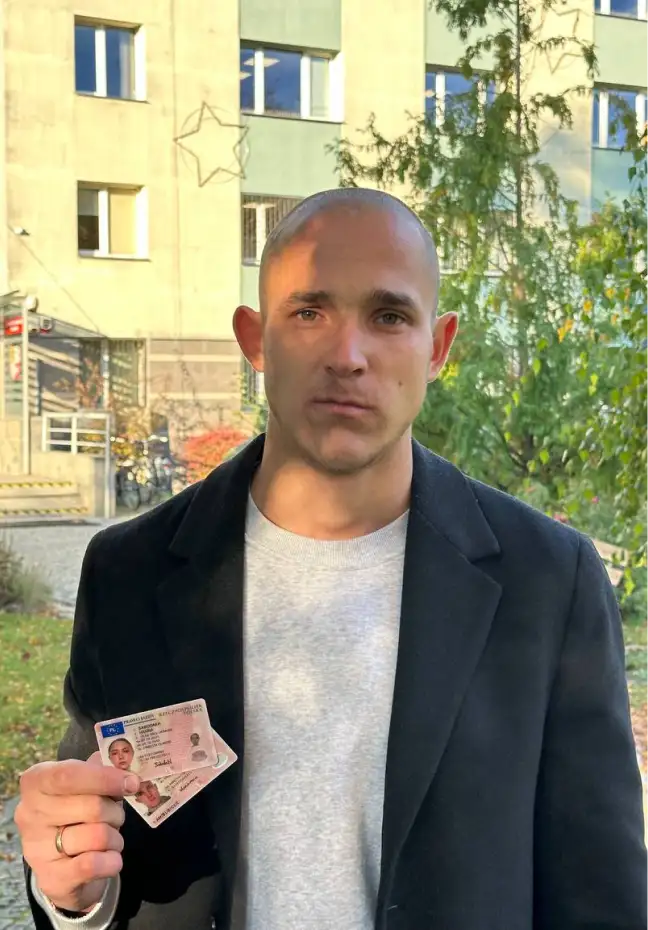
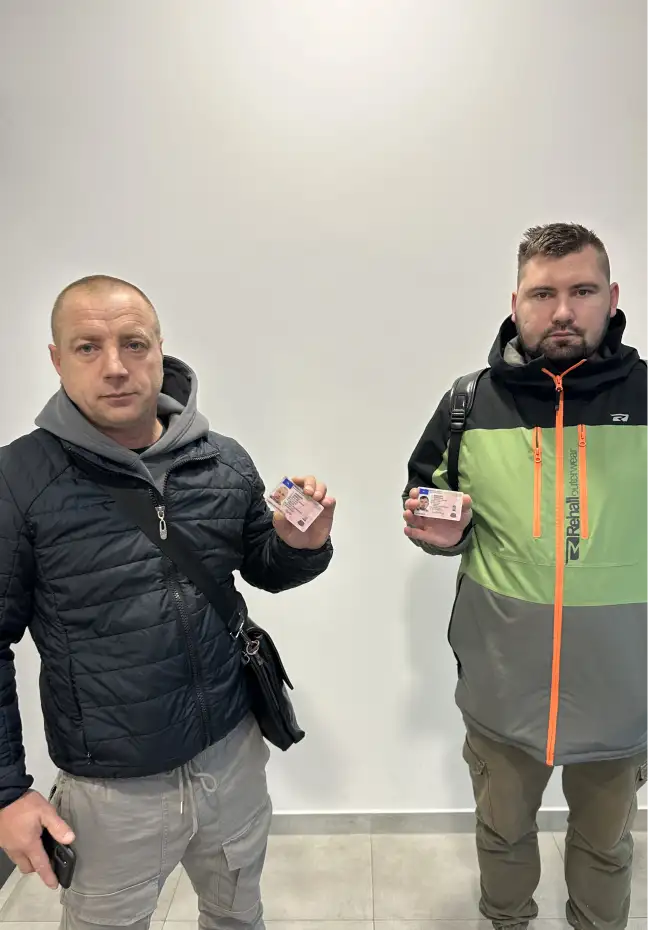
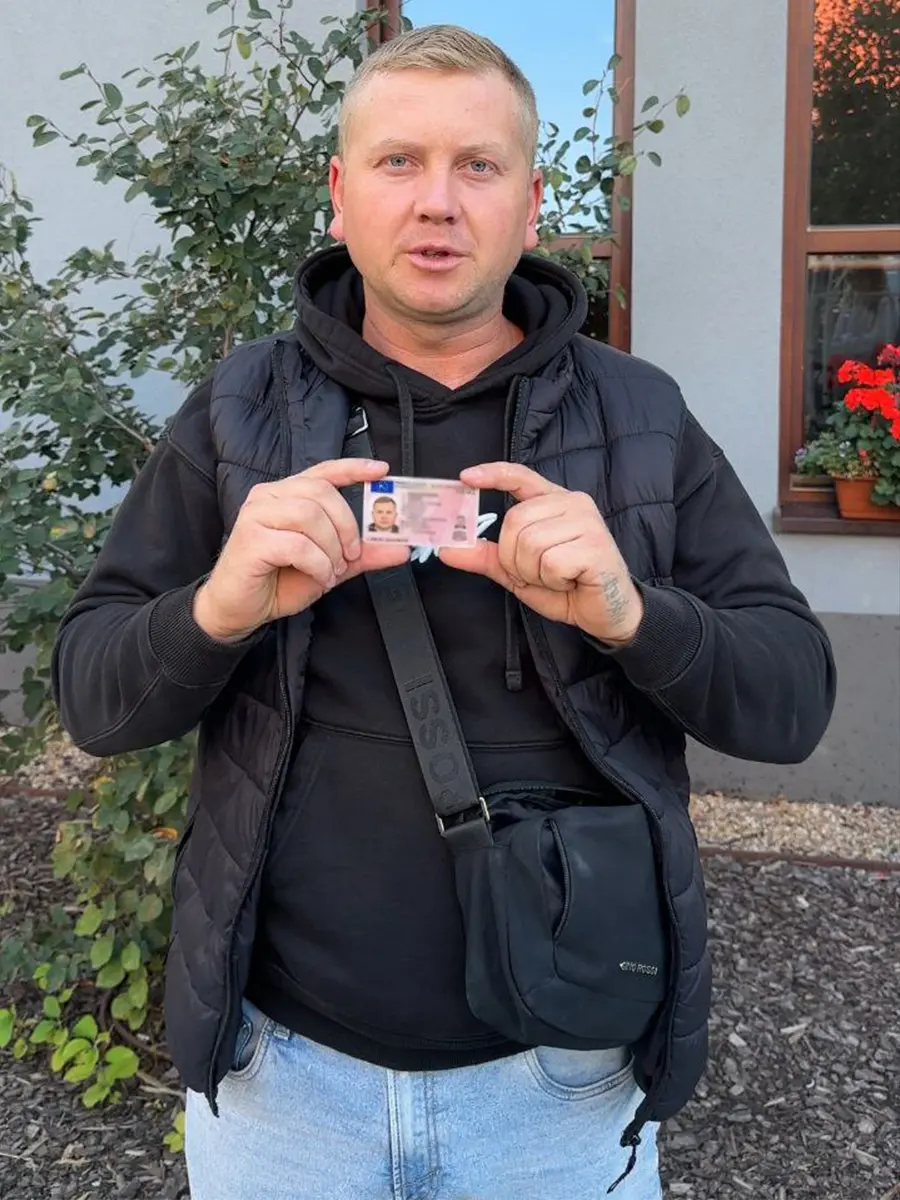
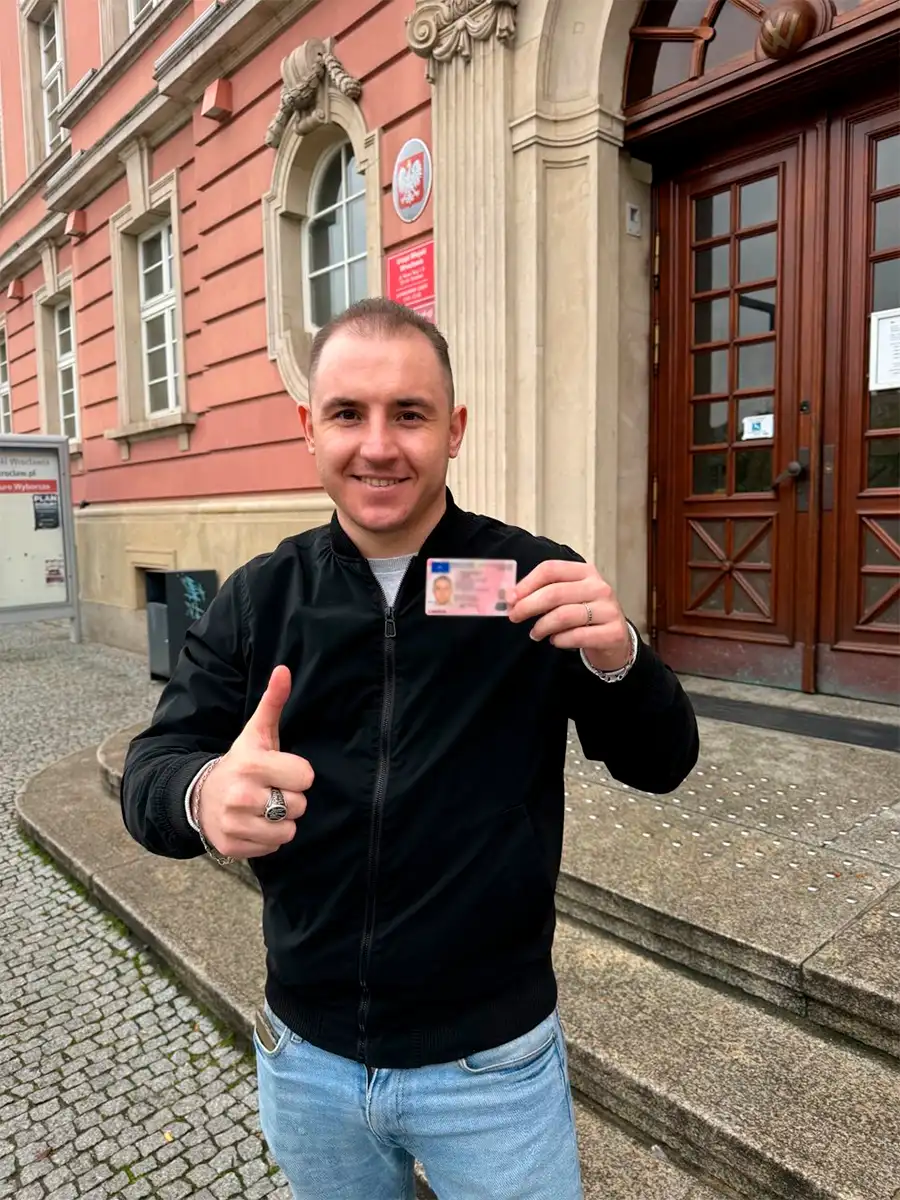
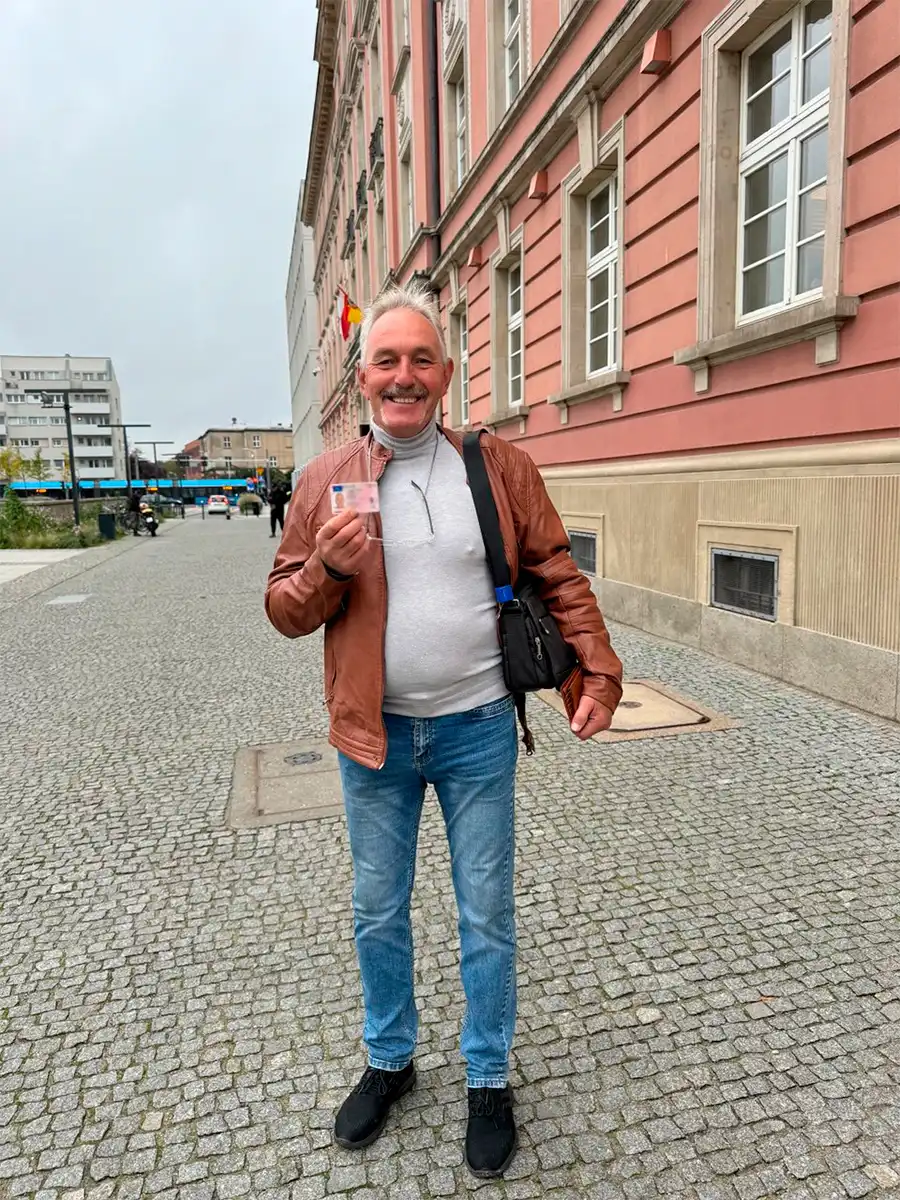
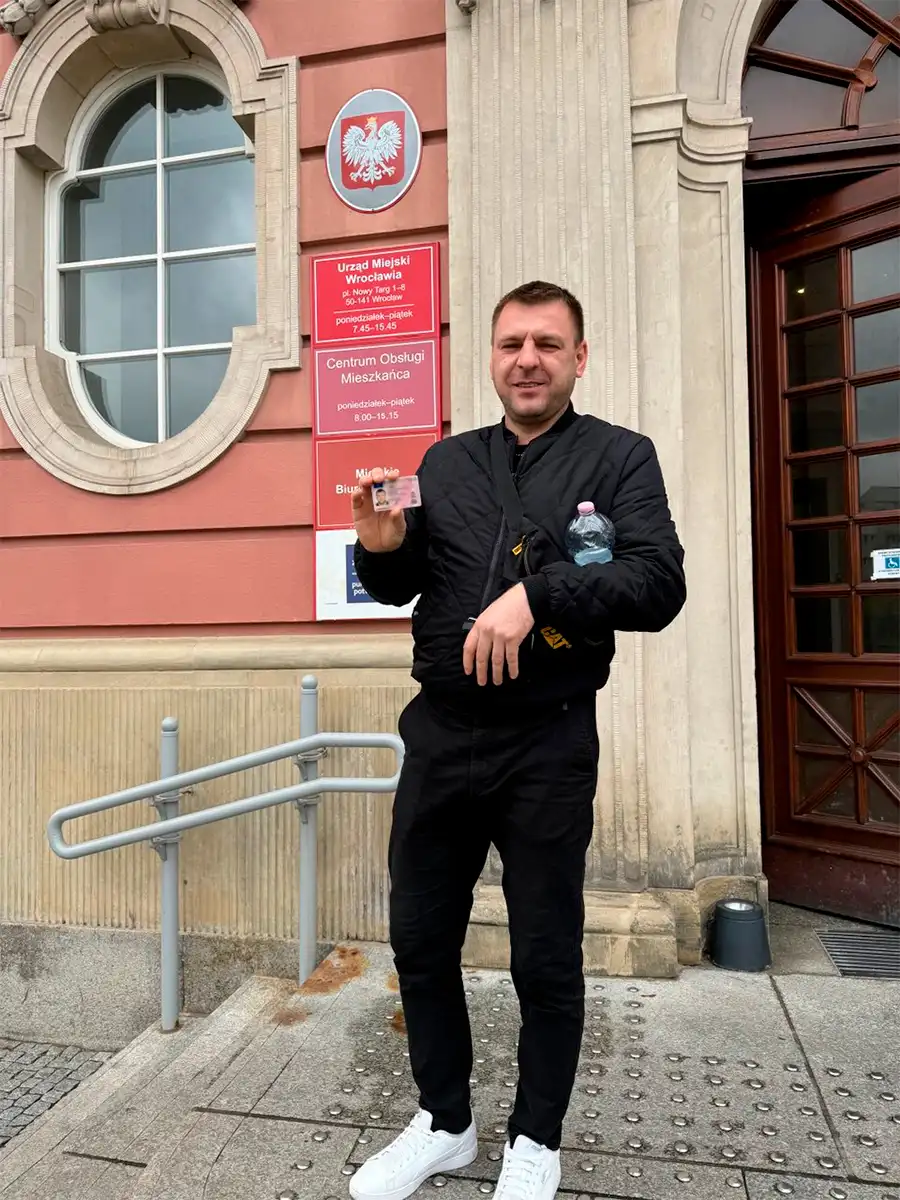
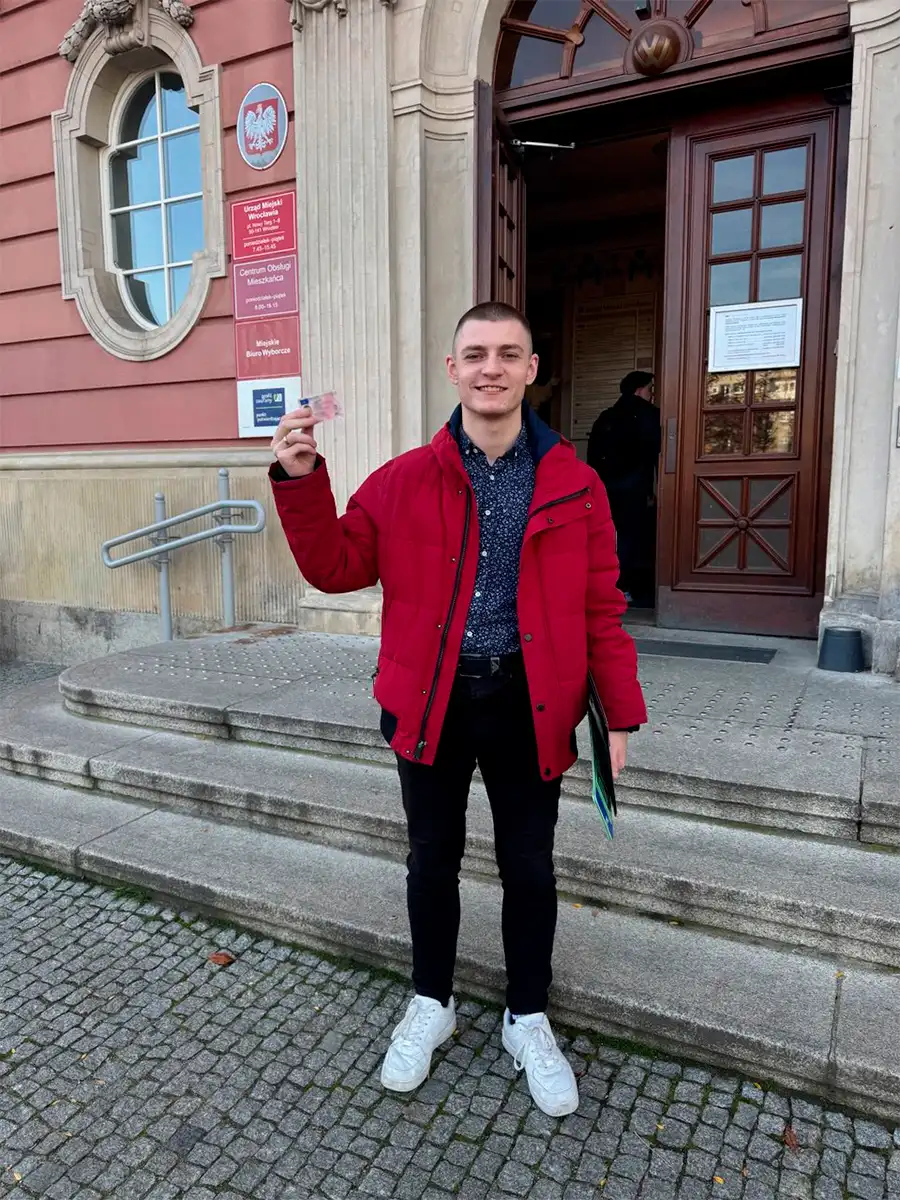
A Polish residence permit is an official document confirming a foreigner’s legal right to stay in the country for a specified period. Physically, it’s a plastic chip-equipped ID card — Karta Pobytu — showing name, surname, date of birth, validity period, and the grounds for issue.
Beyond confirming the right to stay, the card serves as a personal ID within Poland and provides practical benefits:
- Free movement across the Schengen zone — up to 90 days in every 180-day period
- Unlimited entries and exits to and from Poland
- Right to work (depending on grounds)
- Opening a bank account, registering an address, registering a vehicle
- Access to healthcare and social services
- The foundation for obtaining permanent residence and citizenship
Types of Residence Permits: What’s the Difference
Temporary residence permit (zezwolenie na pobyt czasowy)
Issued for between 3 months and 3 years (up to 5 years in some cases). Tied to a specific basis — changing it requires either notifying the office or filing a new application. This is the starting point for most foreigners in Poland.
Permanent residence permit (zezwolenie na pobyt stały)
Issued indefinitely. The physical card is renewed every 10 years, but the status itself doesn’t expire. It provides the maximum range of rights — practically on par with Polish citizens, except for the right to vote in parliamentary elections. After 1 year with permanent status, you can apply for citizenship.
EU long-term resident permit (zezwolenie na pobyt rezydenta długoterminowego UE)
Available after 5 years of continuous lawful residence. The key distinction from Polish permanent residence: the EU long-term resident card gives the right to live and work in any EU country without needing a separate permit in each one.
Full List of Grounds for a Polish Residence Permit
Ground 1: Employment
The most common ground. An employment contract with a Polish employer plus a work permit (or a single combined residence and work permit). The card is issued for the contract duration, up to 3 years. Dismissal must be reported to the office within 15 days.
Ground 2: Business (JDG or Spółka z o.o.)
Running your own business is one of the most appealing grounds — but also one of the most rigorously verified. Full details on cases, requirements, and mistakes are in the dedicated guide on residence permit through business in Poland.
Ground 3: Study
For full-time students at Polish universities. The card covers the study period plus 3 months. Important: study time counts toward the EU long-term resident period at only half the actual duration.
Ground 4: Family reunification
If a family member with legal status is already in Poland, this qualifies as grounds for your own card. Advantage: a family reunification card holder has labour market access without separate work permits. Restriction: temporary residents can only bring family members after 2 years of residence.
Ground 5: Marriage to a Polish or EU citizen
A separate streamlined mechanism. Card issued for up to 3 years. After 2 years on this basis with a Polish citizen, permanent residence becomes available — one of the fastest routes to settled status.
Ground 6: EU Blue Card
A specialized permit for highly qualified professionals with a qualifying salary. Details are in the guide on European residence permit for qualified specialists.
Ground 7: Scientific and research activity
For academics, researchers and lecturers at Polish institutions. After completing a project, there’s the right to apply for a card for job searching or business activity for up to 9 months.
Ground 8: Volunteering
After signing a contract with a Polish organization under a programme approved by the Ministry of Interior. Proof of income, accommodation, and funds for return travel is required.
Ground 9: Humanitarian grounds and protection
Refugee status, subsidiary protection, temporary protection (UKR/CUKR for Ukrainians) — separate mechanisms with their own rules and rights.
Ground 10: Other circumstances (inne okoliczności)
A separate legal provision for non-standard situations — when no standard ground applies but there are genuine circumstances justifying staying in the country.

Grounds for Permanent Residence in Poland
After 5 years of continuous lawful residence
The standard route for most foreigners. The five years run from first legal entry, but not every basis counts equally:
- Employment, business, family reunification, marriage — count in full
- Study — counts at half the actual duration
- Temporary protection (UKR) — doesn’t count; CUKR card counts toward EU long-term residency
- Refugee or subsidiary protection status — counts in full
Through the Pole’s Card — no prior residence required
Pole’s Card holders have a unique right: they can apply for permanent residence immediately on arrival in Poland, without the 5-year wait. This is the fastest route to settled status available.
Through marriage to a Polish citizen — after 2 years
A spouse of a Polish citizen can apply for permanent residence after 2 years on that basis — significantly faster than the standard route.
What Permanent Residence Gives You
- Work without any permits or employer restrictions
- Business activity on the same terms as Polish citizens
- Full access to the social protection system and healthcare
- The right to leave Poland for extended periods without losing status
- After 1 year with permanent residence — the right to apply for Polish citizenship
EU Long-Term Resident Card: How It Differs From Polish PR
After 5 years, you can choose between Polish permanent residence and the EU long-term resident card — or hold both. The key distinction: the EU card opens the door to simplified legalization in any other EU country.
Requirements: 5 years of continuous lawful residence, confirmed stable income, health insurance, and basic Polish language proficiency confirmed by a certificate or other documentation.
The Path to Polish Citizenship
- Naturalization after 3 or 5 years with permanent residence, depending on grounds
- Through the Pole’s Card — after 1 year with permanent status
- Through a Polish spouse — after 3 years of marriage and 2 years of lawful residence
- Recognition of citizenship — for people with Polish heritage
Mandatory conditions for naturalization: Polish language at B1 level, no criminal record, stable residence and income source.
Step-by-Step Application Procedure in 2026
Step 1: identify your grounds
Everything else follows from this. Wrong grounds means a refusal or wasted time. If in doubt — consult before filing.
Step 2: prepare documents
- Application through MOS 2.0 (from 27 April 2026 — exclusively online)
- Passport — PDF scan of all pages
- Digital photo in JPG format
- Documents proving the grounds — employment contract, university documents, business documents, etc.
- Proof of sufficient funds
- Proof of accommodation — lease agreement or meldowanie
- Health insurance
- Stamp duty PLN 340 + PLN 100 for card production
Step 3: file through MOS 2.0
All applications from April 2026 are filed exclusively online through the MOS 2.0 portal. Authentication requires Profil Zaufany or a qualified electronic signature.
Step 4: zaświadczenie and waiting period
Once the case is opened, a zaświadczenie appears in your MOS 2.0 dashboard — this legally replaces the old passport stamp. Processing: 4 to 12 months depending on the voivodeship.
Step 5: collect the card
After a positive decision — a biometric appointment. The card is produced and ready within 2 to 4 weeks.
Realistic Timelines: From First Permit to Citizenship
- Standard route through employment or business: residence permit → 5 years → permanent residence or EU resident card → 1 to 3 years → citizenship. Total: 6 to 8 years
- Through the Pole’s Card: immediate permanent residence → 1 year → citizenship. Total: 1.5 to 2 years
- Through marriage to a Polish citizen: residence permit → 2 years → permanent residence → 1 year → citizenship. Total: 3 to 4 years