Poland and Kazakhstan operate under entirely different legal frameworks — different visa requirements, different document standards, different procedures for legalisation. Most people planning this move find the same thing: plenty of general information online, very few concrete answers for their specific situation. This guide is a practical roadmap for Kazakhstani citizens who’ve decided to move to Poland and want to do it right the first time.
Do Kazakhstani Citizens Need a Visa To Enter Poland?
Yes — a visa is required. Kazakhstan has no visa-free arrangement with the EU. For short stays, a Schengen C visa covers up to 90 days. For long-term relocation, a national D visa is the starting point — issued for a specific purpose: work, study, family reunification, or business. The D visa is what allows you to enter Poland legally and begin the residence card process.
D visa applications go to the Polish Embassy in Astana or the Consulate in Almaty. Book the appointment well in advance — waiting times for slots can run several weeks, especially during peak periods.
Legal Grounds for a Residence Card Available to Kazakhstani Citizens
A residence card is the core document confirming legal stay in Poland beyond the visa period. Kazakhstani citizens have access to the same grounds as other third-country nationals.
Employment — the most common ground. A job offer or active employment contract with a Polish employer is a solid basis for a temporary residence card, issued for up to 3 years with straightforward renewal.
Study — enrollment at a Polish university or college. A student residence permit covers the duration of studies and includes the right to work part-time without a separate work permit.
Business — opening or relocating a company to Poland. The country actively attracts entrepreneurs from CIS countries, and business owners have dedicated legalisation pathways.
Marriage to a Polish or EU citizen — provides access to a residence card based on marriage with an accelerated procedure and a stable long-term status.
Qualified specialist — for IT professionals, engineers, doctors and other skilled workers, there’s a dedicated European residence permit for qualified specialists that opens access to the EU labour market as a whole.

Step-by-Step Relocation Route From Kazakhstan to Poland
- Identify your legal ground. Work, study, business, marriage — everything else follows from this: visa type, document list, card duration.
- Prepare documents in Kazakhstan. Most Kazakhstani documents require an apostille and sworn Polish translation. Do this before leaving — it’s faster and cheaper at home.
- Apply for a D visa. Submit your application to the Polish Embassy in Astana or Consulate in Almaty with documents confirming your long-stay ground.
- Enter Poland and register your address. Address registration is the first step after arrival. Without it, you can’t get a PESEL or file for a residence card.
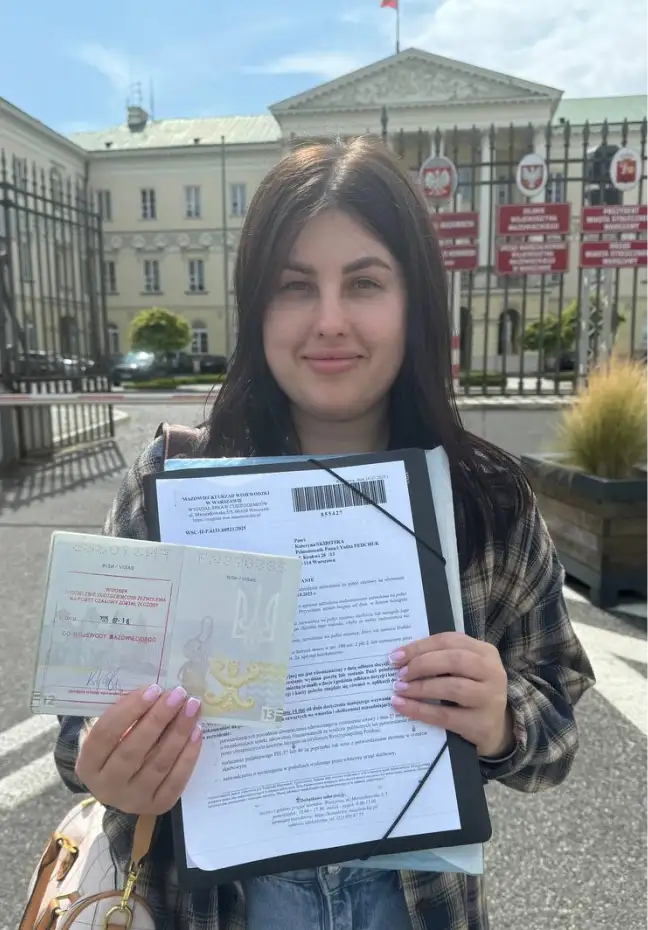
- File your residence card application. Do this before your D visa expires. The Urząd stamps your passport — you remain legally present until the decision arrives.
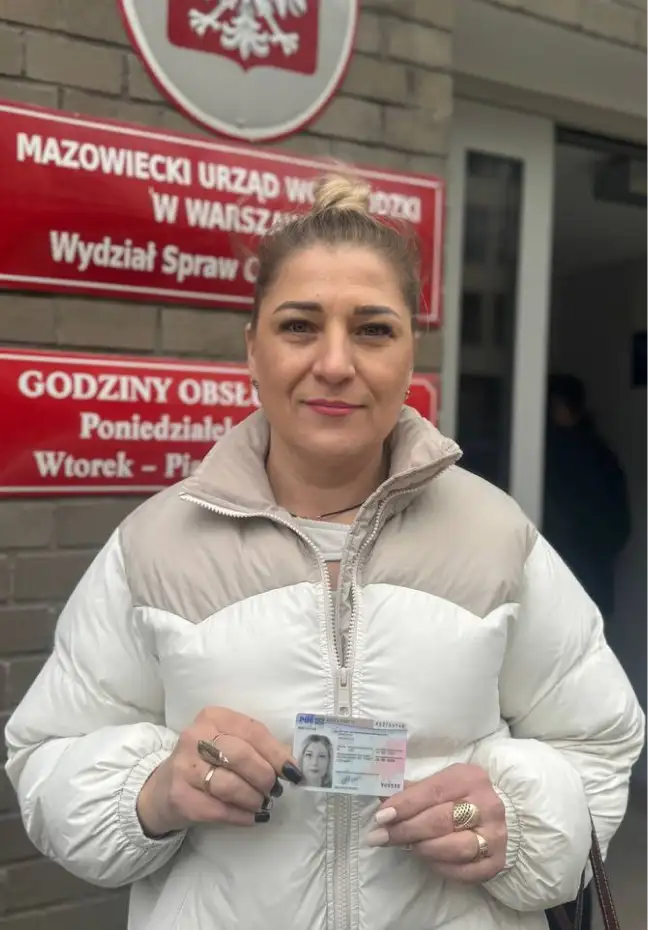
- Collect your card. Typically 2–4 months depending on the voivodeship and legal ground.
Kazakhstani Documents: What To Prepare and How
This stage is consistently underestimated. Kazakhstani documents — passports, degrees, marriage certificates, background checks — have specific requirements for the Polish Urząd.
What typically needs to be prepared:
- International passport with sufficient validity (at minimum through the planned stay, plus a buffer)
- Degree or educational certificate — with apostille and sworn translation (if the ground involves qualifications)
- Marriage or birth certificate — with apostille (if the ground is family-based)
- Criminal record clearance from Kazakhstan — with apostille and translation (required for certain grounds)
- Employment records or work history documentation (to confirm professional experience)
Apostilles on Kazakhstani documents are issued through the Ministry of Justice of the Republic of Kazakhstan or its regional offices. Processing takes from a few days to several weeks depending on the document type and submission method.
Moving to Poland With a Business: What To Factor In
Poland is an attractive destination for Kazakhstani entrepreneurs. EU membership, developed infrastructure, proximity to European markets, and relatively straightforward company registration make it a logical choice for business relocation.
Two main structures are available: JDG (sole trader) or Spółka z o.o. (limited liability company). The choice significantly affects taxation, liability exposure, and growth options. A detailed comparison is on our JDG vs Spółka z o.o. for business relocation page.
One thing worth knowing upfront: registering a company in Poland doesn’t automatically create a legal ground for a residence card. Genuine business activity and specific eligibility criteria must be demonstrated. Get advice before you register — not after.
What Happens if Your Situation Changes After You Arrive?
Relocation isn’t a single event — it’s an ongoing process. People change jobs, start studying, get married, launch businesses. Each change can affect the legal ground for a residence card.
If your ground has shifted, there’s a formal procedure for changing the basis of stay in Poland. This allows a legal transition from one ground to another without losing status or having to leave the country.
The important thing is not to ignore changes or assume they won’t matter. The Urząd checks ground alignment at every renewal. A mismatch is one of the leading causes of refusal on second and third applications.
Realistic Timeline for Relocating From Kazakhstan to Poland
- Document preparation in Kazakhstan — 1–2 months (apostilles, translations, certificates)
- D visa application and processing — 2–8 weeks after submission to the embassy
- Entry and address registration in Poland — first week after arrival
- Residence card application filing — immediately after registration, before the visa expires
- Residence card processing — 2–4 months depending on the voivodeship
Total, from decision to card in hand: approximately 4–8 months. With proper preparation and no document errors — closer to 4. With errors or an incomplete package — significantly longer.