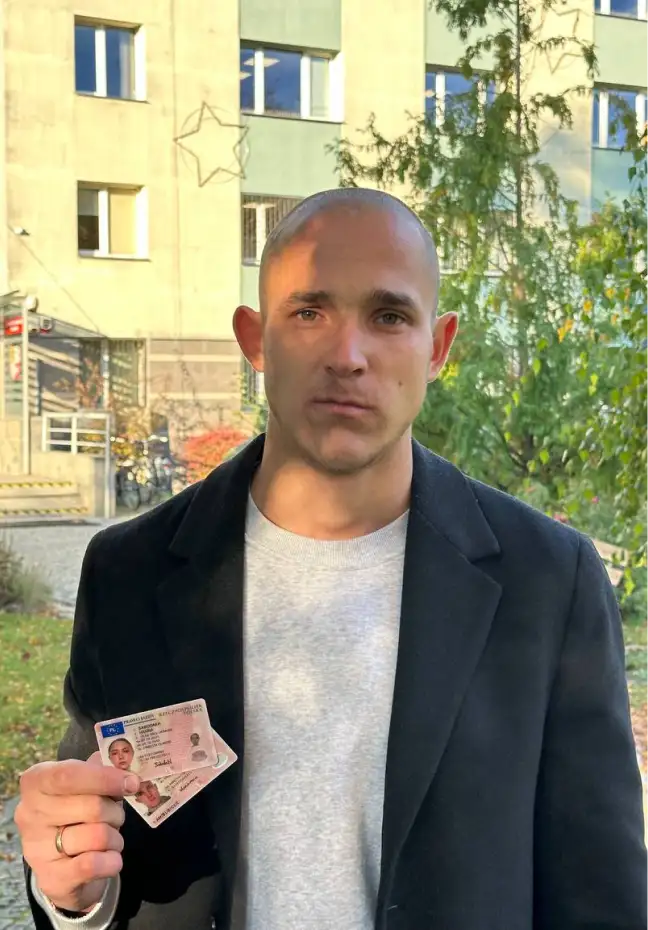
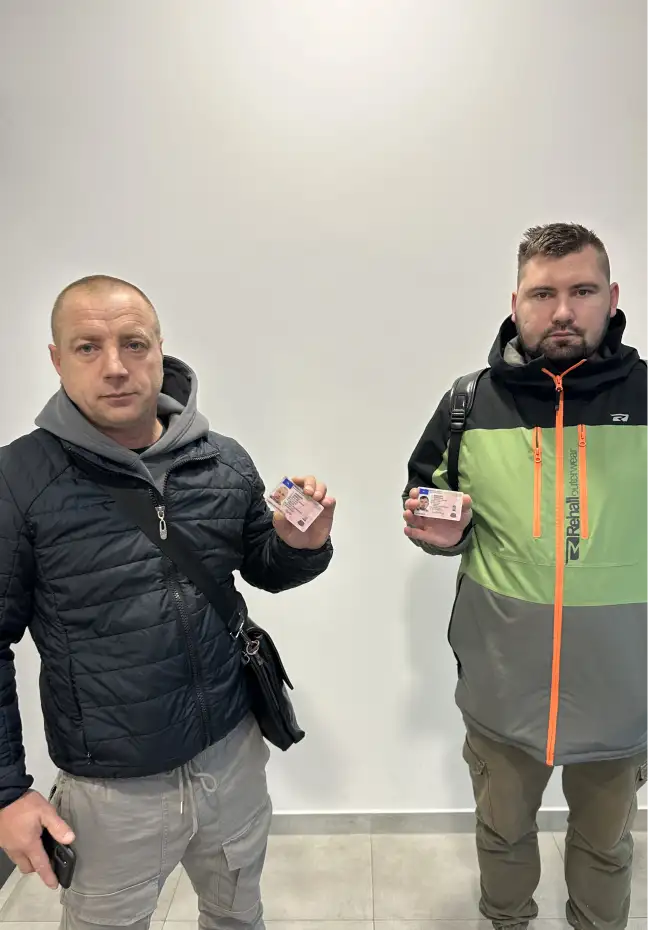
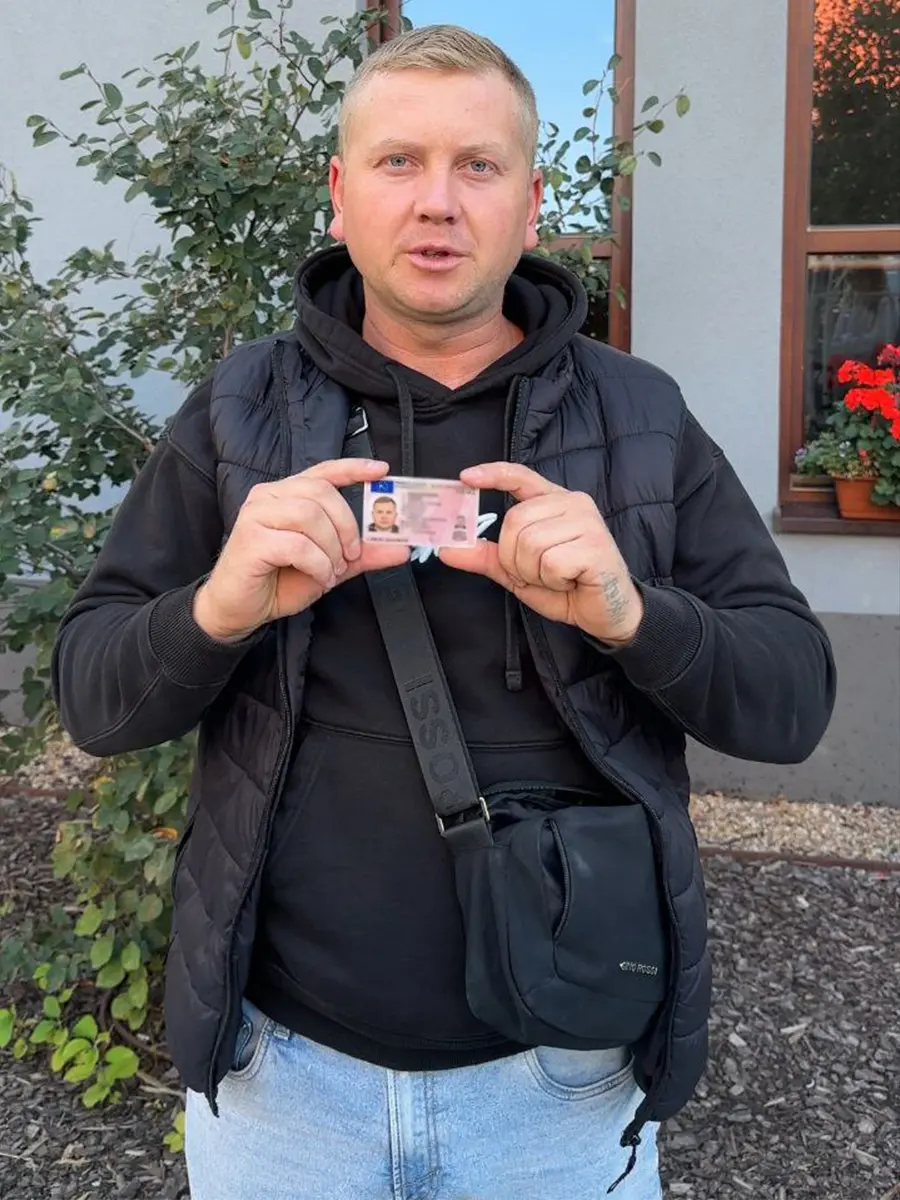
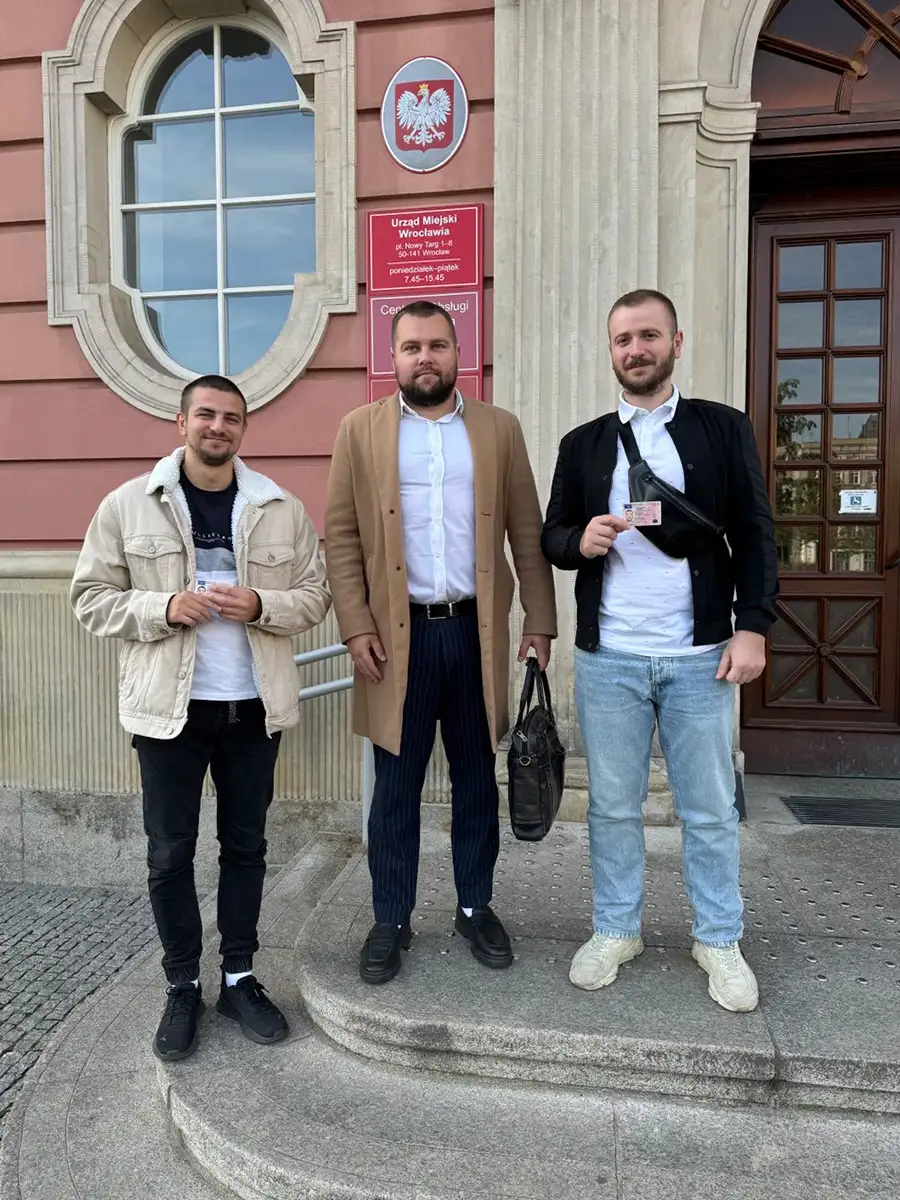
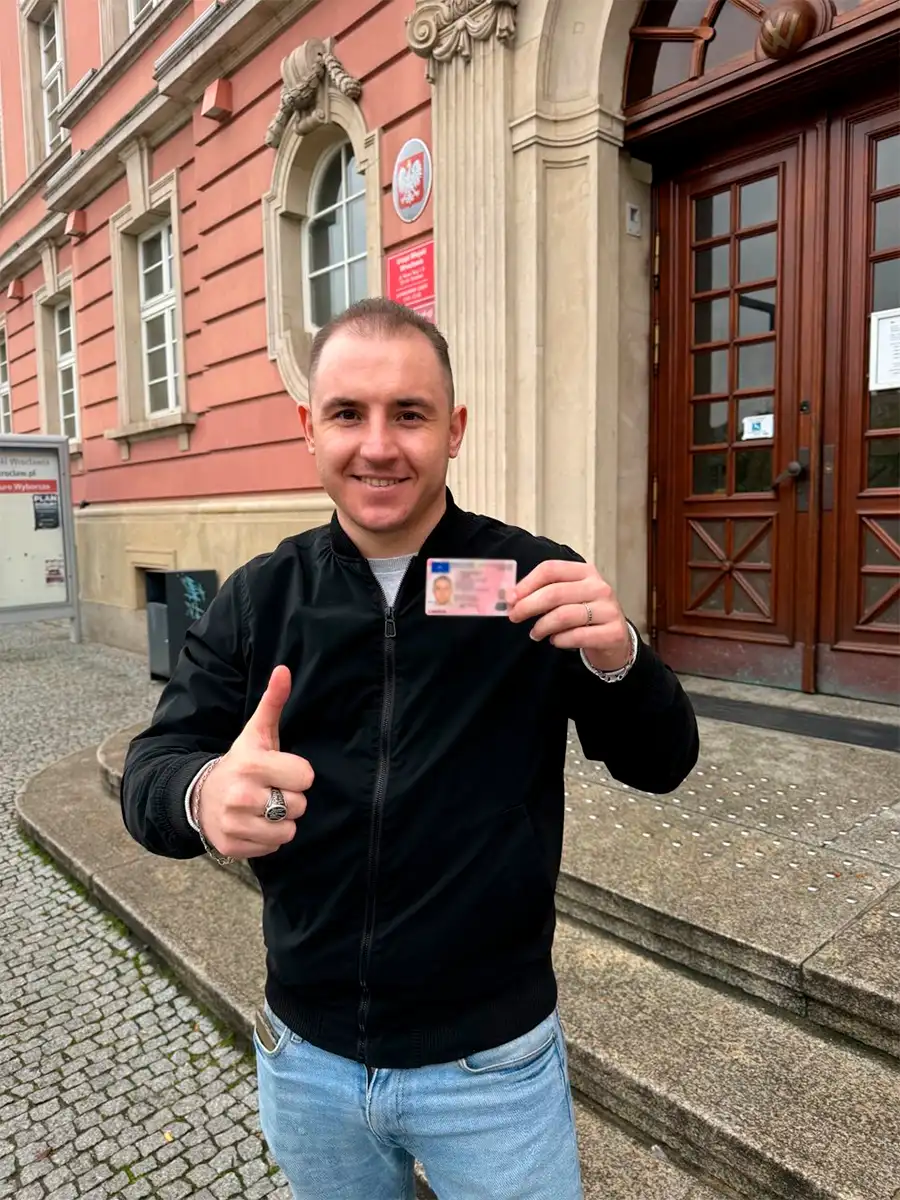
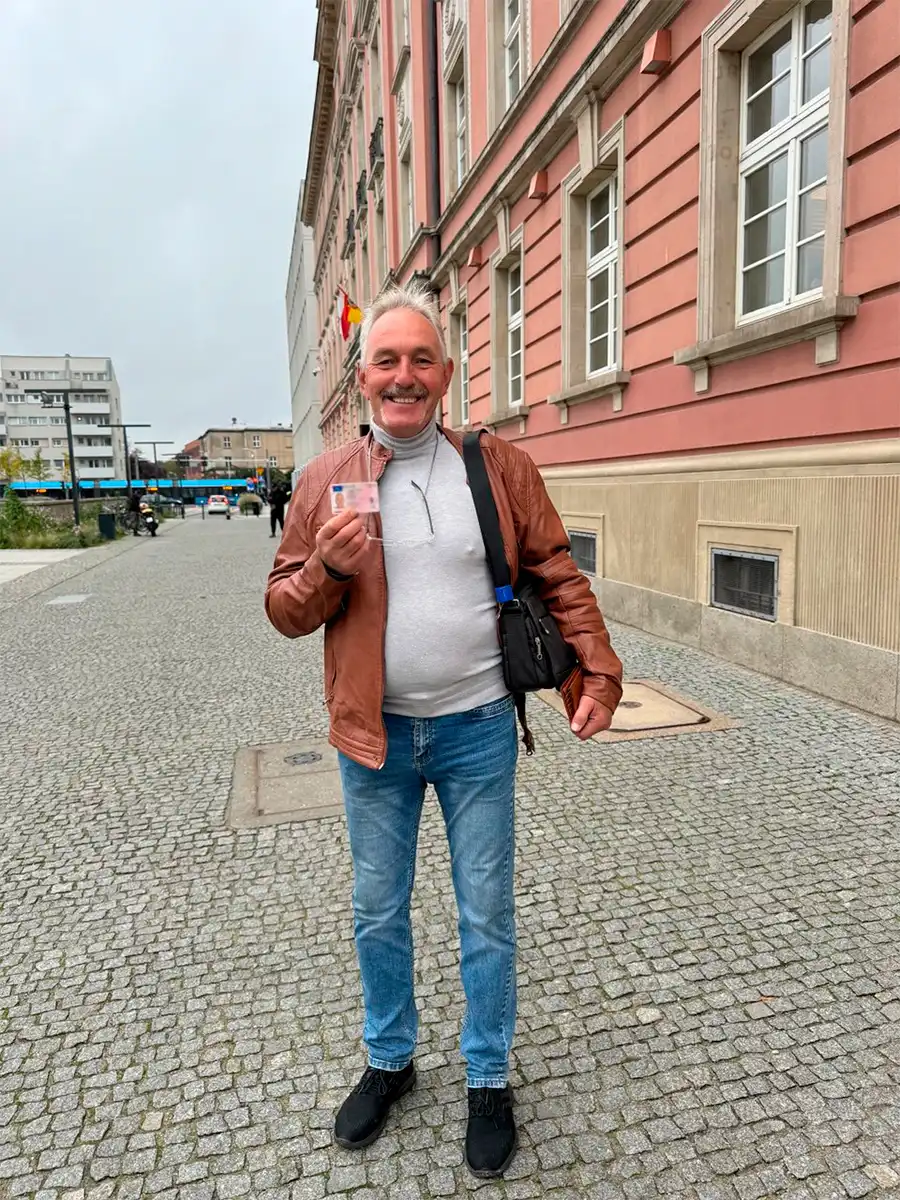
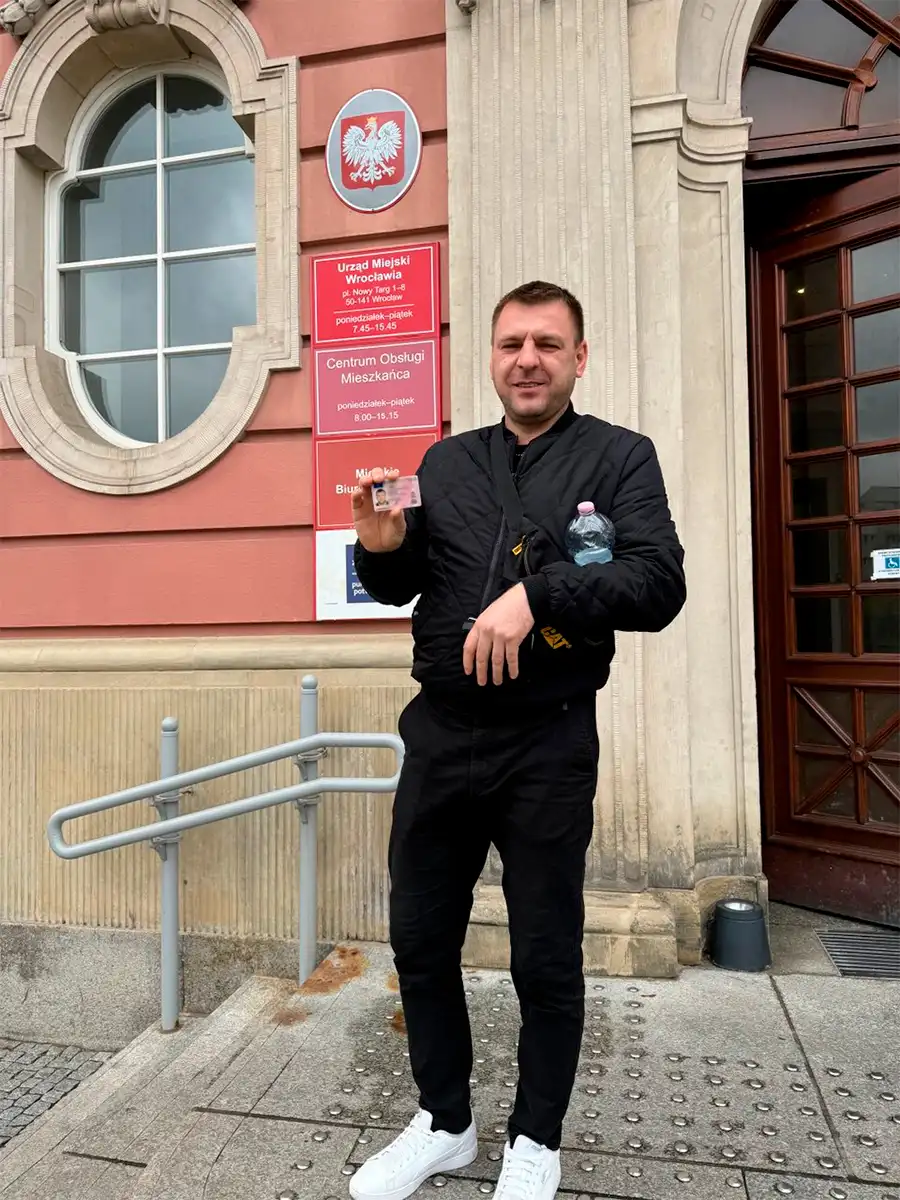
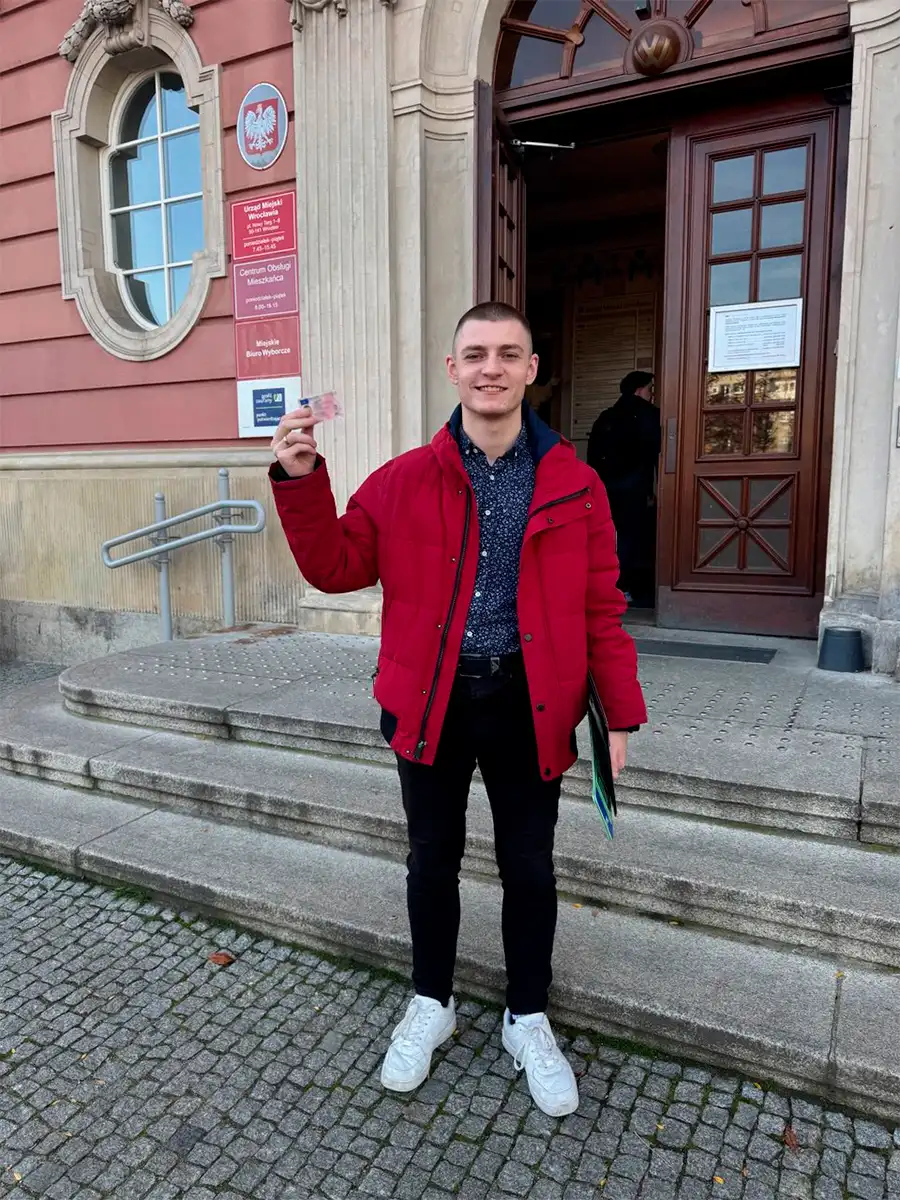
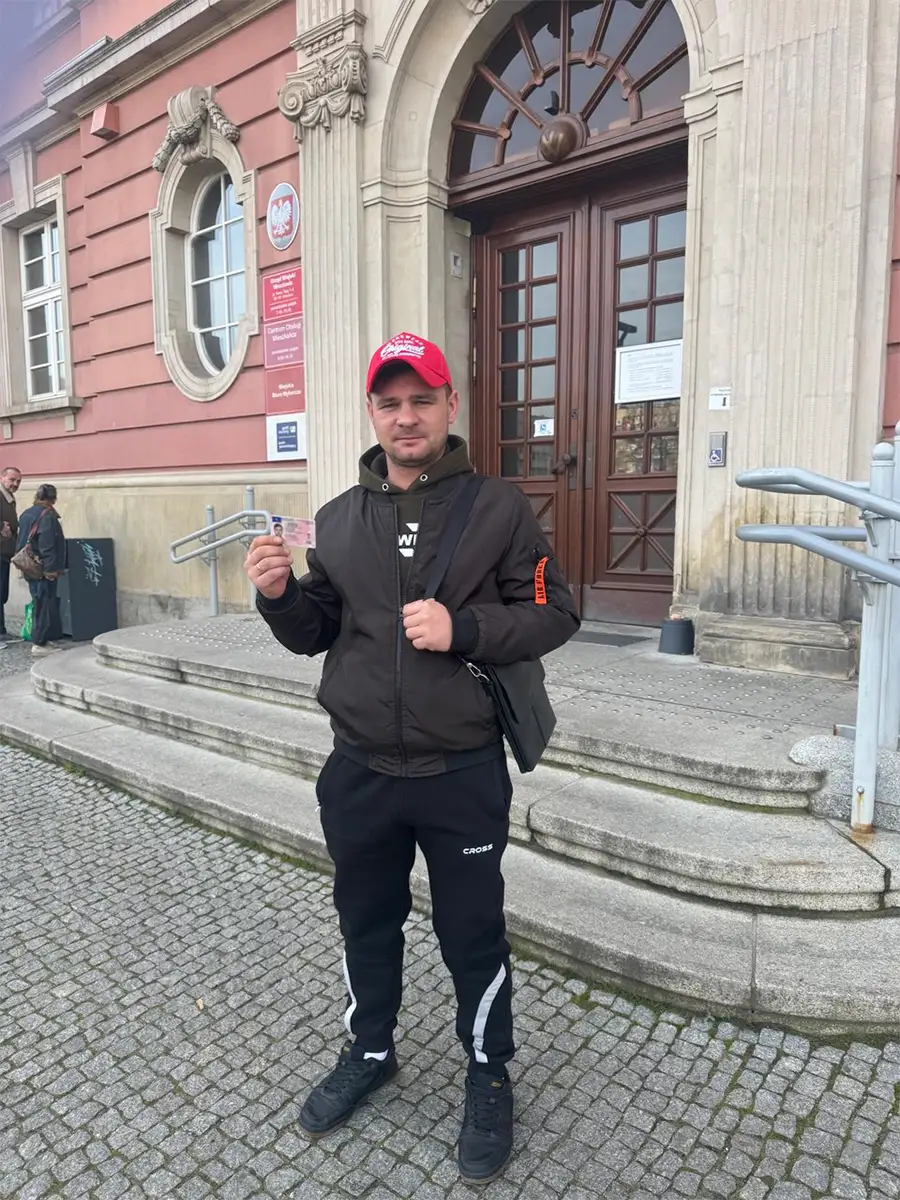
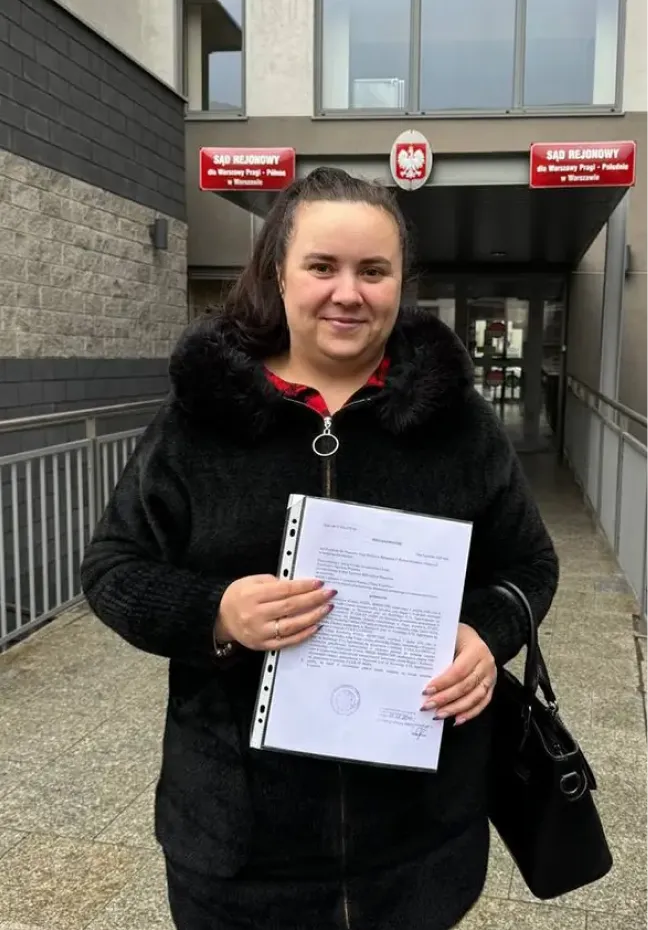
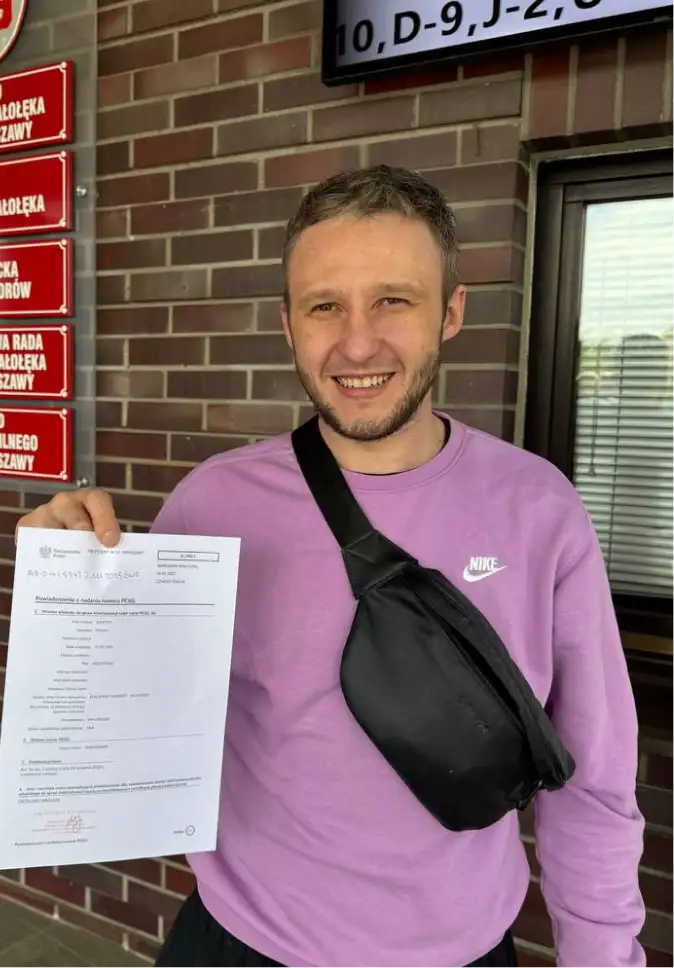
UKR status in Poland gave people the right to stay — but it always came with one fundamental limitation: it offered no sense of stability. Leave for more than 30 days and the status was at risk. No physical document in hand beyond a PESEL number. No entry in a resident registry.
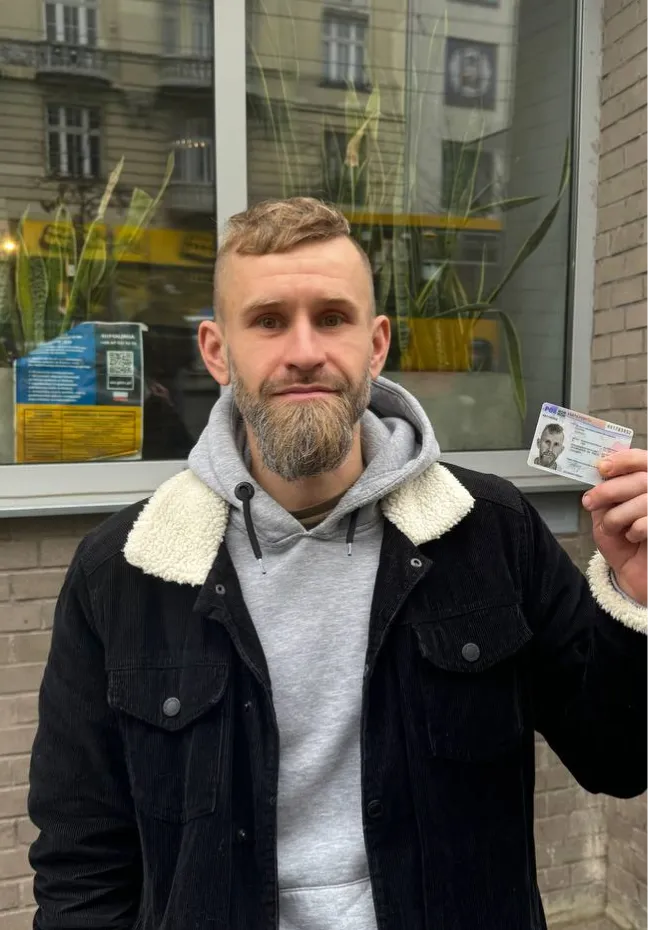
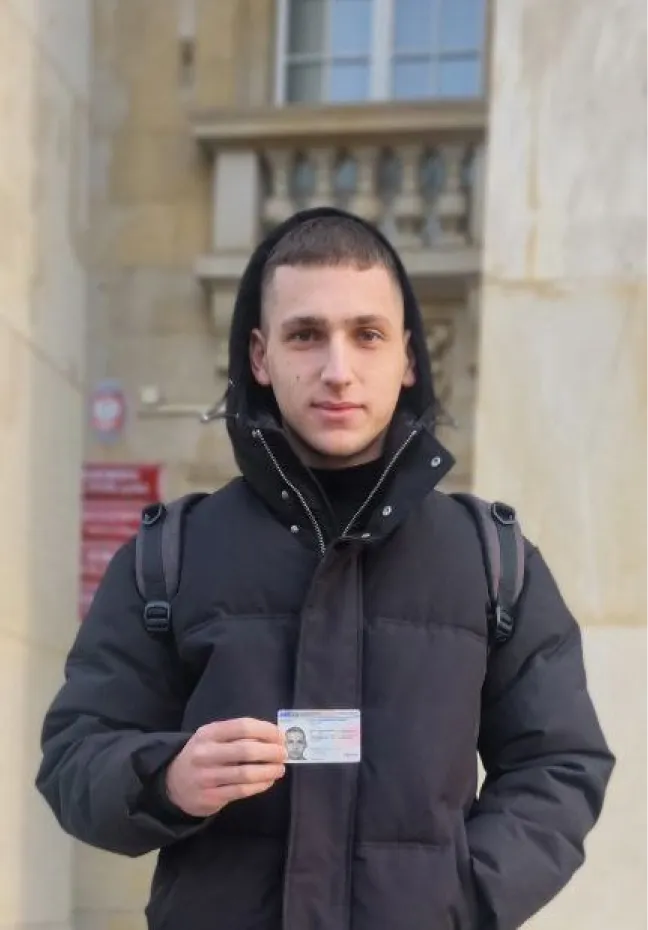
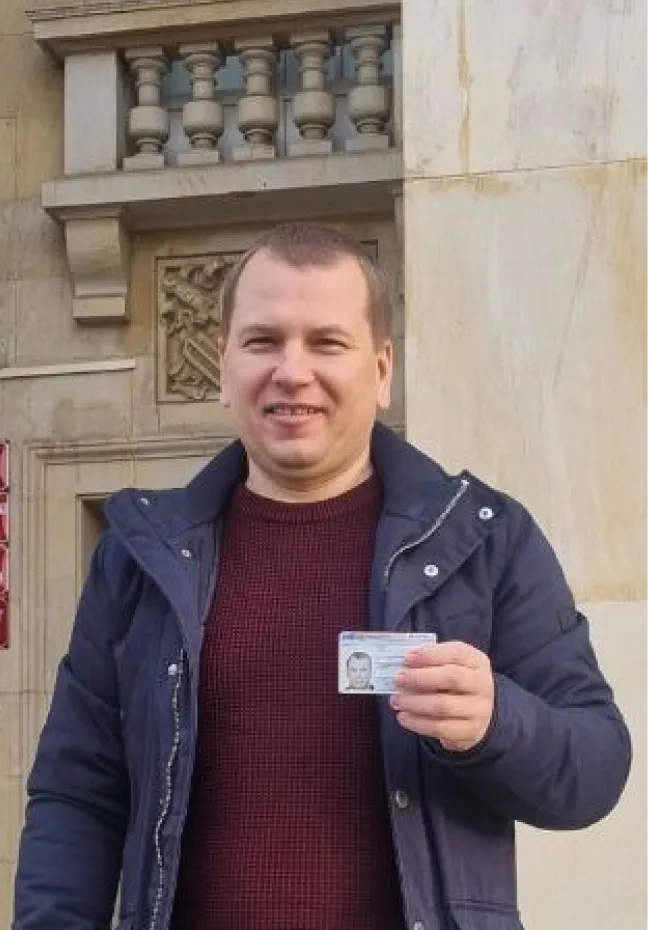
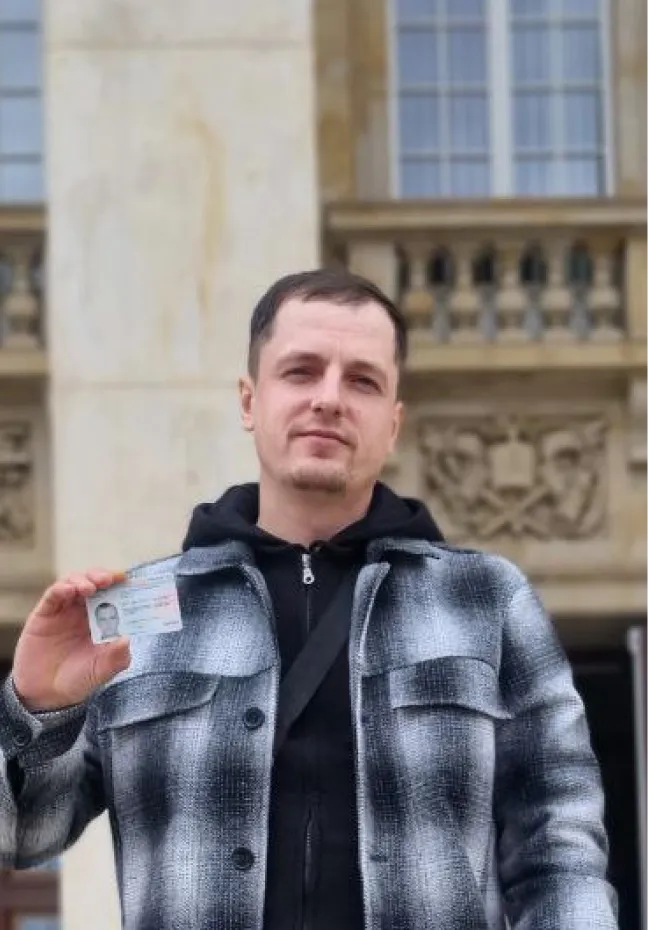
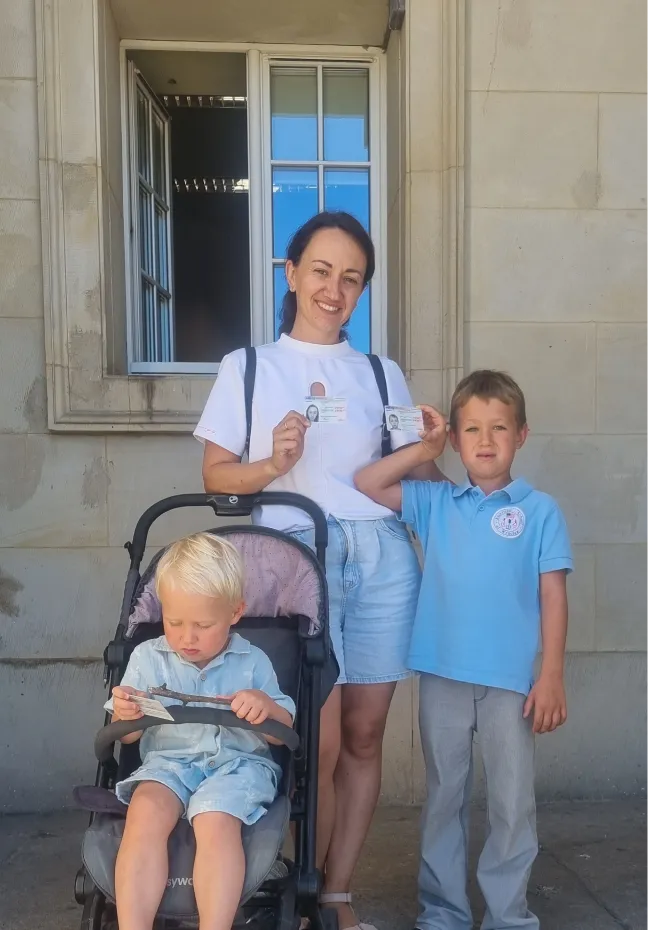
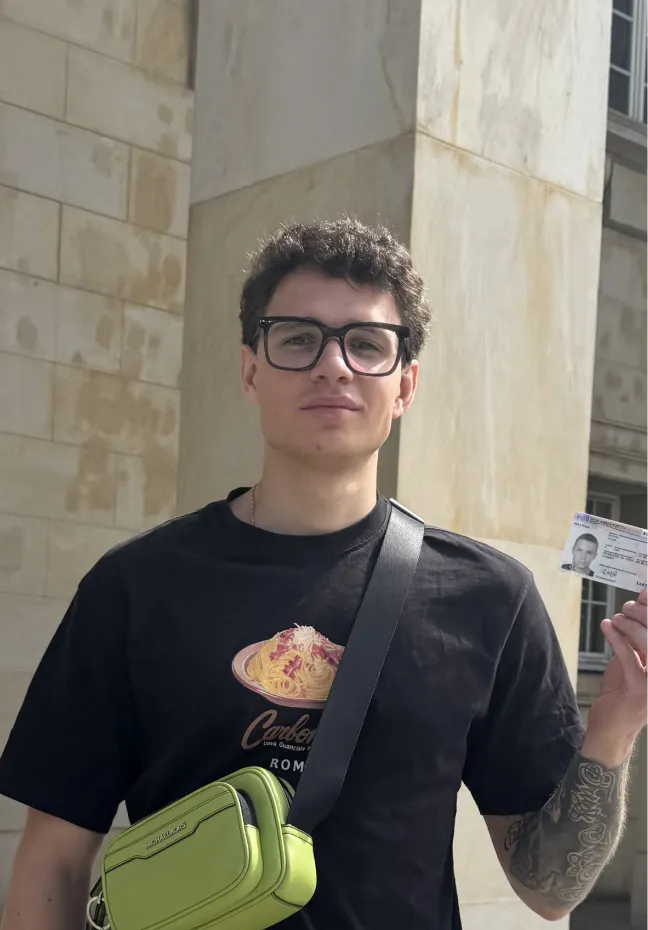
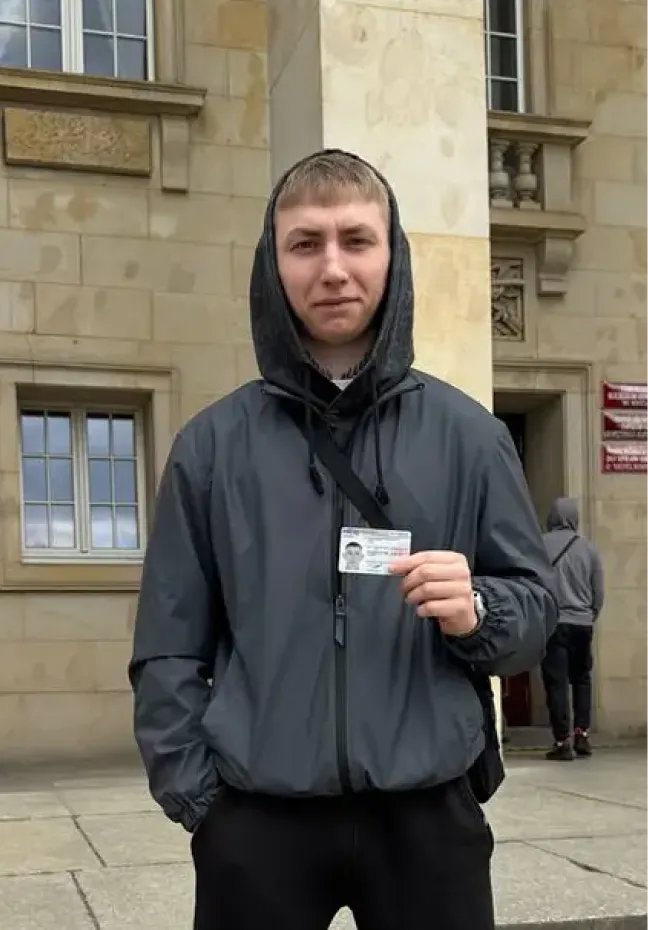
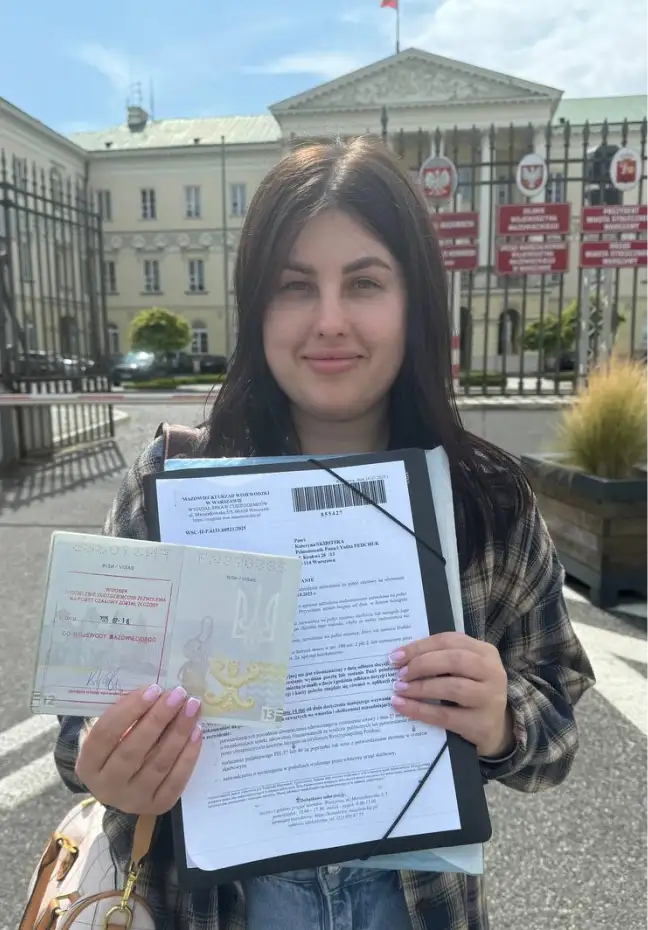
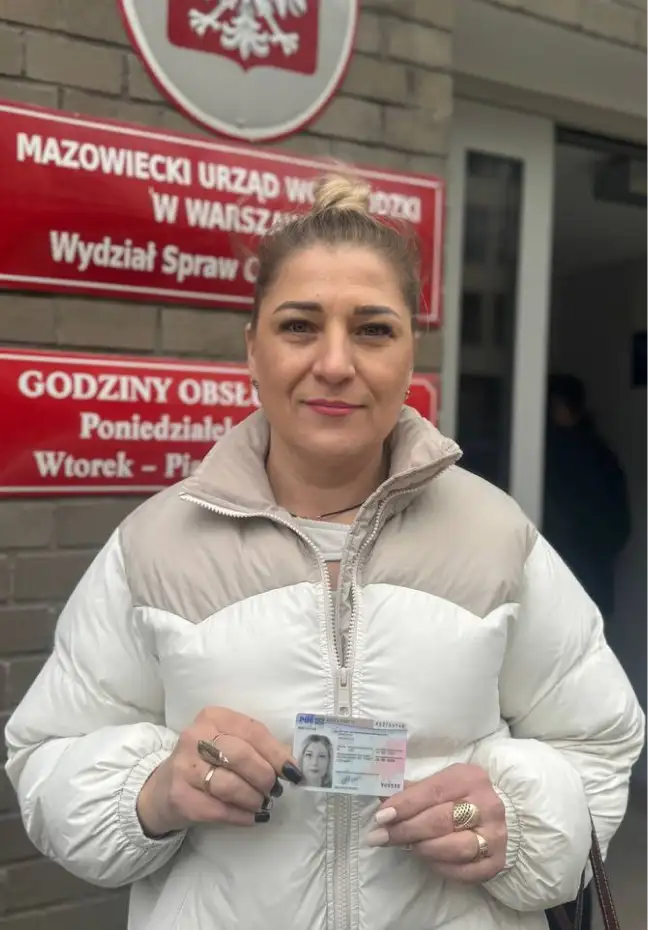
From 4 May 2026, Ukrainians holding UKR status gained access to a fundamentally different tool — the temporary protection residence card, known as the CUKR card. It’s a full three-year residence permit, issued voluntarily, that opens up possibilities the UKR status simply couldn’t offer.
What the CUKR Card Is and How It Differs From UKR Status
The temporary protection residence card (CUKR card) is a special type of residence permit in Poland issued to Ukrainian citizens holding UKR status for a period of three years. At the same time, the PESEL register status changes from UKR to CUKR.
Key differences from the previous status:
- A physical plastic card instead of just a PESEL registry entry
- Trips outside Poland of up to 6 months without losing status (compared to 30 days under UKR)
- Travel within the Schengen zone for up to 90 days in any 180-day period
- Time spent in Poland with the CUKR card counts toward the period required for EU long-term resident status
- Continued full access to the labour market and business activity on the same terms as Polish citizens
Who Can Apply for the CUKR Card
The CUKR card is available to Ukrainian citizens and persons equated with them under the Special Act, who simultaneously meet all of the following conditions:
- Already held UKR status as of 4 June 2025
- Hold UKR status on the day the application is submitted
- Have held UKR status continuously for at least 365 days
Applications are accepted exclusively between 4 May 2026 and 4 March 2027. After that date, the application window closes.

When and How Children Can Get the CUKR Card
Children who came from Ukraine
A minor child is entitled to the CUKR card if they meet the same requirements as adults: held UKR status as of 4 June 2025, hold it on the date of application, and have held it continuously for at least 365 days. The application on behalf of the child is filed by a parent or legal guardian.
Children born in Poland
For children born in Poland, the procedure is tied to the mother’s status. A child may receive the CUKR card if:
- The child’s mother legally arrived from Ukraine after 24 February 2022 due to armed conflict
- The child holds UKR status on the date the application is filed
- The child’s mother has already received the CUKR card or a positive decision (decyzja)
Who Will Have Their Application Rejected
The MOS 2.0 system automatically cross-checks the PESEL UKR register. An application will not be submitted if any of the following data is missing from the register:
- First and last name
- Date of birth
- Sex
- Citizenship
- Series, number, and expiry date of the current passport
- Fingerprints or a note confirming physical impossibility of taking them
- Handwritten signature sample (for persons over 12 years old)
If the system detects missing or outdated data, the application simply won’t go through. The system will specify what needs to be updated. In that case, visit the nearest Urząd Gminy, update the register data — and only then return to filing the application.
How To Apply for the CUKR Card: Step-by-Step Guide
Step 1: prepare before filing
Before starting work in the system:
- Check that your PESEL UKR register data is current — passport, fingerprints, signature
- Create a new account in MOS 2.0 through login.gov.pl (old accounts are no longer valid)
- Confirm that your Profil Zaufany is active and matches your passport data
- Update your digital photo if the one stored in the UKR database is outdated
Step 2: fill in the application
The application is submitted exclusively electronically through the MOS 2.0 system — applications filed by any other means will not be reviewed.
The form includes:
- Personal details: name, surname, previous names and surnames, birth surname, parents’ names
- Date and place of birth, country of birth, nationality, citizenship
- Sex, height, eye colour, distinguishing features, marital status
- PESEL number
- Ukrainian passport details: series, number, issue date, expiry date, issuing authority
- Place of residence in Poland
- Information about criminal records and proceedings
- Declaration confirming the accuracy of the information provided
Fingerprints and signature samples are pulled from the database automatically — no separate submission is required if the data is already in the register.
Step 3: pay the fees
The following fees must be confirmed at the time of filing:
- Stamp duty for processing the application — PLN 340
- Card production fee — PLN 100 for adults, PLN 50 for persons under 18
Digital confirmation of both fee payments must be provided together with the application. Without it — the application will be refused.
Step 4: sign and submit
The application is signed electronically or through Profil Zaufany. After successful signing and submission, you can save the application in PDF and XML formats and receive an official delivery confirmation — UPO.
After submission, a notification will arrive at the provided email address about the obligation to activate the e-Doręczenia service — all further correspondence with the office will go through it. It must be activated within 14 days.
Step 5: security check and waiting for a decision
All checks happen outside the applicant’s involvement. The voivodeship office independently contacts the Border Guard, police, and Internal Security Agency. Children under 13 are not subject to security checks.
A response must arrive within 30 days of the request. In particularly justified cases, the deadline may be extended to 60 days. If no response arrives within the specified period, the absence of security threats is automatically established.
The overall decision deadline is 90 days from the date of filing (or from the date any formal deficiencies are corrected). In practice, given the expected volume in the first months of the application window, waiting times may be longer.
Who Cannot Get the CUKR Card
Beyond those who don’t meet the eligibility conditions, the card will also be denied to persons who:
- Are listed as foreigners whose presence in Poland is undesirable
- Are in the Schengen Information System with an entry and stay ban
- Whose presence is inadvisable on grounds of national security or public order
- Have not paid the stamp duty or card production fee
Card Parameters and Validity Period
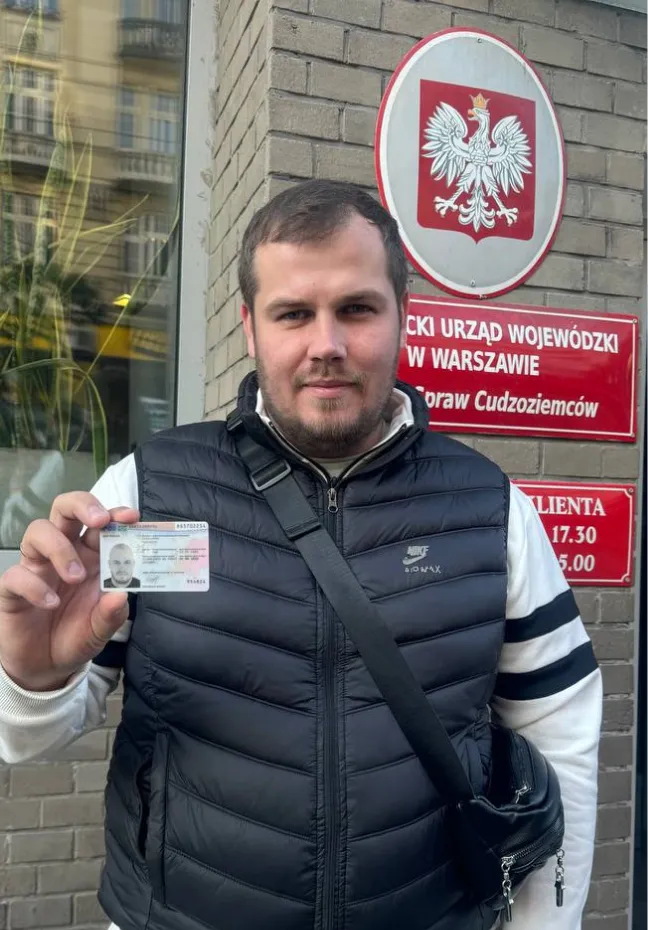
The temporary protection residence card is valid for 3 years. The card will carry the notation “Poprzednio posiadał ochronę czasową” (Previously held temporary protection) and information about the temporary residence permit granted. The residential address is not shown on the card.
A child’s card cannot exceed the validity period of the mother’s card.
Rights and Restrictions of CUKR Card Holders
What the CUKR card unlocks
- Full access to the labour market and business activity on the same terms as Polish citizens — with no notification requirement for employers
- Trips outside Poland of up to 6 months without losing status
- Schengen zone travel for up to 90 days in any 180-day period
- Time spent with the CUKR card counts toward the period required for EU long-term resident status
- All rights provided to holders of a temporary residence card
What changes after receiving the CUKR card
- UKR status is cancelled — along with it, benefits tied exclusively to UKR status disappear
- An obligation arises to notify the voivode of any change of address within 15 working days (through the MOS 2.0 personal dashboard — no in-person visit required)
- If Poland is left for more than 6 months — the card is cancelled
If You’ve Already Filed for a Different Type of Residence Card
If you previously filed for a different type of residence card (for example, based on employment or business) and a decision hasn’t been issued yet — you can still file for the CUKR card. In that case, the proceedings on the previous application that haven’t concluded by the date of the new filing are terminated. Only the CUKR card application will be reviewed, and the previous request will be cancelled.
Other Residence Cards Available to Ukrainians With UKR Status
Ukrainian refugees who are employed or running a business can also apply for standard residence cards on the following grounds:
- Employment
- Highly qualified work (EU Blue Card)
- Family reunification
- Business activity
For persons with PESEL UKR, some procedural parameters are simplified. Specifically: fingerprints don’t need to be resubmitted — they’re taken from the PESEL UKR database. And if such a card is refused after the case is reviewed, the person is still issued a residence card za inne okoliczności for 1 year.