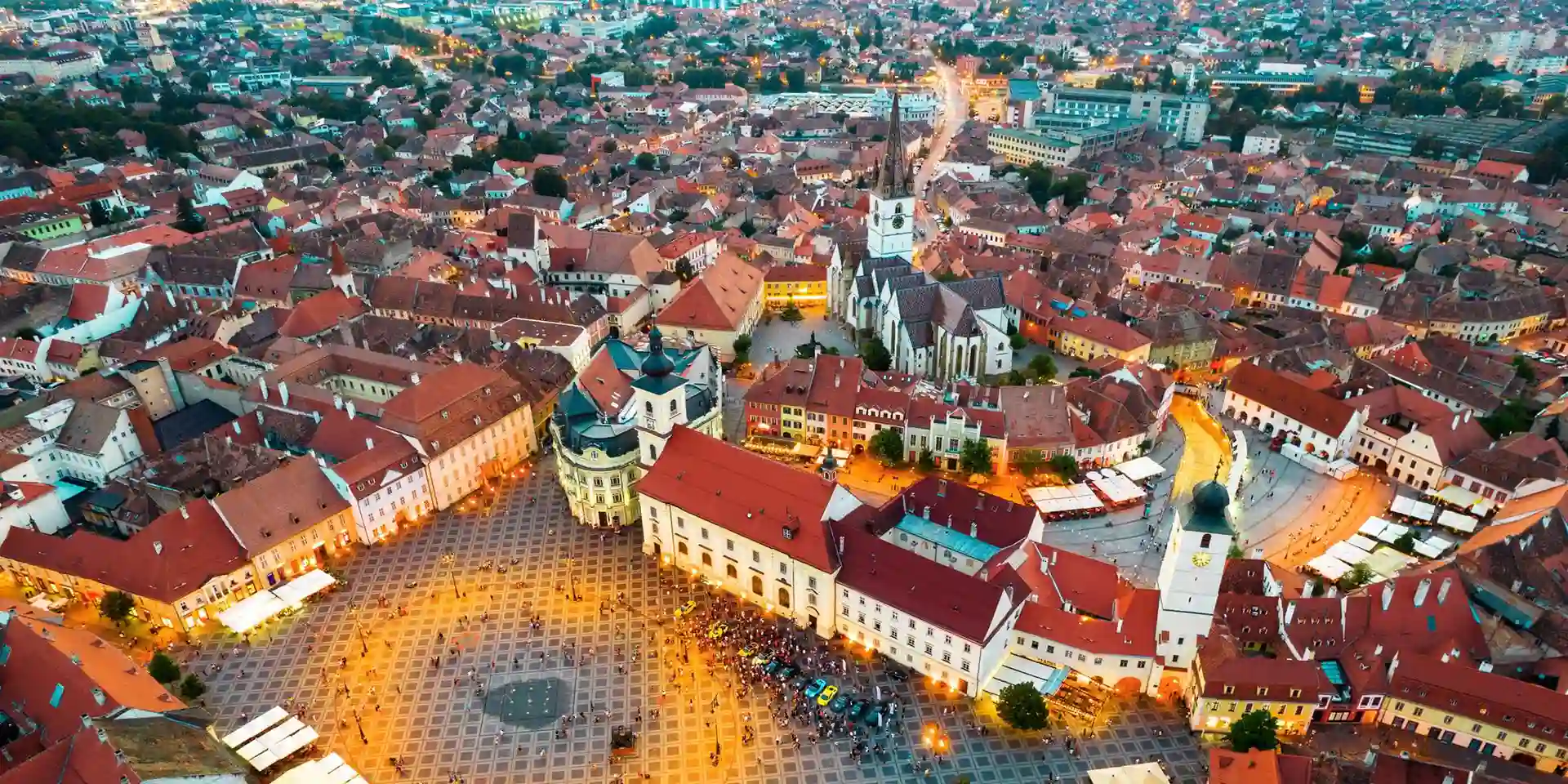
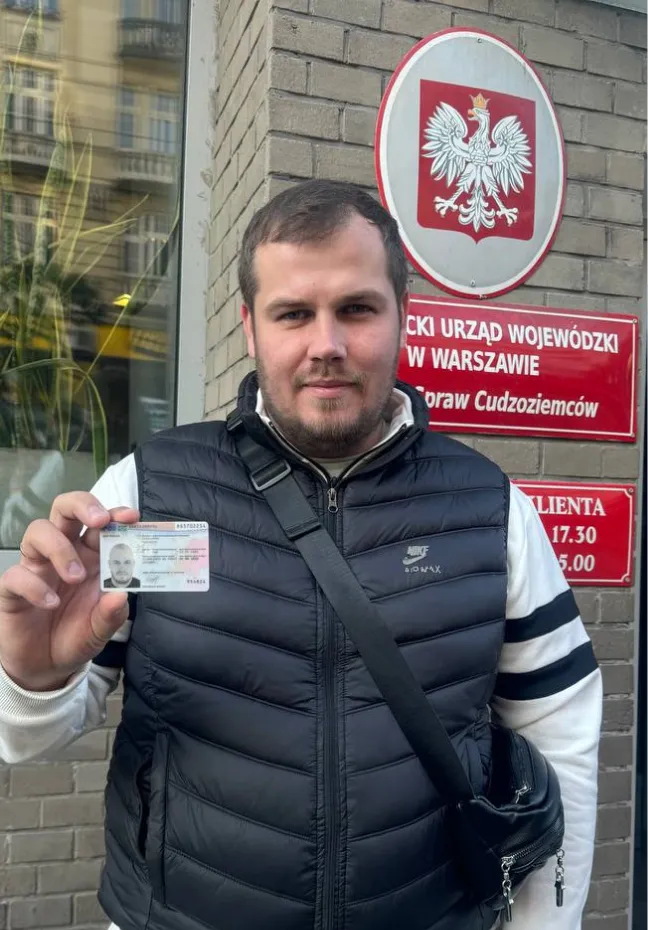
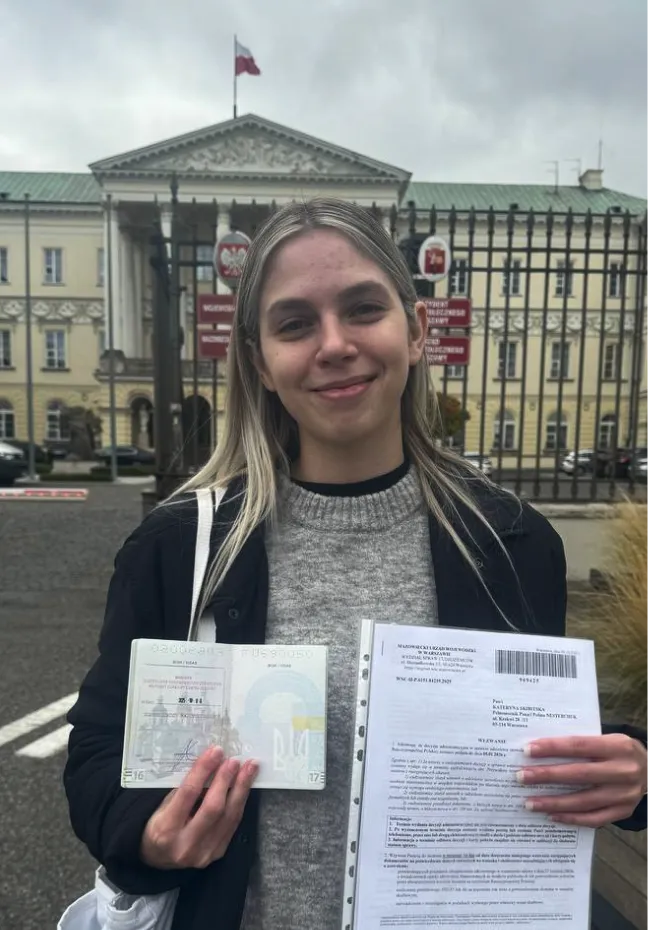
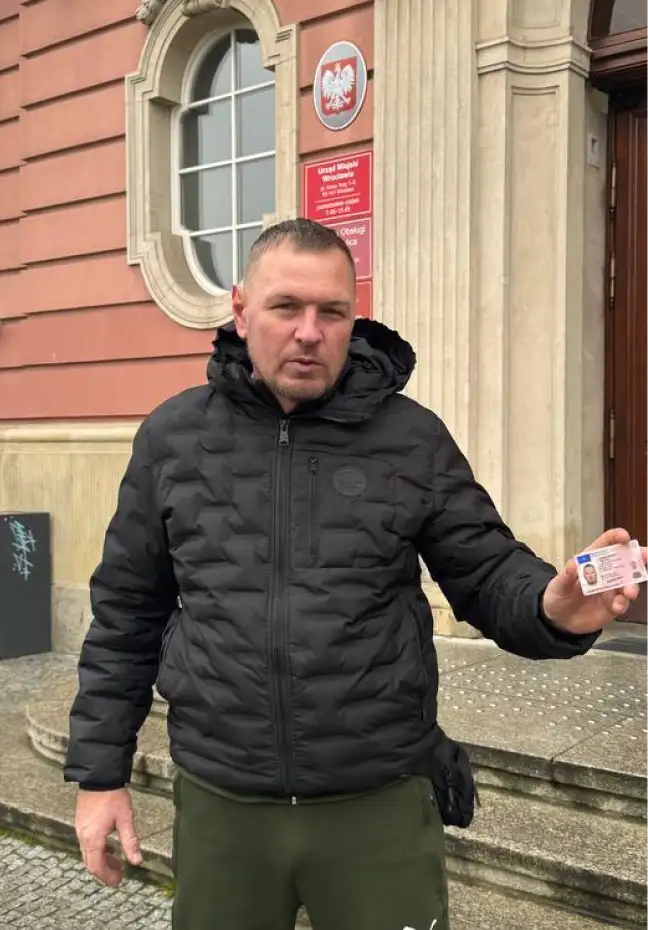
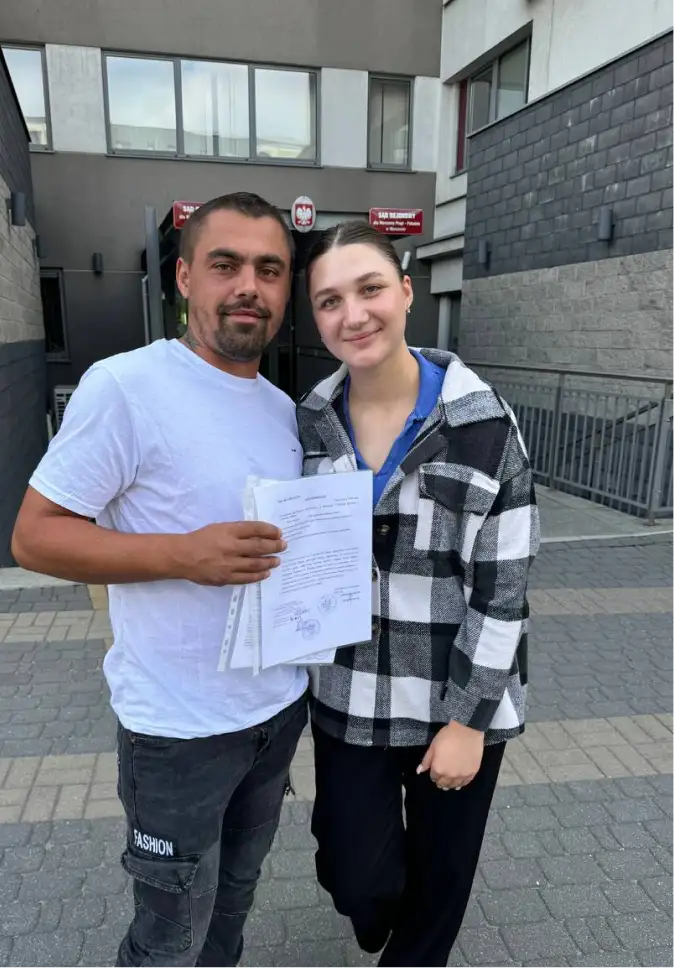
Warsaw draws foreigners like few other cities in Europe. Jobs, international company headquarters, universities, logistics hubs — the capital concentrates all of it in one place. And alongside everything else, it concentrates the queues at the Mazowiecki Urząd Wojewódzki.
If you live or plan to move to Masovian Voivodeship, this article is built specifically for you — not a general overview of Polish immigration law, but a focused look at how legalization actually works in this region, what to expect, and how to avoid the mistakes that cost months.
Mazowiecki Urząd Wojewódzki: How It Differs From Other Voivodeships
Warsaw is Poland’s capital and largest city — which means the Mazowiecki Urząd Wojewódzki (MUW) processes more residence card applications than any other office in the country. Everyone legalizing in the region feels the consequences.
Three things about MUW worth knowing before you start:
- The longest average processing times in Poland — 6 to 14 months depending on grounds and the year of filing
- The highest volume of supplementary document requests among all voivodeships — MUW checks everything carefully
- From April 2026, all applications go through MOS 2.0 only — no paper applications, no in-person submission visits

All Cities in Masovian Voivodeship: Wherever You Live — It’s MUW
Masovian Voivodeship is Poland’s largest by area and population. If you live in any city or municipality in this region, your residence card case falls under the Mazowiecki Urząd Wojewódzki’s jurisdiction.
Cities and localities in the voivodeship whose residents file through MUW include:
Warsaw, Radom, Płock, Siedlce, Pruszków, Legionowo, Żyrardów, Ostrów Mazowiecka, Mińsk Mazowiecki, Ciechanów, Szczytno, Maków Mazowiecki, Mława, Kozienice, Garwolin, Łowicz, Sochaczew, Piaseczno, Błonie, Grójec, Wyszków, Pułtusk, Długosiodło, Nadarzyn, Łomianki, Konstancin-Jeziorna, Wołomin, Zielonka, Radzymin, Raszyn, Tarczyn, Ożarów Mazowiecki, Nowy Dwór Mazowiecki, Wyszogród, Szreńsk, Przasnysz, Jabłonna, Ząbki, Marki, Zielonka, Kobyłka, Halinów, Strachówka, Góra Kalwaria, Mszczonów, Grodzisk Mazowiecki, Żabia Wola, Teresin, Gostynin.
Grounds for a Residence Card: What People in Warsaw Most Often Use
Warsaw isn’t just the largest city — it’s the country’s biggest labour market and business hub. That produces a particularly wide range of legalization grounds.
Employment — the most common basis
The vast majority of foreigners in Warsaw legalize through an employment contract. A contract with a Polish employer is required, alongside — in most cases — a zezwolenie na pracę or oświadczenie. The key risk: changing employers without timely notification to MUW. This is one of the most frequent causes of status problems in Warsaw.
Business — for entrepreneurs
Warsaw attracts entrepreneurs from across the region. Business relocation to Poland through Warsaw is a popular route, covered in detail in the article on business relocation to Poland. Important: MUW scrutinizes the reality of business activity closely — shell companies with no turnover get refused.
Family-based grounds
Family reunification and residence cards through a spouse are very common in Warsaw. If your partner already holds Polish legal status, you’re entitled to your own residence card. Full details on the procedure and requirements are in the guide on a residence card through a husband in Poland.
CUKR card for Ukrainians
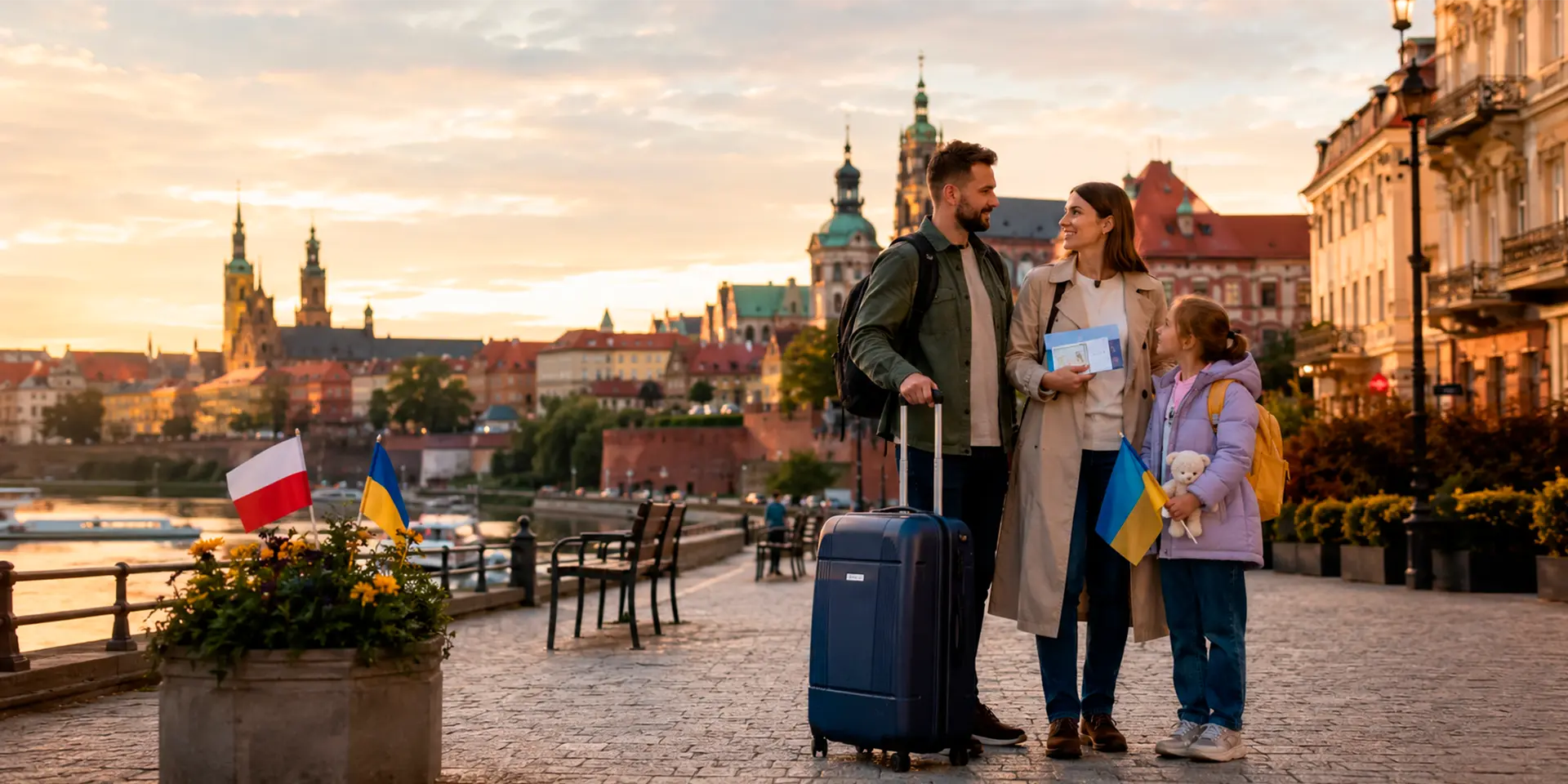
From May 2026, Ukrainians with UKR status can apply for the special CUKR residence card. Warsaw is expected to receive one of the largest volumes of these applications in the country. All conditions and the procedure are covered in the guide on residence cards for Ukrainian refugees.
The Mistake That Costs Months of Waiting at MUW
A client from Warsaw submitted a complete, timely document package. Five months later, MUW sent a request to clarify the residential address — the lease agreement showed one building number, the application form showed the adjacent one. Technically: two different addresses. Correcting this and providing a new agreement took three weeks; processing the response took another month. Total: seven months instead of four.
The lesson is simple: at MUW, every address must match perfectly. Any discrepancy between the lease agreement, the meldowanie registration, and the application form is a potential request trigger.
When and Why an Immigration Consultation Matters Before Filing
MUW is not a place to experiment. If the situation is non-standard, ambiguous, or there have been previous refusals or requests — an immigration consultation before filing can save up to six months of waiting time.
Typical situations where a consultation is critical:
- You changed employers or business activity while your current card is still valid
- There have been gaps in lawful residence in Poland
- The basis for the card is non-standard or mixed
- You’ve received a refusal or a request from MUW and don’t know how to respond
- You’re filing for the first time and want to get it right from the start
A Practical Action Plan for Masovian Voivodeship Residents
Regardless of grounds, the preparation logic for filing with MUW is the same:
- Check your deadlines — how much time is left before your current permit or visa-free period expires
- Identify your grounds — which basis matches your situation and whether you have all required supporting documents
- Check your PESEL and Profil Zaufany — both are required to file through MOS 2.0
- Prepare documents to MOS 2.0 technical specs — PDF format, correct file naming, both fee payments confirmed
- Check that all addresses match across documents — lease agreement, application form, and meldowanie must all show the same place
- Activate e-Doręczenia after filing — within 14 days of submitting your application
- Monitor your MOS 2.0 dashboard regularly — and respond to any requests immediately