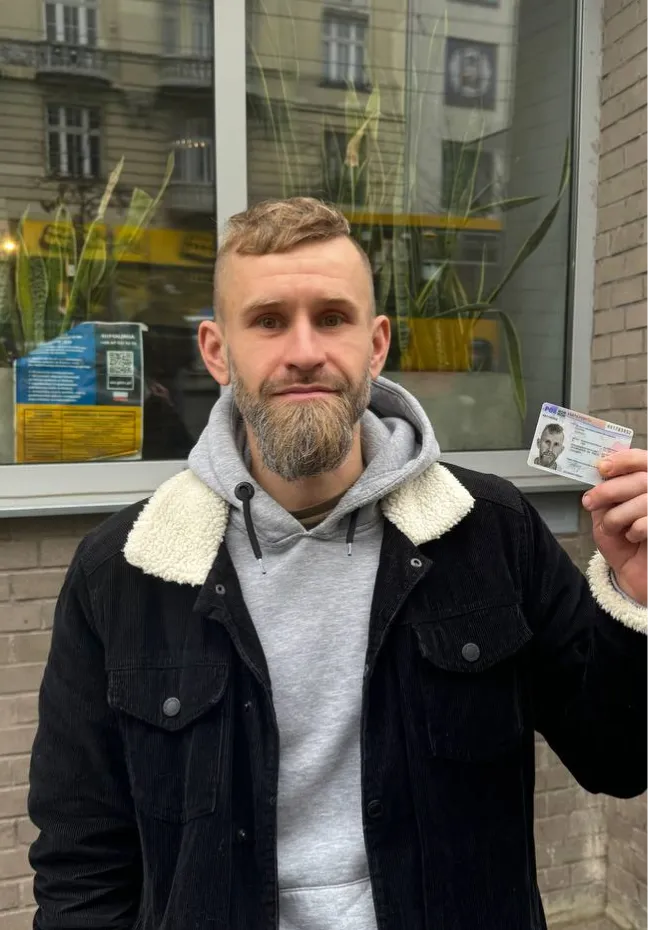
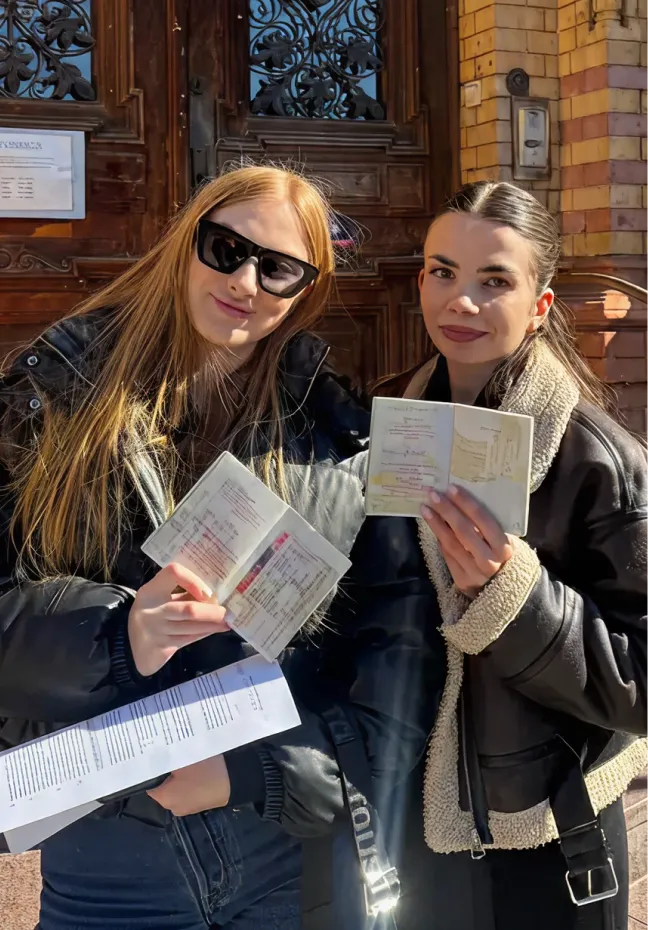
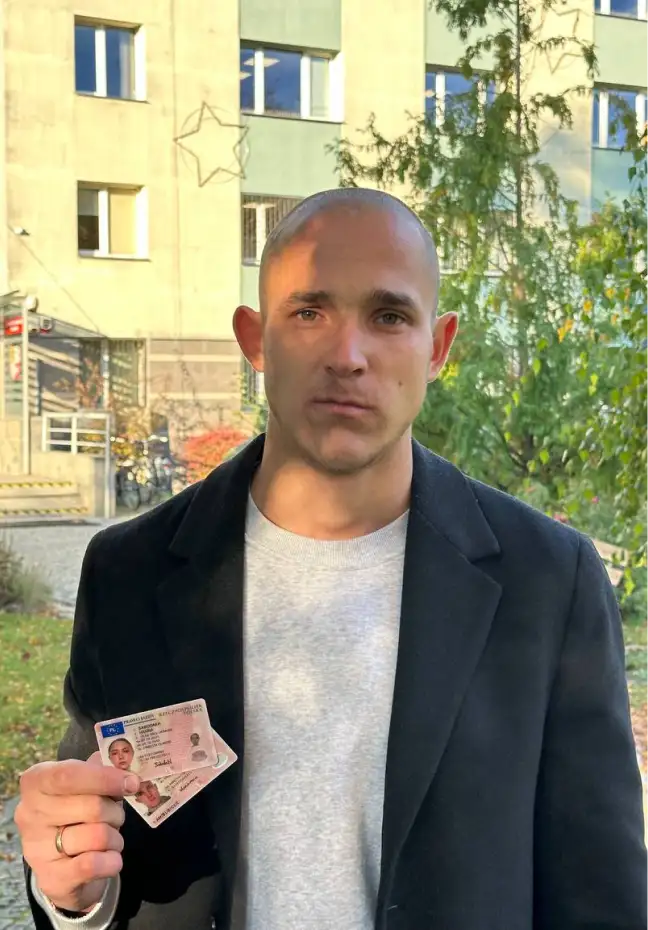
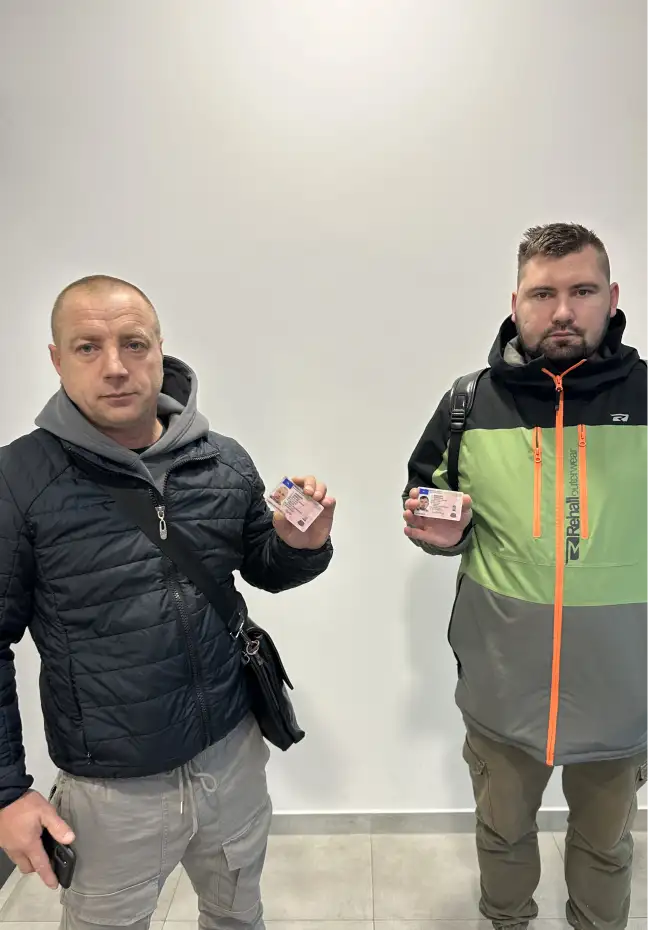
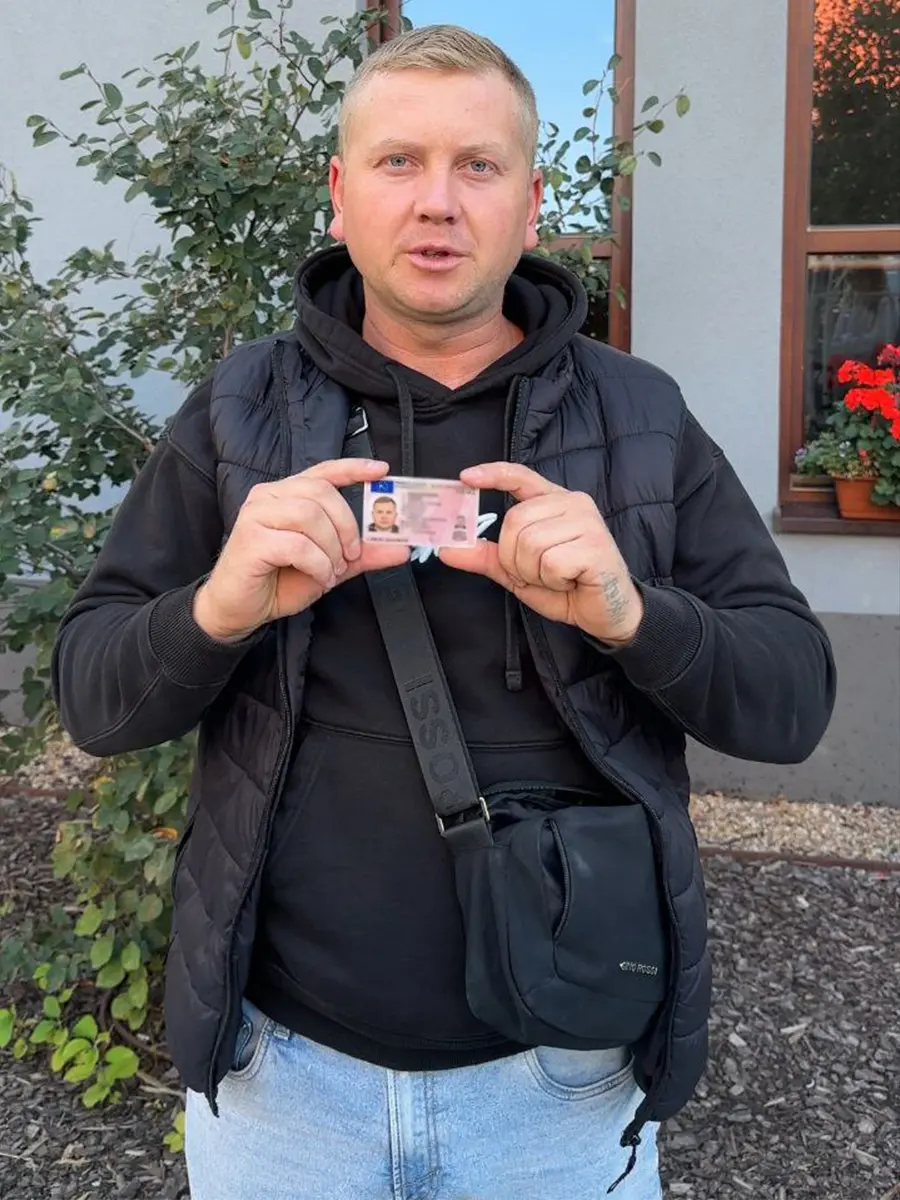
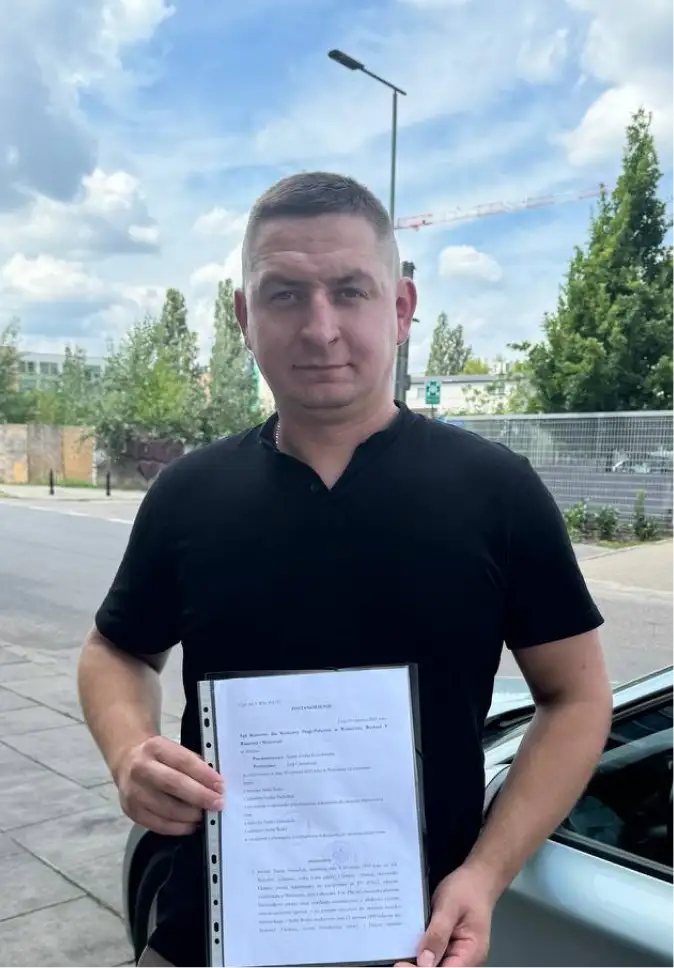
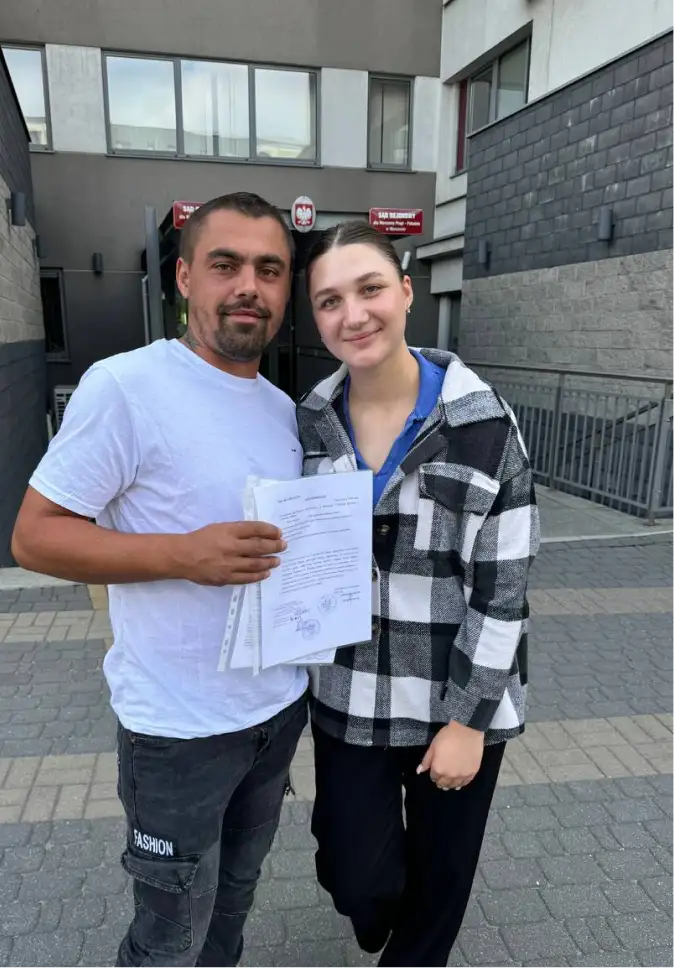
Obtaining a Humanitarian Visa (Type D21) is only the first step toward a safe life in Poland. However, a visa has a limited period of validity, and the issue of further legalization becomes relevant just a few months after relocation. The best solution in such a situation is a residence card based on a humanitarian visa.
In this article, we will look at who is eligible for this document, what benefits it provides, and how to go from a visa to a plastic residence card without mistakes.
What Is a Humanitarian Residence Card and Who Is It Available To?
It is important to clarify right away: although humanitarian visas may be granted to citizens of different countries who find themselves in danger, the simplified procedure for obtaining a residence card on this basis currently applies mainly to citizens of Belarus.
This is a special mechanism introduced by the Polish government in response to the political situation in the neighboring country. For Belarusians, this path is the fastest and most affordable way to obtain a residence permit valid for 3 years.
Can Other Foreigners Use This Path?
Citizens of other countries (Ukraine, Syria, Afghanistan, etc.) who have humanitarian grounds usually go through the international protection procedure (refugee status or subsidiary protection). The direct “conversion” of a D21 visa into a Residence Card under a simplified procedure is a privilege established in Article 186, Section 1, Point 9 of the Law on Foreigners, which is aimed at holders of specific visas.
Benefits of a Residence Card on Humanitarian Grounds
Why is it worth applying for this card rather than a work-based or student-based one?
- Validity Period — 3 Years. This is the maximum term for a first temporary residence permit.
- Free Access to the Labor Market. You do not need to obtain additional permits (Oświadczenie or Zezwolenie). You are free to change employers.
- No Stamp Duty. Filing the documents and issuing the card itself are free of charge for holders of humanitarian visas (you save PLN 440 in fees and PLN 100 for the plastic card).
- Simplified Requirements. You do not need to prove regular income or medical insurance coverage, although it is still worth having them for your own security.
- Travel Opportunities. The card, together with a valid passport, allows you to stay in other Schengen countries for up to 90 days within a 180-day period.
Who Can Apply? (2026 Criteria)
For your case to be considered positively, you must meet the following conditions:
- You are staying in Poland.
- You have (or had immediately before filing) a humanitarian visa (Type D21).
- You are a citizen of Belarus (if we are talking about the simplified procedure under Article 186).
- You do not pose a threat to public security or public order in Poland.
Step-by-Step Guide: From Collecting Documents to Receiving the “Plastic Card”
The process of legalization in Poland consists of several stages. Let us go through each of them in detail.
Stage 1: Preparing the Documents
You will need:
- 2 copies of the temporary residence application form (wniosek), completed in Polish.
- 4 recent photographs (3.5 x 4.5 cm, taken no earlier than 6 months ago).
- The original passport and 2 full copies of all pages, including blank ones.
- A copy of the humanitarian visa on the basis of which you are staying in the country.
- Proof of address (a rental agreement — umowa najmu; although the requirements have become more flexible, it is still better to have it with you).
Stage 2: Submitting the Documents to the Voivodeship Office (Urząd Wojewódzki)
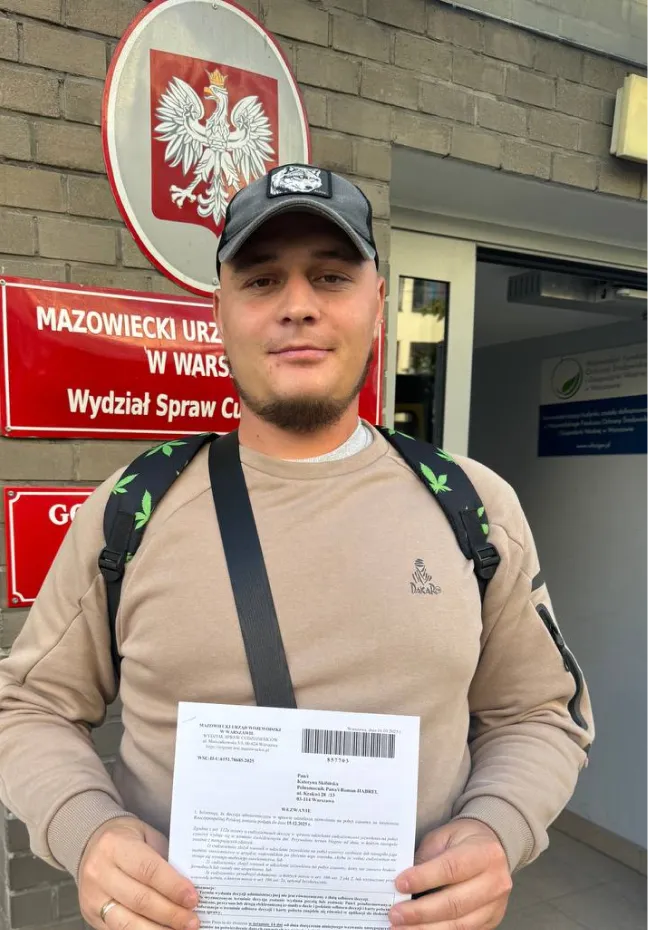
You must submit your documents to the foreigners’ department according to your place of residence (for example, in Warsaw, this is the Mazowiecki Urząd Wojewódzki).

Stage 3: Fingerprints and a Stamp in the Passport
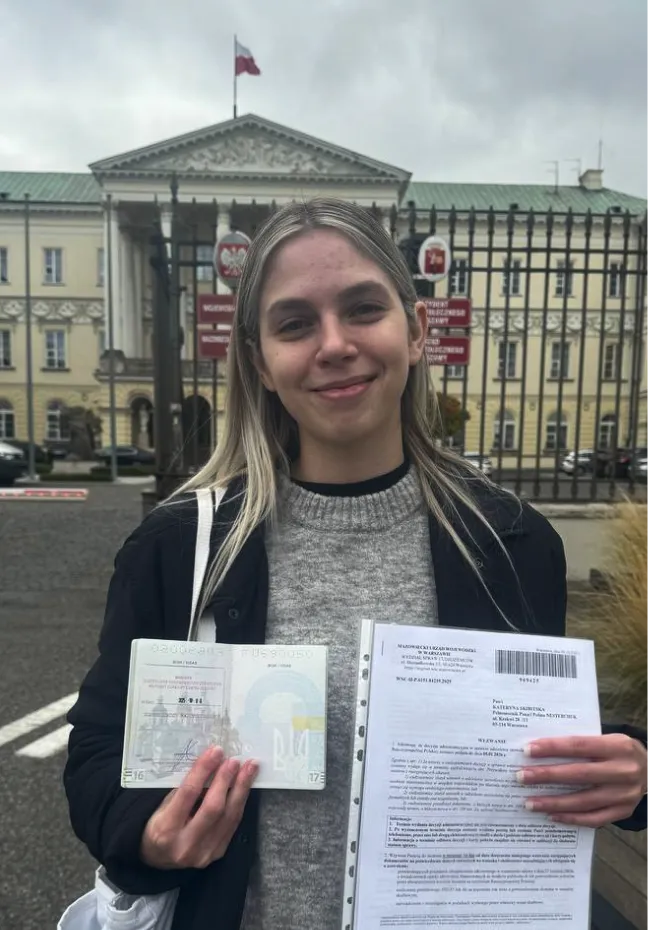
After submitting the application, you will be called in to provide your fingerprints. At that point, a stamp is placed in your passport confirming that you are staying in Poland legally until a decision (decyzja) is issued, even if your visa expires in the meantime.
Stage 4: Waiting for and Receiving the Decision
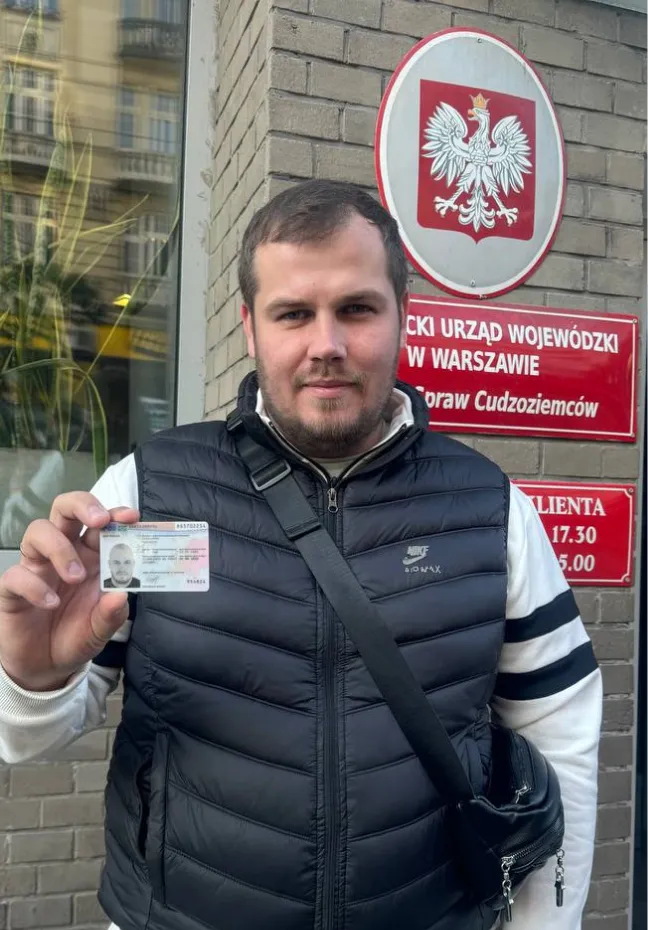
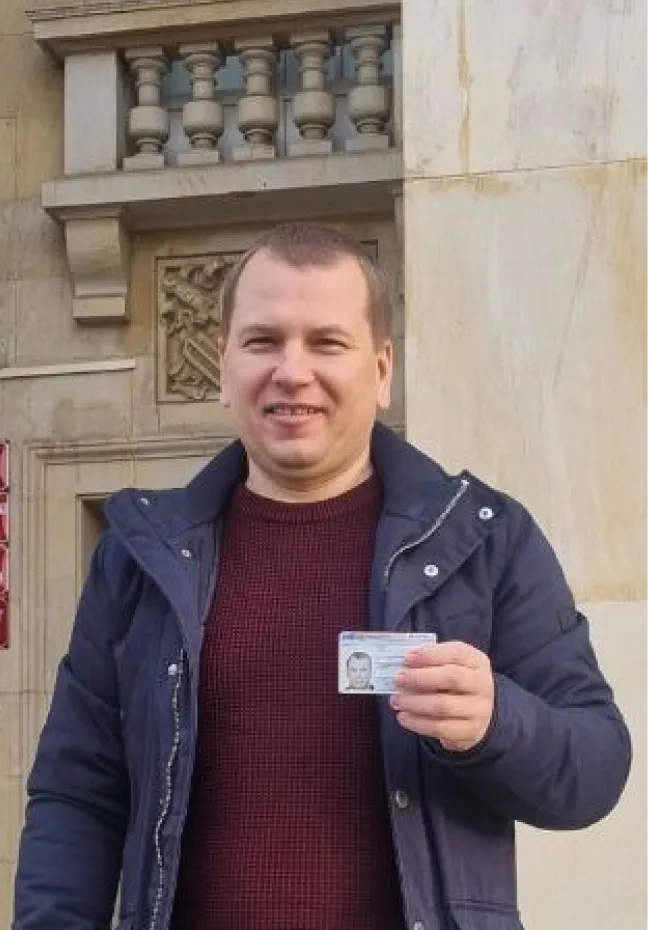
The average processing time is from 3 to 6 months. After receiving a positive decision (Decyzja), you will get an SMS or a letter informing you that the card is ready for collection.
Main Risks and How to Avoid Them
Despite the simplified procedure, refusals do happen. The most common reasons are:
- Mistakes in the Application Form: Incorrect personal details or a missing signature.
- Incomplete Set of Documents: For example, missing copies of all passport pages.
- Missing the Deadline: Filing after the visa has already expired, if you had no other legal basis for stay.
- Security Concerns: The person appears on a list of individuals whose stay in Poland is considered undesirable.
Why Is It Worth Contacting Professionals?
The legalization process may seem simple on paper, but bureaucratic queues and changes in legislation can turn it into an exhausting challenge.
Specialists will help you:
- Complete the application form without mistakes (this is 50% of success).
- Book an appointment for submission as quickly as possible.
- Prepare additional explanations for the office if any questions arise.
- Track the status of the case online so you do not miss an important letter from the inspector.
Legalization means peace of mind and confidence in the future. Do not postpone your residence card application until the last moment. If your humanitarian visa is still valid, act now!