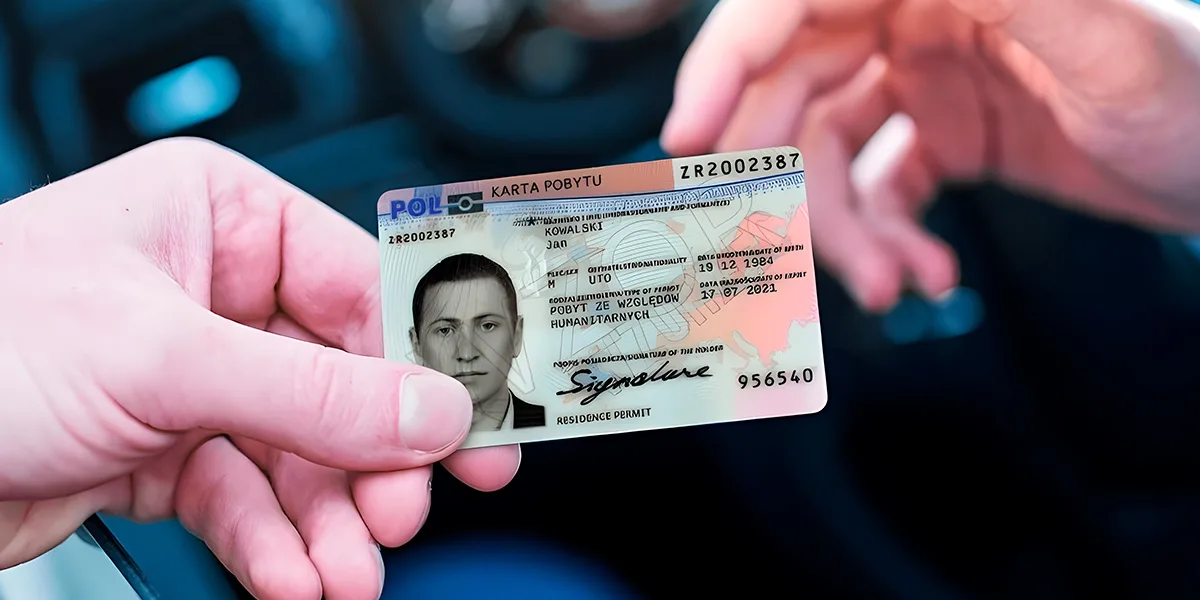
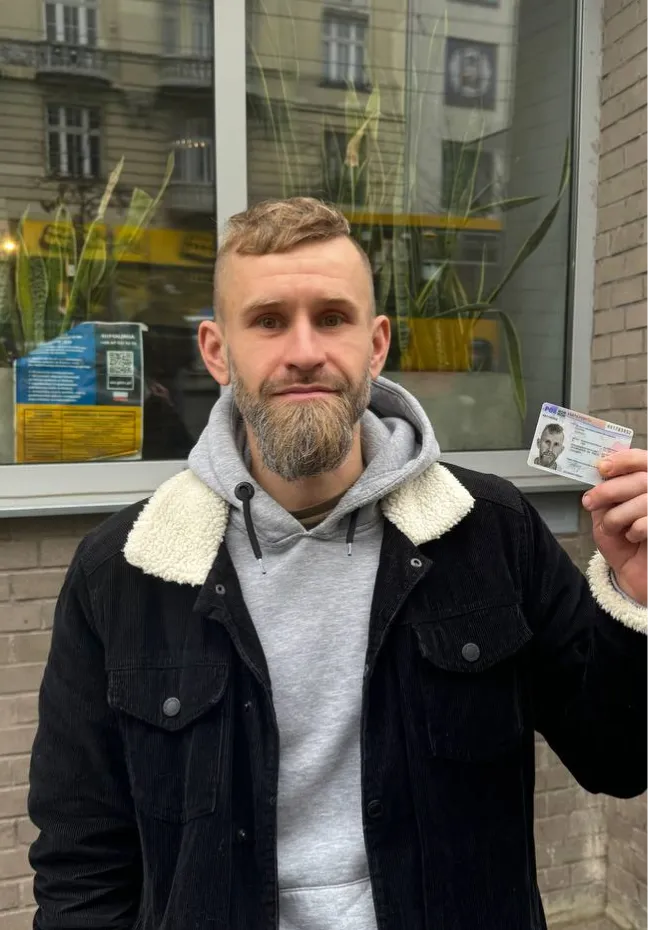
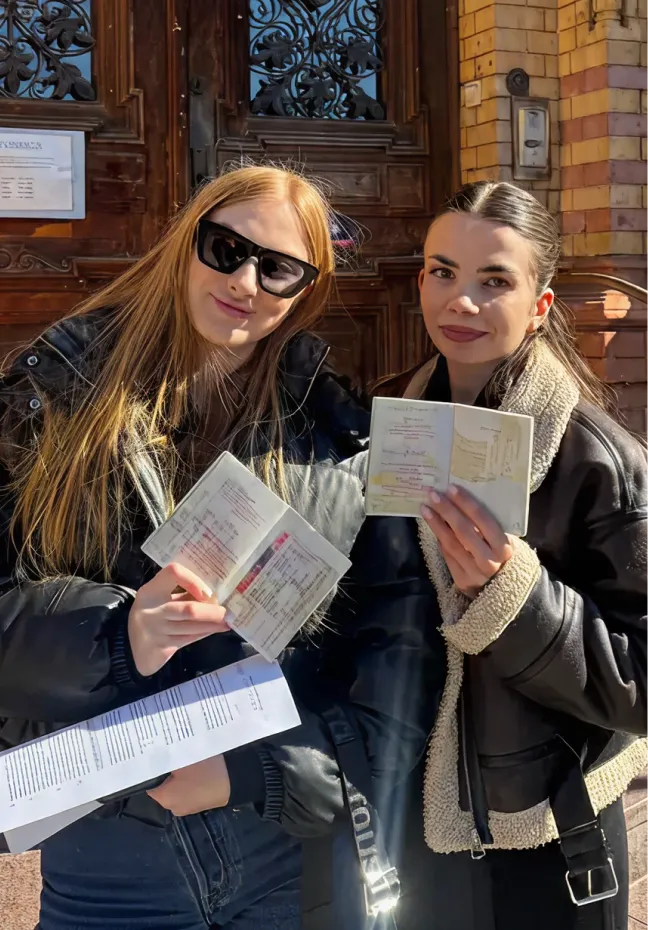
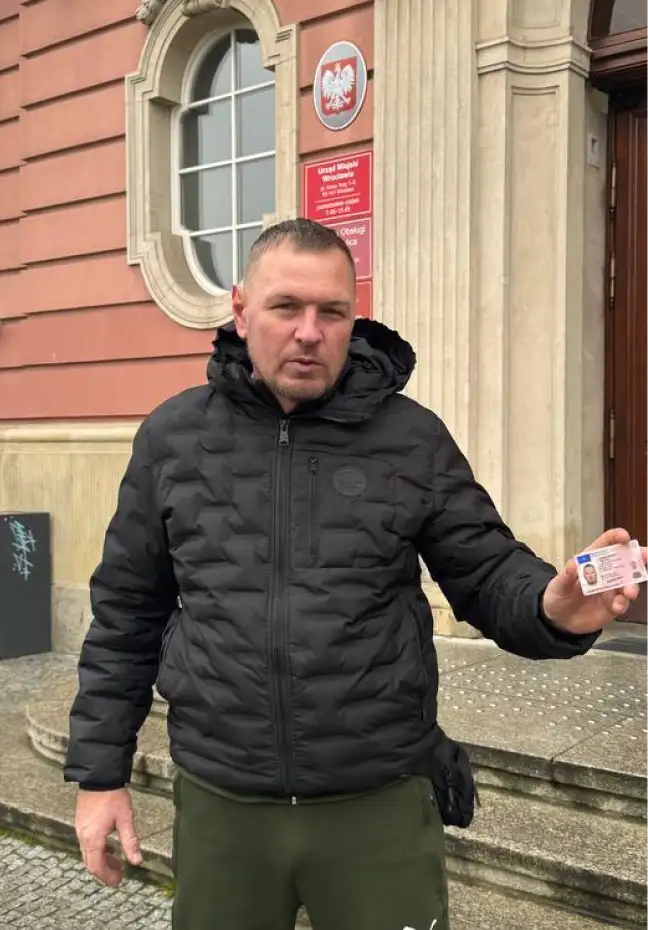
The first residence card always comes with stress and uncertainty. The second feels like familiar territory. And that’s exactly where people get caught out. Many assume that having done this before means it’ll go smoothly again — automatically, almost. In practice, the second card has its own specific dynamics that catch even experienced applicants off guard.
Same Process, Different Stakes
Formally, the procedure is identical: same Urząd Wojewódzki, same document package, same 340 PLN fee. But there are real differences that affect the outcome.
First, the Urząd doesn’t just look at your current situation — it looks at your history. Did you comply with the conditions of your first card? Did you change employers without notifying the office? Did you spend extended periods outside Poland? All of this factors into the decision on your second application.
Second, the scrutiny on whether your stated legal ground matches your actual situation tends to be sharper the second time around. If your first card was work-based but you weren’t consistently employed — that’s something the Urząd can and will find.

When and How To Apply for the Second Card?
The rule is the same as the first time: file before your current card expires. For a detailed breakdown of timelines and what to do if your card is already running out, see our page on residence card expiring in Poland.
Start preparing documents 3–4 months before expiry. The key difference from the first application is that documents now need to confirm not just your current situation, but that the conditions of the first card were met throughout. For example:
- Work-based card — employment contract covering the full prior period, or documented explanation of any gaps
- Study-based card — proof of continued enrollment, or a ground change if you’ve graduated
- Family reunification card — confirmation the family continues to live together
Should You Change Your Legal Ground for the Second Card
The second card is the ideal moment to reassess your ground if your situation has evolved. After a few years in Poland, most people have new options available.
Common ground changes at the second card stage:
- Study → Employment. Graduated and working full-time — the first card was study-based, the second logically moves to a temporary residence permit through employment.
- Employment → Family reunification. Got married — there may be a more stable ground available now.
- Dependent → Independent ground. If the first card depended on someone else — an employer or spouse — the second can stand on its own.
What the Urząd Checks on a Second Application?
This is rarely discussed — but it matters. On a second application, the caseworker has access to your previous file and can check:
- Whether your actual address matches what was registered
- Whether ZUS contributions were made throughout the first card period
- Whether there were any administrative or criminal violations
- Whether time spent outside Poland exceeded limits for your specific ground
- Whether your current stated ground matches your documentation
If any of these could raise questions, it’s far better to address them before filing than to respond to a formal Urząd request mid-process.
How To Speed Things Up?
If timing is tight — the first card is expiring soon or you have travel commitments that can’t move — the fast-track residence card processing option is worth exploring. It’s not available in every case, but where it applies, it can meaningfully cut the processing time.
Beyond that: a complete, correctly assembled document package on the first submission is itself the best form of acceleration. Every Urząd request for additional documents adds a minimum of 2–4 weeks.